

Carved Floral Frame
When you choose a carved floral frame, you select a piece of historical craftsmanship that brings organic form and texture to any interior.
Carved Floral Frame
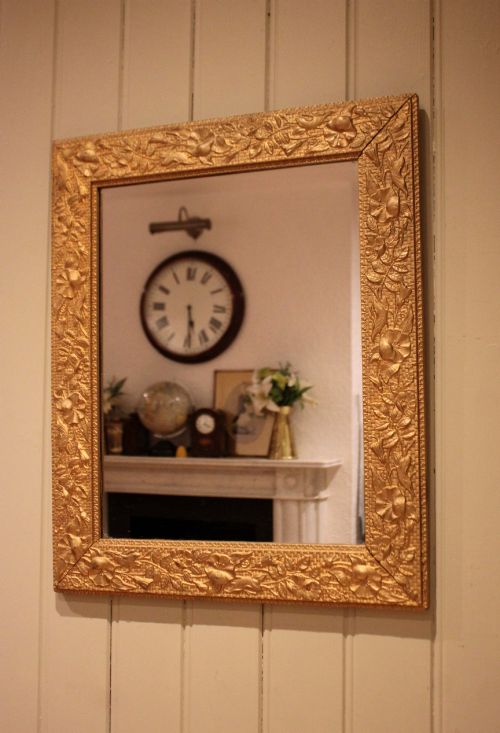
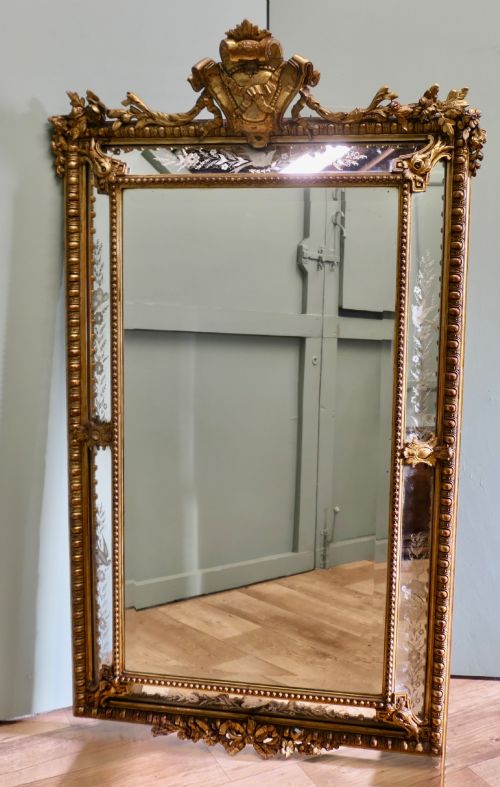
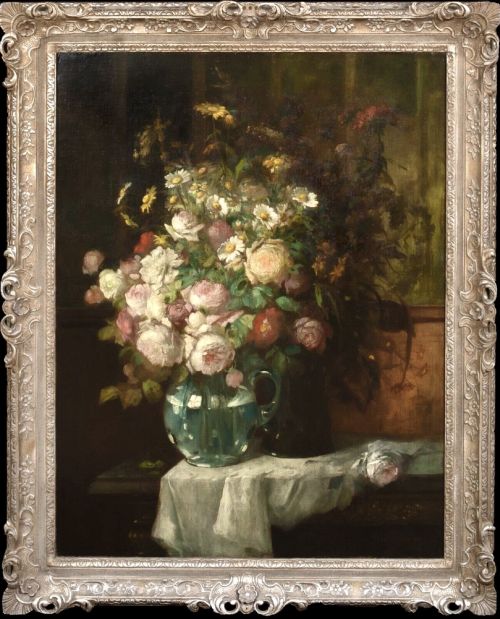
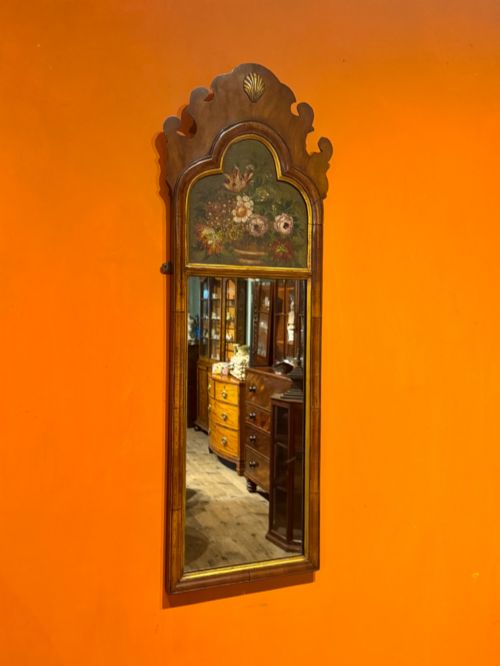
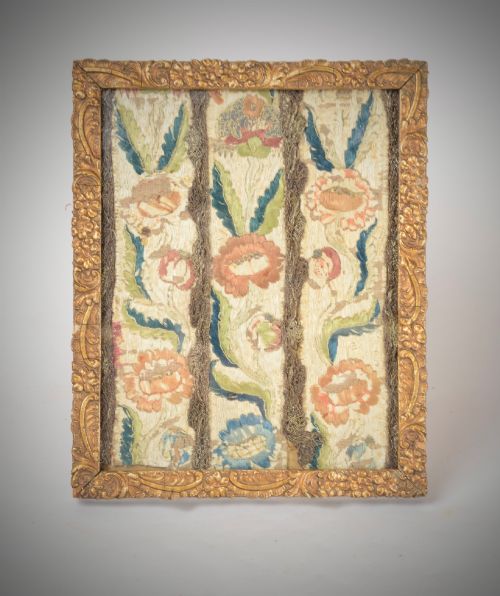
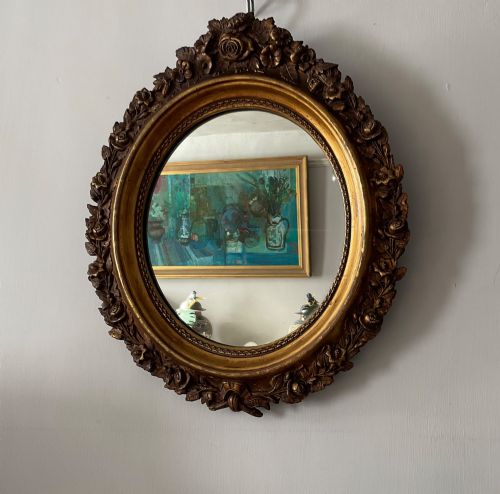
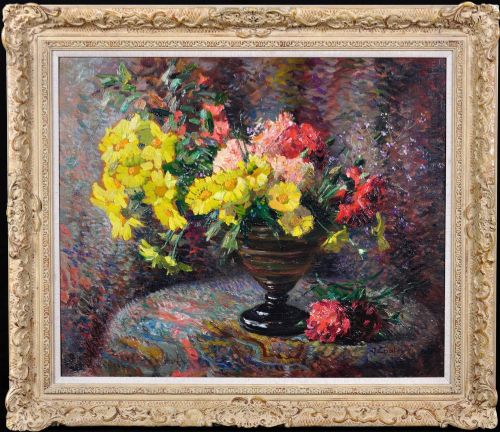
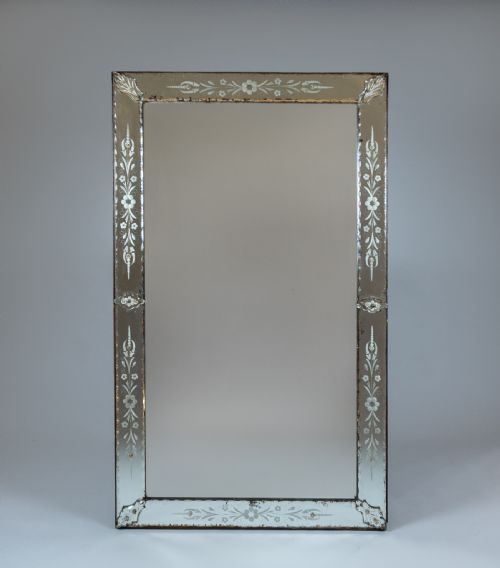
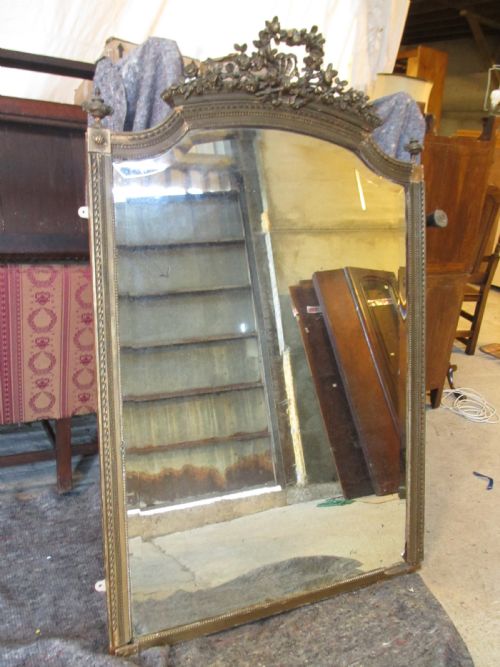
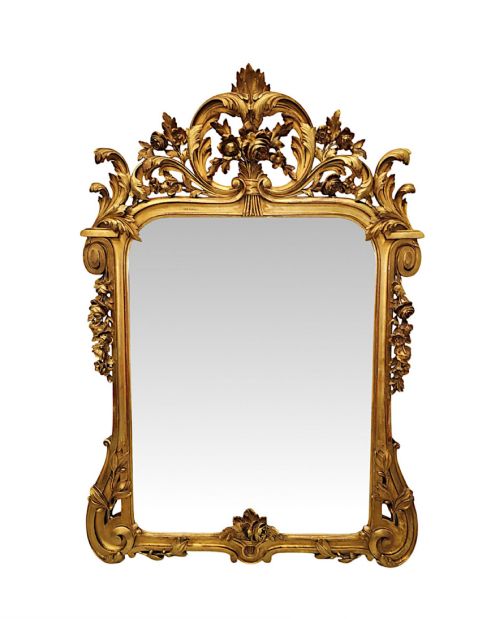
A carved floral frame encompasses wall mirrors, picture frames, and needlework surrounds produced across the eighteenth, nineteenth, and early twentieth centuries. These objects take many forms, including French Rococo wall mirrors, Victorian rose vine mirrors, and Barbola gesso items decorated with floral ornamentation.
The versions most commonly met on this page date from the Victorian era and the nineteenth century, alongside French examples in gesso and giltwood. Makers utilised various woods such as mahogany, walnut, pine, and beech to construct these decorative surrounds.
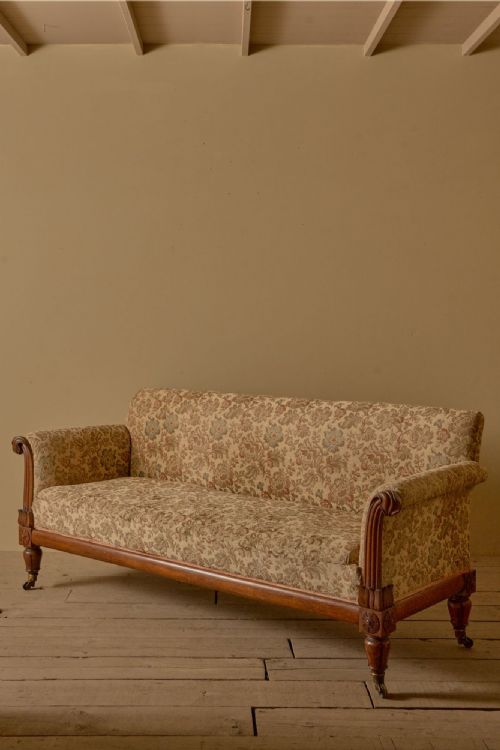
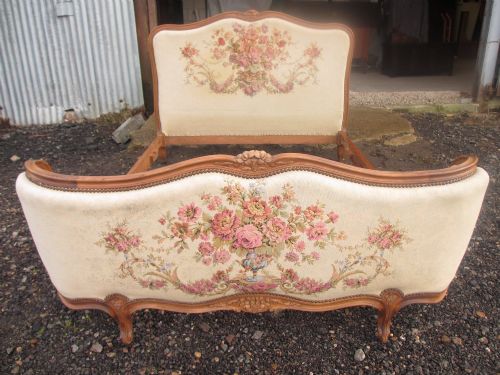
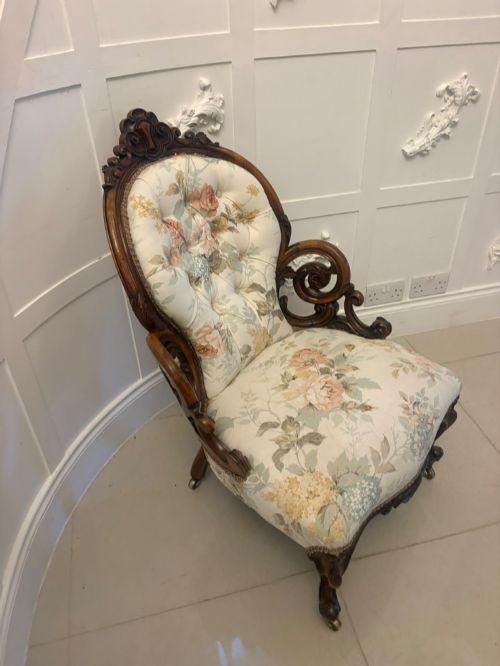
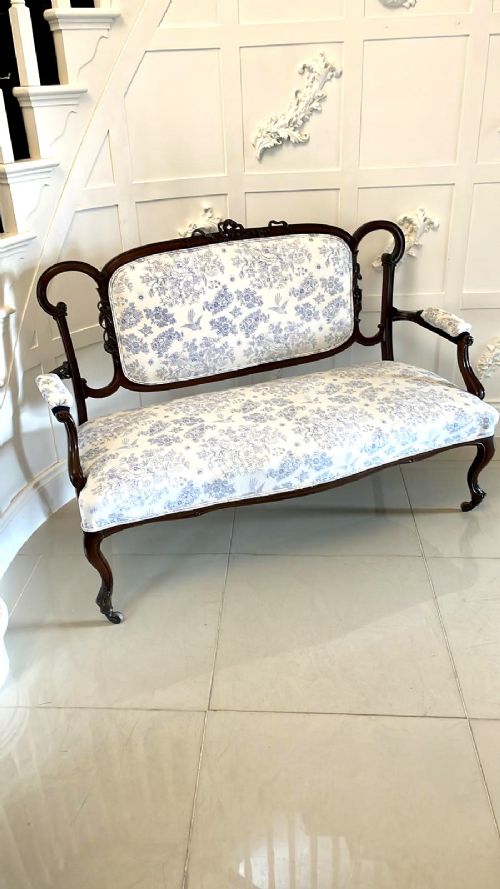
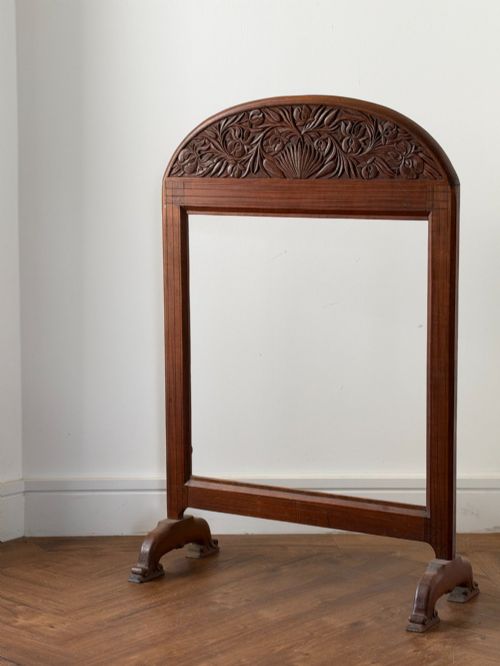
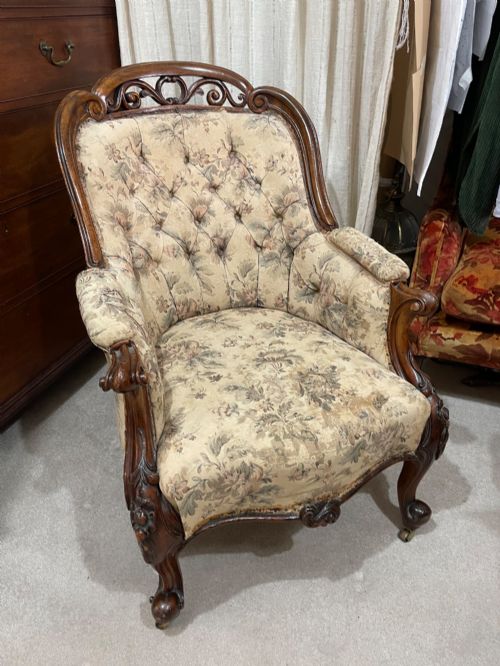
Beyond mirrors and picture frames, the evidence shows floral carving applied to bed frames, armchairs, and fire surrounds. Each piece integrates botanical motifs directly into the wooden structure or surface gesso.
How they were made
Makers shaped structural elements from timber such as walnut, mahogany, oak, and pine, often applying layers of gesso to build up intricate surface relief. This plaster-like compound allowed artisans to model complex floral motifs, ribbon crests, and vine details before smoothing the ground for gilding or paint.
Giltwood components received thin sheets of gold leaf applied over bole, while other frames featured hand-painted finishes, polychrome panels, or brass inlay. Wood carvers worked by hand to undercut leaves and petals, creating depth and shadow within the botanical designs.
Carved Floral Frame Retail Price Guide 2026
Typical asking prices for carved floral frame among the pieces listed under this phrase on Sellingantiques today, from the lower quarter to the upper quarter. They describe what is for sale here now, not the wider market.
Some floral frames preserve microscopic traces of Victorian parlour tobacco smoke trapped beneath centuries of stable beeswax.
What varies in quality
The standard of a carved floral frame depends on the depth and crispness of the hand-carving in the wood or gesso. Superior examples display undercut leaves and sharply defined petals that retain their original definition beneath layers of gilding or paint.
Distinction also lies in the integrity of the materials, where solid hardwoods and well-preserved giltwood or original hand-painted surfaces command attention. Lesser pieces show softened gesso relief from wear or later over-painting that obscures the sharpness of the underlying botanical motifs.
The Carved Floral Frame Glossary
- Giltwood
- Wood that has been coated with gold leaf or gold dust. This finish appears frequently on nineteenth-century French and Victorian wall mirrors.
- Gesso
- A plaster mix spread over wood to form a smooth surface for carving or painting. Artisans used this material to model relief floral decorations on frames.
- Overmantle
- A large mirror designed to hang above a fireplace mantel. These pieces often feature extensive carved wooden ornamentation.
- Barbola
- A type of gesso work used to create raised floral decorations on mirrors and picture frames. It gained popularity during the early twentieth century.
- Pier glass
- A tall mirror designed to hang on the wall between windows. These mirrors frequently incorporate detailed floral carvings and gilt finishes.
Carved Floral Frame: Frequently Asked Questions
What periods do these frames come from?
The pieces span the eighteenth century through to the early twentieth century, with strong representation from the Victorian era. Craftsmen produced these items across various European design movements including Rococo Revival, Art Nouveau, and Georgian.
Dates range from early eighteenth-century cushion mirrors to nineteen-thirties Barbola and still life compositions. Each era brought distinct carving styles and finishing techniques to the floral motifs.
Are the mirror plates original?
Some pieces retain their antique glass, which may show light foxing, minor speckling, or silver degradation due to age. Other items have received new glass replacements while keeping the historic frame intact.
Examining the depth and clarity of the reflection helps determine whether the glass dates from the same period as the carved surround.
How should I clean carved wooden frames?
Dust the carved floral details gently using a soft, dry brush or a feather duster to prevent dirt settling in the recesses of the gesso. Avoid liquid cleaners, especially on giltwood or painted surfaces, as moisture strips delicate gold leaf and pigments.
Maintain stable indoor humidity levels to protect the wood and plaster from cracking or warping over time.