



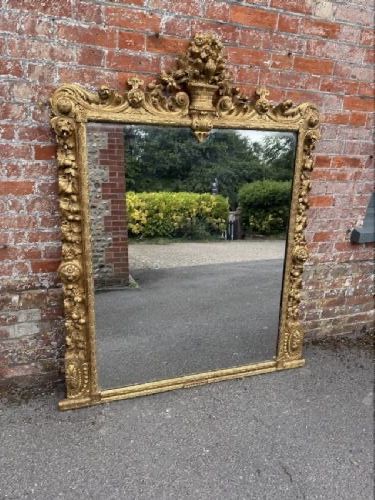
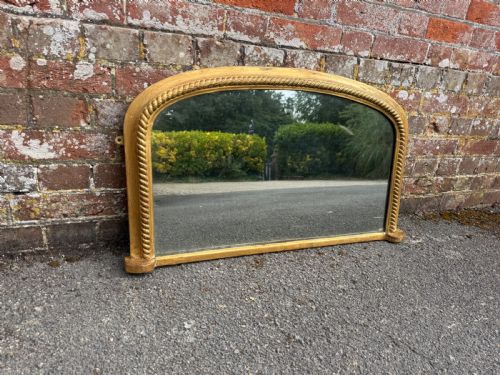
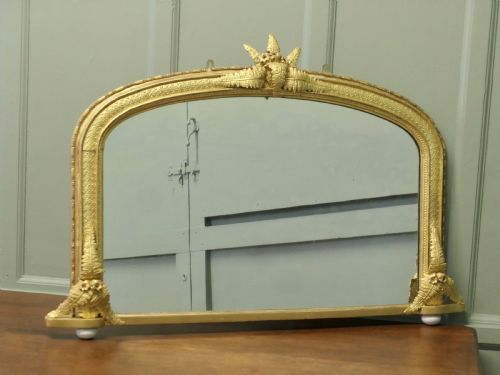
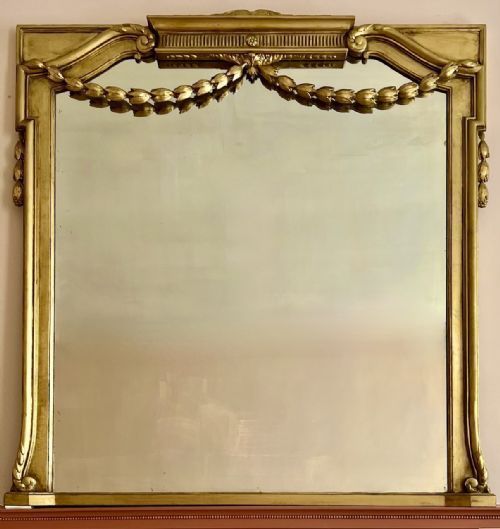
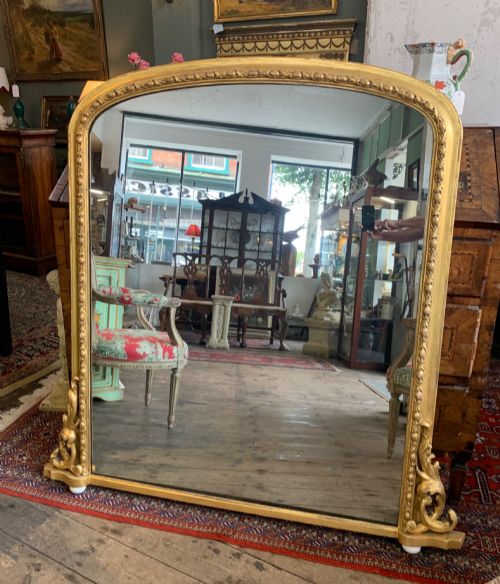
Carved Fireplace Mirror
These large carved fireplace mirror designs sit above hearths, bringing light and scale to a room through gilded frames and grand proportions.
Carved Fireplace Mirror
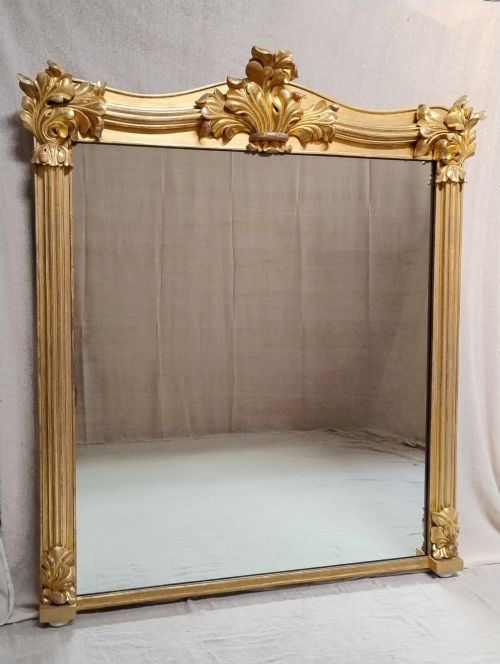
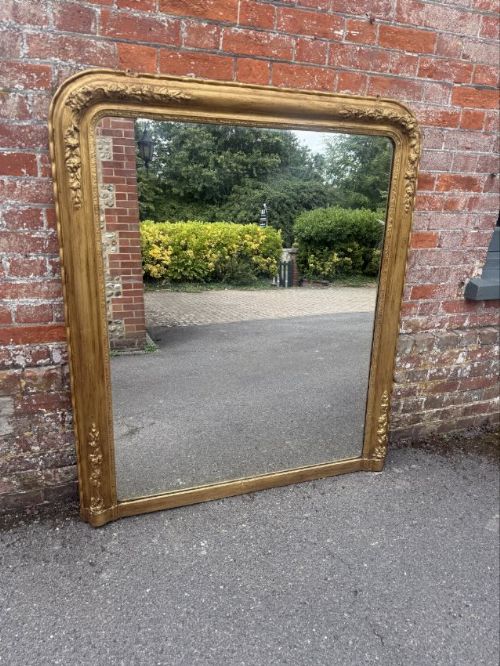
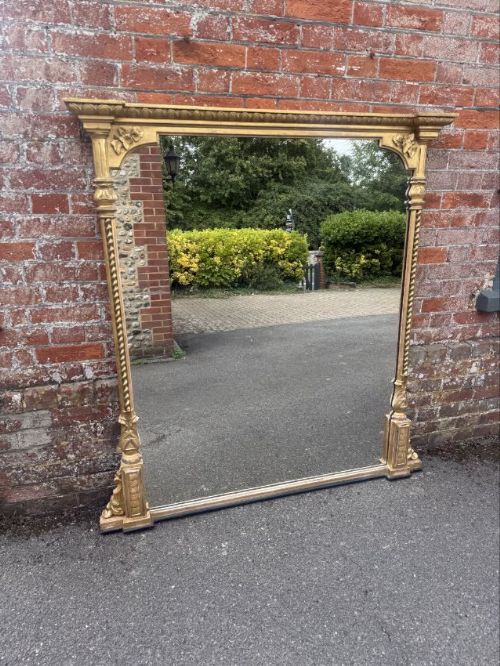
A carved fireplace mirror, frequently described as an overmantel mirror, is designed specifically to hang on the wall directly above a mantelpiece. The pieces found here date predominantly from the nineteenth century and the Victorian era, appearing in substantial proportions suited to period chimneys.
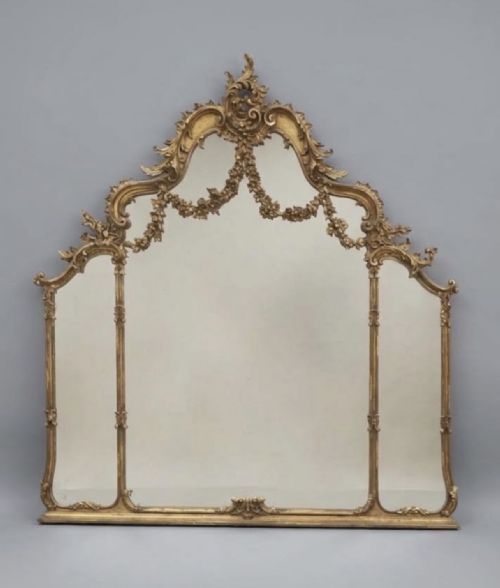
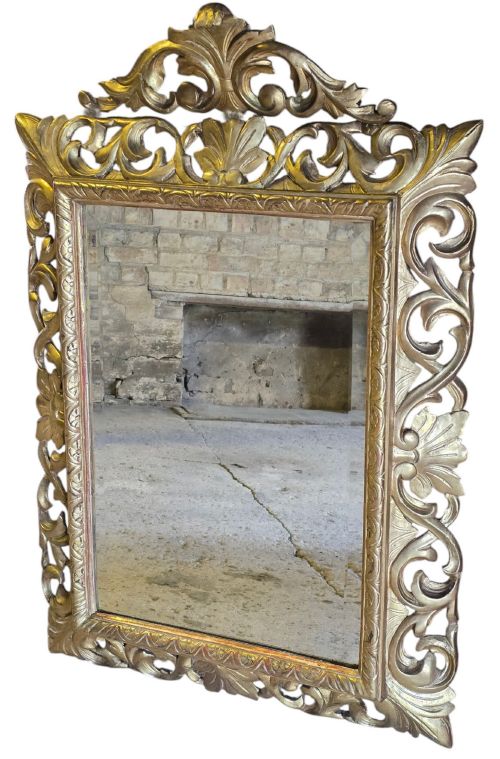
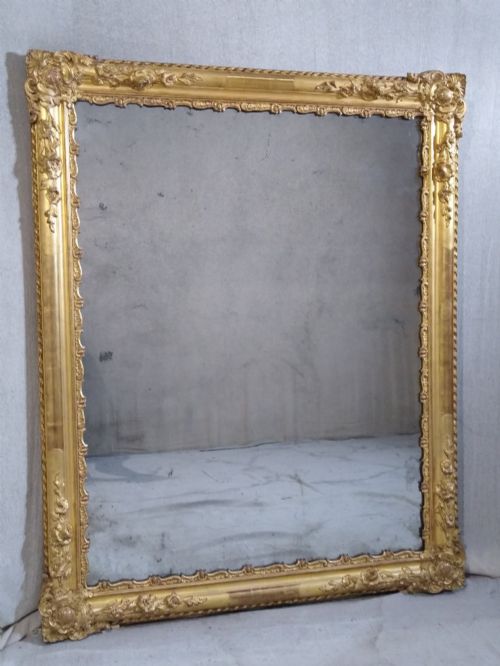
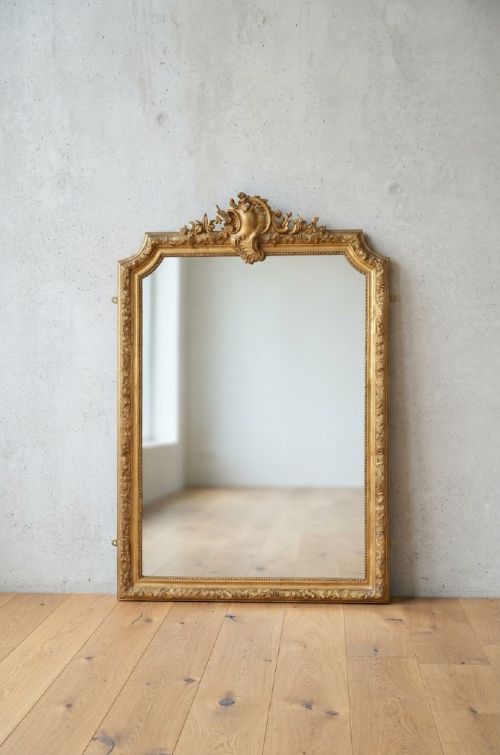
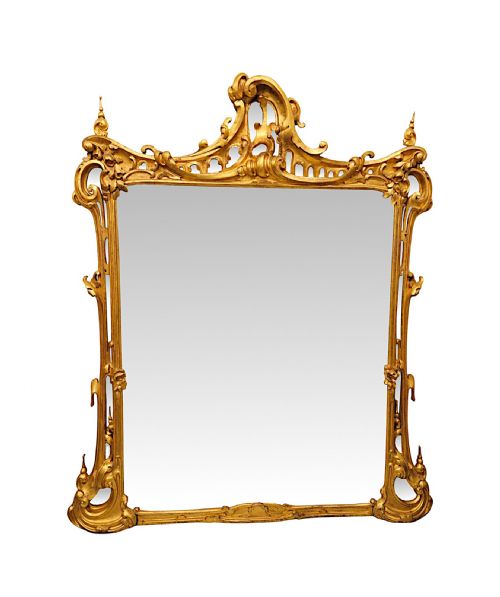
Most examples take the form of large wall mirrors featuring arched, shaped, or rectangular tops built to reflect light across a room. Formats span English and French traditions, incorporating styles ranging from plain architectural mouldings to elaborate Rococo Revival and Chinese Chippendale ornamentation.
Makers often shaped these objects as overmantels using timber frames finished with gesso and gold leaf. Variations include triple plate mirrors and walnut or mahogany structures that anchor the hearth within nineteenth-century interiors.
How they were made
Frames rely on a wooden carcass carved from timber such as oak, mahogany, or walnut, which provides structural integrity for the heavy glass plates. Artisans applied layers of gesso over the wood to build up raised ornamentation before applying gold leaf or paint.
Giltwood and composition mouldings allowed makers to achieve intricate floral, rope twist, or column details without carving every relief directly into the base timber. Mirror glass plates were set into the frames, sometimes leaving behind original foxed patination from age.
Listings feature nineteenth-century and Victorian periods alongside materials such as giltwood, gesso, and mirror glass.
What varies in quality
Quality depends upon the depth and crispness of the carved wood and gesso ornamentation applied to the frame. Superior pieces exhibit sharply defined motifs and smooth gilding that adheres tightly to the underlying structure.
The choice of frame materials and the preservation of the original mirror glass influence the character of the object. Hand-gilded surfaces and intact cresting elements distinguish finer examples from standard decorative pieces.
The Carved Fireplace Mirror Glossary
- Overmantel mirror
- A large wall mirror designed specifically to hang above a fireplace mantelpiece. These frames were proportioned to match the width of the hearth below.
- Gesso
- A plaster-like mixture applied to wooden frame surfaces to create a smooth base for carving or gilding. Artisans modelled intricate relief details directly into this layer.
- Giltwood
- Timber that has been coated with gold leaf or metallic gilding powder. This finish reflects candlelight and daylight within period rooms.
- Composition
- A moulded material made from whiting, resin, and glue pressed into decorative shapes. It offered a faster alternative to hand-carving complex frame ornaments.
- Foxed glass
- Mirror glass showing speckled dark spots and age-related oxidation. This natural weathering develops behind the glass over decades of use.
Carved Fireplace Mirror: Frequently Asked Questions
Where should a carved fireplace mirror hang?
These mirrors traditionally mount on the chimney breast directly above a fireplace mantelpiece. Their proportions balance the visual weight of the hearth below.
They also function on large expanse walls where their reflective glass and gilded frames anchor room layouts.
How do you date a nineteenth century overmantel?
Dating relies on stylistic clues like Rococo Revival curves, column framing, or specific Victorian moulding profiles. Wood types and construction methods also help place the piece within the eighteen hundreds.
Frame preparation techniques and the presence of original foxed mirror glass offer further chronological markers.
What is the difference between an overmantel and a wall mirror?
Overmantel mirrors are specifically engineered in wide horizontal or tall arched formats to span the width of a fireplace surround. Standard wall mirrors generally lack this architectural hearth context.
Their framing often incorporates heavier cresting and sturdy wooden carcasses designed to withstand mantel heat.
How do you care for antique giltwood frames?
Giltwood surfaces require gentle dusting with a soft, dry brush to protect the delicate gold leaf layers. Moisture and harsh cleaning chemicals must be avoided entirely.
Keeping the mirror away from direct heat sources prevents the gesso and wood from drying out or cracking.