





Carved Figure Stand
These pieces unite carved figurative work and raised supports, bringing characterful sculpture and practical elevation together in the home.
Carved Figure Stand
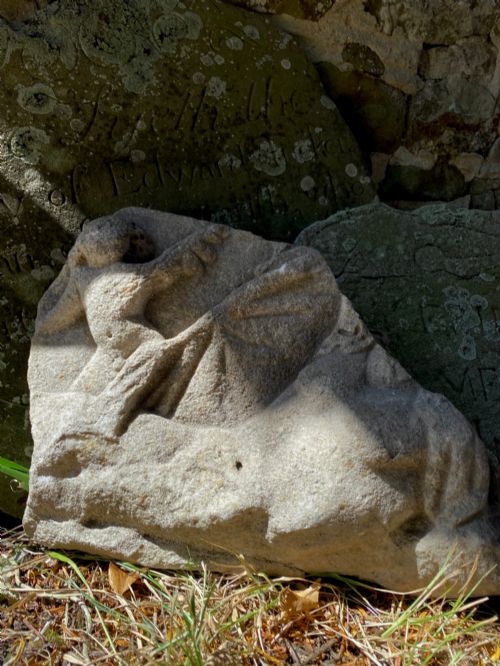
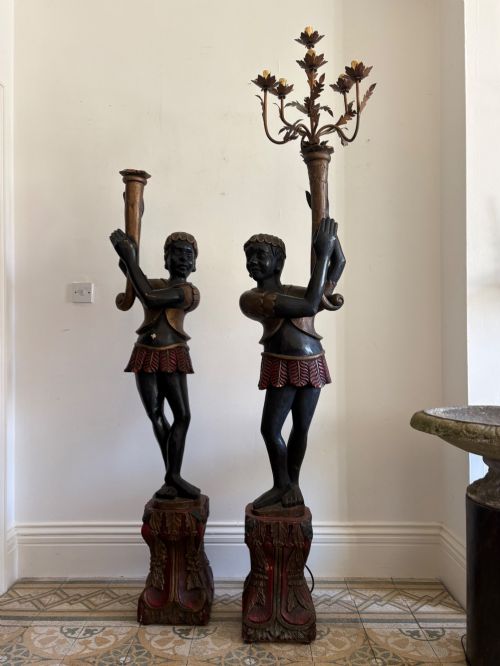
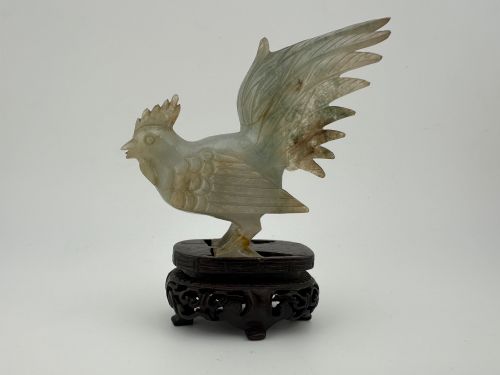
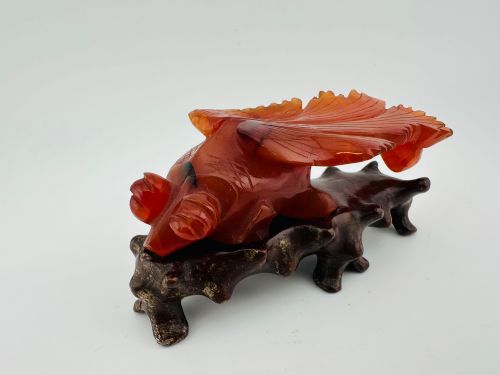
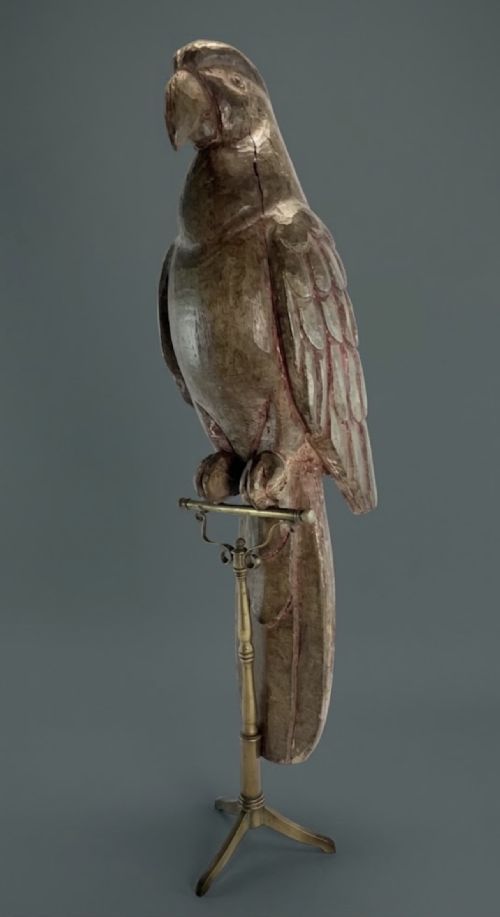
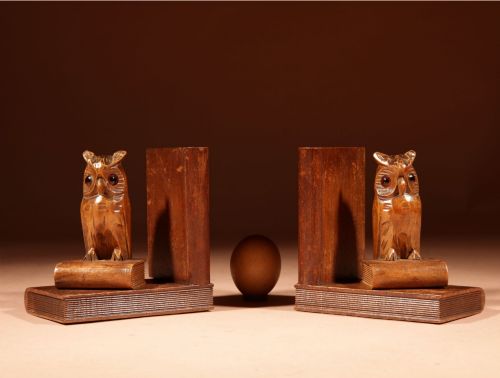
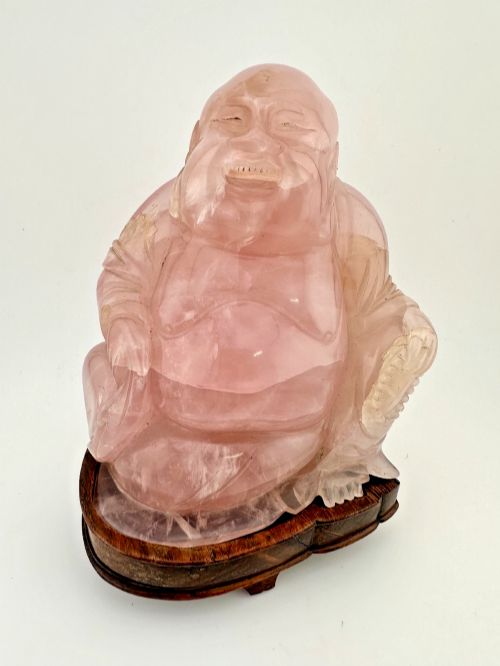
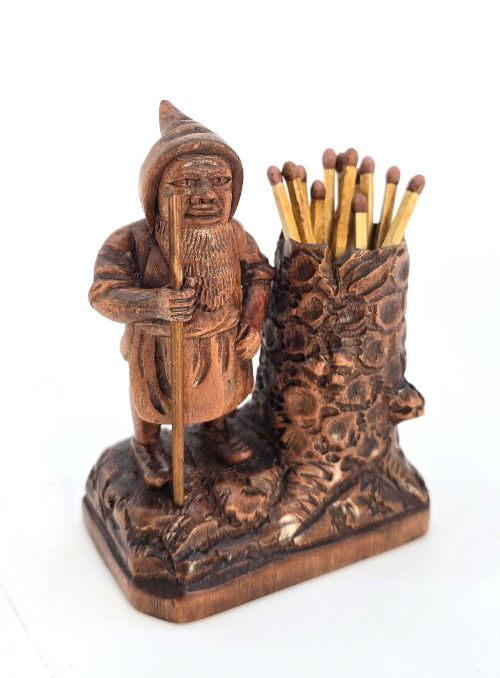
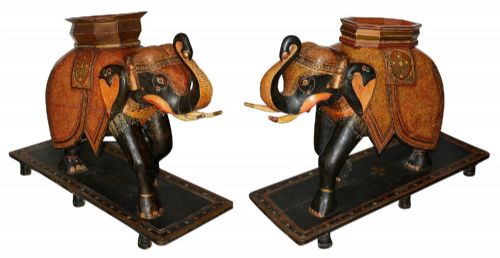
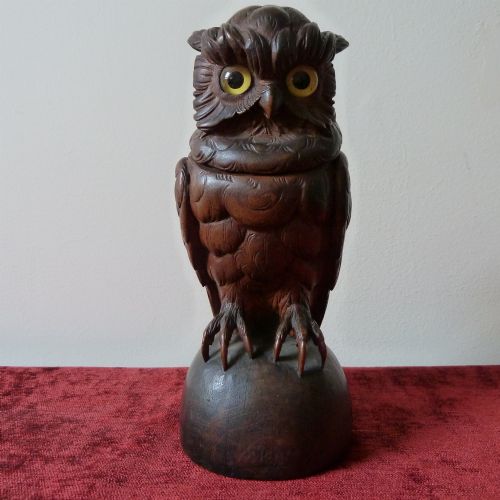
A carved figure stand combines sculptural artistry with a functional platform, placing carved figures and statues directly onto pedestals, socles, or fitted bases. Pieces range from life-size Venetian floor lamps and Black Forest animal carvings to smaller Oriental jade and hardstone sculptures resting on bespoke timber supports.
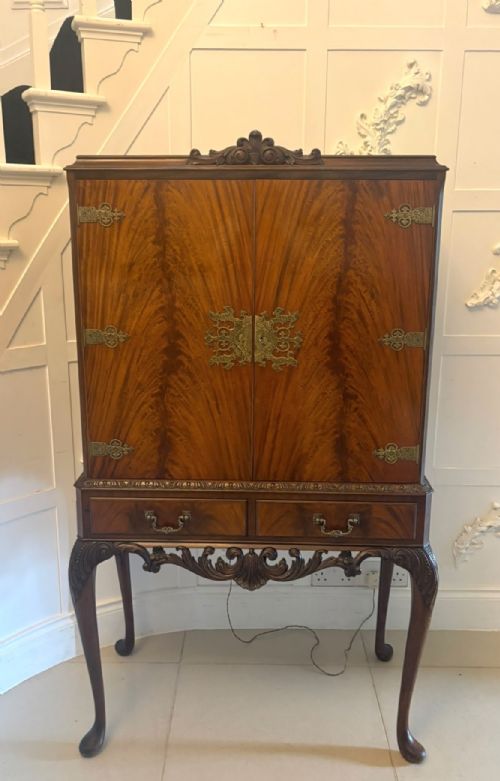
The form stretches across the nineteenth and twentieth centuries, taking inspiration from Victorian, Qing Dynasty, and Art Nouveau aesthetics. You will encounter everything from floor-standing architectural supports and caryatid pedestals to table-top bookends and illuminated cocktail cabinets on raised legs.
Originating from diverse traditions including European folk art, Kashmiri craftsmanship, and Japanese wood carving, these items serve multiple household roles. They function as candleholders, planters, inkwells, and independent display bases designed to elevate artistic objects.
Materials and construction methods
Carved timber forms the foundation of these works, utilising varied woods such as walnut, limewood, oak, mahogany, and dense imported hardwoods. Artisans shaped these materials using traditional hand-carving techniques, sometimes adding polychrome paint, gold leaf, or lacquer finishes to accentuate the decorative surfaces.
Many items incorporate contrasting elements, pairing carved wooden or stone figures with brass, glass, iron, or marble supports. Jade, carnelian agate, and rose quartz appear as carved subjects mounted securely onto fitted wooden stands tailored to the contours of each piece.
Carved Figure Stand Retail Price Guide 2026
Typical asking prices for carved figure stand among the pieces listed under this phrase on Sellingantiques today, from the lower quarter to the upper quarter. They describe what is for sale here now, not the wider market.
Materials appearing across the inventory include walnut, brass, glass, carved wood, gold leaf, and lacquer.
Judging the standard of workmanship
Quality rests primarily in the depth, precision, and expressiveness of the carving itself, distinguishing fluid, lifelike anatomical and textural detail from stiff or generic execution. The integration between the carved figure and its supporting base indicates the level of bespoke design invested in the piece.
The choice and preservation of materials dictate longevity and visual appeal, with well-figured timbers, undamaged hardstones, and original surface treatments commanding greater appreciation. Proportions remain crucial, ensuring the vertical lift of the stand complements rather than overpowers the sculptural subject atop it.
The Carved Figure Stand Glossary
- Socle
- A short plinth or pedestal acting as a foundational support for a bust, statue, or candlestick. It elevates the carved subject off the ground or tabletop.
- Caryatid
- A sculpted female figure serving as an architectural support taking the place of a column, pier, or pilaster. They frequently appear on pedestals and architectural stands.
- Hardwood
- Dense timber derived from broad-leaved trees, often utilised for structural stands and intricate oriental carvings due to its durability. Examples include walnut, mahogany, and specific Asian varieties.
- Blackamoor
- A European decorative art style depicting figures in exoticised attire, often rendered in carved and painted wood as torchières, tables, or lamp stands. These pieces date predominantly to the nineteenth and early twentieth centuries.
Carved Figure Stand: Frequently Asked Questions
What is a carved figure stand used for?
These items serve primarily to elevate sculptural objects, lamps, or plants while introducing ornamental figures into a room. They function as both structural furniture bases and independent decorative sculptures.
Depending on the design, they also incorporate secondary uses such as holding books, lighting rooms as floor lamps, or supporting display bowls.
How do I care for wooden figure stands?
Keep carved wooden items away from direct heat sources and strong sunlight to prevent the timber from drying out or splitting. Dust regularly with a soft, dry cloth and avoid harsh chemical polishes.
For pieces with gilt or painted surfaces, gentle dusting is particularly important to preserve the original finish.
Are these stands purely decorative?
While many pieces prioritise artistic carving, numerous examples are designed with practical utility in mind. Items frequently double as side tables, smoking stands, plant holders, or architectural pedestals.
Others incorporate fitted containers for specific functions, such as inkwells, match strikers, or cocktail storage.
How can I tell the period of a carved stand?
Dating relies on examining the wood species, tool marks, stylistic conventions, and any signatures or registration marks present. Victorian and nineteenth-century pieces often feature heavier revival styles or dark walnut, whereas later twentieth-century works lean towards simplified forms or distinct regional materials.
Comparing the joining techniques and wear patterns helps confirm the age of the timber and base structure.