
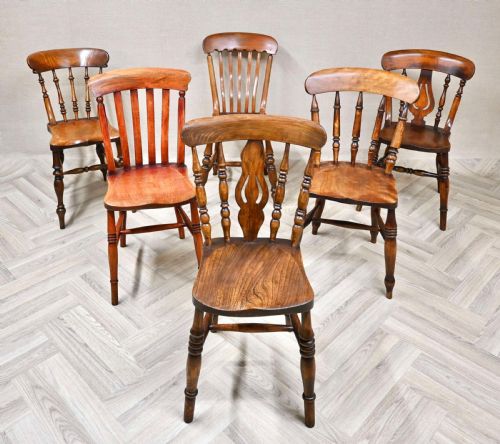


Carved Elm Seat
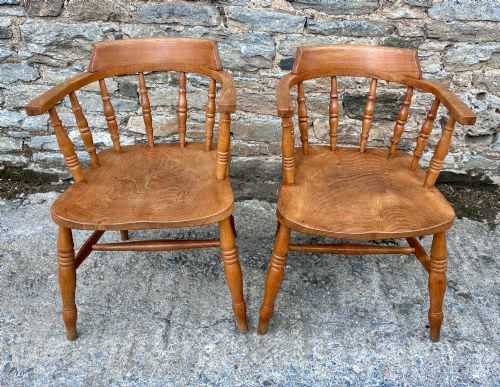
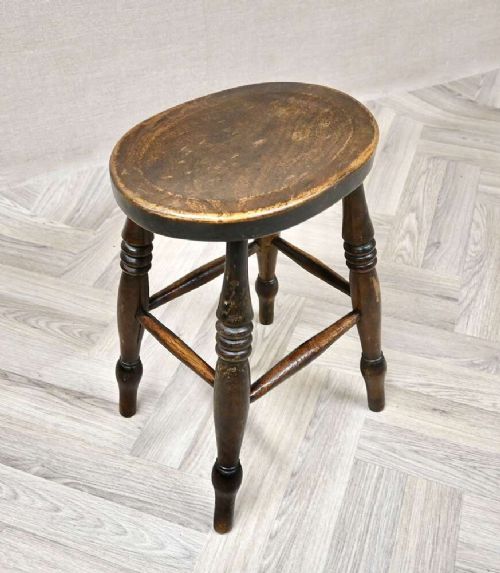
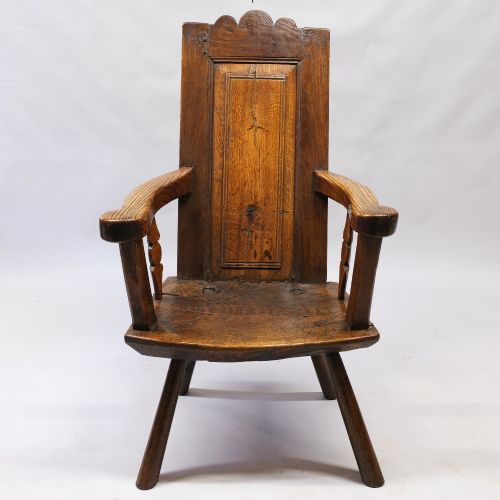
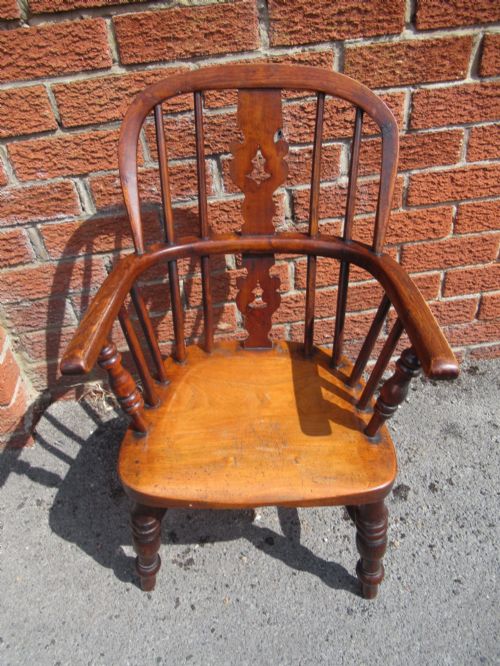
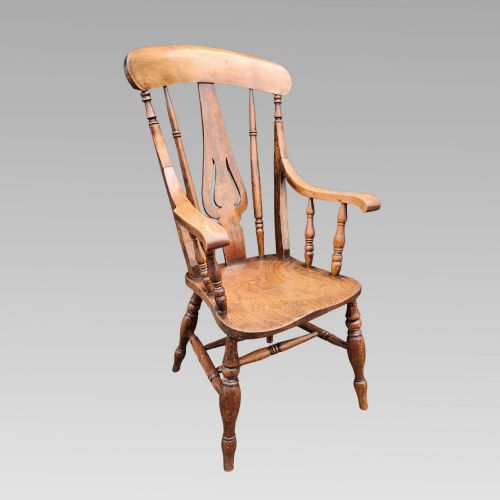
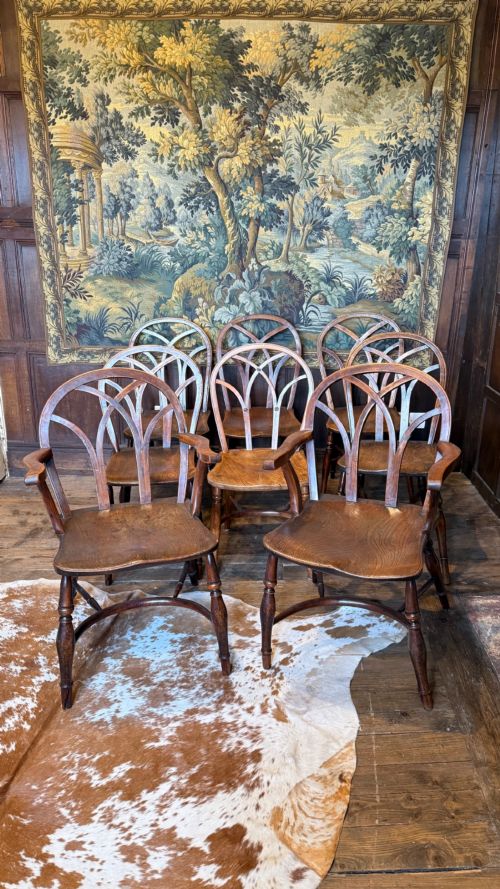
A carved elm seat brings robust timber character to a room, offering sturdy seating in armchairs, Windsor forms and kitchen stools.
Carved Elm Seat
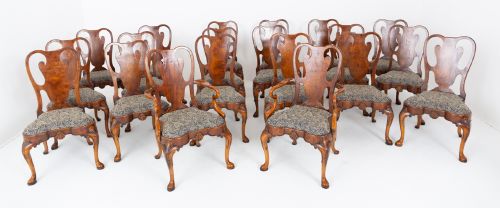
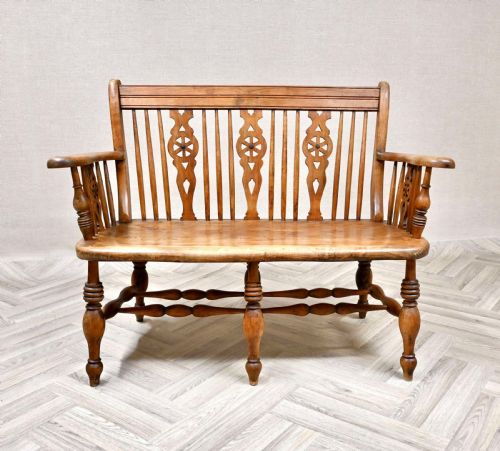
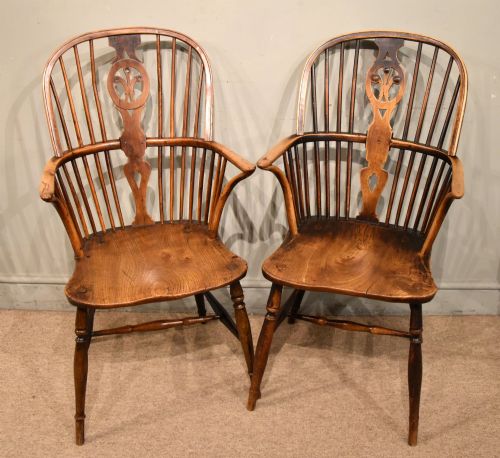
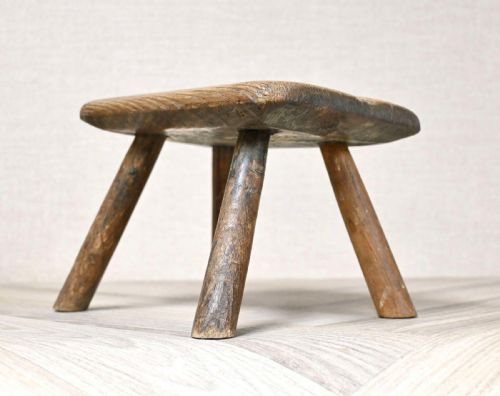
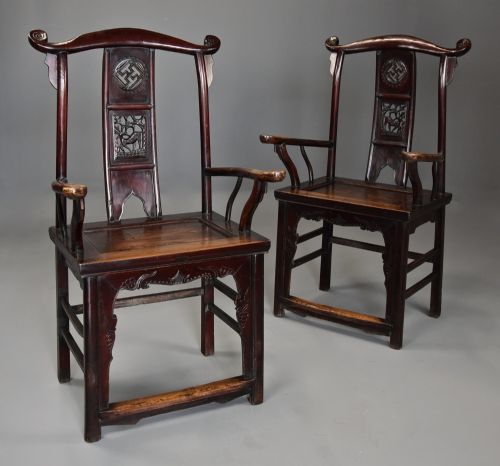
A carved elm seat appears across diverse seating forms, ranging from country armchairs and Windsor chairs to low stools, window benches and dining sets. Buyers seeking a carved elm seat encounter regional English vernacular pieces alongside Chinese yokeback armchairs and benches from the nineteenth and eighteenth centuries.
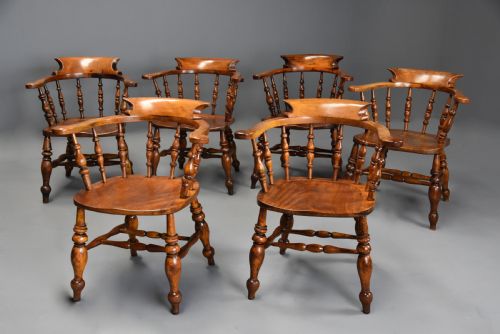
Makers shaped these seats for utility in farmhouse kitchens, reception halls and dining rooms. The selection includes high back armchairs, smokers bows, child chairs and long settles constructed during the Georgian, Victorian and Regency periods.
English country styles dominate the selection, accompanied by Gothic Revival designs, Queen Anne proportions and Qing Dynasty Chinese forms. Elm combines frequently with beech, ash, yew and fruitwood in regional Windsor framing.
Assessing the Pieces
Quality rests in the depth of timber figure and the integrity of the original construction. Burr elm grain and deep patination elevate standard seating into notable examples of cabinet making.
Proportion and comfort define the better items, where carved saddle seats match the organic movement of the supporting spindles and arms. Original surface finishes without excessive modern restoration preserve historical value.
Elm frequently pairs with ash, beech, oak, and yew wood in regional Windsor chair construction.
Fred Walker Rockley
The Carved Elm Seat Glossary
- Windsor chair
- A chair built with a solid wooden seat into which the legs and back spindles are separately bored and wedged. This method creates a sturdy construction common in country seating.
- Burr elm
- A growth deformity in elm trees that produces dense, swirling grain patterns. Cabinet makers prize this timber for decorative seats and desk tops.
- Saddle seat
- A wooden seat base carved with hollows and contours to fit the sitter. It provides ergonomic comfort in vernacular chairs.
- Yokeback armchair
- A traditional Chinese chair style featuring a top rail that curves outward like a yoke. These pieces often employ elm or carved hardwood.
- Smokers bow
- A low-backed Windsor armchair with a continuous curved arm rail. It gained popularity in nineteenth-century provincial settings.
Carved Elm Seat: Frequently Asked Questions
How do I care for a carved elm seat?
Clean the timber using a dry or barely damp cloth to remove dust from the carved grain. Apply traditional beeswax occasionally to nourish the wood and maintain its surface sheen.
Keep wooden seating away from direct heat sources and rapid temperature shifts to prevent timber shrinkage or splitting in the solid seat planks.
Are these chairs comfortable for daily use?
Vernacular chairs feature saddle-shaped wooden bases carved to fit the body, providing surprising support for seating. Adding loose cushions can increase comfort during longer periods at a dining table or desk.
Many historic examples were built for daily utility in farmhouses and kitchens, meaning their robust frames handle regular sitting without difficulty.
What is the difference between English and Chinese elm chairs?
English elm pieces typically follow country Windsor or vernacular kitchen designs with turned spindles, ash legs and saddle seats. They reflect rural domestic life across Georgian and Victorian counties.
Chinese elm examples display clean architectural lines, yokeback profiles and frequently retain red lacquer finishes. They demonstrate distinct Eastern joinery traditions from the nineteenth century.
How do I identify a nineteenth-century elm chair?
Examine the construction methods beneath the seat, where hand-turned spindles, wedge joints and adze marks indicate older hand tool work. Tool chatter and minor irregularities reveal manual production rather than modern factory milling.
Check the timber patination and wear patterns around the armrests and footings. Genuine age shows natural softening of edges and deep colour in the exposed grain.