




Carved Ebonised Desk
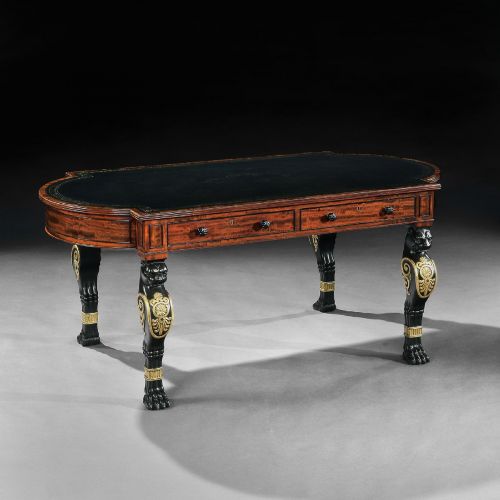
These carved ebonised desks combine dark timber and detailed carving to create a striking workspace that grounds a room.
Carved Ebonised Desk
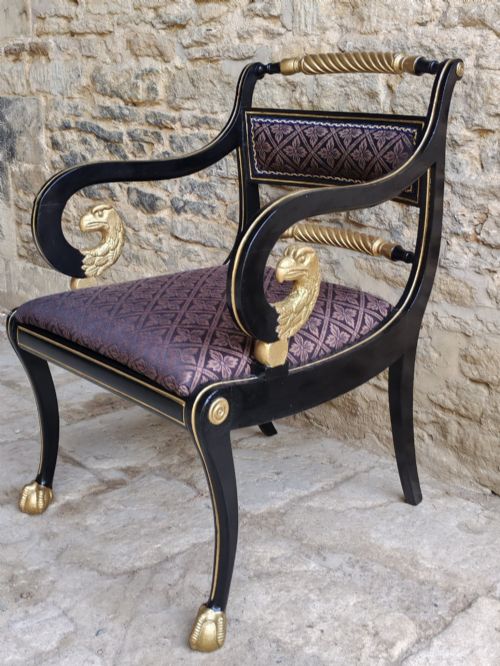
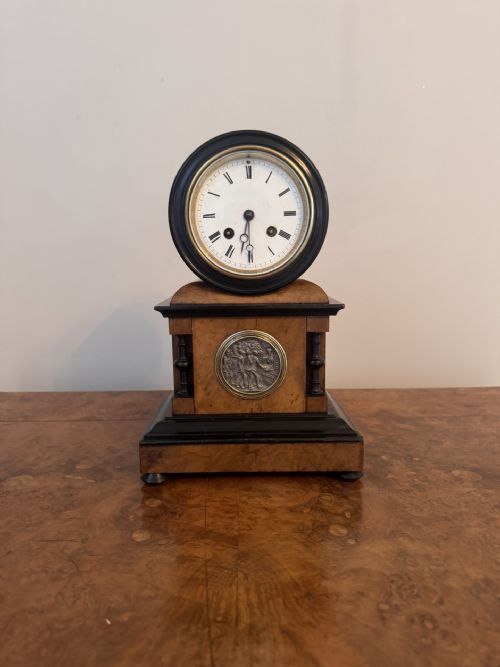
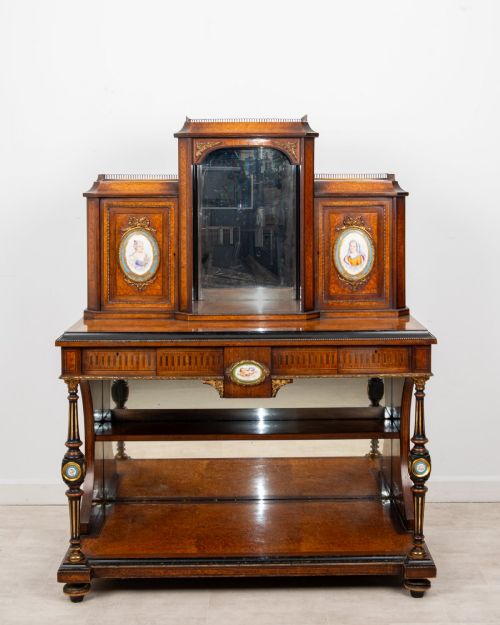
A carved ebonised desk is a workspace finished in a dark, blackened stain that mimics ebony, often highlighted with carved details. These pieces span periods from the nineteenth century into the Edwardian era, showing influences such as the Aesthetic movement and nineteenth century revival styles.
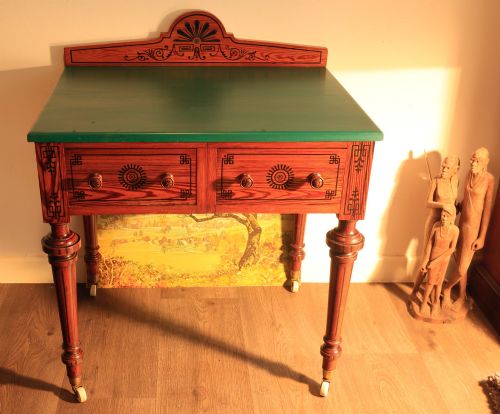
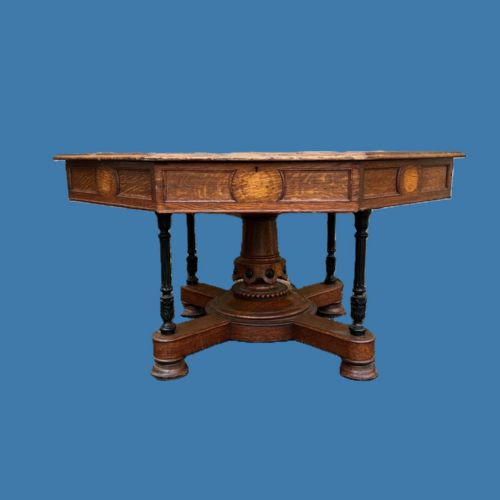
You will encounter forms ranging from compact writing tables and kneehole desks to elaborate bonheur du jour writing desks. The selection also includes related seating and library tables that share the same dark ebonised finish and carved craftsmanship.
What varies in quality
The finesse of the carving distinguishes standard production from exceptional examples, separating mechanically stamped details from crisp, hand-chiseled motifs. Artisanal execution in the depth and movement of the carved woodwork defines the upper tier of these pieces.
Material selection and secondary wood choices also drive distinctions across the range. Superior pieces employ finely figured timbers beneath the ebonising and incorporate high quality brass mounts, porcelain plaques, or fitted leather writing surfaces.
The listings span the eighteenth, nineteenth, and early twentieth centuries, featuring materials such as ebonised wood, burr walnut, brass, leather, and fabric.
The Carved Ebonised Desk Glossary
- Ebonised
- Wood stained or painted black to imitate costly ebony timber. This finish gained immense popularity during the nineteenth century across various revival styles.
- Bonheur du jour
- A light lady's writing desk featuring a small cabinet or set of drawers on the upper surface. These desks often include delicate carving and specialised writing compartments.
- Parcel gilt
- Wood or metal partly covered with gold leaf or gilt paint. This technique highlights carved details against a dark ebonised background.
- Kneehole desk
- A freestanding desk featuring a central recess for the user's knees, flanked by pedestals of drawers. This form provides substantial surface area and storage.
Carved Ebonised Desk: Frequently Asked Questions
How do I care for an ebonised desk?
Dust regularly with a soft, dry cloth to protect the dark surface from abrasive particles. Avoid using harsh chemical cleaners or silicone polishes that can degrade the ebonised finish over time.
Maintain stable humidity levels in the room to prevent the underlying timber from expanding or contracting. Treat the inset leather writing surface with appropriate specialised leather balms if necessary.
What is an Aesthetic movement desk?
An Aesthetic movement desk reflects the late nineteenth century philosophy of art for art's sake, favouring form and decorative surface over heavy historicism. These pieces often showcase ebonised finishes paired with incised carving and Japanese-inspired motifs.
They represent a distinct shift away from mainstream Victorian bulk towards lighter, more artistic furniture designs.
Can I use these antiques daily?
Most of these desks are structurally robust enough for everyday office work or writing tasks. Ensuring the joints remain stable and protecting the writing surface will preserve their condition during regular use.
Using blotters or pads helps shield antique leather or wood surfaces from ink and daily wear.
How do I date an ebonised desk?
Examine the secondary woods, construction joints, and hardware styles to determine the period of manufacture. Nineteenth century pieces often show hand-cut dovetails and specific drawer construction methods unique to the era.
Stylistic cues, such as Aesthetic movement incising or Victorian proportions, provide further context for dating the piece accurately.