

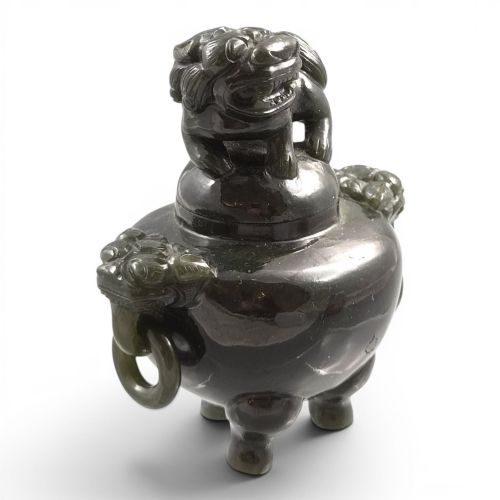


Carved Dog Head
These carved dog head pieces bring personality and craft into domestic spaces through spirited canine portrayals.
Carved Dog Head
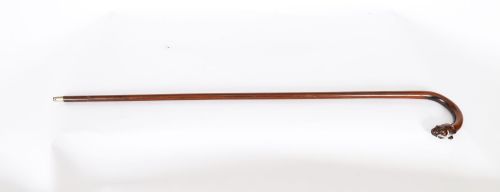
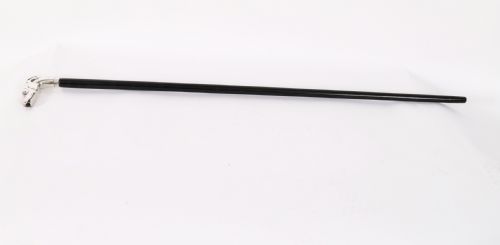
A carved dog head takes many functional and decorative forms, appearing most frequently on wooden walking sticks, novelty boxes, and furniture terminals.
The selections here span the Victorian and Edwardian periods, with Black Forest wooden carvings and French silver mountings representing the primary origins.
Collectors encounter everything from desk tidy inkwells and tobacco boxes to architectural panels and armchair arms depicting hounds, terriers, and spaniels.
Materials and construction
Carvers shaped walnut, oak, pine, and ebonised wood using traditional hand gouges to capture fur texture and distinct canine expressions.
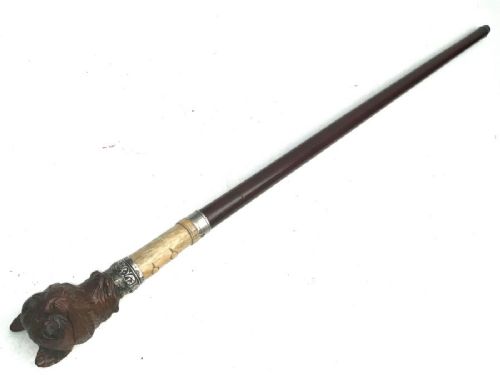
Some pieces incorporate contrasting materials, pairing carved wooden heads with glass eyes or silver collars to enhance realism.
Carved Dog Head Retail Price Guide 2026
Typical asking prices for carved dog head among the pieces listed under this phrase on Sellingantiques today, from the lower quarter to the upper quarter. They describe what is for sale here now, not the wider market.
Several wooden hounds gaze outward with tiny glass eyes.
Quality differences in carving
Superior examples demonstrate anatomical precision in the muzzle and ears, whereas simpler pieces rely on basic geometric shaping.
Depth of relief and proportional balance separate standard decorative items from works with fine expression.
The Carved Dog Head Glossary
- Black Forest
- A style of wood carving originating from the Swiss and German border region, famous for realistic animal studies.
- Walking stick
- A traditional support cane featuring an integrated carved handle shaped as a hound or terrier.
- Inkwell
- A small desk container for holding writing ink, often incorporated into hinged wooden dog head boxes.
- Hardstone
- A semi-precious mineral material such as dark green jade used for carved vessels.
Carved Dog Head: Frequently Asked Questions
What were carved dog head boxes used for?
These lidded containers served practical purposes on desks and tables, holding small items like tobacco or writing accessories.
The hinged heads lifted to reveal recessed compartments while displaying elaborate animal carvings to guests.
How do I identify Black Forest carvings?
Black Forest pieces are characterised by deep, naturalistic wooden rendering, frequently depicting dogs, bears, and foliage.
They originate from nineteenth-century workshops in Central Europe known for realistic animal studies.
Are walking sticks with dog heads sturdy?
Canes and walking sticks with carved wooden or silver handles were built for actual use during the Victorian era.
The durability depends on the joinery between the handle and the shaft, as well as the underlying timber.
What woods were used for these sculptures?
Carvers utilised dense timbers such as walnut, oak, and pine that could hold sharp details without splitting.
Darker patinations were often achieved through polishing or selecting specific heartwoods.