




Carved Dark Wood Bust
A carved dark wood bust brings depth and character to a room, ranging from folk art figures to classical portraits.
Carved Dark Wood Bust
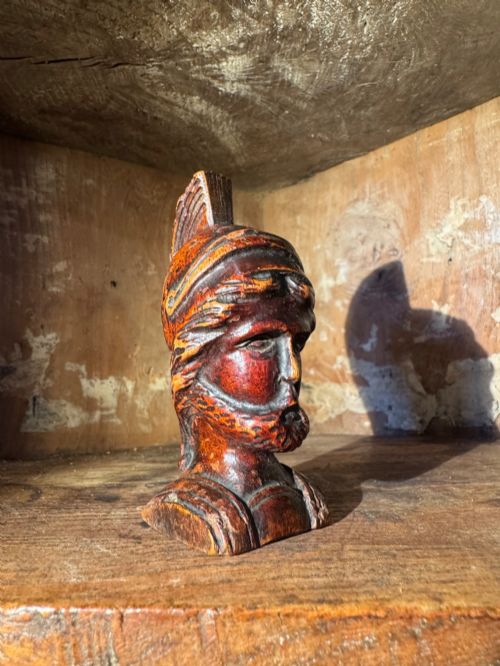
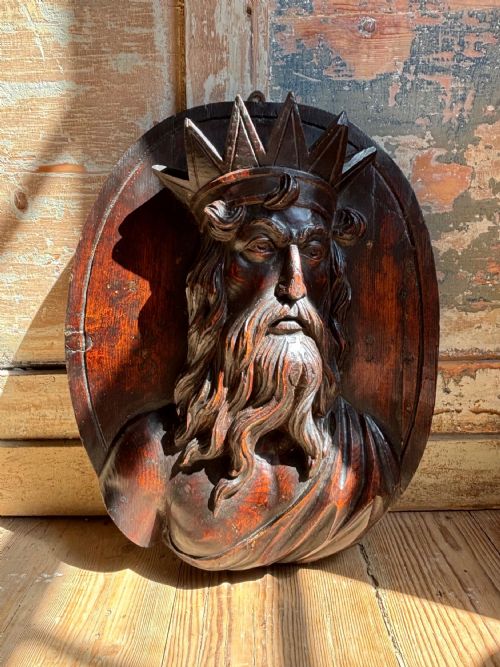
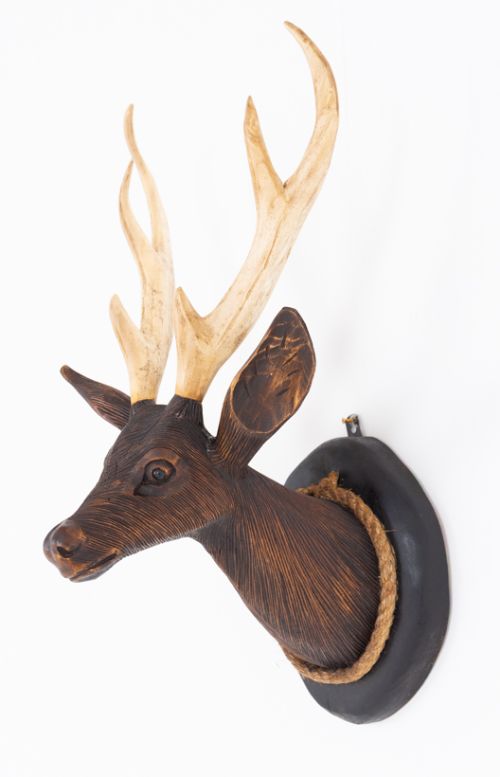
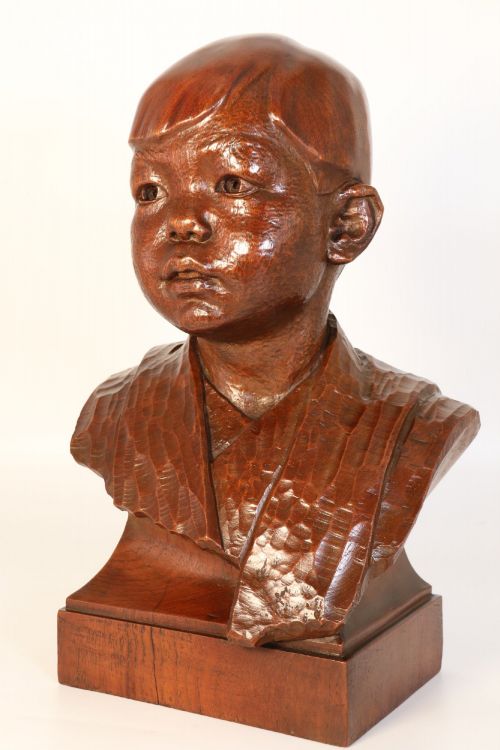
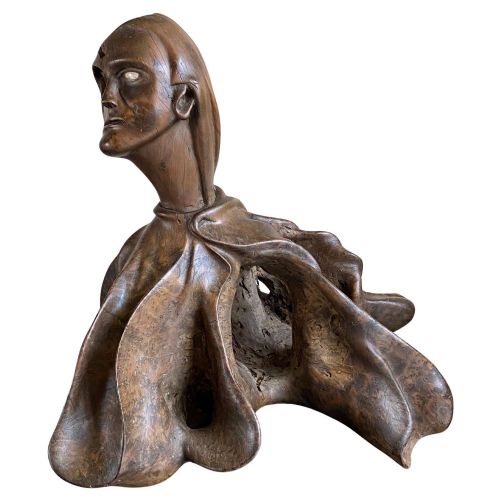
A carved dark wood bust captures human or animal forms in three dimensions, focusing on the head and shoulders. These sculptures emerge from diverse traditions, spanning European portraiture, ecclesiastical subjects, and African tribal art. When searching for a carved dark wood bust, buyers encounter pieces that function as independent sculptures or architectural elements.
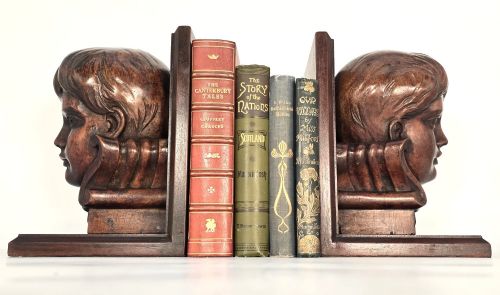
The materials vary across centuries, utilising dense timbers like mahogany, walnut, oak, and yew burr. Formats include life-size sculptures, wall plaques, and bookends originating from the seventeenth century through to the early twentieth century. These objects reflect the sculptural preferences of their respective periods, encompassing Victorian gothic revivals, Black Forest animal carvings, and tribal reliquary guardian heads.
Materials and construction methods
Carvers shaped these sculptures from hardwoods such as mahogany, walnut, and oak, selecting timber for its density and grain. Artisans utilised hand chisels and gouges to define facial expressions, hair textures, and drapery, leaving tool marks that reveal the handmade nature of the piece. Some works incorporate applied finishes, pigments, or stains to enhance the dark tones of the wood.
Certain objects integrate mixed elements, such as fruitwood joined to oak, or combine carved timber with surface treatments like gold leaf. Workshops in regions from the Black Forest to West Africa employed distinct regional toolsets and timber selections, resulting in varied surface patinas and structural forms.
Among the solemn historical figures and tribal guardians sits a charming carved wooden dog inkwell.
Distinguishing quality in carved busts
The standard of a carved dark wood bust rests upon the anatomical precision and expressive depth achieved by the carver. Superior examples demonstrate a confident handling of proportion and musculature, whereas simpler pieces rely on basic geometric blocking and minimal surface detail. The treatment of hair, eyes, and facial contours separates skilled workshop production from routine trade items.
Material selection and age also dictate standing, with tightly grained hardwoods holding crisp details far longer than softer or more porous woods. The preservation of the original surface patina, without aggressive modern cleaning or stripping, maintains the visual integrity expected by collectors.
George Henry Paulin RBS·Boudewijn Tuerlinckx
The Carved Dark Wood Bust Glossary
- Reliquary guardian head
- A carved sculptural figure placed upon a container holding ancestral relics in African tribal art. These pieces were designed to ward off malevolent forces.
- Black Forest style
- A distinct school of nineteenth-century wood carving originating from Switzerland and Germany. It is characterised by highly realistic depictions of animals and natural subjects.
- Folk art
- Objects created by self-trained or traditional artisans outside academic traditions. These carvings often employ local timbers like yew burr with direct, unpretentious methods.
- Gothic Revival
- An architectural and artistic movement from the nineteenth century that revived medieval forms. Carvings from this period frequently draw upon ecclesiastical and monastic iconography.
- Patina
- The surface sheen and colour acquired by wood through age, handling, and exposure to light. A desirable patina shows organic depth rather than artificial treatment.
Carved Dark Wood Bust: Frequently Asked Questions
What periods do these busts come from?
The pieces span from the seventeenth century through the Victorian era up to the early twentieth century. Makers worked across various regional styles and traditional movements.
Specific dates depend on the origin of the carving, ranging from eighteenth-century plaques to early twentieth-century tribal art and European portraiture.
How were these wooden busts displayed?
Sculptures of this type stood upon pedestals, tabletops, or furniture surfaces as decorative interior elements. Some versions served specific functions as bookends or architectural wall plaques.
Larger formats often required dedicated stands or brackets to support their weight within domestic and institutional settings.
How do I care for dark wood carvings?
Maintenance involves keeping the timber away from direct heat sources and extreme humidity fluctuations to prevent splitting. Dusting with a soft, dry cloth preserves the finish.
Avoid applying modern silicone polishes that can build up and alter the natural patina of the antique surface over time.
What woods were commonly used?
Carvers utilised dense hardwoods such as mahogany, walnut, oak, and yew burr. These timbers provided the structural stability needed for detailed three-dimensional work.
Secondary woods and fruitwoods also appear in specific regional workshops and composite sculptural plaques.