


Carved Dark Wood Bed
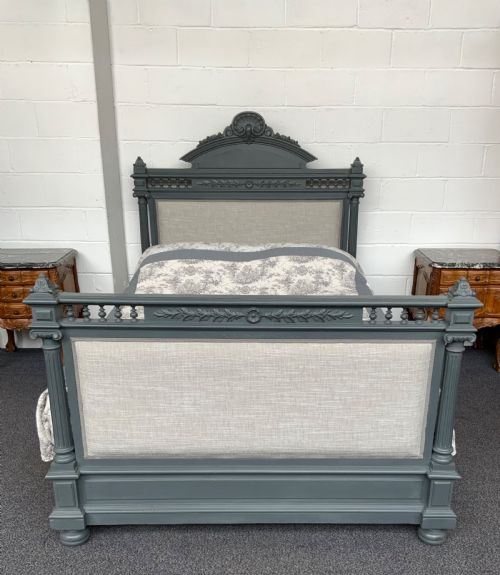
A carved dark wood bed anchors a room with substantial presence, bringing deep grain and historic craftsmanship into a sleeping space.
Carved Dark Wood Bed
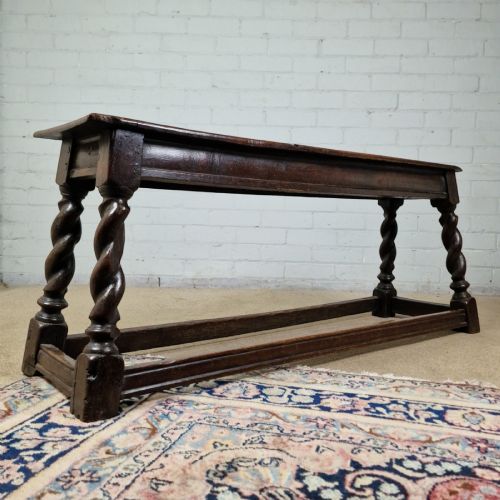
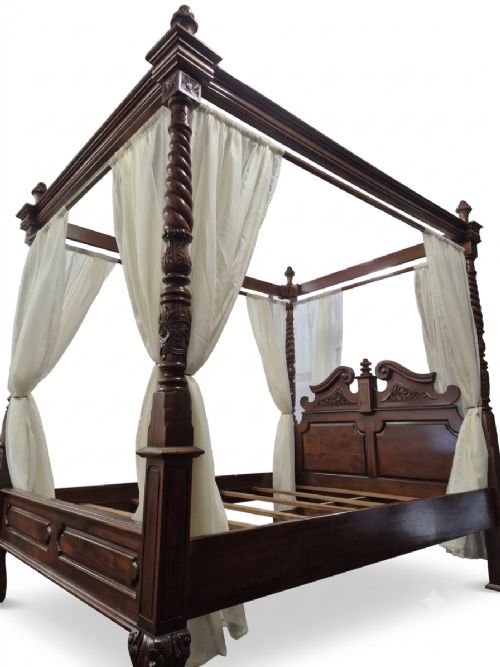
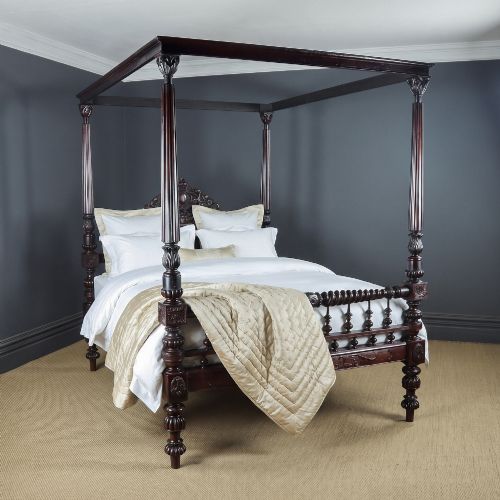
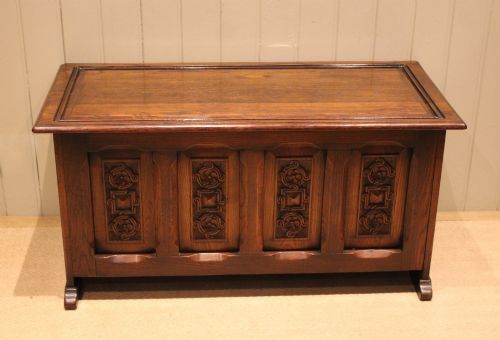
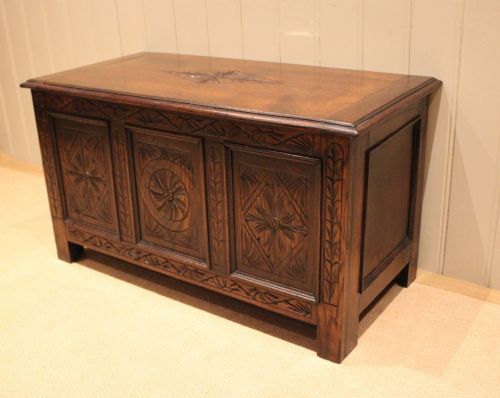
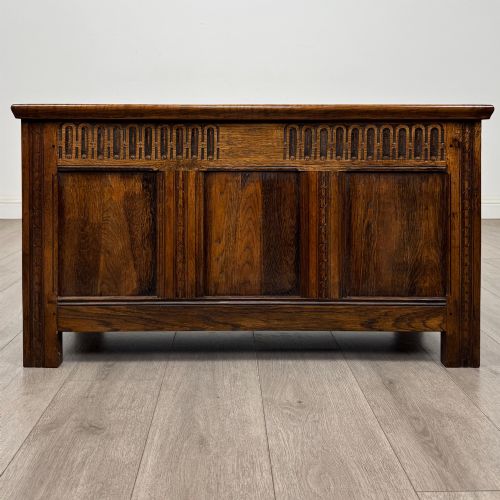
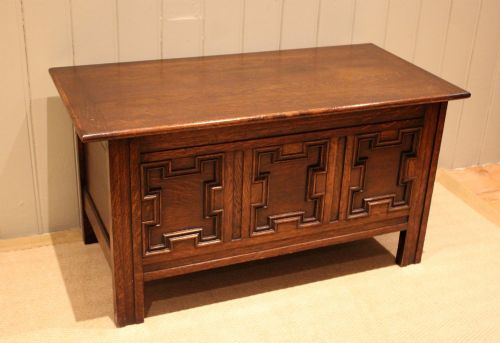
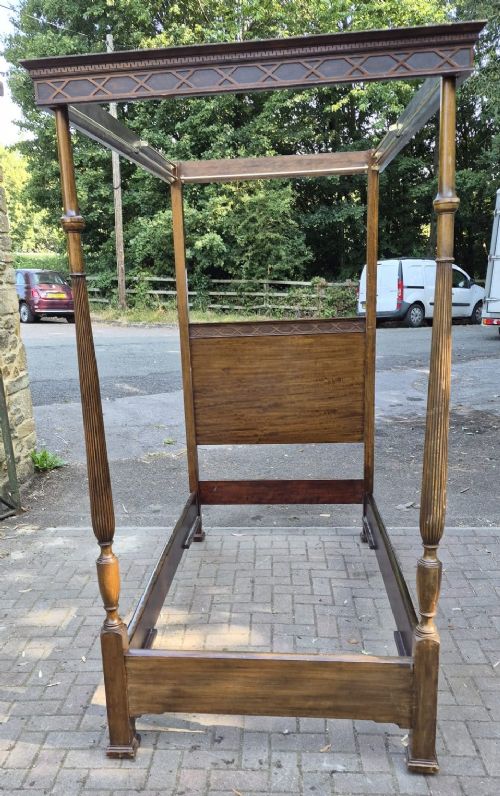
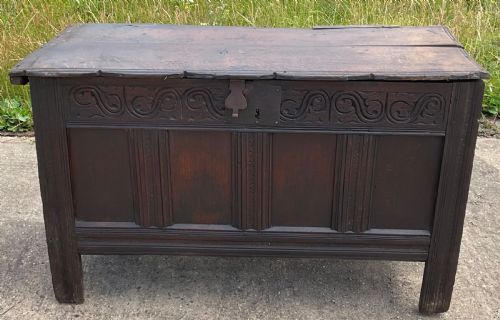
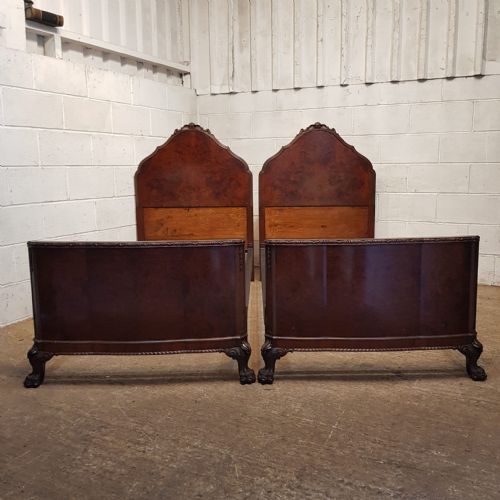
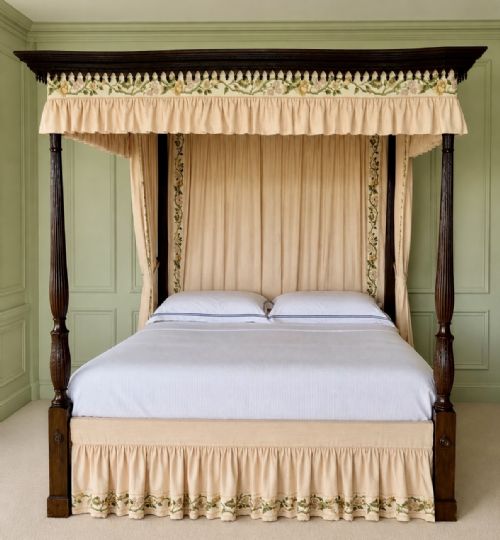
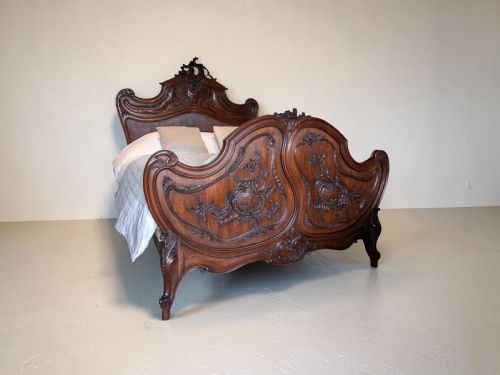
Buyers searching this phrase encounter prominent vertical posts, tester frames, and panelled headboards reflecting Georgian, Victorian, Regency, and Jacobean styles. Alongside full bed frames and four-poster beds, related storage forms like carved oak coffers and blanket chests frequently appear within the listings.
Origin points stretch across British, French, Chinese, and Portuguese workshops, yielding diverse regional interpretations of heavy timber carving. Whether an eighteenth-century oak piece or a nineteenth-century tester bed, each format utilises dark woods to create a strong architectural focal point.
What varies in quality
Quality rests in the crispness and depth of the hand carving, where skilled execution distinguishes refined mouldings and spirited motifs from plain surfaces. The choice of timber also dictates longevity, with dense solid oak or figured mahogany holding up far better than secondary woods under structural stress.
Proportion and architectural integrity separate exceptional sleeping furniture from simpler utilitarian pieces, particularly in four-poster and tester formats where canopy posts must align with precise balance. Original timber surfaces untouched by aggressive modern stripping retain a superior colour and patination valued by collectors.
Howard and Sons
The Carved Dark Wood Bed Glossary
- Four poster bed
- A bed with four vertical posts supporting an upper canopy or tester frame. These grand structures often feature heavy carvings on the posts and headboards.
- Tester
- The wooden canopy or ceiling suspended above a four-poster bed. It sometimes incorporates decorative cornices or fabric drapery.
- Coffer
- A large wooden chest used historically for storage, frequently constructed from solid oak with carved panels. They share the same dark timber aesthetic found in many period bed frames.
- Mule chest
- A storage chest featuring one or more drawers at the base beneath a primary lift-top compartment. These pieces match the oak and mahogany materials seen in contemporary bed listings.
- Anglo-Indian
- Furniture made in India by local craftsmen to British colonial designs during the nineteenth century. These pieces utilise dense hardwoods and deep carved ornamentation.
- Patination
- The lustrous surface texture developed on old wood through decades of handling, polishing, and natural ageing. This quality highlights the depth of dark timbers.
Carved Dark Wood Bed: Frequently Asked Questions
What is a carved dark wood bed?
A carved dark wood bed is a substantial frame built from timbers like oak, mahogany, or walnut, featuring hand-carved ornamentation across headboards and posts. These pieces range from towering nineteenth-century four-posters to eighteenth-century regional designs.
Such furniture brings historical depth to a modern bedroom, offering architectural presence through traditional joinery and deep wood tones.
How do I identify the period of an oak bed?
Period identification relies on observing construction methods, carving styles, and the specific proportions of the posts and panels. Seventeenth and eighteenth-century pieces often display robust pegged joinery and hand-cut mouldings characteristic of early cabinetmaking.
Later nineteenth-century interpretations frequently revive earlier Jacobean or Georgian motifs while adapting to standard mattress dimensions.
Will a antique four poster bed fit a modern room?
Antique four-poster beds require careful measurement of ceiling height and floor space before placement. Many historic frames were built to older dimensions, though surviving examples often accommodate standard king or double mattresses.
Positioning the bed as the central feature of the room allows the vertical posts and tester canopy to balance the overall space.
How do I care for dark wood furniture?
Maintaining dark wood furniture involves applying occasional natural wax to nourish the grain and protect the finish from drying out. Avoiding direct sunlight and sudden temperature shifts preserves the historic patination of oak and mahogany.
Regular dusting with a soft, dry cloth prevents particulate accumulation without harming the antique polish.