

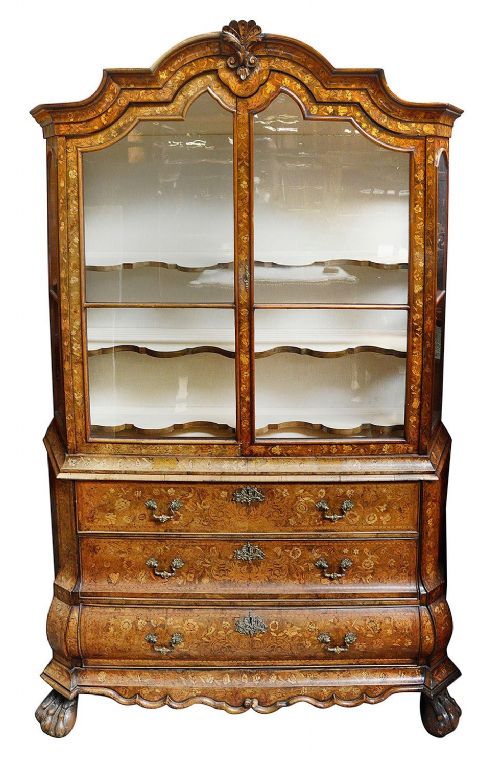


Carved Cresting Display Cabinet
A carved cresting display cabinet brings architectural depth and rich timber work to any room, holding precious collections with understated elegance.
Carved Cresting Display Cabinet
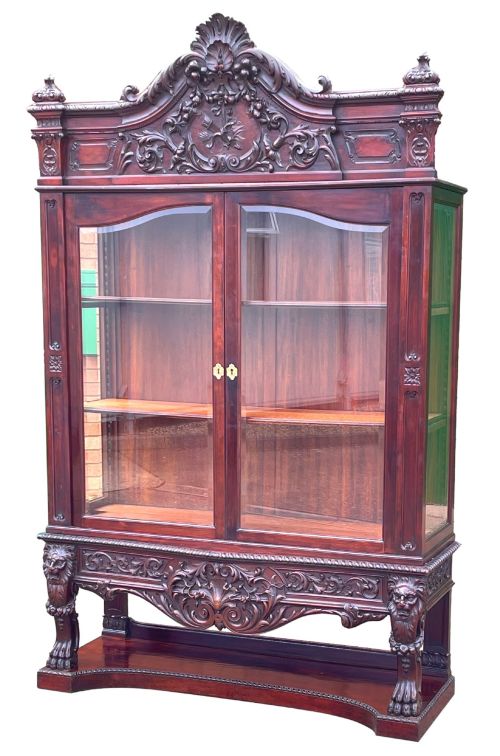
A carved cresting display cabinet is a piece of furniture designed to showcase treasured objects behind glazed doors while featuring decorative woodwork along its uppermost edge. These cabinets emerge primarily from the Victorian and nineteenth-century periods, spanning diverse international workshops and regional aesthetics.
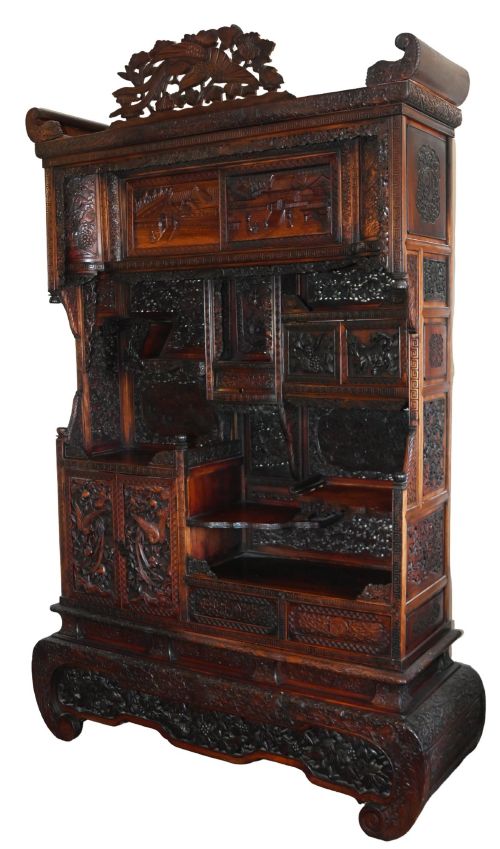
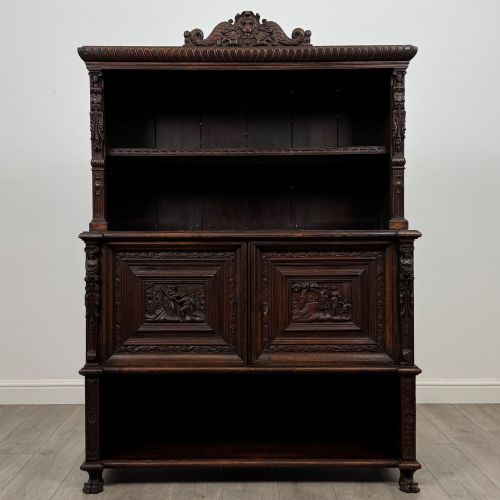
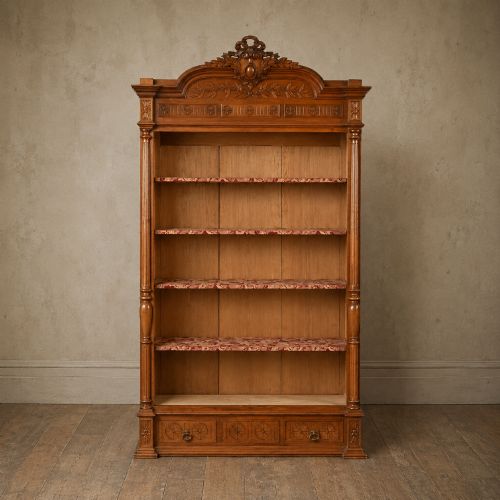
The items found here include traditional mahogany and walnut display cabinets alongside Dutch marquetry vitrines, French style cabinets, and intricately carved hardwood pieces from the Meiji period and Qing dynasty. Buyers encounter various forms ranging from tall library bookcases to compact hanging display cases and drinks cabinets.
Victorian examples dominate the selection, often rendered in solid oak, walnut, or rosewood with elaborate glazed fronts and ornate upper mouldings. Alongside these sit continental interpretations, combining regional timber choices with distinctive relief carving and architectural proportions.
How they were made
Cabinet makers utilised dense hardwoods such as mahogany, walnut, oak, rosewood, and amboyna, selecting timber for its grain pattern and structural stability. These woods were shaped into solid panels or employed as fine veneers over secondary timbers, especially in continental and Dutch marquetry pieces.
Glazing techniques required secure framing to support large glass panels, while brass hardware provided functional hinges and locks for doors. Crestings and decorative scenes were hand-carved directly into the timber, sometimes accented with gilding to highlight the relief work.
Carved Cresting Display Cabinet Retail Price Guide 2026
Typical asking prices for carved cresting display cabinet among the pieces listed under this phrase on Sellingantiques today, from the lower quarter to the upper quarter. They describe what is for sale here now, not the wider market.
Listings feature woods including mahogany, walnut, oak, rosewood, amboyna, and general hardwood, spanning the eighteenth to twentieth centuries.
What varies in quality
The depth and sharpness of the hand-carved cresting define the artistic ambition of a cabinet, distinguishing routine production from exceptional craftsmanship. Crisp relief work in the timber indicates skilled hand tool execution rather than mechanical shaping.
Selection of fine veneers, such as amboyna or intricate marquetry patterns, elevates the visual presence of the timber surfaces. The integration of quality brass fittings and well-fitted glazed doors completes the structural integrity of superior pieces.
The Carved Cresting Display Cabinet Glossary
- Cresting
- The decorative woodwork or ornamentation mounted along the topmost edge of a cabinet or mirror frame. This feature provides an architectural silhouette and draws the eye upward.
- Vitrine
- A glass-fronted cabinet designed specifically for displaying fine porcelain, curiosities, or collections. The term originates from the French word for glass.
- Marquetry
- The art of applying thin veneers of different woods, metals, or shells to a structure to form decorative patterns and pictures. It requires precise cutting and fitting of each individual piece.
- Etagere
- A piece of furniture consisting of a set of open shelves for displaying small objects or ornaments. These pieces often feature delicate upright supports and tiered platforms.
- Chiffonier
- A low sideboard or cabinet featuring drawers and cupboards, popular during the nineteenth century. They frequently include a raised shelf or back panel for display.
Carved Cresting Display Cabinet: Frequently Asked Questions
What is a carved cresting display cabinet used for?
These cabinets serve primarily to exhibit and protect collections of ceramics, glassware, silver, and curiosities behind protective glass doors. The enclosed shelving keeps dust away from delicate items while keeping them visible within a room.
Beyond simple storage, the architectural cresting and detailed woodwork act as a focal point in a dining room, drawing room, or hallway. They combine display utility with substantial decorative presence.
How do I care for a hardwood display cabinet?
Maintain the timber by keeping the cabinet away from direct sunlight and sudden temperature shifts, which can dry out older woods and veneers. Dust regularly with a dry, soft cloth and occasionally apply a quality beeswax to nourish the finish.
Avoid using silicone-based polishes or harsh chemical cleaners that can degrade antique surface patinas over time. Check the brass hinges and locks periodically to ensure smooth operation without forcing the doors.
How do I tell Victorian cabinets apart from earlier periods?
Victorian pieces often display heavier proportions, darker finishes, and eclectic revival styles ranging from Gothic influences to elaborate Rococo and Renaissance revivals. They frequently utilise dense machine-milled elements combined with hand-carved detailing.
Earlier eighteenth-century pieces, such as Dutch marquetry vitrines, typically exhibit lighter internal framing, intricate floral veneer work, and more subdued architectural lines. Examining the construction joints and timber selection helps clarify the period of origin.
Can these cabinets support heavy book collections?
Many larger examples function as open library bookcases or sturdy cupboards, engineered to bear the substantial weight of bound volumes. Shelves in these heavier formats are usually fixed or supported by robust timber battens rather than delicate brackets.
Display cabinets intended primarily for porcelain or glassware feature lighter internal shelving that suits delicate ornaments rather than dense rows of heavy books. Reviewing the internal shelf construction reveals whether a cabinet suits heavier items.