



Carved Crest Plaque
A carved crest plaque brings centuries of heraldry and bold woodwork straight to your walls.
Carved Crest Plaque
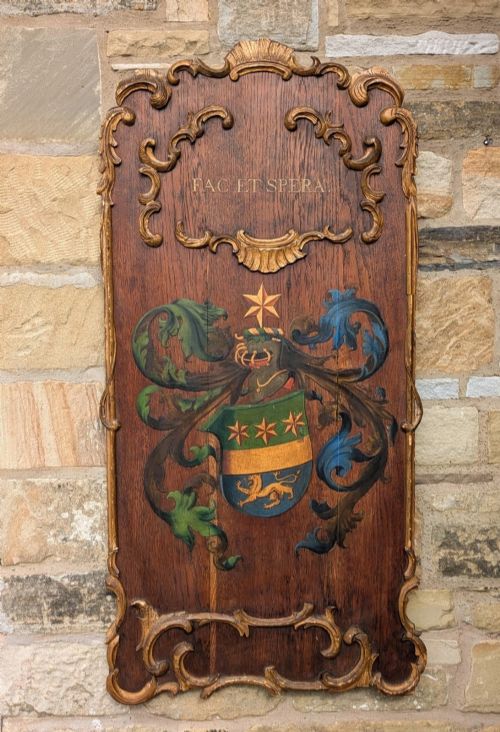
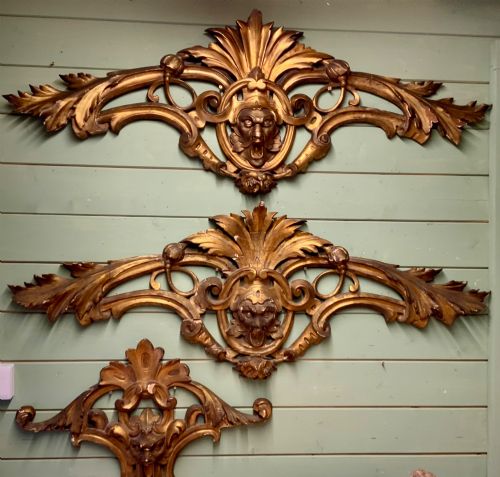
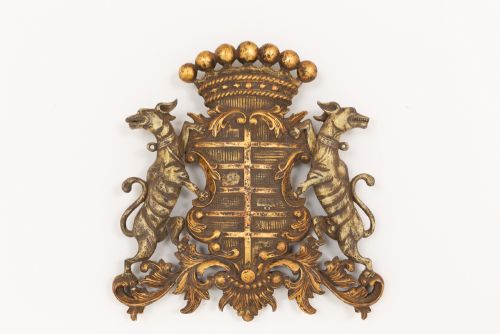
A carved crest plaque represents a distinct tradition of armorial display, architectural salvage, and heraldic woodwork found across domestic and public interiors. These pieces take the form of wall plaques, armorial shields, architectural fragments, and decorative panels designed to project lineage and identity.
The selections span centuries of craftsmanship, ranging from seventeenth-century Italian marble to nineteenth-century Gothic Revival oak and early twentieth-century fairground panels. Buyers most frequently encounter nineteenth-century walnut, oak, and painted hardwood panels featuring heraldic shields, marriage coats of arms, and family crests.
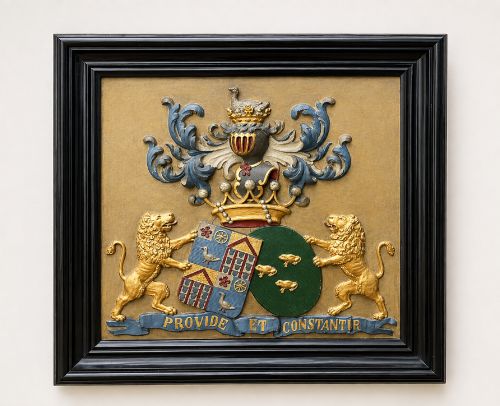
Originating from diverse European and colonial contexts, these objects serve as striking focal points in a room. Whether sourced from Dutch heraldic plaques, French wall carvings, or English carousel pieces, they carry tangible historical narratives.
Materials and methods
Makers relied heavily on dense hardwoods such as oak, walnut, and tiger oak, which allowed deep relief carving and structural stability over centuries. Artisans also utilised marble for monumental relief work, shaping stone into intricate heraldic markers.
Surface decoration frequently involved hand-applied paint, polychrome pigment, gesso, and gold leaf. Gilding and oil pigments enhanced the sculptural depth of coats of arms, accentuating the raised details of lions, shields, and scrolling foliage.
Carved Crest Plaque Retail Price Guide 2026
Typical asking prices for carved crest plaque among the pieces listed under this phrase on Sellingantiques today, from the lower quarter to the upper quarter. They describe what is for sale here now, not the wider market.
Some wooden lions carved centuries ago wear surprisingly amiable expressions, proving that historic heraldry occasionally possessed a sense of humour.
Markers of quality
The crispness and depth of the chisel work distinguish superior panels from simpler decorative items. Master carvers achieved clean undercutting and anatomical precision in heraldic beasts and foliage, whereas lesser examples display softer, flatter planes with minimal dimensionality.
The integrity of the original surface finish greatly influences the character of a piece. Retained polychrome pigment, genuine period gilding, and undisturbed patination on the timber indicate a high degree of preservation, whereas heavy overpainting obscures the original hand of the maker.
Nanninga Uitterdyke·Van Rijckevorsel Verheijen·Seton Family
The Carved Crest Plaque Glossary
- Armorial
- Relating to heraldry or armorial bearings. These designs display specific family coats of arms and genealogical symbols.
- Gesso
- A plaster-like mixture applied to wood surfaces as a base for gilding or painting. It creates a smooth ground for intricate surface decoration.
- Polychrome
- Painted or decorated in several colours. This technique brings life to carved wooden crests through historical pigments.
- Heraldry
- The system by which coats of arms and armorial bearings are devised, regulated, and displayed. It establishes lineage and historical identity.
- Architectural salvage
- Building elements rescued from older structures for reuse as decoration. Many wall plaques originate from this tradition of salvage.
Carved Crest Plaque: Frequently Asked Questions
How were these plaques originally displayed?
These pieces were typically mounted above fireplaces, within entrance halls, or integrated into the architectural woodwork of stately homes and public buildings. They served to mark family lineage, civic authority, or corporate identity.
Over time, many were removed during architectural alterations, surviving as standalone wall hangings or decorative panels in modern interiors.
What is the difference between an armorial shield and a panel?
An armorial shield is shaped specifically to mimic defensive armour bearing heraldic charges and family crests. A panel is generally a flat rectangular or shaped piece of wood carrying painted or carved heraldic decoration.
Both serve similar decorative and symbolic functions, but shields lean into sculptural three-dimensionality while panels often incorporate frames or architectural borders.
How do I care for a carved wooden crest?
Keep wooden and gilded surfaces away from direct sunlight and steady heat sources to prevent the timber from splitting and the gesso from cracking. Dust gently with a dry, soft cloth without applying liquid polishes or modern cleaning agents.
Maintaining a stable indoor humidity preserves both the historic wood and any fragile polychrome paint or gold leaf.
Can I identify the family from a crest?
Heraldic elements follow strict rules of design, meaning the lions, chevrons, and mottoes often correspond to specific historical families. Researching the specific surname or motto inscribed on the piece can frequently reveal genealogical records.
Marriage plaques often combine two distinct family coats of arms, offering specific clues regarding marital alliances and dates.