



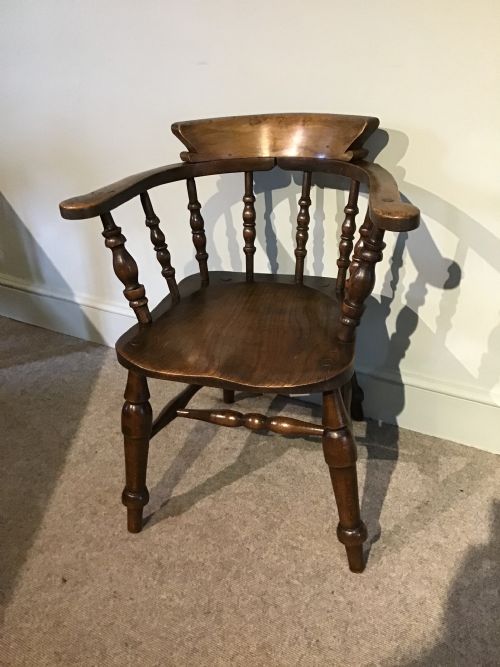
Carved Crest Desk Chair
A carved crest desk chair brings solid timber, supportive arms and detailed head rail work directly to your workspace.
Carved Crest Desk Chair
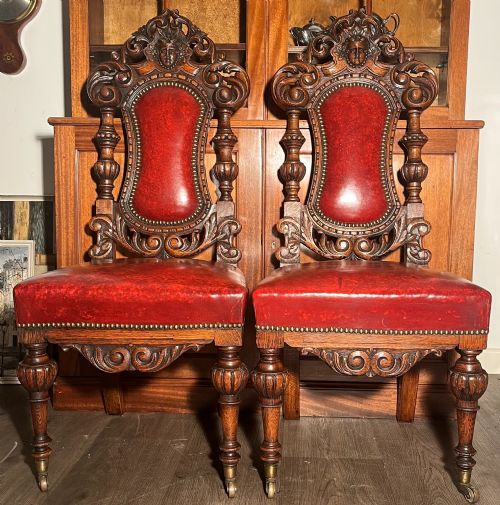
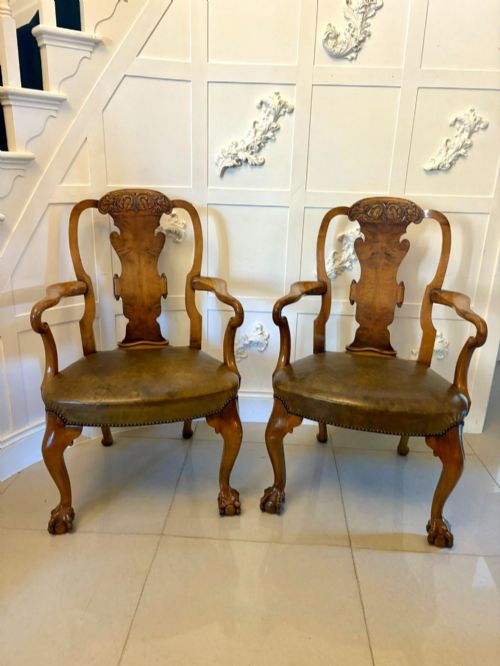
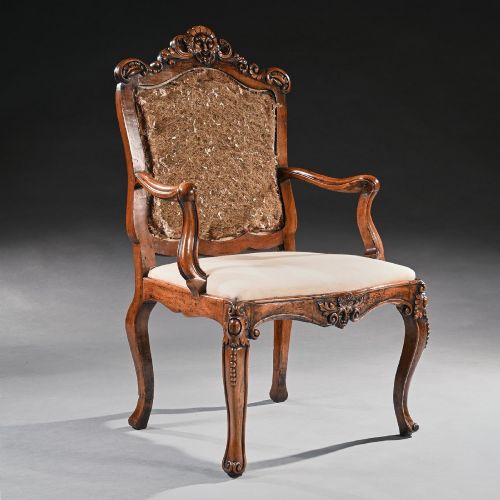
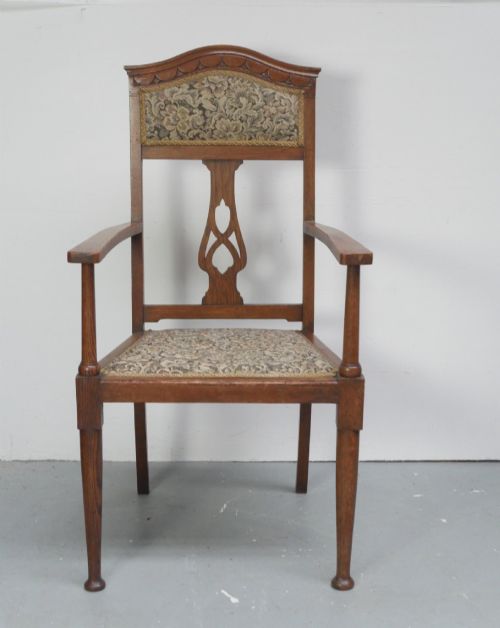
A carved crest desk chair sits at the intersection of practical workspace seating and decorative antique furniture. These pieces combine sturdy frames with distinct carved woodwork along the upper back rail.
The selections span multiple historical periods, including the eighteenth century, Regency era, Victorian period, and Edwardian years. You will encounter various forms ranging from library armchairs and smokers bows to corner chairs and formal carvers.
Common regional styles appearing in these listings include Italian Rococo, Arts and Crafts, Victorian Gothic Revival, and Georgian designs. Mahogany, oak, walnut, beech, and rosewood form the primary timber choices for these seating options.
Materials and construction methods
Makers shaped dense hardwoods like mahogany, walnut, and oak to build the primary structural frames. Artisans utilised traditional joinery methods to ensure the arms, legs, and back supports withstood daily use.
Carvers applied hand-chiselled details directly to the timber head rails and crests. Seating surfaces incorporated materials such as supple leather, woven cane, brass accents, and traditional fabric upholstery.
Carved Crest Desk Chair Retail Price Guide 2026
Typical asking prices for carved crest desk chair among the pieces listed under this phrase on Sellingantiques today, from the lower quarter to the upper quarter. They describe what is for sale here now, not the wider market.
One notable library chair arrives with documented historical provenance tracing straight back to the Earl of Lindsey.
Assessing quality and craftsmanship
The depth and crispness of the carved crest detail separate standard utilitarian seating from finer artistic examples. Sharp, well-defined lines in the timber ornament indicate skilled hand execution rather than basic mechanical shaping.
The choice of primary wood and the integrity of the original joints dictate structural longevity. Heavier, dense timbers paired with robust upholstery foundations represent the higher end of the surviving range.
The Carved Crest Desk Chair Glossary
- Crest rail
- The top horizontal member of a chair back, frequently featuring carved ornamentation. This part receives the most decorative attention in these designs.
- Bergere
- An enclosed upholstered armchair with a wooden frame where the sides are often filled with cane. This French style offers a lighter visual weight.
- Klismos
- An ancient Greek chair shape characterised by curved legs that flare outward and a concave backrest. Revival versions capture this graceful silhouette.
- Carver
- A traditional term for an armchair, typically designed to match a set of simpler dining side chairs. These provide elevated arm supports for the user.
Carved Crest Desk Chair: Frequently Asked Questions
What defines a desk chair?
A desk chair provides supportive seating specifically proportioned for writing tables and library desks. These pieces often feature sturdy armrests and stable wooden or upholstered bases.
Historical examples frequently combine practical utility with ornate decorative carvings along the upper back rail to suit formal home offices.
How do I date a chair?
Dating relies on examining the timber species, joinery techniques, and prevailing decorative styles of the period. For instance, heavy mahogany construction often points toward Georgian or Regency origins, while ebonised finishes align with later Victorian preferences.
Matching the specific carving motifs to documented historical eras helps narrow down the exact decade of manufacture.
Are these chairs comfortable?
Most antique versions offer firm support through solid wooden frames and traditional padding methods. Many include padded leather or fabric seats designed for extended periods of reading and writing.
Armrest heights and back angles vary depending on whether the piece was built for a grand library or a compact writing bureau.
What woods were used?
Cabinetmakers primarily utilised durable hardwoods such as mahogany, oak, walnut, and rosewood for structural stability. Beech and ebonised timbers also appear frequently across various nineteenth-century examples.
These materials provided the necessary strength for intricate hand-carved crests and weight-bearing legs.