

Carved Column Lamps
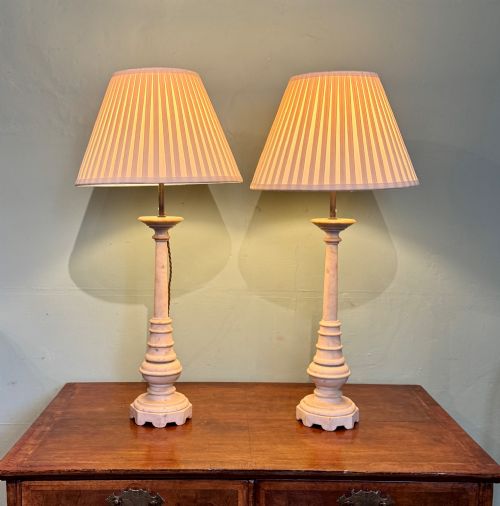
Carved column lamps bring vertical presence and rich timber or gilded detail to a room, drawing the eye upwards through architectural form.
Carved Column Lamps
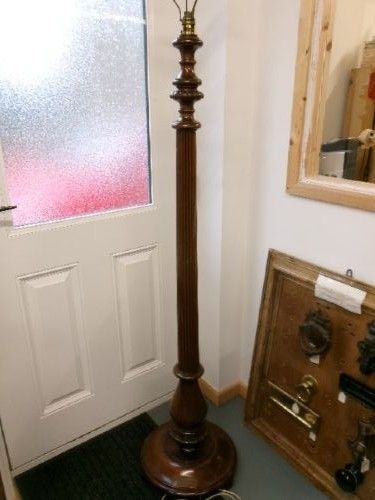
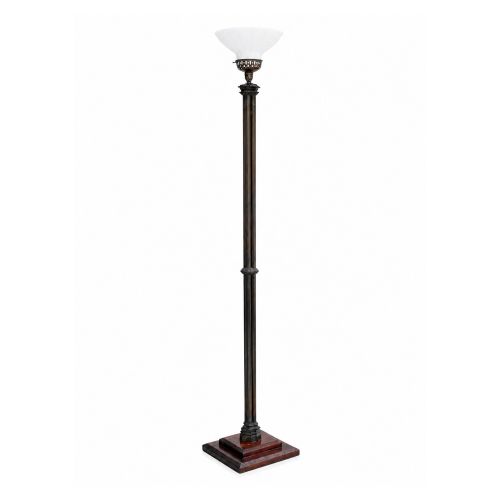
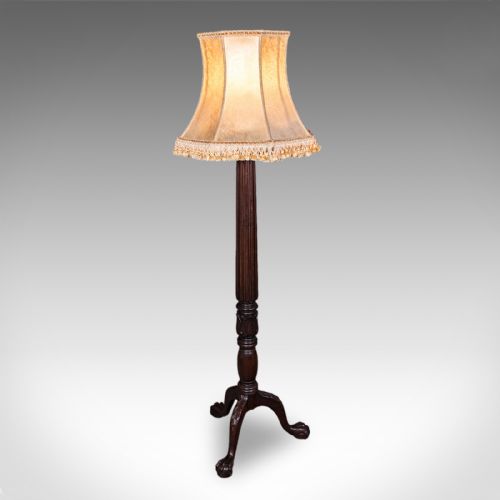
When you search for carved column lamps, you encounter a distinct gathering of floor standards, torchere stands, and table bases that transform structural pillars into functional lighting. These pieces take inspiration from classical architecture, borrowing the proportions of historical orders to support shades and bulbs.
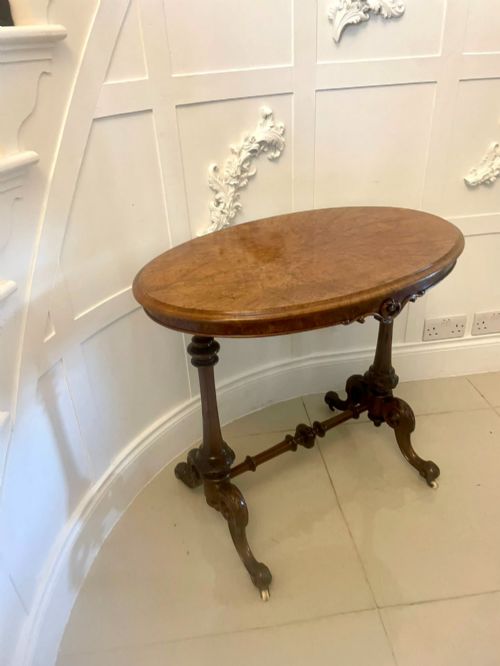
The selections span distinct historical eras, with Victorian and Edwardian examples appearing frequently alongside early twentieth-century interpretations. Woods like mahogany, walnut, and oak dominate alongside giltwood and marble, showing how makers adapted classical columns for domestic interiors across the nineteenth and twentieth centuries.
Materials and construction
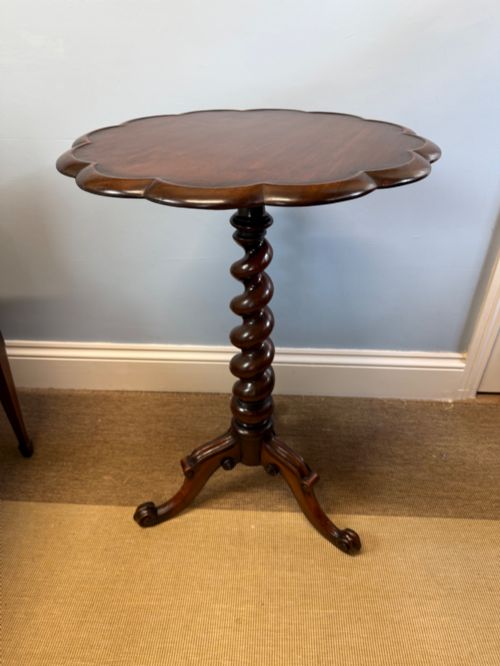
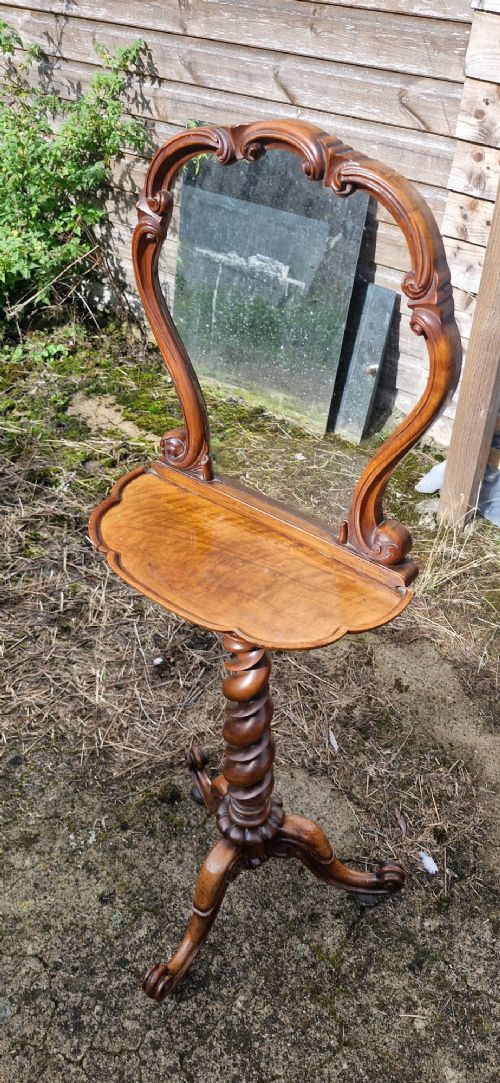
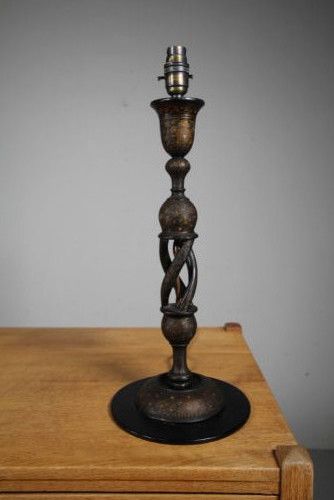
Timbers such as solid mahogany, burr walnut, and oak provide the heavy structural foundation needed for tall standards and small lamp tables alike. Craftsmen turned these hardwoods on lathes to form barley twist shafts or fluted columns, joining them securely to tripod legs or heavy circular bases for stability.
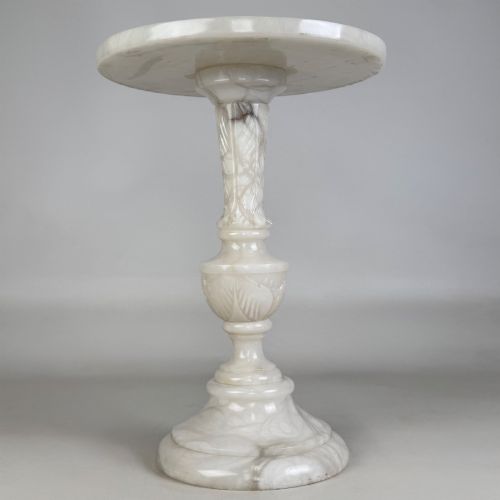
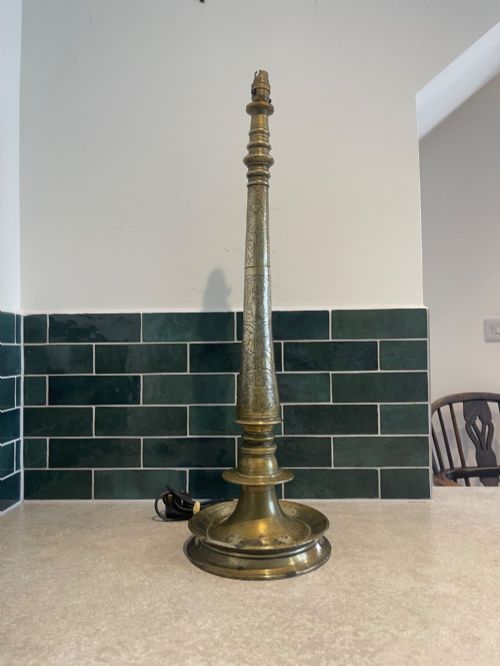
Giltwood and marble introduce contrasting textures and reflective surfaces, often carved with Corinthian capitals or ornate foliate motifs. Brass components and boxwood stringing add precise metallic or linear details that punctuate the warm tones of the underlying wood.
Carved Column Lamps Retail Price Guide 2026
Typical asking prices for carved column lamps among the pieces listed under this phrase on Sellingantiques today, from the lower quarter to the upper quarter. They describe what is for sale here now, not the wider market.
Listings feature woods such as mahogany, walnut, burr walnut, and oak alongside giltwood, brass, and marble.
Factors that define quality
The crispness of the hand-carved detail on the column shaft and capital dictates the artistic merit of the piece. Crisp fluting, deeply undercut acanthus leaves, and well-defined barley twists separate superior examples from softer, mechanically produced work.
Proportion and stability reveal the underlying design ambition of the standard or table. A well-balanced base that integrates the electrical wiring cleanly without compromising the historic timber structure represents the highest standard of conversion and preservation.
The Carved Column Lamps Glossary
- Torchere
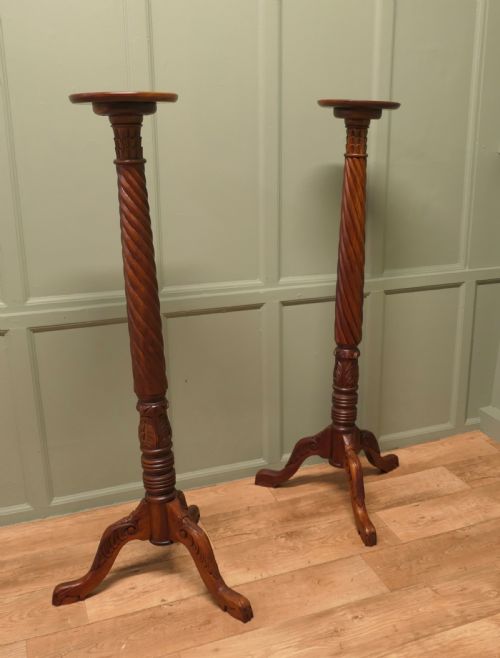
- A tall, slender stand originally designed to hold a torch or candle, frequently adapted today to serve as a floor lamp. These stands often feature carved wooden columns raised on tripod bases.
- Standard Lamp
- A British term for a floor lamp, consisting of a tall vertical post on a weighted base that supports a shade at eye level. They provide ambient illumination in living spaces.
- Barley Twist
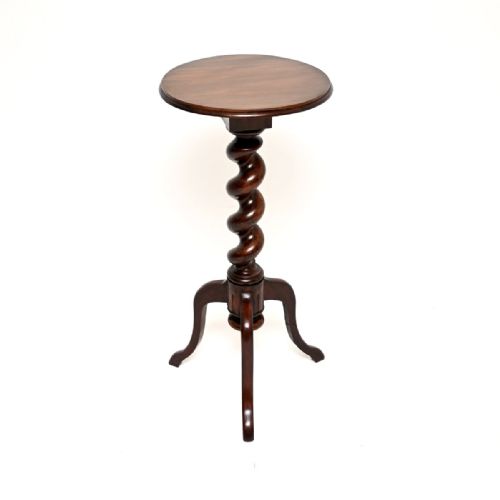
- A spiral turning technique resembling a twisted rope, carved into the wooden shaft of a column. This decorative feature gained popularity during the Victorian period.
- Corinthian
- A classical architectural order characterised by elaborate capitals decorated with stylized acanthus leaves. Lamps utilising this style mimic ancient stone columns in timber or brass.
- Tripod Table
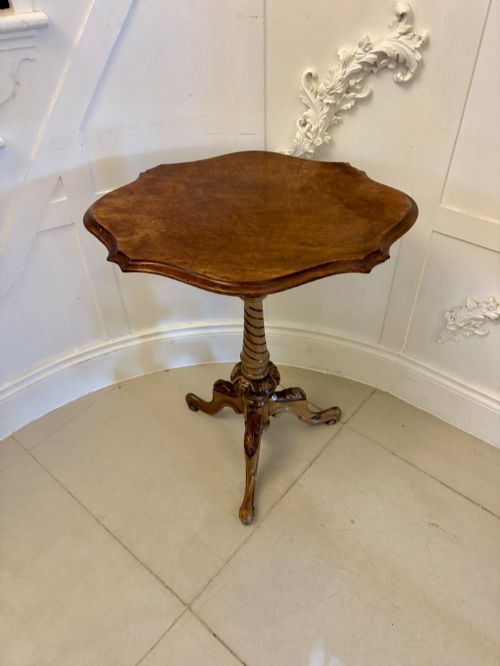
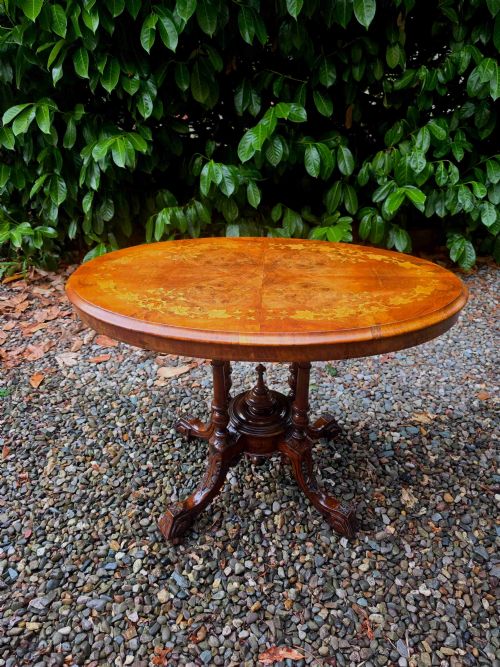
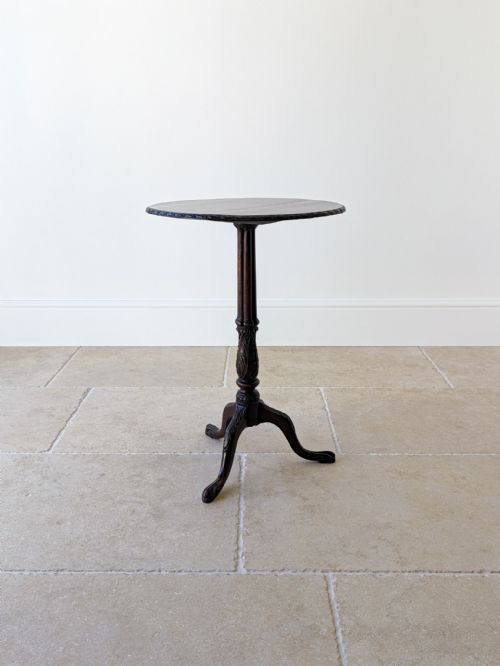
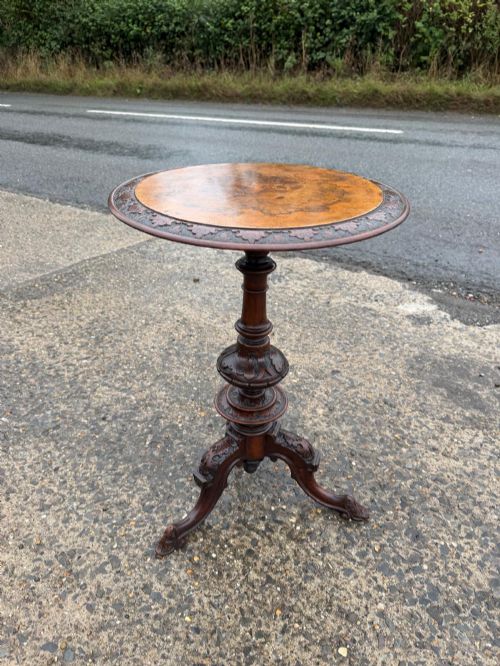
- A small occasional table supported by three legs radiating from a central pillar. They frequently double as lamp tables in traditional interiors.
Carved Column Lamps: Frequently Asked Questions
What is a torchere lamp?
A torchere is a tall ornamental stand designed to hold a light source high above the floor. They provide directed vertical illumination rather than general room lighting.
Historically used for candles, many surviving examples have been carefully adapted to hold electrical fittings while retaining their slender architectural proportions.
How do I style a floor lamp?
Floor standards work best in corners or beside seating areas where their height can balance low furniture. They draw the eye upward and add a sculptural element to empty wall space.
Pairing a dark timber column with a simple fabric shade creates a grounded, traditional look that complements period rooms.
Are these lamps recently rewired?
Many antique lighting pieces undergo rewiring to meet modern safety standards while preserving the historic exterior. This ensures the internal components function reliably for everyday domestic use.
Checking the wiring details helps confirm that the lamp is ready for installation in your home upon delivery.
How do I date a wooden column lamp?
Dating relies on observing the timber species, turning style, and construction methods relative to known decorative periods. Mahogany and walnut point towards nineteenth-century craftsmanship, while specific revival styles indicate later decades.
Matching the turning techniques to era-specific pattern books provides further clues to the origin of the piece.