

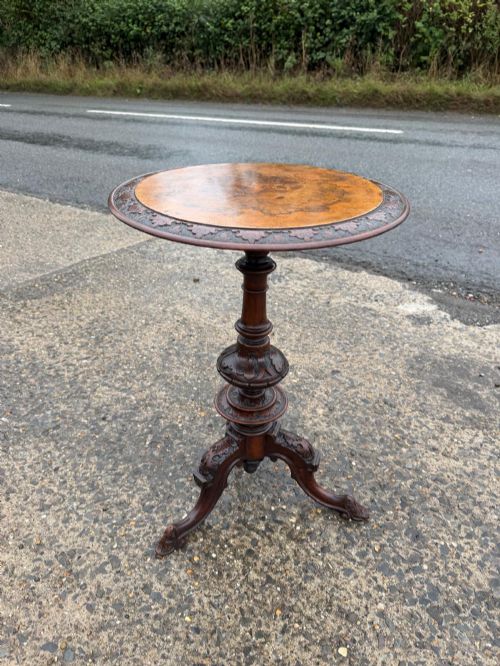
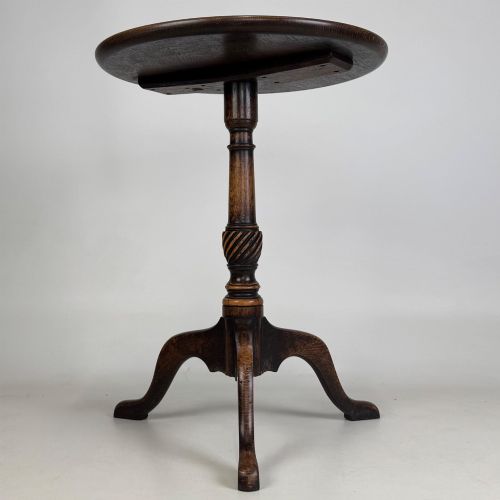
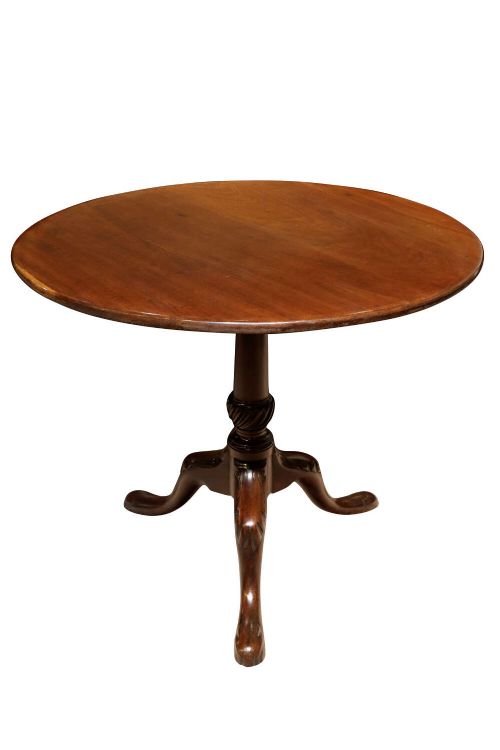
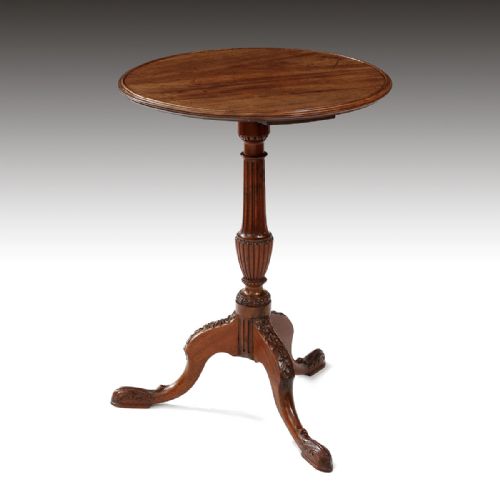
Carved Circular Wine Table
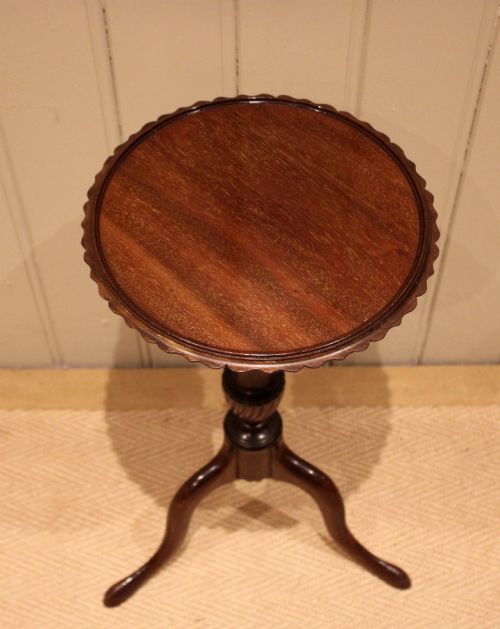
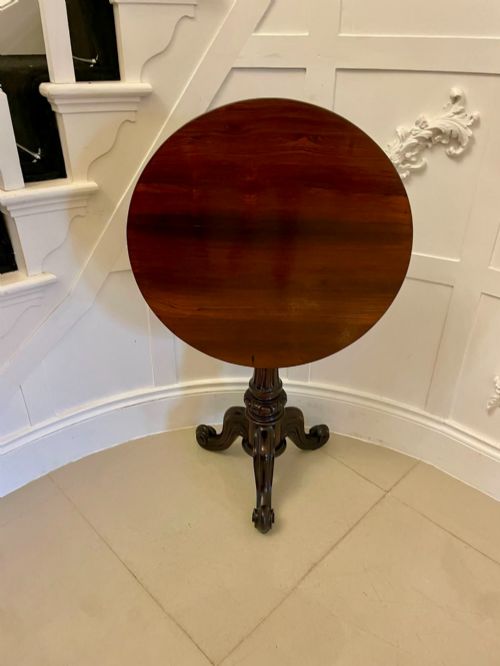
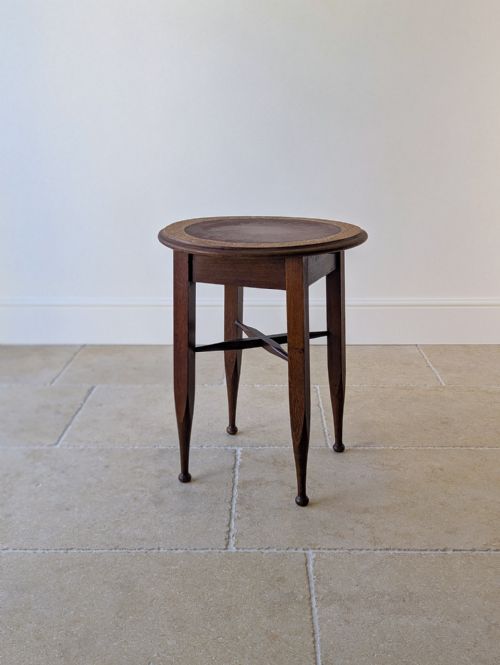
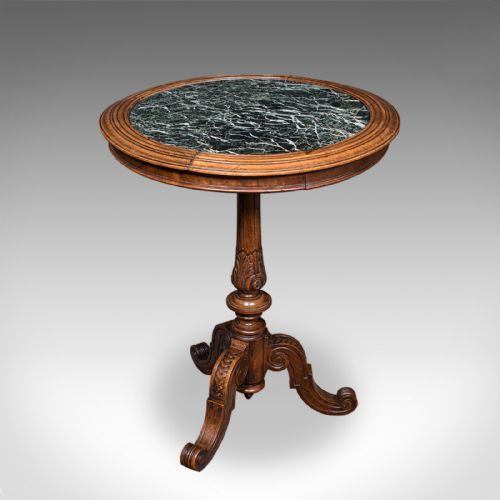
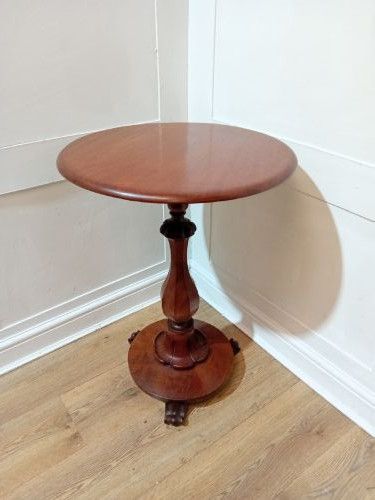
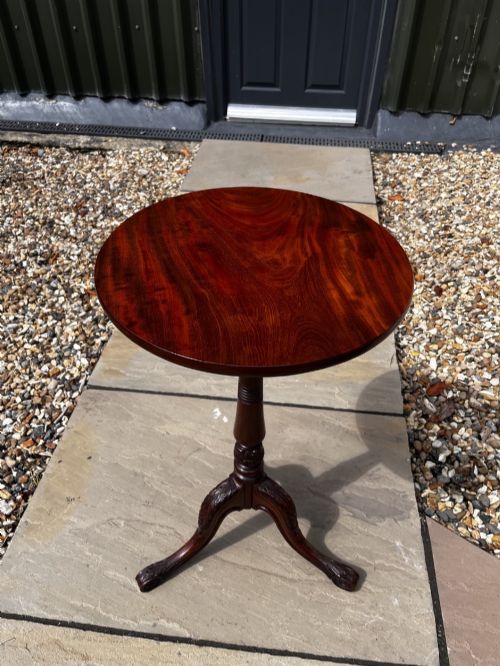
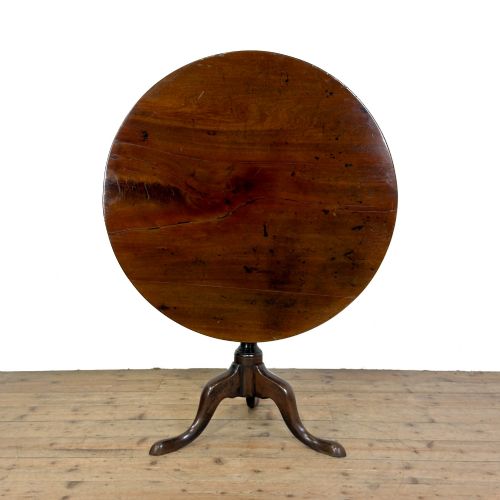
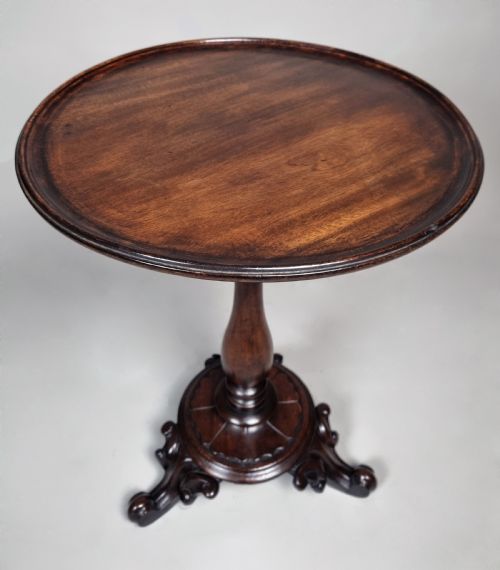
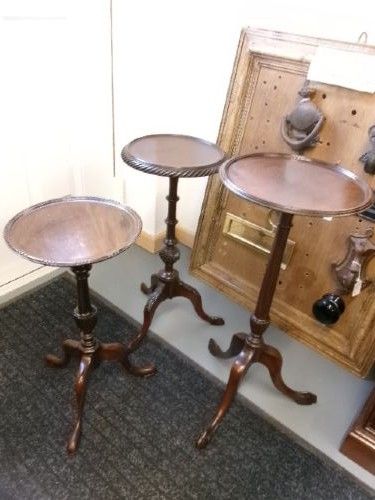
A carved circular wine table is a compact round stand designed for drinks, sitting on a tripod base as seen in Georgian, Victorian and Edwardian examples.
Carved Circular Wine Table
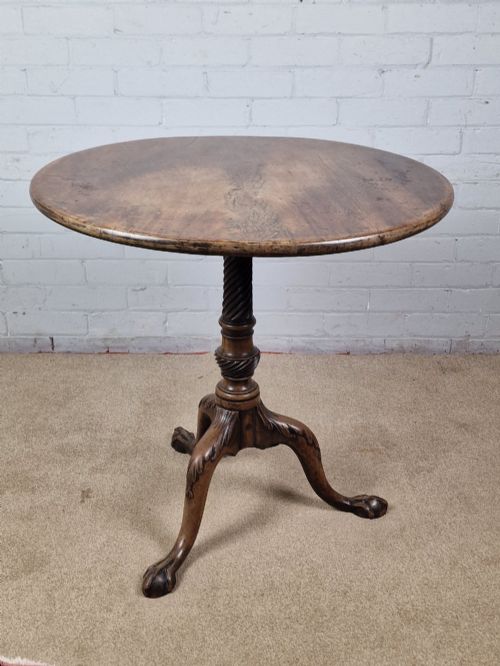
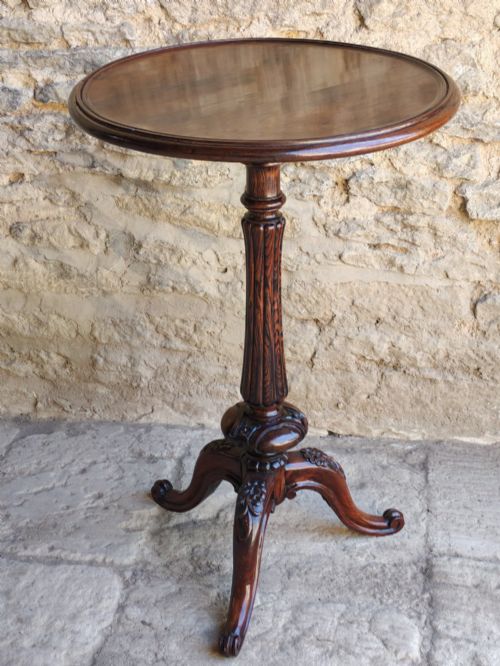
A carved circular wine table is a small round stand designed for holding glasses and decanters. The most common versions on this page are 19th Century and Victorian tripod tables made from timber with turned or carved central pillars.
These pieces function as occasional or lamp tables, often featuring tilt-top mechanisms that allow the top to fold flat when not in use. Styles range from plain George III designs to ornate Victorian and Edwardian models with scalloped or dish tops.
Origins span English workshops alongside specific regional pieces such as Irish George II tables and Anglo-Indian padouk examples. Buyers select them to fit tight spaces beside armchairs or sofas while adding period character.
How they were made
Cabinet makers built these tables using dense timbers including mahogany, walnut, rosewood and oak, frequently selecting burr veneers for the circular top to display rich grain patterns. Some specialised examples incorporate marble inserts or brass fittings into the design.
The construction relies on a central turned pillar supported by three splayed legs forming a tripod base, often joined by birdcage mechanisms on tilt-top variants. Carved detailing appears on the knees, feet and pillar collars, executed by hand using gouges and chisels.
Listings feature mahogany, walnut, rosewood, oak and marble across Georgian, Victorian and Edwardian periods.
What varies in quality
Quality rests in the selection of timber figures and the crispness of the hand-carved detail on the tripod base and pillar. Superior pieces display book-matched burr walnut or figured mahogany tops that sit completely flat without warping.
Construction integrity distinguishes better examples, particularly the snugness of the tilt-top mechanism and the stability of the tripod joints. Finer tables maintain original surface polishes and patination, showing careful hand finishing rather than modern alterations.
Gillow·Waring & Gillow
The Carved Circular Wine Table Glossary
- Tilt top
- A tabletop mounted on a hinge mechanism that allows the surface to pivot vertically for storage. This feature saves space when the table is pushed against a wall.
- Tripod base
- A support structure consisting of three splayed legs radiating from a central pillar. It provides stable footing on uneven floors.
- Dish top
- A circular tabletop with a raised rim carved directly from the solid wood. The edge prevents glasses from sliding off.
- Teapoy
- A small stand or chest originally designed to hold tea canisters. In later periods, the term describes compact occasional tables used for drinks.
- Burr walnut
- Wood taken from the abnormal growth of a walnut tree, producing swirling knot patterns. Cabinet makers prized it for decorative table surfaces.
- Gueridon
- A small French-style occasional table supported by a figure or central column. The form was adopted by English makers during the Regency period.
Carved Circular Wine Table: Frequently Asked Questions
What were carved circular wine tables used for?
These small tables served as movable stands for holding wine bottles, decanters and glasses during evening gatherings. Servants relocated them easily beside seating areas as required.
Today they function as lamp tables or occasional stands in living rooms and hallways, holding books, drinks or small decorative items.
How do I spot a tilt top table?
Look beneath the circular surface for a wooden catch or a birdcage block fixed to the top of the central pillar. This mechanism allows the table surface to pivot upright.
When unlocked, the top swings ninety degrees so the piece can stand flat against a wall when not in use.
How do I date a wine table?
Examine the timber species, leg profiles and construction joints under the top. Georgian and Regency pieces often feature slender tripod legs and mahogany, while Victorian versions display heavier carving and burr walnut veneers.
Edwardian and later 20th century examples show lighter construction methods and simpler turned pillars without deep hand carving.
Where should I place a wine table at home?
Place the table beside an armchair, reading chair or sofa where a small surface is needed for a cup or glass. Their compact footprints allow them to fit into corners and narrow gaps between furniture.
Keep them away from direct heat sources and strong sunlight to protect the polished wood surfaces and prevent veneer splitting.