



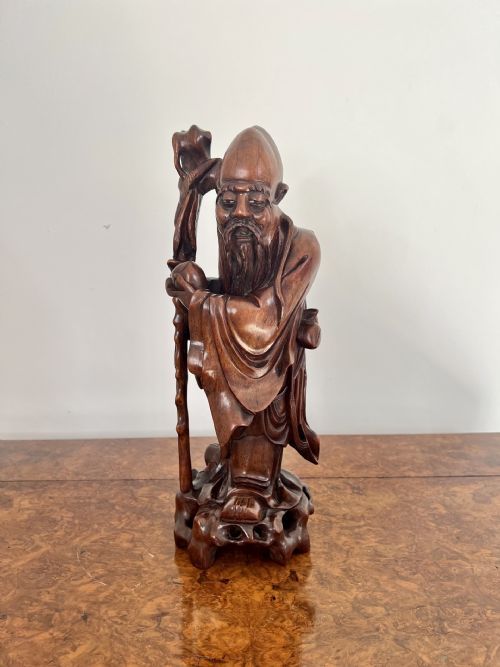


Carved Chinese Wooden Immortal
A carved chinese wooden immortal brings the quiet presence of Daoist figures and scholars into a room through centuries of traditional craftsmanship.
Carved Chinese Wooden Immortal
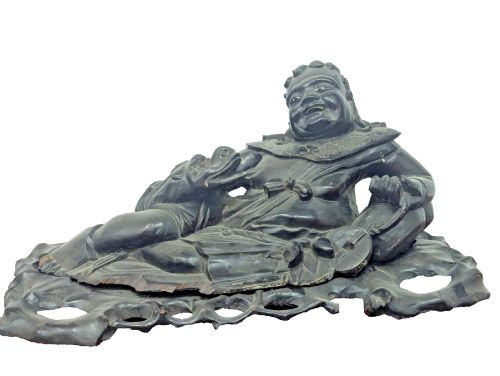
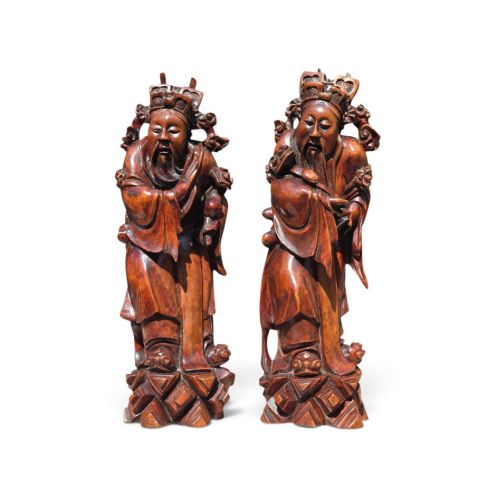
A carved chinese wooden immortal represents traditional figures such as Daoist immortals, Liu Hai, scholars, and deities rendered in timber. These pieces span the eighteenth century, the nineteenth century, and the Qing dynasty up to the early republic period.
Materials and construction methods
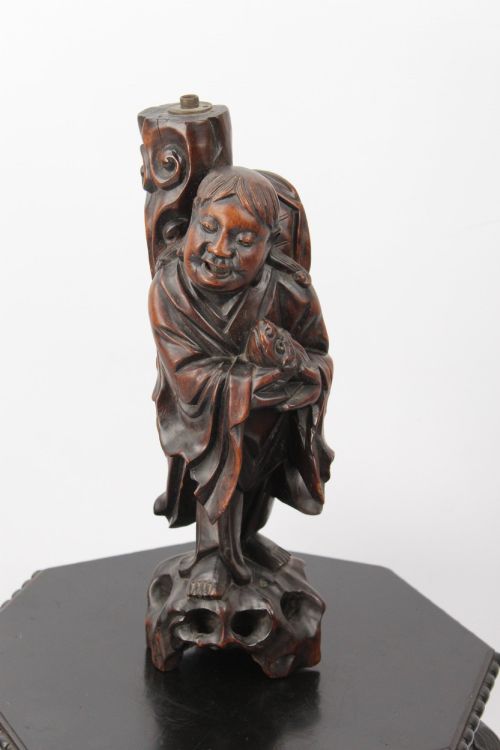
Carvers utilised hardwood, burr root wood, and bamboo, working with the natural contours of the timber to shape robes, facial expressions, and attributes. Root wood carvings make specific use of gnarled root structures to suggest drapery and organic movement.
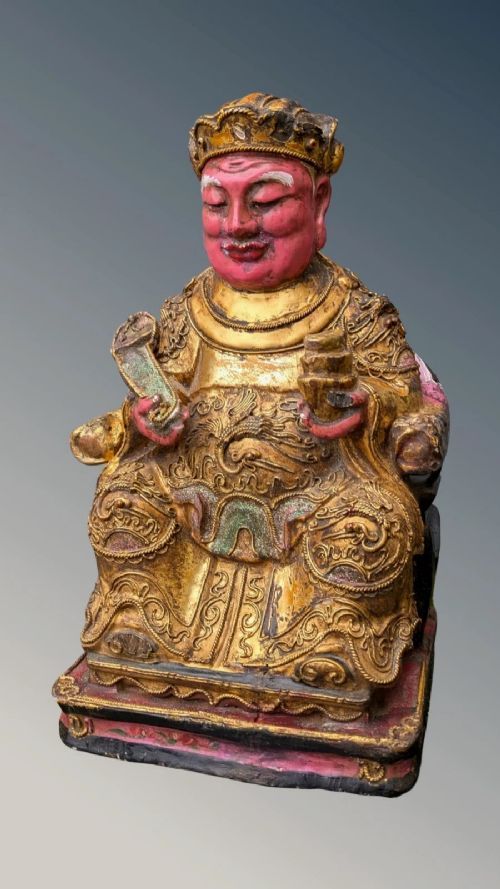
Surface treatment occasionally involves gesso and gold leaf or polychrome pigments applied over the carved wood. Artisans also integrated brass elements such as table gongs alongside the primary wooden sculptures.
Carved Chinese Wooden Immortal Retail Price Guide 2026
Typical asking prices for carved chinese wooden immortal among the pieces listed under this phrase on Sellingantiques today, from the lower quarter to the upper quarter. They describe what is for sale here now, not the wider market.
Several immortals arrive accompanied by mythical creatures or a companion carried on a back.
Judging quality in wooden carvings
Scale and proportion distinguish monumental pairs and large figures from smaller domestic items. The preservation of original surface finishes, whether polished hardwood or traces of polychrome and gilding, dictates the integrity of the piece.
The Carved Chinese Wooden Immortal Glossary
- Qing Dynasty
- The final imperial dynasty of China, lasting from sixteen forty-four until nineteen twelve. Many traditional sculptures and carvings originate from the late Qing period.
- Root Wood
- Timber fashioned from the root systems of trees, prized for gnarled, organic shapes. Carvers turn these irregular forms into figures and table lamps.
- Hardwood
- Dense, durable timber such as those utilised in traditional Chinese furniture and sculpture. These woods hold fine, intricate chisel details without splintering.
- Polychrome
- Decorated in multiple colours. Artisans applied pigments to the surface of wooden figures to render robes and facial details.
- Burr Wood
- Wood taken from a tree growth where the grain has grown in a deformed manner, creating swirling patterns. This material provides distinctive texture for scholar carvings and root sculptures.
Carved Chinese Wooden Immortal: Frequently Asked Questions
How do I identify a Daoist immortal?
Daoist immortals often appear with specific attributes such as gourds, staffs, or mythical creatures like the three-legged toad associated with Liu Hai. Scholars and deities frequently share similar robes but carry books or sit in contemplation.
Examining the objects held in the hands or the accompanying attendants helps distinguish between historical figures, Buddhist figures, and Daoist immortals.
Where were these carvings displayed?
These wooden sculptures and root carvings traditionally occupied scholarly spaces, domestic interiors, and temple settings across China. Figures of immortals brought auspicious presence and symbolism to a room.
Later adaptations converted root wood carvings into functional items like table lamps while retaining the original sculptural form.
How do I care for antique wood?
Antique hardwood and root wood carvings require stable environmental conditions away from direct sunlight and sudden humidity changes. Dusting with a dry, soft cloth preserves the polished surface and natural grain.
Harsh chemical cleaners and excessive moisture damage historic finishes, gesso, and gilding.
What is the difference between root wood and standard hardwood?
Standard hardwood pieces are carved from straight-grained timber into defined sculptural forms like Buddhas and standing deities. Root wood utilises the natural, twisting subterranean growth of the tree to dictate the shape of the finished object.
Root carvings embrace the irregular knots and voids of the timber, whereas hardwood allows for precise anatomical proportions and smooth drapery.