





Carved Celadon Jade
Carved celadon jade pieces are mineral sculptures and scholar's objects shaped from pale green stone, prized for their tactile warmth and symbolic forms.
Carved Celadon Jade
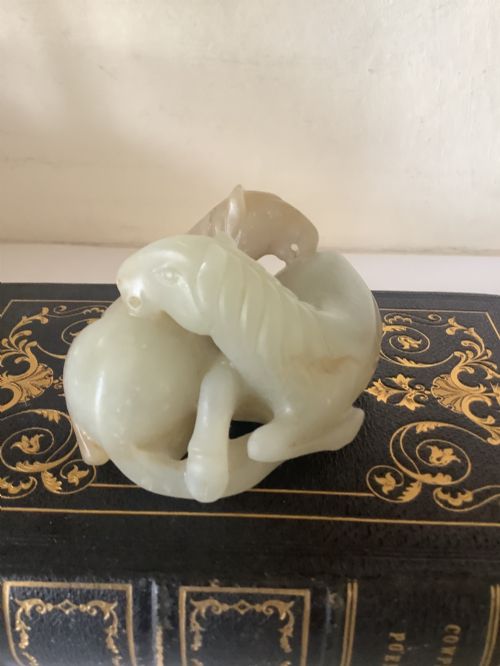
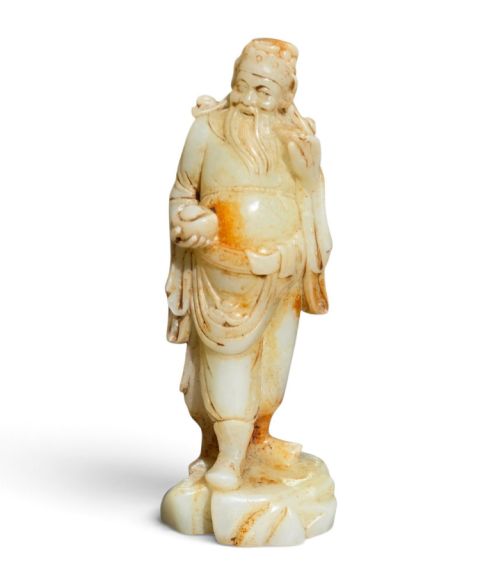
Carved celadon jade encompasses ornamental sculptures, pendants, brush washers, and figural carvings shaped from pale green and translucent mineral blocks. When exploring carved celadon jade, collectors encounter forms ranging from miniature animals and auspicious deities to monumental landscape sculptures and ceremonial vessels.
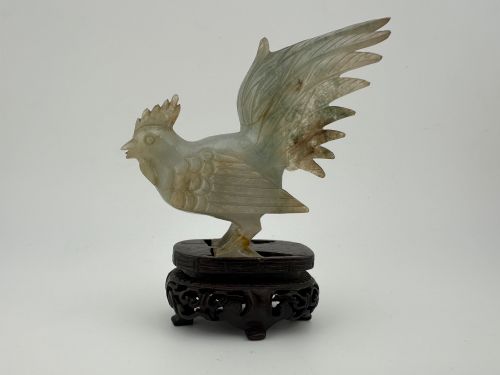
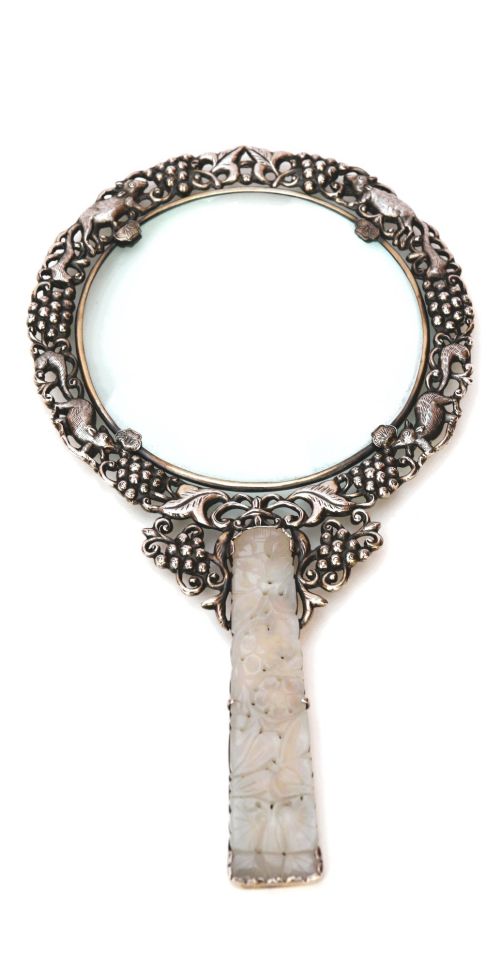
The objects originate across multiple eras, with examples spanning from the Ming Dynasty and the eighteenth-century Qing period through to the Republic era and the early twentieth century. Pieces frequently incorporate fitted hardwood stands or silver mounts that complement the natural tones of the nephrite and jadeite material.
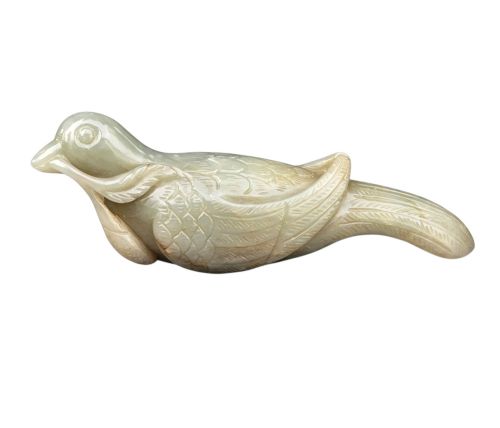
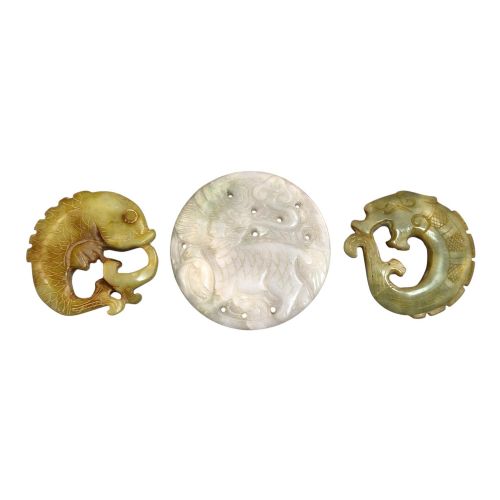
Scholar's objects and animal figures dominate the selection, reflecting traditional motifs such as horses, immortals, dragons, and water birds. These items served both utilitarian functions on scholar's desks and decorative purposes within traditional Chinese interiors.
How they were made
Carvers shaped nephrite and jadeite using abrasive grit and rotating tools, exploiting the extreme toughness of the mineral rather than cutting it with steel. Artisans worked the raw stone over extended periods to preserve natural russet inclusions and tonal variations within the celadon matrix.
Complex compositions such as mountain landscape sculptures and figural groups utilised deep relief carving to create distinct foreground and background layers. Finished objects were polished to a smooth, waxy lustre that highlights the dense crystalline structure of the stone.
Carved Celadon Jade Retail Price Guide 2026
Typical asking prices for carved celadon jade among the pieces listed under this phrase on Sellingantiques today, from the lower quarter to the upper quarter. They describe what is for sale here now, not the wider market.
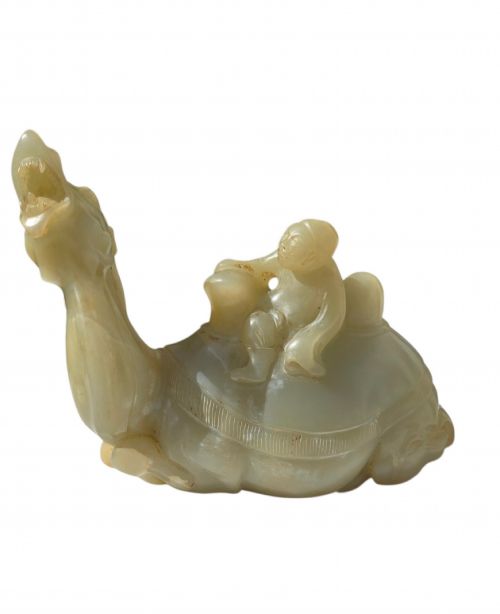
Among the creatures carved from the stone, a small boy holds a bird's nest containing a solitary egg.
What varies in quality
Quality rests upon the subtlety of the carving and the purity of the nephrite or jadeite material. Superior examples display crisp undercutting, confident spatial depth in landscapes, and harmonious integration of natural stone blemishes into the subject matter.
The sensitivity of the polishing process distinguishes exceptional work from simpler output, with finer pieces retaining soft contours rather than harsh mechanical edges. Proportion and anatomical conviction in figural and animal subjects further separate standard decorative objects from masterworks.
The Carved Celadon Jade Glossary
- Celadon jade
- A pale green variety of nephrite or jadeite prized for its soft translucent colour. The tone ranges from grey-green to pale blue-green.
- Nephrite
- A compact, amphibole mineral possessing an interlocking fibrous structure that grants extreme toughness. It forms the primary medium for traditional Chinese carvings.
- Qing Dynasty
- The final imperial dynasty of China, spanning from sixteen-forty-four to nineteen-twelve. Many extant carved jade pieces originate from this prolonged period of artistic production.
- Brush washer
- A small vessel designed for rinsing calligraphy brushes on a scholar's desk. These objects often take organic forms such as lotus leaves or open blooms.
- Bi disc
- A flat circular jade ring with a circular hole in the centre. Historically associated with ritual and cosmology in Chinese material culture.
Carved Celadon Jade: Frequently Asked Questions
How do I care for carved jade?
Clean jade surfaces using a soft cloth dampened with warm water, avoiding harsh chemical detergents or abrasive brushes. Store individual pieces separately to prevent scratching from harder minerals.
Keep pieces away from direct heat sources and sudden temperature fluctuations that might stress the stone. Occasional handling transfers natural skin oils that enhance the waxy lustre of antique nephrite.
What is a scholar's object?
Scholar's objects are small, refined items created for the desks of traditional Chinese literati and scholars. These pieces include brush washers, water droppers, and miniature carvings intended for quiet contemplation.
Carvers decorated these items with auspicious motifs, Daoist immortals, or natural scenes that inspired poetic thought. Their tactile qualities invited handling during quiet moments of study.
How do I date a jade carving?
Dating relies upon stylistic markers, tool marks, and the specific iconography associated with periods such as the Ming Dynasty or the Qianlong reign. Carving depth and the integration of natural russet skins shifted across dynasties.
Material composition and the presence of original fitted hardwood stands also provide clues to chronological origin. Examination of the polish reveals whether a piece shows centuries of handling or recent mechanical finishing.