

Carved Cabriole Legs Furniture
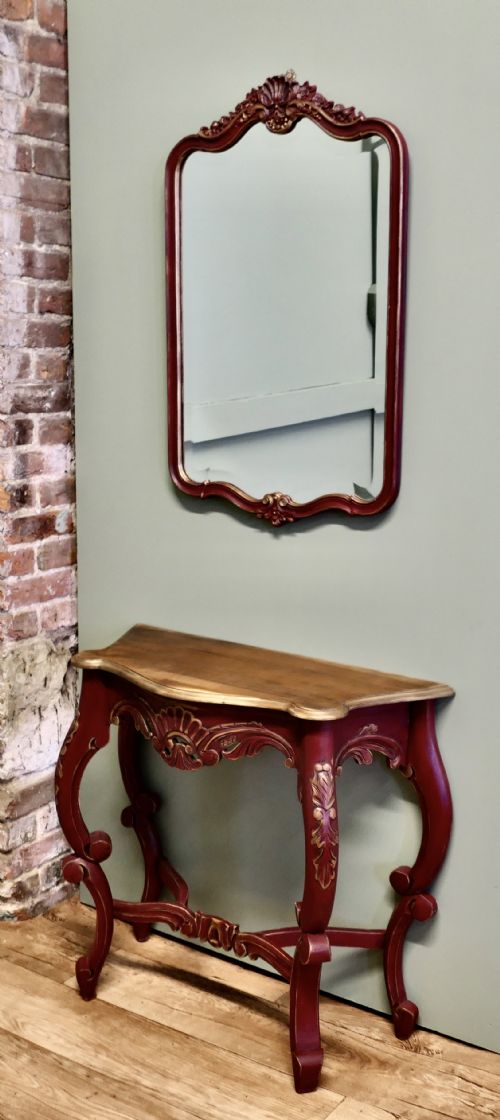
Carved cabriole legs furniture brings distinctive double-curved supports into rooms, uniting seating and tables across multiple centuries.
Carved Cabriole Legs Furniture
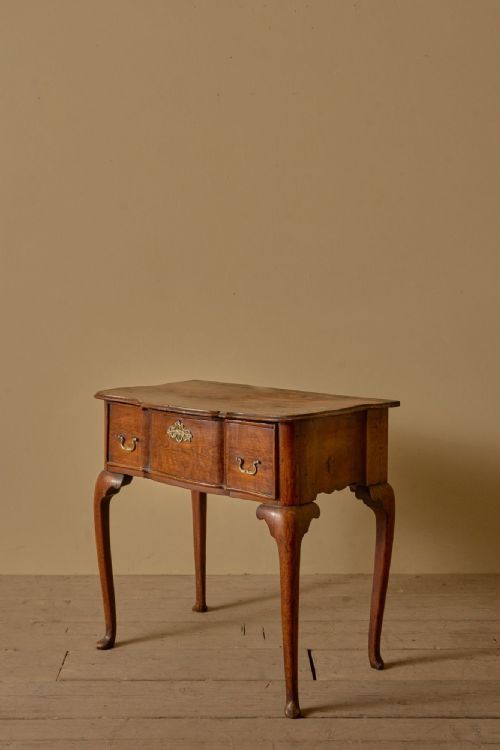
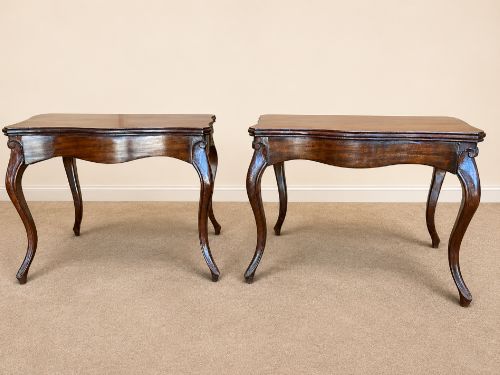
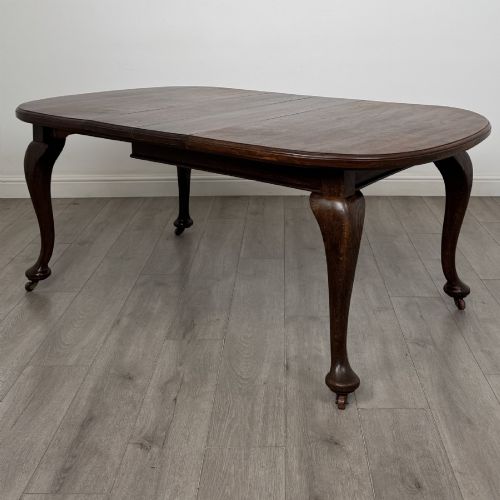
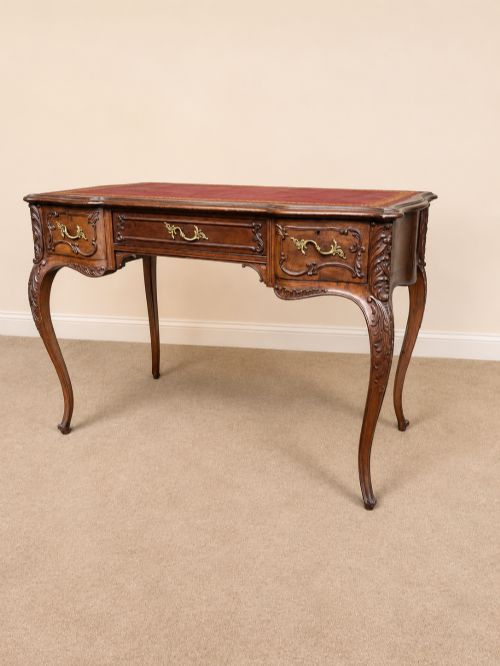
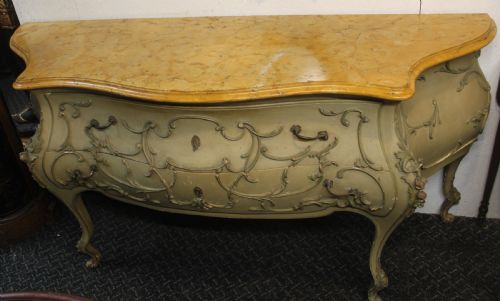
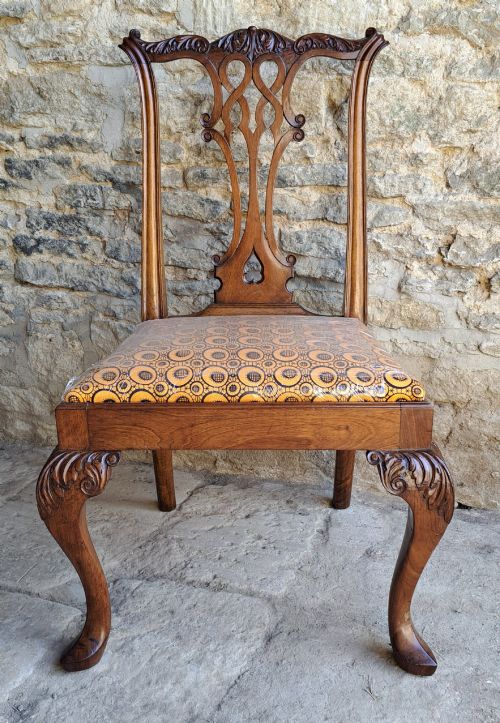
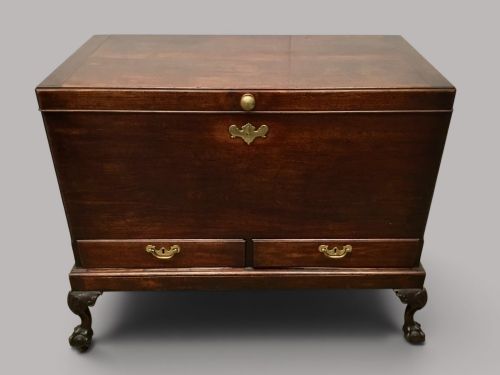
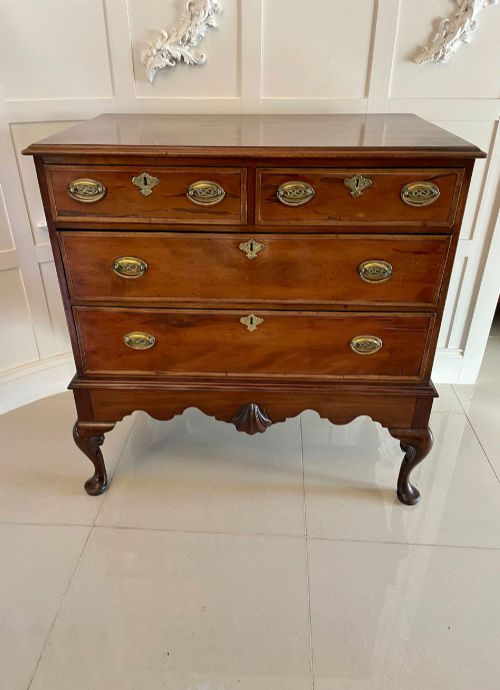
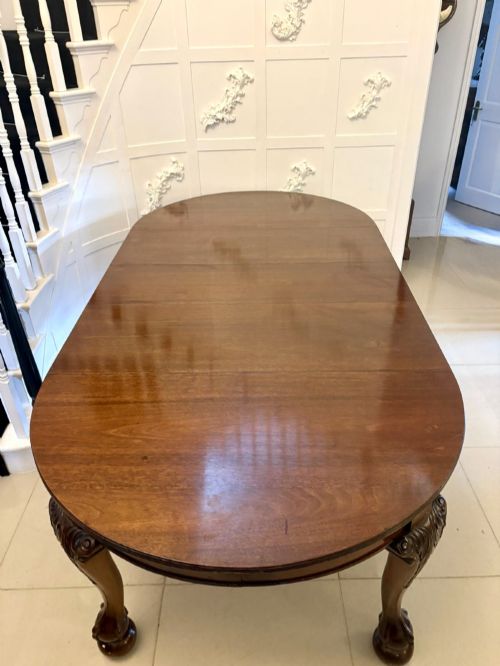
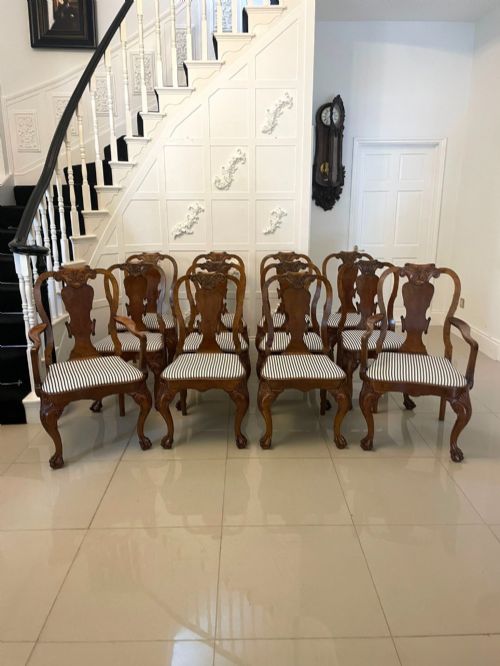
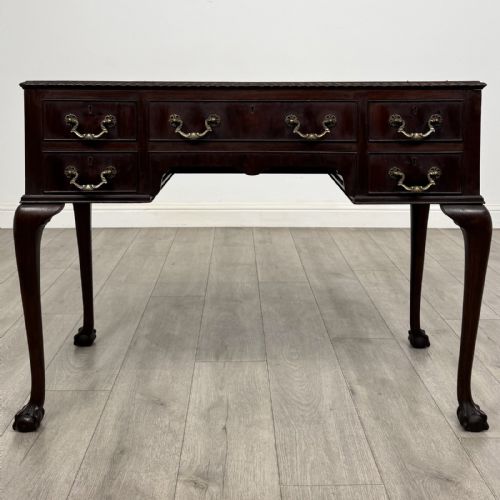
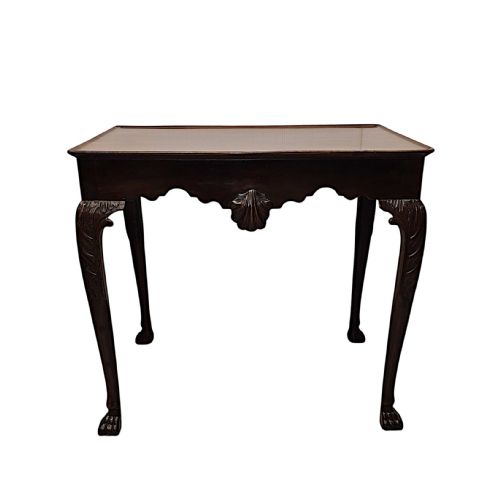
Carved cabriole legs furniture encompasses seating, tables and storage pieces defined by their distinctively shaped supports. When searching for carved cabriole legs furniture, buyers encounter items ranging from 18th Century oak lowboys to Edwardian writing tables and Victorian dining chairs.
Materials and technique
Cabinet makers utilised dense hardwoods such as mahogany, walnut and oak, often selecting burr veneers for decorative surfaces. Timber selection governed the strength required in curved supports.
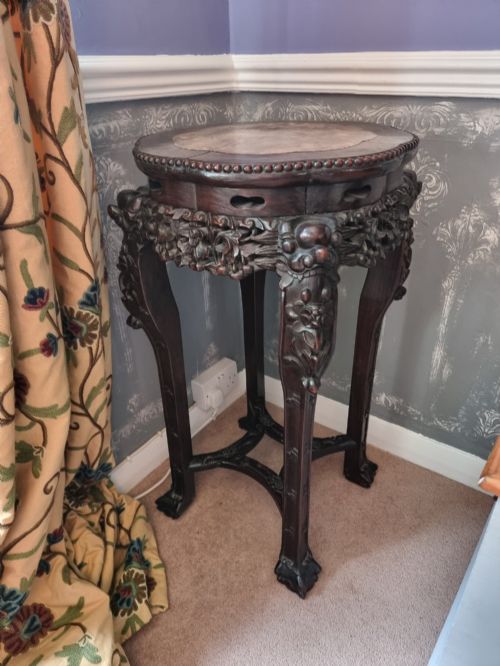
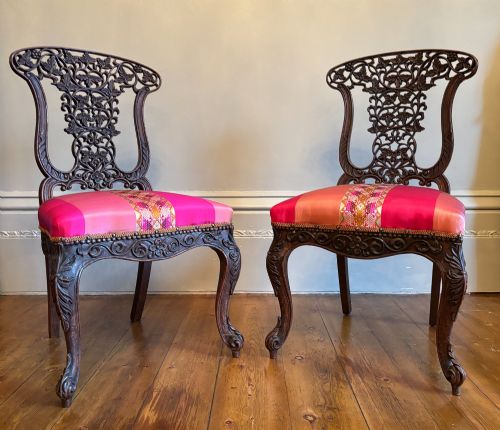
Carving technique shaped the profiles of knees and feet, incorporating motifs into the wood. Joinery methods varied by period, joining frames and supports to withstand daily weight.
Carved Cabriole Legs Furniture Retail Price Guide 2026
Typical asking prices for carved cabriole legs furniture among the pieces listed under this phrase on Sellingantiques today, from the lower quarter to the upper quarter. They describe what is for sale here now, not the wider market.
What varies in quality
The refinement of the carving upon the knee and foot separates standard production from finer work. Crisp detail in the execution of the wood shows the skill of the maker.
Proportion within the double curve dictates visual balance, alongside the choice of figured timber veneers like burr walnut or mahogany. Construction integrity in the joints underpins the longevity of the piece.
Maple & Co.·Wylie & Lochhead Glasgow
The Carved Cabriole Legs Furniture Glossary
- Cabriole leg
- A furniture support shaped with a double curve, swelling outward at the knee and tapering inward toward the foot. This profile draws inspiration from animal limbs.
- Lowboy
- A small oak or walnut table with drawers, commonly fitted with four cabriole legs. These pieces served domestic functions in 18th Century interiors.
- Claw and ball
- A foot motif carved to resemble a bird's talon clutching a spherical object. It frequently terminates the bottom of a cabriole leg on dining tables and chairs.
- Burr walnut
- Timber sliced from walnut tree growths, yielding intricate swirling grain patterns. Cabinet makers utilised these veneers on fronts and tabletops.
- Bergère
- An enclosed upholstered armchair with exposed wooden framing. Versions often feature detailed cane work on the sides and back.
Carved Cabriole Legs Furniture: Frequently Asked Questions
What periods do these pieces span?
The inventory spans the 18th Century through to the 1930s, including Victorian and Edwardian examples.
Revival styles from later decades also replicate earlier furniture designs.
Which woods were used?
Makers constructed pieces predominantly in mahogany, walnut, burr walnut and oak.
Rosewood, padauk and goncalo alves also appear in specific items.
How do I identify a lowboy?
A lowboy is a small table featuring drawers and low supports.
They originate mostly from the 18th Century in oak or walnut.
What seating types are available?
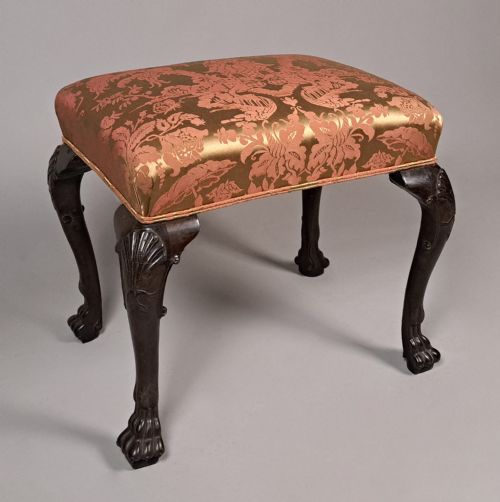
Selections include dining chairs, armchairs, occasional chairs, stools and sofas.
Many incorporate upholstered pads or cane work panels.