

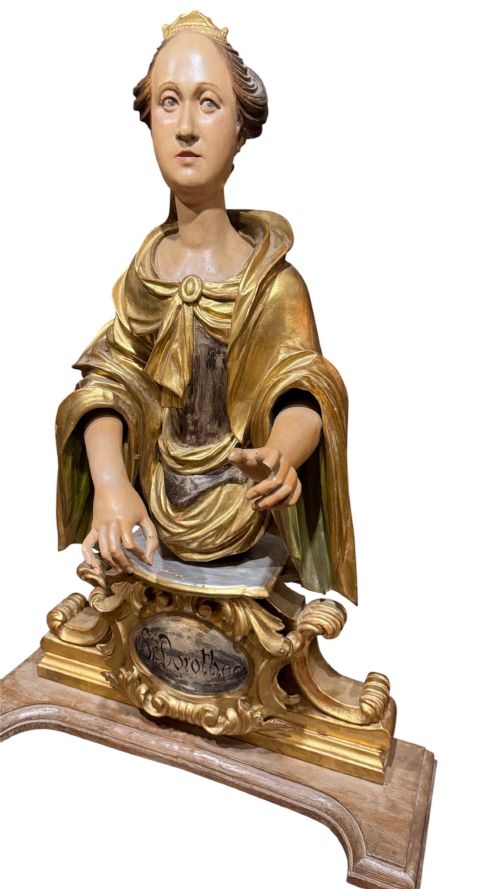
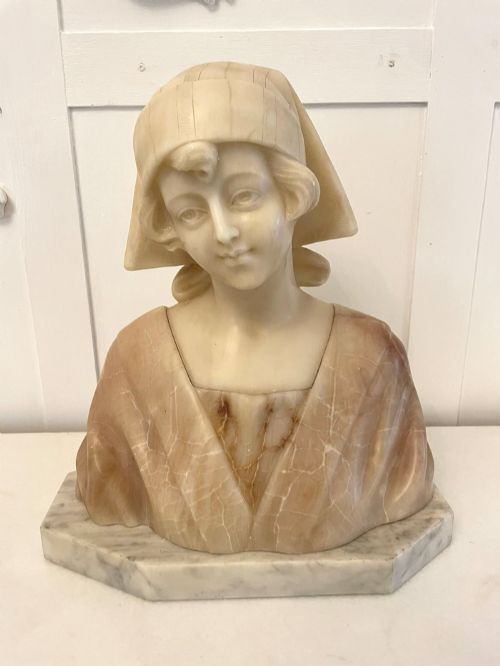
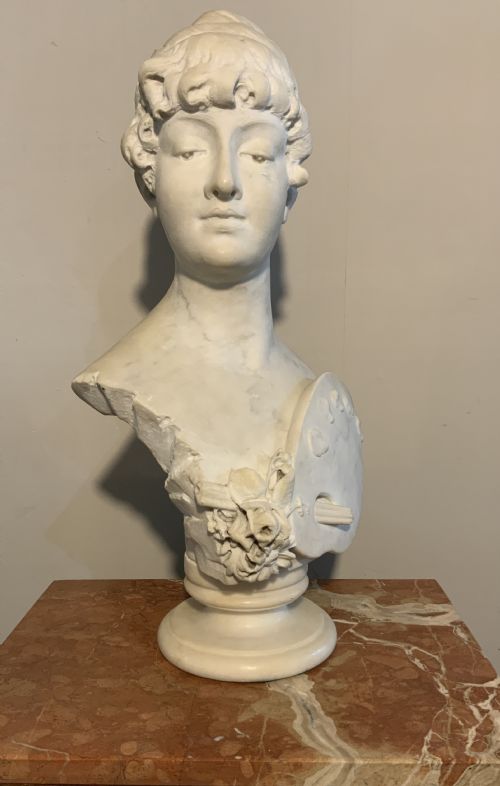
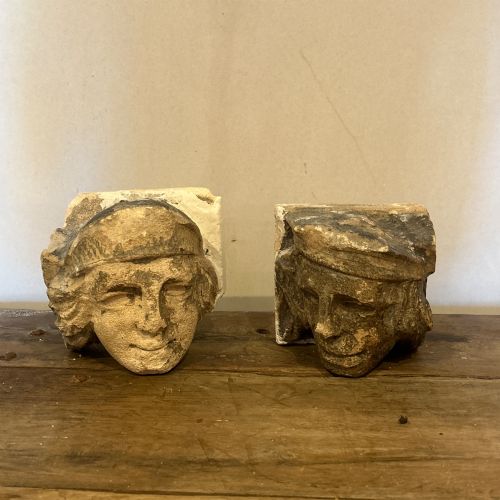
Carved Bust Sculpture
These carved bust sculpture pieces bring classical presence and historical weight into a room, offering tactile connection to past portraiture.
Carved Bust Sculpture
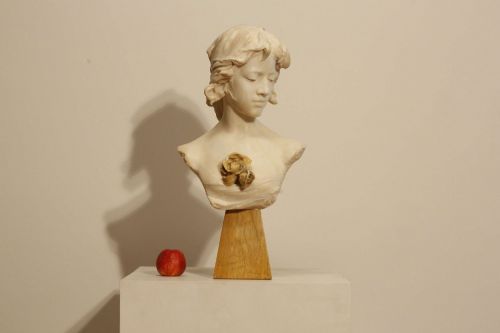
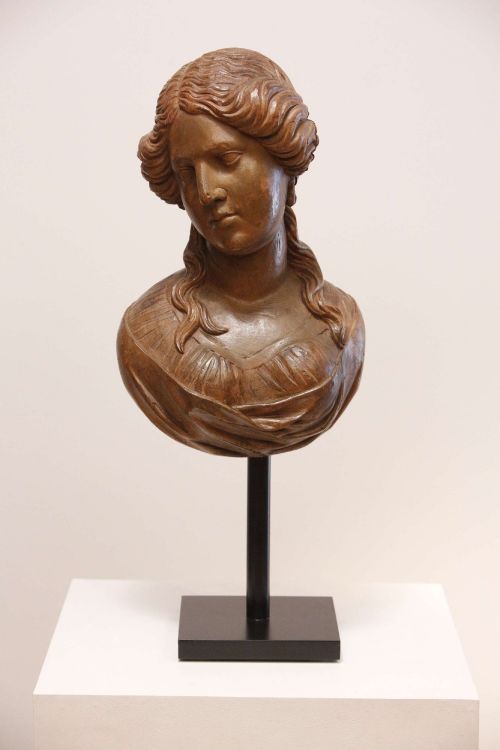
A carved bust sculpture presents a head and shoulders portrait rendered from solid matter, capturing likenesses from historical figures to mythological subjects. These works span centuries, drawing from Neoclassical, Baroque, Victorian, and Art Deco traditions.
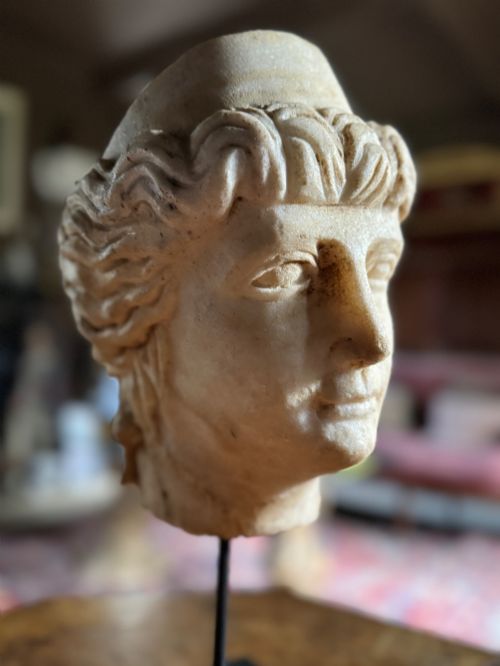
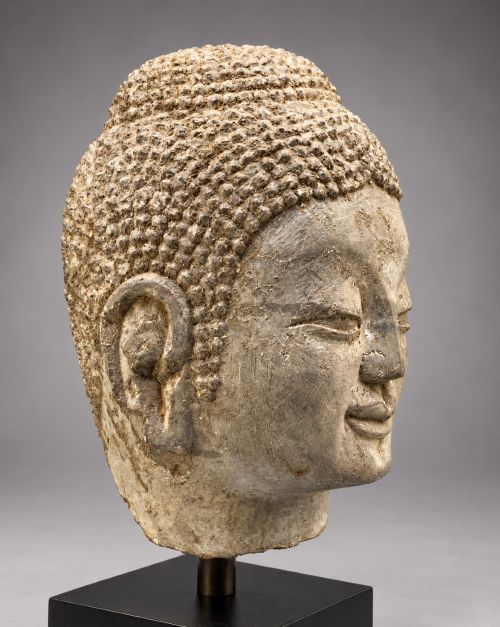
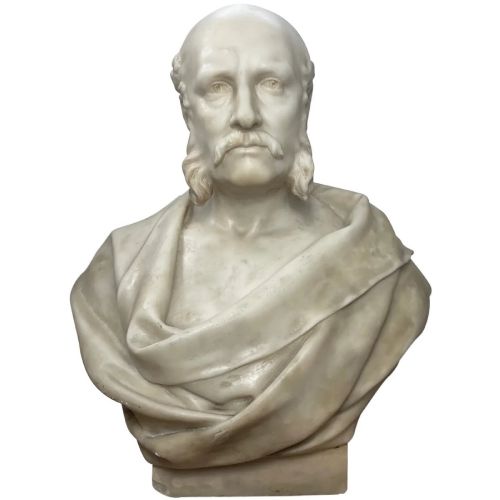
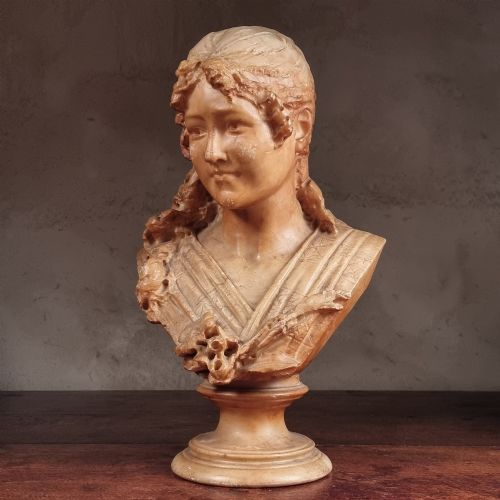
Most pieces encountered here originate from the nineteenth century, often carved in marble or alabaster following Grand Tour traditions. Alongside these, earlier examples emerge in limestone and wood, reflecting religious devotion and architectural origins.
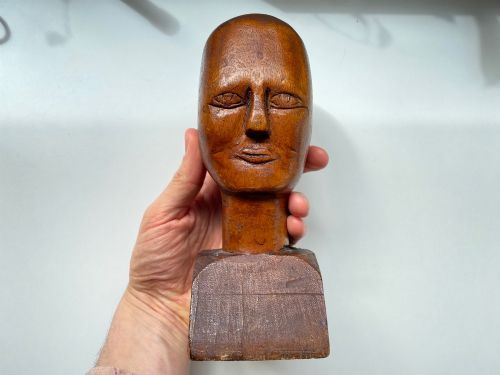
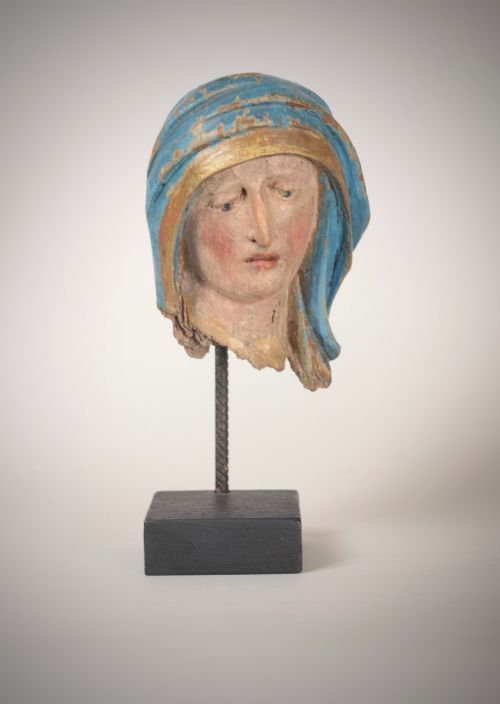
Forms range from life-size library portraits of poets and statesmen to fragmentary saints and allegorical figures. Buyers encounter profiles, plaques, and standalone three-dimensional studies derived from stone and timber.
Materials and carving techniques
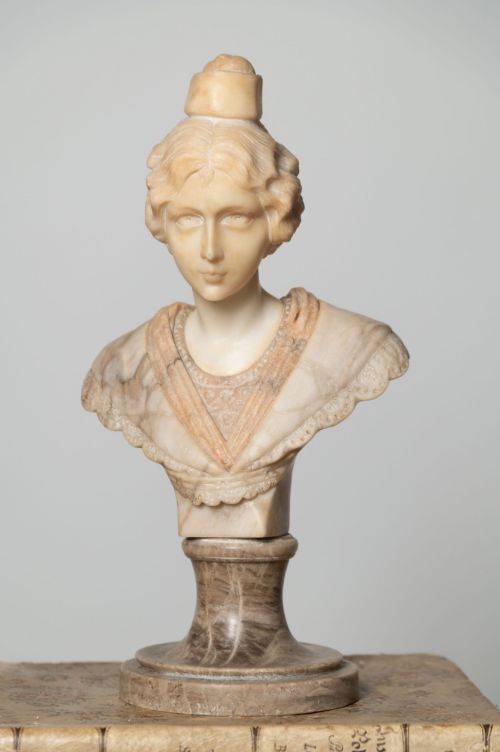
Sculptors utilised fine-grained stones such as Carrara marble and translucent alabaster, working the material with chisels, gouges, and rasps to achieve smooth flesh tones and crisp drapery. Alabaster requires delicate handling due to its softness, whereas marble permits sharper neoclassical detail.
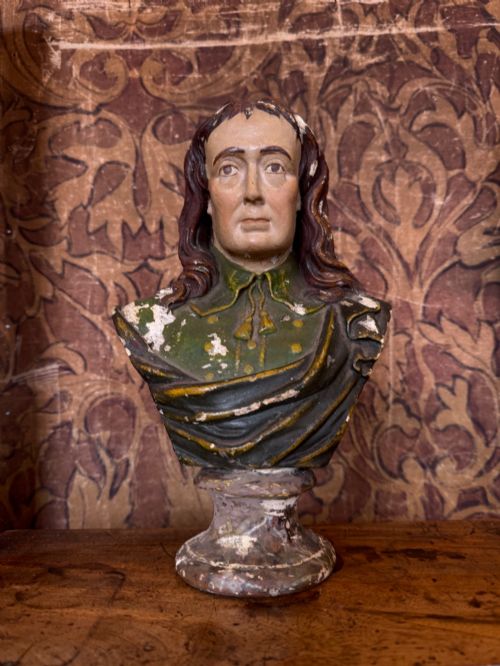
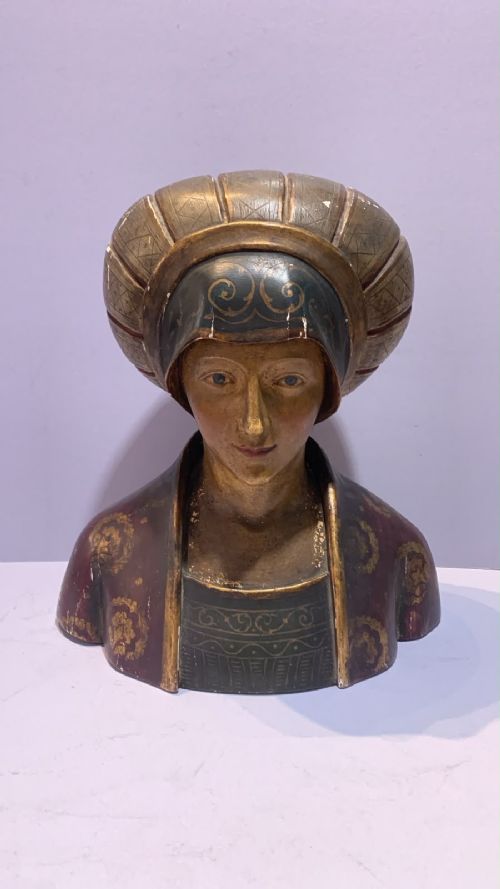
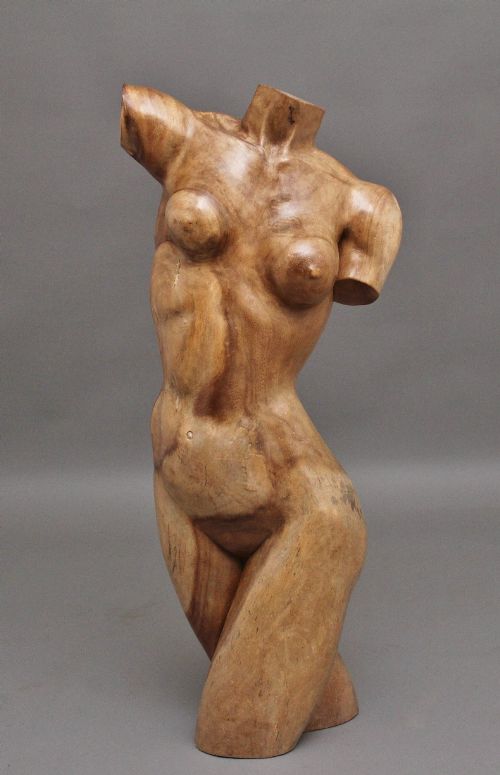
Wood varieties including walnut, olive wood, and gilt-wood appear across continental and British workshops. Artisans applied polychrome paint and gold leaf directly to timber surfaces, creating rich ecclesiastical and decorative finishes.
Stonemasons shaped pre-sixteenth century fragments and architectural corbels from limestone using heavy mallet strikes. Later nineteenth-century pieces often utilised pointing machines to transfer exact measurements from clay models into stone.
Carved Bust Sculpture Retail Price Guide 2026
Typical asking prices for carved bust sculpture among the pieces listed under this phrase on Sellingantiques today, from the lower quarter to the upper quarter. They describe what is for sale here now, not the wider market.
Materials span Carrara marble, translucent alabaster, walnut, olive wood, and limestone, reflecting centuries of sculptural traditions.
Factors of sculptural quality
The anatomical precision of the carving determines the artistic success of a piece, separating mechanical copies from expressive works. Master carvers render subtle shifts in musculature, hair texture, and gaze, bringing vitality to inert stone.
The selection of the raw medium dictates the visual depth, with unblemished statuary marble and richly figured alabaster commanding greater regard. Surface preservation and the crispness of remaining chisel marks show the original ambition of the maker.
Houdon·Eugene Aizelin·J Francis·George Henry Paulin·R Mattei
The Carved Bust Sculpture Glossary
- Alabaster
- A soft, fine-grained stone that allows light to penetrate slightly beneath the surface. It was frequently utilised for nineteenth-century portraiture.
- Socle
- A short plinth or pedestal supporting the base of a bust. Many Italian marble studies incorporate distinct multi-coloured socles.
- Polychrome
- Painted in several colours. This technique appears on wood and stone sculptures to imitate life.
- Grand Tour
- A cultural journey undertaken by wealthy young Europeans through France and Italy. It resulted in the acquisition of classical portrait busts.
- Neoclassical
- A style reviving classical Greek and Roman aesthetic principles. It dominates nineteenth-century portrayals of mythological figures.
Carved Bust Sculpture: Frequently Asked Questions
What is a carved bust sculpture?
A carved bust sculpture is a three-dimensional portrait depicting a person from the chest or shoulders upwards, shaped manually from materials like marble, alabaster, stone, or wood.
These pieces record real historical individuals, literary figures, mythological characters, and anonymous sitters across various historic eras.
How do I identify marble types?
Carrara marble presents a bright white or greyish appearance with soft veining, favoured by European ateliers for portraits.
Alabaster feels softer to the touch, possesses a warmer tone, and often displays translucent qualities when exposed to direct light.
Where were these sculptures placed?
Historically, library busts and stone plaques decorated studies, drawing rooms, and hallways of grand houses, signifying erudition and cultural status.
Ecclesiastical and architectural carvings originated inside churches, chapels, and stone buildings before entering the collector market.
How do I care for alabaster?
Alabaster is water-soluble and relatively soft compared to hard marbles, requiring dry dusting with a soft brush rather than liquid cleaners.
Keeping these sculptures away from direct moisture and sudden temperature shifts preserves the polished surface and prevents degradation.