

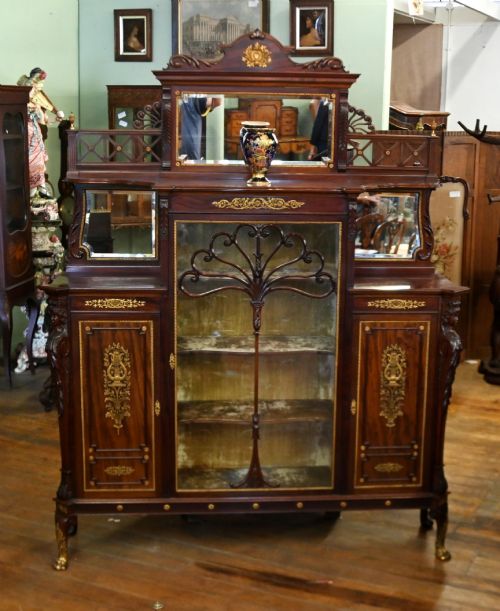
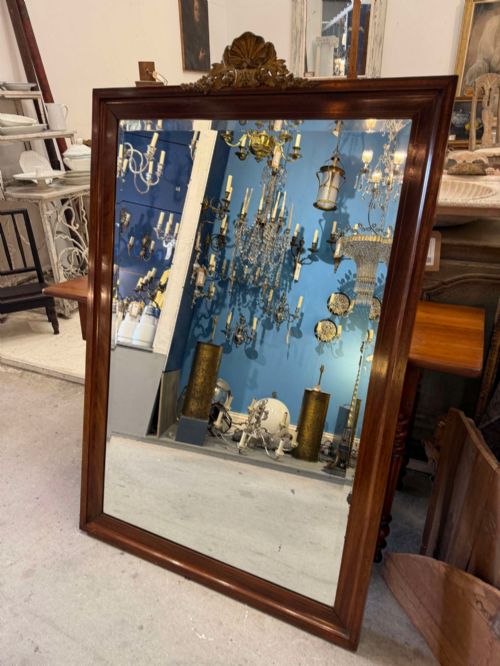
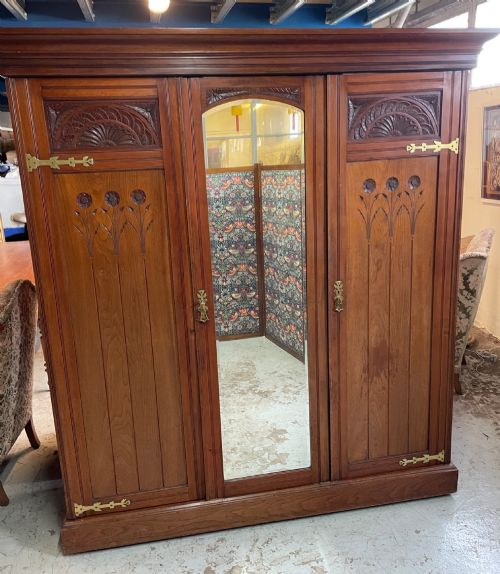
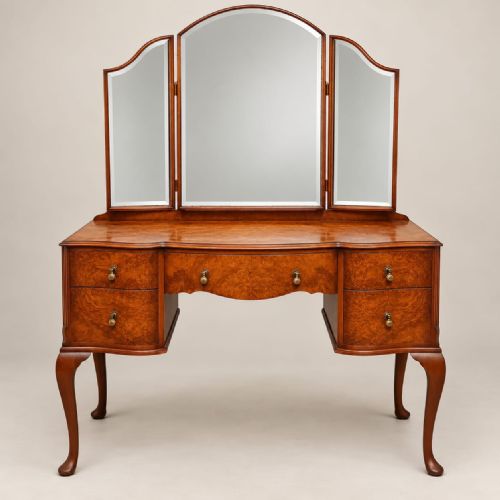
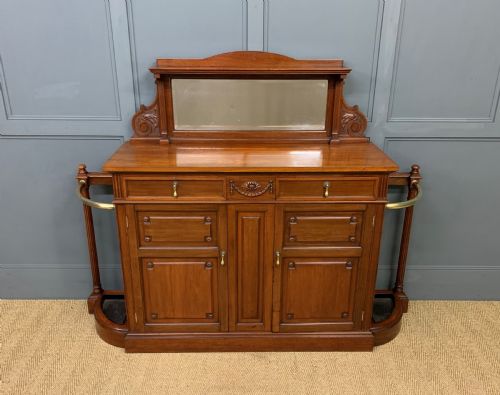

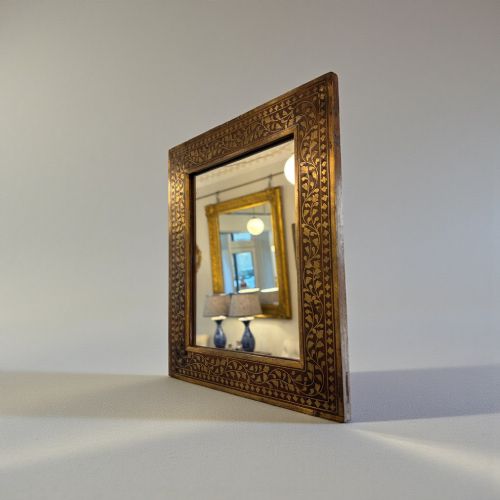
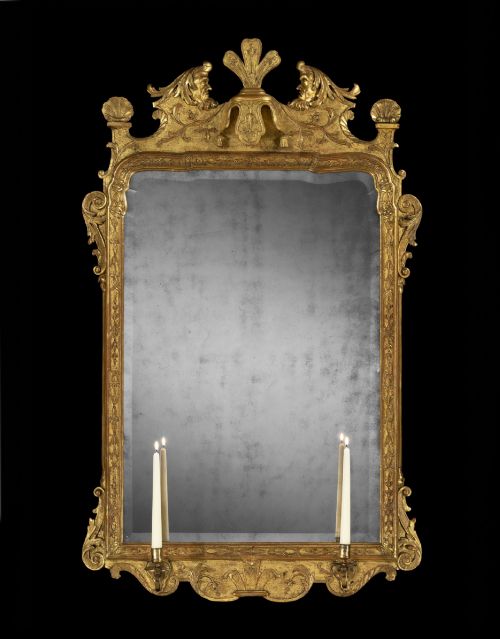
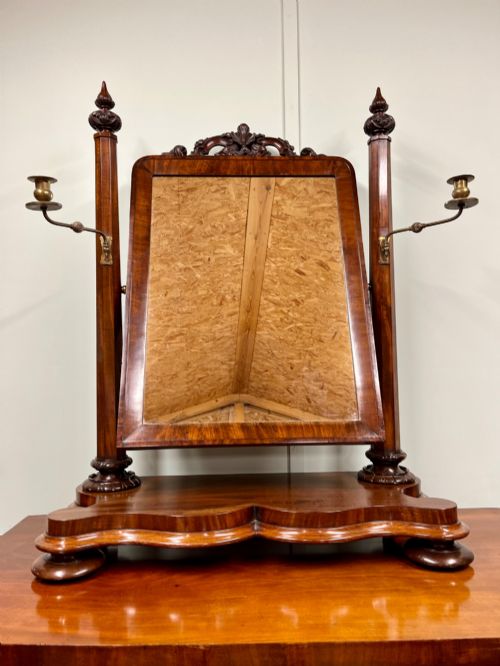
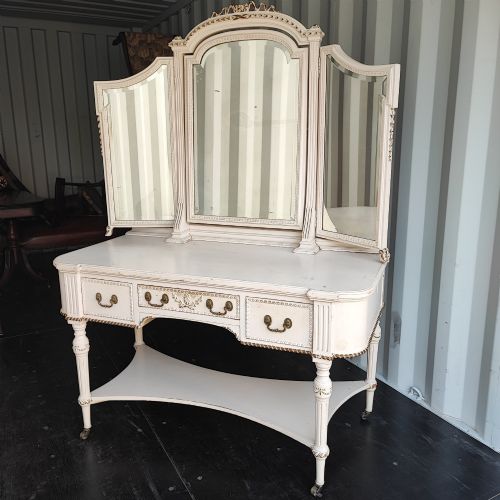
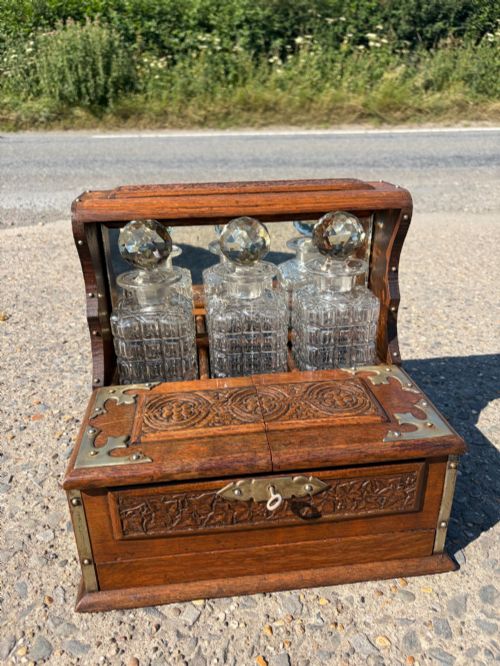

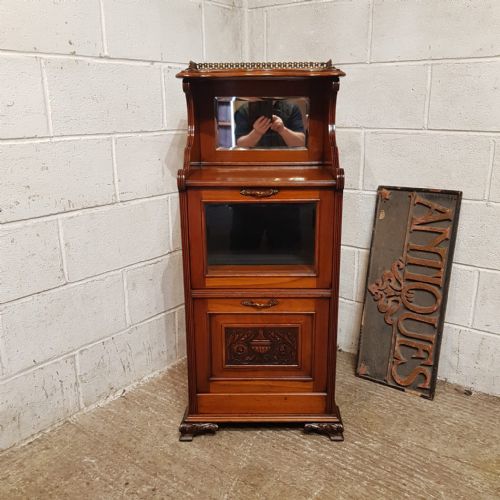
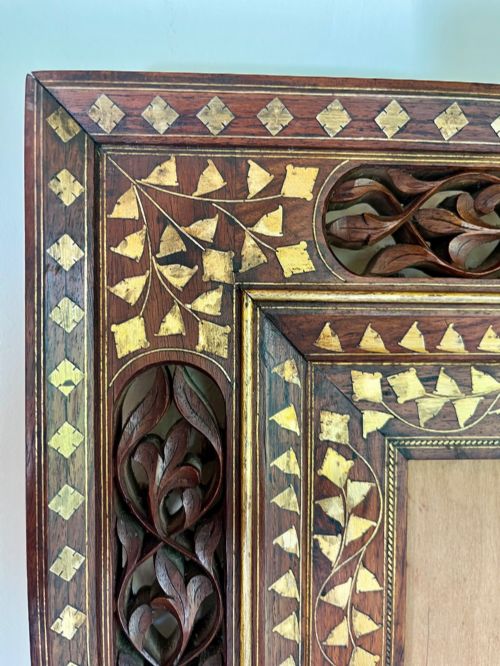
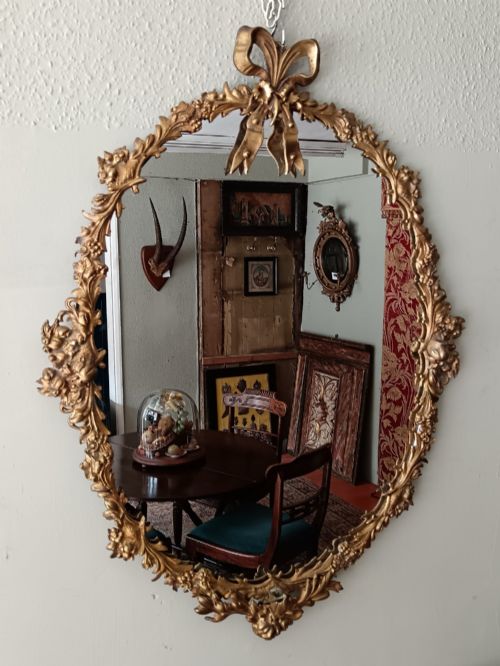

Carved Brass Mirror
These carved brass mirror examples bring striking reflective depth and intricate metallic detail to a room, drawing the eye instantly.
Carved Brass Mirror
When you search for a carved brass mirror, you encounter decorative wall fixtures defined by substantial metal frames shaped with detailed chased, pierced, or inlaid motifs. The selection includes examples originating from distinct regional traditions such as Kashmiri and North Indian workshops, alongside European interpretations.
Most pieces date from the 19th century and the early decades of the 20th century, capturing Victorian, Arts and Crafts, and Anglo-Indian design movements. These objects function primarily as wall-mounted looking glasses that combine functional reflection with rich surface ornamentation.
Forms vary from compact toilet and vanity mirrors to larger wall-mounted plates, often incorporating secondary materials like wood backing or integrated brass hooks for practical utility.
How they were made
Maker construction relies heavily on sheet brass and cast metal elements fixed to sturdy timber foundations such as walnut, oak, or mahogany. Artisans utilised techniques like hand-chasing, piercing, and hammering to create intricate surface patterns directly onto the metal.
Inlaid versions integrate engraved brass wire or shaped sheet metal sections precisely fitted into wooden frames, particularly visible in pieces from northern India. Frame assembly incorporates traditional joinery for the underlying wood, securing the heavy glass plates safely within the decorated metal surrounds.
Carved Brass Mirror Retail Price Guide 2026
Typical asking prices for carved brass mirror among the pieces listed under this phrase on Sellingantiques today, from the lower quarter to the upper quarter. They describe what is for sale here now, not the wider market.
Listings feature 19th century and early 20th century pieces combining brass, glass, mahogany, oak, and walnut materials.
What varies in quality
Quality rests upon the depth and clarity of the metalwork, distinguishing sharply between crisp, hand-chased ornamentation and shallow, machine-pressed alternatives. Superior items display meticulous attention to detail in the pierced or inlaid patterns, with secure fixing of the brass to the structural frame.
The integrity of the glass plate and the harmony between the metal surround and the timber backing dictate the overall standard. Pieces that retain their original silvering and structural rigidity without modern replacement parts command greater appreciation from collectors.
Shoolbred and Co·Maples of London and Paris
The Carved Brass Mirror Glossary
- Chasing
- A metalsmithing technique where designs are hammered into the front surface of the metal rather than carved away. This method pushes the metal inward to raise relief patterns without removing material.
- Pierced
- Metalwork perforated with cut-out apertures to create intricate openwork patterns. This technique produces lightweight decorative borders and grilles on mirror frames.
- Inlay
- A decorative technique where small pieces of brass are embedded flush into a wooden substrate. It creates contrasting geometric or floral motifs across the surface.
- Bevelled plate
- Mirror glass with edges ground and polished at an acute angle to catch the light. This traditional treatment adds a refined perimeter finish to the reflective surface.
Carved Brass Mirror: Frequently Asked Questions
How do I hang a heavy carved brass mirror safely?
Secure the piece directly into wall studs or utilise heavy-duty wall anchors rated for the combined weight of the metal and glass. Ensure the hanging wire or integrated brackets on the rear are structurally sound before mounting.
Position the mirror at eye level to maximise its reflective qualities and to balance the visual weight of the ornate metal frame within the room.
How should I clean a antique brass mirror frame?
Dust the metal gently with a soft, dry cloth to remove surface particles without disturbing any aged patina. Avoid harsh chemical polishes that strip historical surface character from the brass.
Clean the glass plate using a mild glass cleaner applied to a cloth rather than sprayed directly, preventing moisture from seeping behind the plate or into the wooden backing.
What rooms suit a brass mirror best?
Hallways and entrance spaces benefit greatly from these reflective pieces, especially when paired with matching coat racks or small side cabinets. They bounce natural light into darker circulation areas.
Living rooms and dressing areas also accommodate them well above sideboards, mantelpieces, or dressing tables, adding metallic warmth and textural contrast to wood-heavy interiors.
How can I tell a 19th-century brass mirror from a later reproduction?
Examine the construction of the frame joints, the method of securing the mirror plate, and the characteristics of the glass itself. Older mirrors frequently exhibit slight imperfections in the glass and hand-worked tool marks on the brass.
Check for period-appropriate fixings, screws, and timber backs that match the technological capabilities and material availability of the Victorian or Edwardian eras.