




Carved Bone Folk Art
These carved bone folk art pieces carry the practical hand of sailors, prisoners and remote makers across centuries into your hands.
Carved Bone Folk Art
When you search for carved bone folk art, you encounter a diverse range of objects created by makers working outside formal artistic traditions. The pieces appearing here span from the eighteenth century through to the twentieth century, encompassing items shaped by hands with limited resources and specific local needs.
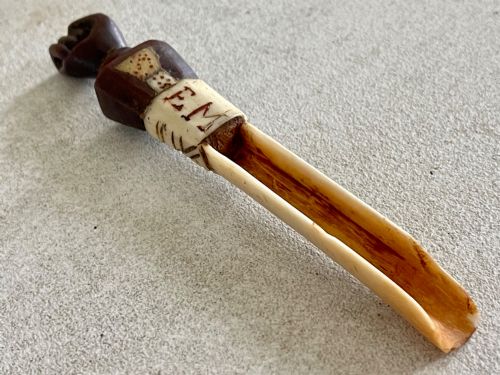
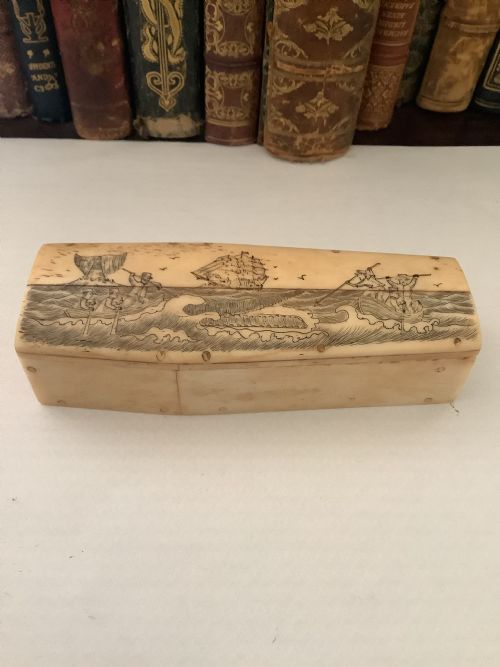
You are most likely to meet walking sticks, snuff boxes and small sculptures created from bone, whalebone and horn. These utilitarian objects often display maritime or tribal origins, reflecting the environments of sailors, prisoners of war and indigenous communities.
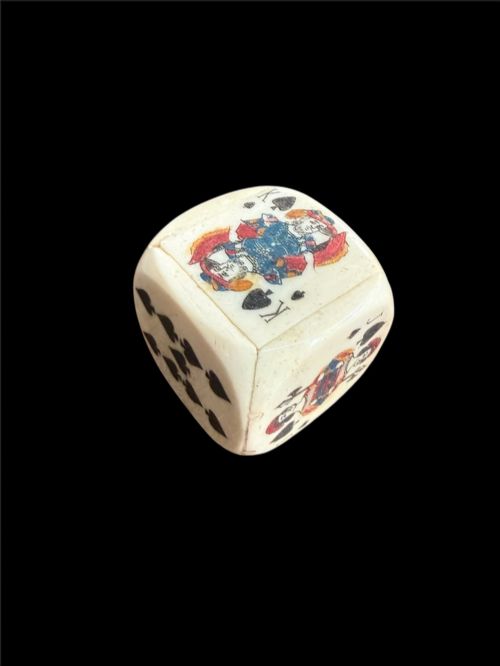
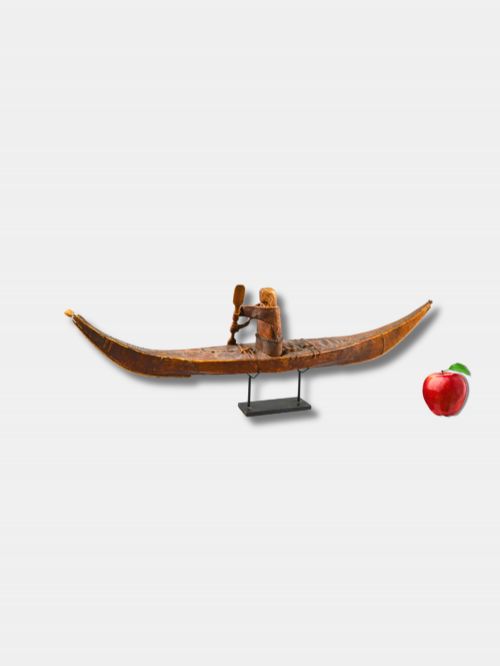
The selection includes specific forms such as dice shakers, love spoons, knife and fork sets, and kayak models. Each item bears the distinct marks of its maker, utilising available materials to produce functional or symbolic items.
How they were made
Makers utilised bone, whalebone and stag horn, often combining them with wood, metal, pigment, ink and tanned seal skin. These organic materials required patience and basic cutting tools to shape into functional forms.
Surface decoration relied on simple incisions, inlays and the application of dark ink or pigment to highlight carved details. Maker techniques ranged from the delicate piercing of toothpicks to the robust shaping of walking stick shafts and figurative sculptures.
Carved Bone Folk Art Retail Price Guide 2026
Typical asking prices for carved bone folk art among the pieces listed under this phrase on Sellingantiques today, from the lower quarter to the upper quarter. They describe what is for sale here now, not the wider market.
Listings feature items incorporating bone, whalebone, horn and tanned seal skin alongside wood and metal.
What varies in quality
The distinction between pieces rests on the precision of the carving and the complexity of the form. Finer examples display meticulous control over hard materials, creating detailed human figures, articulated joints or intricate inlay work.
Proportion and surface patina also define the upper tier of these objects. Pieces that retain clear tool marks alongside a smooth, handled warmth demonstrate both the maker's skill and the object's history of use.
The Carved Bone Folk Art Glossary
- Whalebone
- A tough, flexible material derived from baleen whales, frequently utilised by sailors and maritime communities for walking sticks and sculptures. It holds fine detail and darkens pleasingly with age.
- Treen
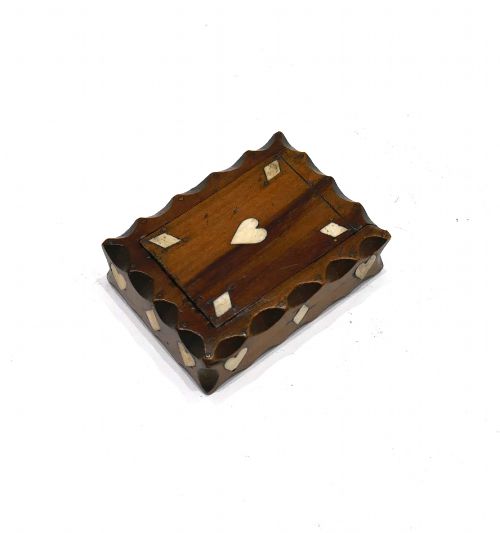
- Small handmade wooden household objects, sometimes inlaid with other materials like bone hearts and diamond shapes. This term covers functional treen items made for daily domestic use.
- Memento mori
- An artistic or symbolic reminder of the inevitability of death, often carved in bone during the nineteenth century. These items prompt contemplation of mortality.
- Prisoner of war work
- Objects carved by detained combatants, particularly during the Napoleonic conflicts, utilising scrap bone and tooth. Makers fashioned delicate items such as toothpicks and whimseys.
- Love spoon
- A decorative wooden or horn spoon traditionally carved as a token of affection or engagement. These pieces feature symbolic motifs and regional European designs.
Carved Bone Folk Art: Frequently Asked Questions
What is carved bone folk art?
Carved bone folk art encompasses utilitarian and decorative objects made by non-professional artisans using animal bone, whalebone and horn. These items include walking sticks, boxes and small sculptures shaped by sailors, indigenous communities and prisoners.
They reflect the everyday resourcefulness of makers who transformed discarded or accessible animal materials into personal possessions, tokens of affection or trade goods.
Who made these carved items?
The makers include nineteenth-century sailors, prisoners of war, indigenous Inuit carvers and regional European craftspeople. Each group worked with the materials available in their specific environment.
Maritime workers shaped whalebone during long voyages, while detained individuals used scrap bone to pass time and create intricate personal items.
How should I care for bone objects?
Bone and whalebone require stable environmental conditions away from direct heat sources and strong sunlight, which can dry and crack the material. Gentle dusting with a dry cloth is generally sufficient.
Avoid using liquid cleaners or oils, as historic bone surfaces often rely on a natural patina built up through handling and age.
How do I identify the age of these pieces?
Dating relies on stylistic clues, the nature of the wear, and the specific materials or forms associated with known periods like the Georgian or Edwardian eras. Tool marks can also indicate whether a piece was shaped with early hand tools.
Objects often carry contextual markers, such as specific maritime subjects or prisoner of war construction methods, which help narrow down their creation period.