





Folk Art Kitchenalia
Folk art kitchenalia pieces are utilitarian kitchen objects shaped by vernacular craft, offering tangible historical character for display in a home.
Folk Art Kitchenalia
Folk art kitchenalia encompasses practical household tools and display items originating from rural and domestic life across the eighteenth and nineteenth centuries. These utilitarian objects bridge the gap between everyday function and vernacular artistic expression.
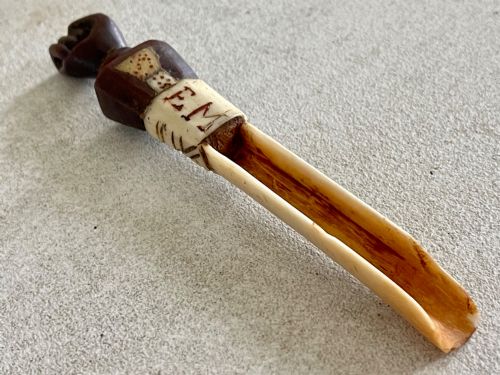
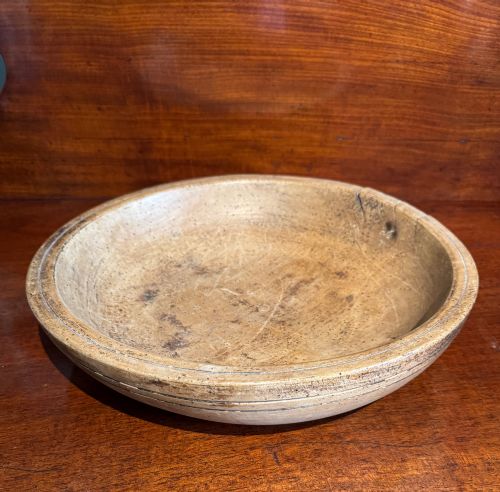
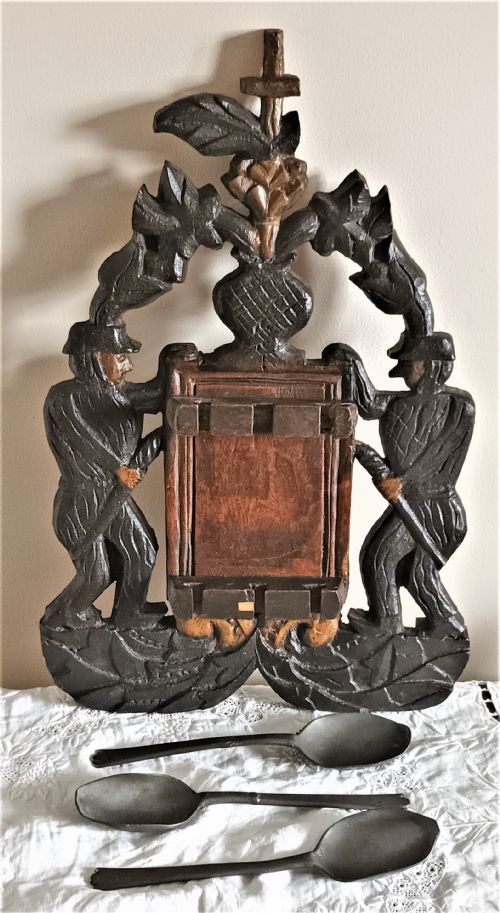
Buyers encountering this selection will frequently find dairy bowls, spoon racks, butter prints, and serving utensils shaped by regional makers. The pieces carry the distinct visual language of periods such as the Georgian and Victorian eras, alongside Welsh vernacular traditions.
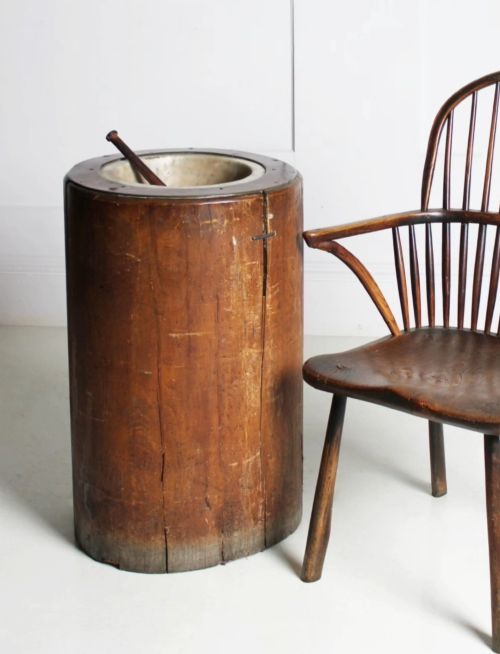
Forms range from floor standing pestles and mortars to shop display models of bread and carved gingerbread moulds. Each item reflects the domestic routines and regional trades of past centuries through tangible material culture.
How they were made
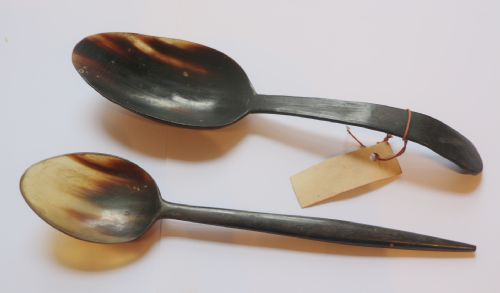
Makers utilised available local timbers such as sycamore and oak, alongside metal, stone, horn, and pewter, shaping them with hand tools. Woodworking techniques involved turning and carving to produce functional items like dairy bowls, nutcrackers, and biscuit cutters.
Surface treatment often included applied paint, as seen on pine knife sharpeners and flour scoops, adding decorative presence to utilitarian articles. Skilled hands also carved intricate details into gingerbread moulds and butter prints using traditional gouges and knives.
Folk Art Kitchenalia Retail Price Guide 2026
Typical asking prices for folk art kitchenalia among the pieces listed under this phrase on Sellingantiques today, from the lower quarter to the upper quarter. They describe what is for sale here now, not the wider market.
What varies in quality
Quality rests in the vigour of the carving and the sculptural presence of the form, distinguishing spirited vernacular work from routine utilitarian production. Pieces with deeply expressive motifs, such as carved horses on gingerbread moulds or distinct heart shapes on love tokens, demonstrate superior craftsmanship.
The degree of original surface preservation and honest wear from daily domestic use determines the character and appeal of each object. Rich patination earned through decades of handling elevates simple materials like sycamore and oak into compelling decorative items.
The Folk Art Kitchenalia Glossary
- Treen
- Small wooden domestic objects made by turning, carving, or joining. These items include kitchenware and personal accessories shaped by historical craft traditions.
- Dairy bowl
- A large open vessel utilised in milk processing and cream separation before industrial dairying. Sycamore was frequently chosen for these bowls due to its hygienic properties.
- Butter print
- A carved wooden stamp used to impress identifying patterns, such as acorns and wheat, onto blocks of churned butter. They provide evidence of rural branding and domestic craft.
- Trefid spoon
- An early form of spoon characterised by a lobed terminal and a flat stem, common during the seventeenth and early eighteenth centuries. Pewter examples frequently survive alongside wooden utensils.
Folk Art Kitchenalia: Frequently Asked Questions
What is folk art kitchenalia?
Folk art kitchenalia consists of everyday kitchen and pantry tools made by regional craftspeople rather than industrial factories. These objects combine practical utility with vernacular artistic expression.
Items range from carved butter prints and dough troughs to large pestles and mortars. They offer a direct connection to historical domestic routines.
How were these items used?
People used these objects for food preparation, storage, and serving in homes, dairies, and bakeries. Utensils like flour scoops, knife sharpeners, and gingerbread moulds served essential daily functions.
Other pieces, such as shop display models and love token biscuit cutters, fulfilled commercial or personal social roles. Their design served both mechanical efficiency and traditional domestic customs.
How do I live with them?
Folk art kitchenalia items suit display on open shelving, sideboards, or kitchen walls where their textures and patination can be appreciated. Grouping similar materials like sycamore treen creates a strong visual focal point.
These pieces integrate naturally into rustic or contemporary interiors alike. Their sculptural forms bring historical warmth and narrative depth to modern living spaces.
How do I tell periods apart?
Identifying periods relies on observing material choices, tool marks, and stylistic traits associated with Georgian, Victorian, or eighteenth and nineteenth-century craftsmanship. Earlier pieces often display hand- wrought iron or heavier timber construction.
Form evolution and decorative motifs also help distinguish eras, such as trefid spoons pointing to earlier periods. Comparing construction methods against known historical examples clarifies dating.