
Carved Base Table
When you search for a carved base table, you enter a diverse world of architectural woodwork and sculptural supports spanning multiple centuries.
Carved Base Table
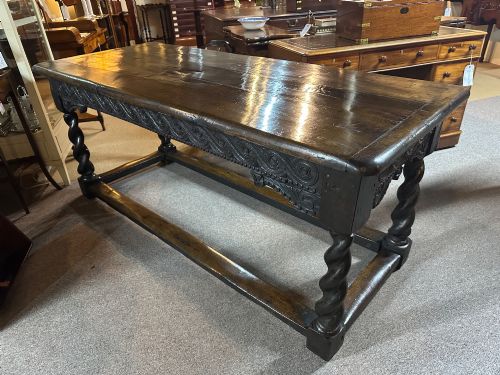
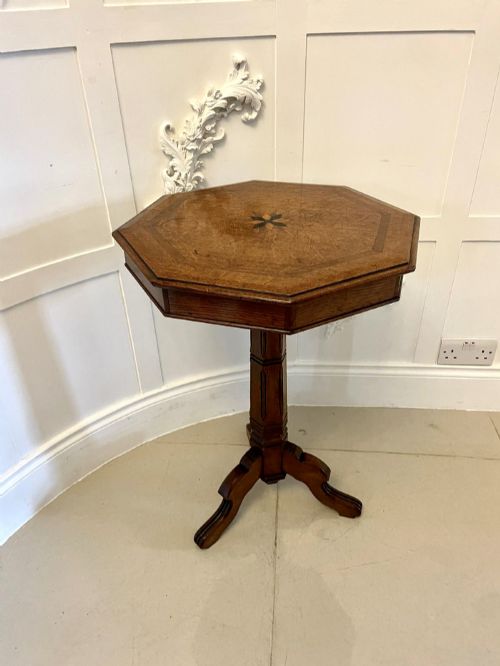
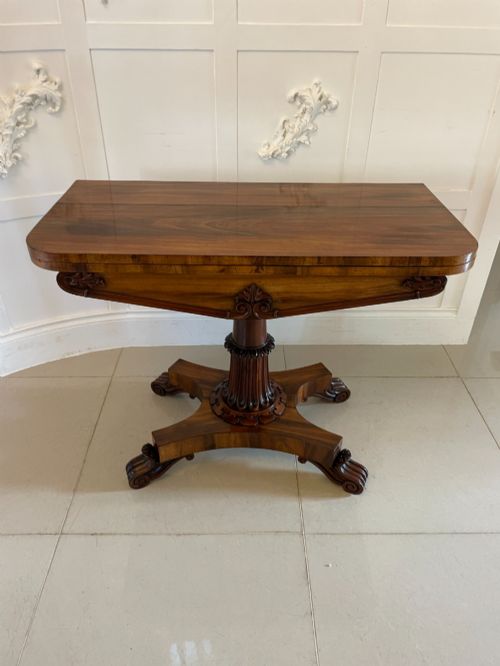
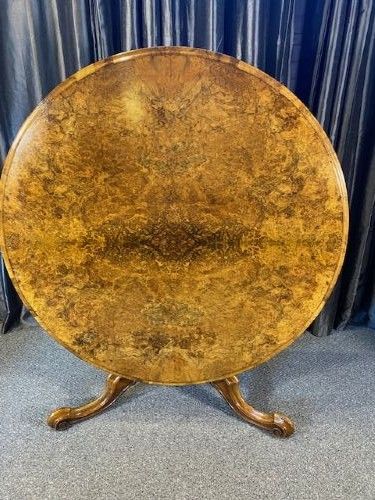
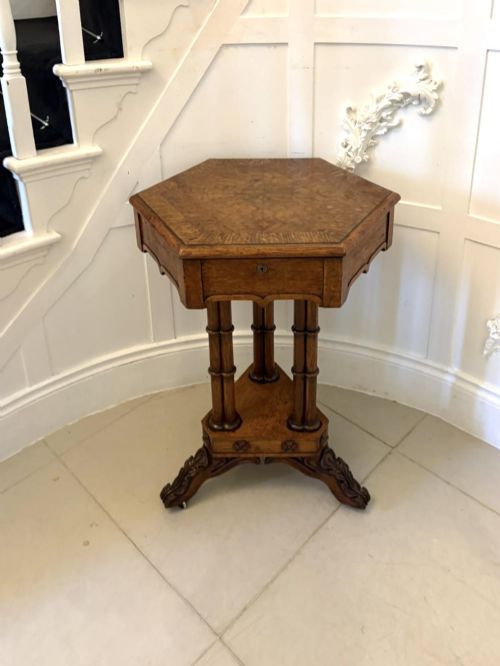
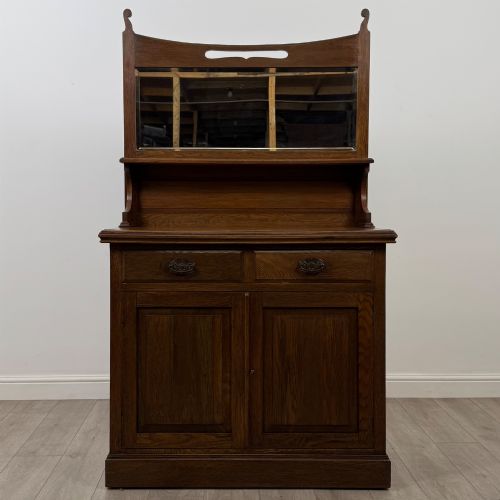
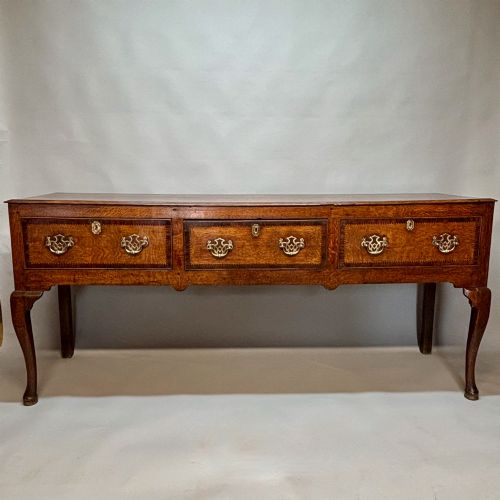
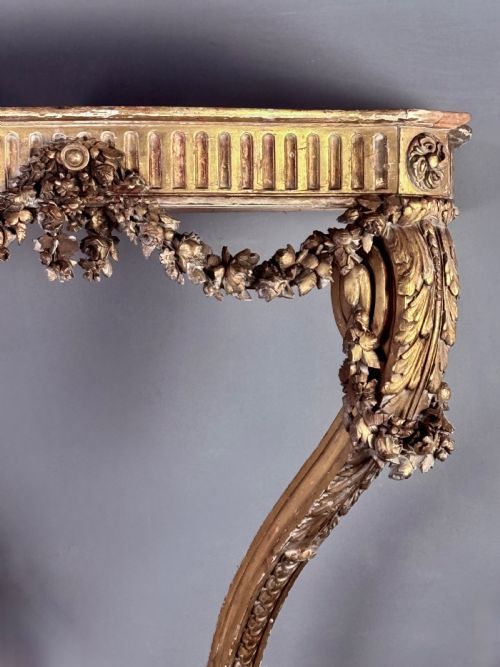
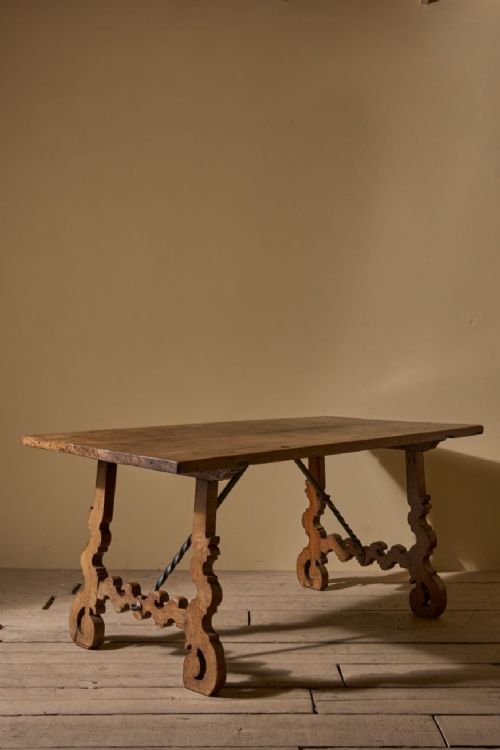
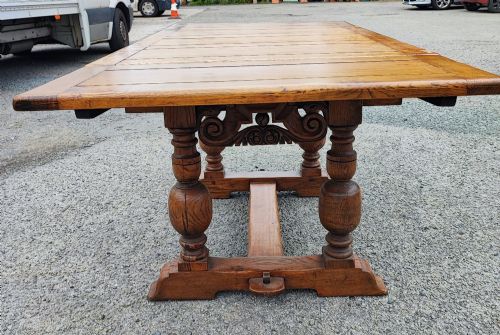
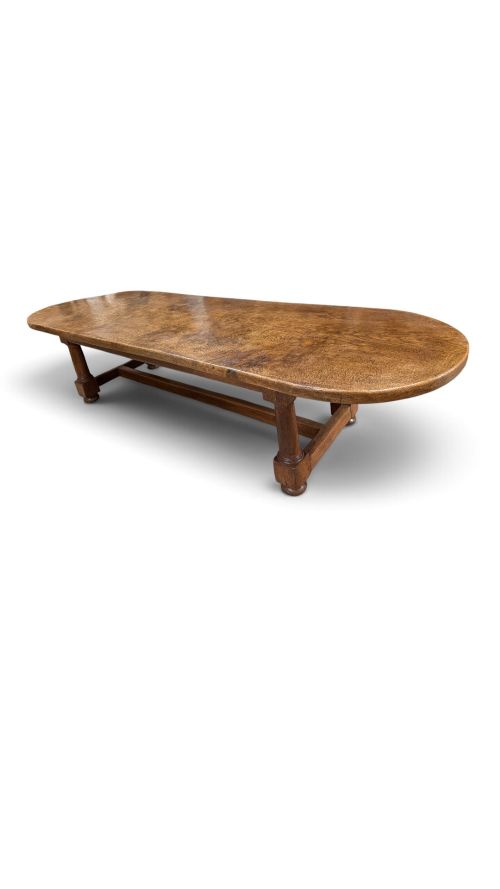
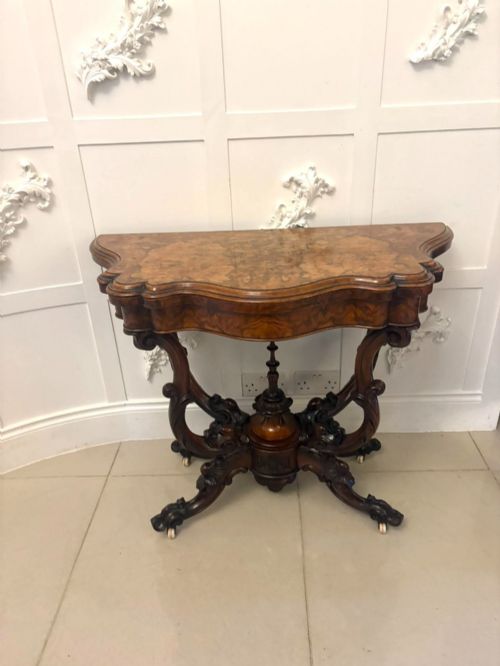
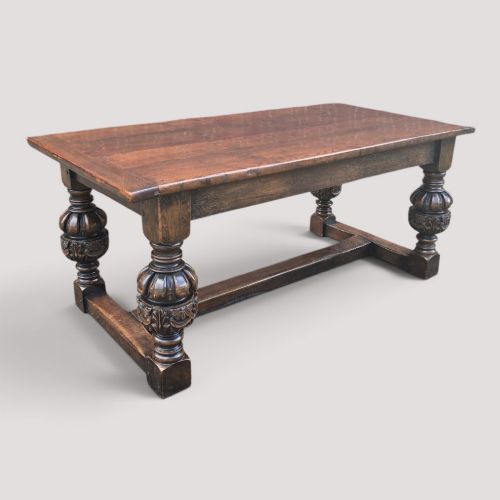
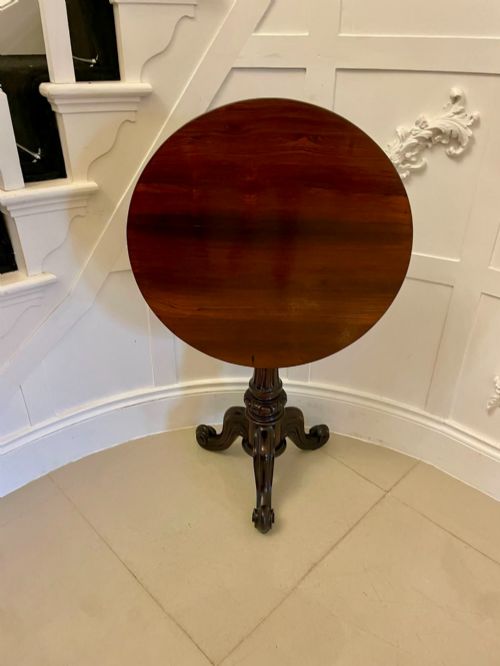
A carved base table brings together functional surfaces and ornate wooden or gilt supports across various historical periods, ranging from Georgian dining formats to Victorian occasional tables. Buyers encounter an array of forms, including robust oak refectory tables, walnut breakfast tables on pedestals, and intricate Anglo-Indian occasional pieces.
The selection on this page demonstrates how structural bases received elaborate hand-carved ornamentation while the tops remained utilitarian or highly polished. Examples span centuries of craftsmanship, featuring heavy timber refectory variants alongside delicate rosewood lamp tables and console pieces.
Origins stretch from English country workshops to French studios and Indian production centres, creating a rich mix of regional styles. Most pieces you meet on this page date from the nineteenth and early twentieth centuries, reflecting changing domestic fashions in dining, drawing room display, and hospitality.
Materials and techniques
Makers utilised dense timbers such as oak, mahogany, rosewood, and burr walnut to construct both the tops and the substantial carved supports. Solid woods provided the necessary strength for heavy relief carving on pedestals, tripod legs, and stretcher bases.
Craftsmen employed traditional joinery techniques, combining mortise and tenon frames with hand-chiselled detailing to bring depth and texture to the wood. Gilt wood and brass inlays also appear, adding contrasting metallic highlights to carved wooden frames.
Some tables hide elaborate mythical creatures within their friezes, keeping watchful guard over your dining room floor.
What varies in quality
The standard of carving defines the upper tier of these pieces, separating mechanical output from deeply undercut, fluid artisan work. Crisp execution in foliage, figures, or geometric motifs indicates a higher level of workshop skill.
The choice of timber and veneer figure dictates visual presence, with quarter-sawn oak, rich burr walnut, and figured mahogany commanding greater visual depth. Construction integrity, such as stable pedestal joints and original stretcher systems, anchors the enduring value of the piece.
Felix Alfred Ternisien·Thomas Hope·Gillows of Lancaster
The Carved Base Table Glossary
- Refectory table
- A long dining table historically used in communal halls and characterised by solid legs joined by a lower stretcher rail. These heavy oak pieces often feature draw-leaf mechanisms to extend the top.
- Tilt-top table
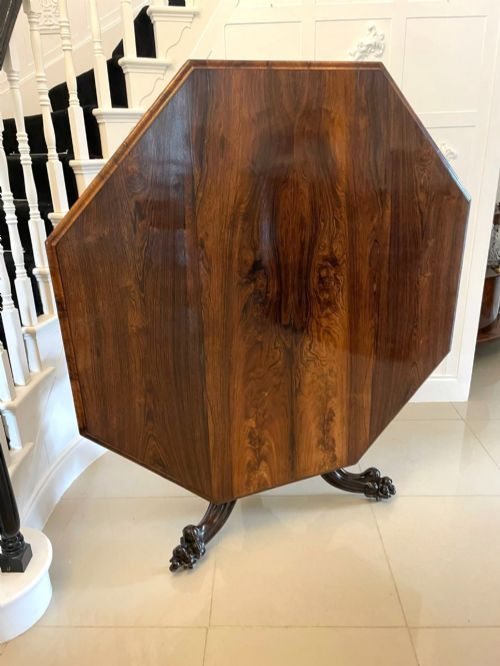
- A small or medium table with a mechanism allowing the surface to fold vertical when not in use. This clever design saved valuable floor space in period drawing rooms.
- Triform base
- A three-sided or three-legged support structure commonly found beneath nineteenth-century pillar tables. It provides stable triangulation for heavy central columns.
- Gueridon
- A small French occasional table, frequently supported by a single central pillar or figural base. The form originated in the seventeenth century and remained popular through the Victorian era.
- Dresser base
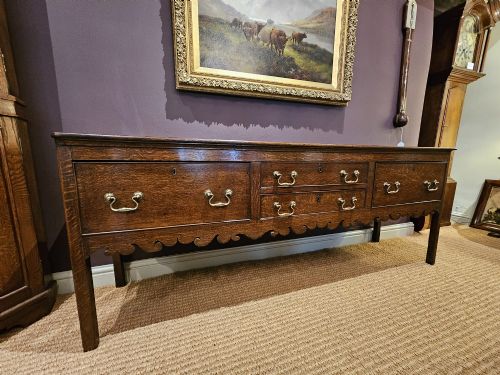
- A low sideboard fitted with drawers, originating as a kitchen or dining room utility piece for food preparation and storage. Oak and fruitwood versions often display robust turned or carved legs.
Carved Base Table: Frequently Asked Questions
What is a carved base table used for?
These tables served various domestic purposes depending on their height and top configuration, ranging from formal dining to intimate tea service.
Smaller formats acted as lamp tables, wine stands, or card tables, while larger refectory and pedestal designs anchored the dining room.
How do I identify the period of a table?
Dating relies on combining the timber species, construction joinery, and the specific style of the carved ornamentation on the base.
Earlier eighteenth-century pieces often display heavy oak framing, whereas Victorian examples favour rosewood or burr walnut with revivalist motifs.
Are tilt top tables stable?
Tilt-top tables utilise a dependable catch mechanism beneath the top to lock the surface securely horizontal during use.
The tripod or quadrapod base beneath provides balanced weight distribution to prevent tipping.
How should I care for a wood table?
Maintain timber surfaces by dusting with a dry cloth and avoiding placement near direct heat sources or strong sunlight.
Periodic application of suitable natural wax preserves the polish and protects the carved details from drying out.