


Carved Base Dining Table
A carved base dining table brings substantial presence to a room, uniting functional surface area with decorative woodworking from centuries past.
Carved Base Dining Table
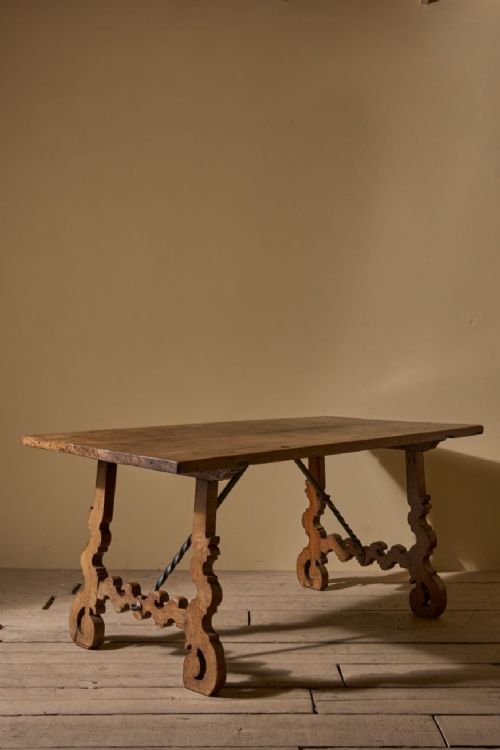
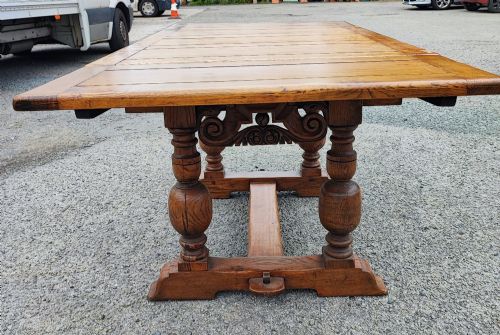
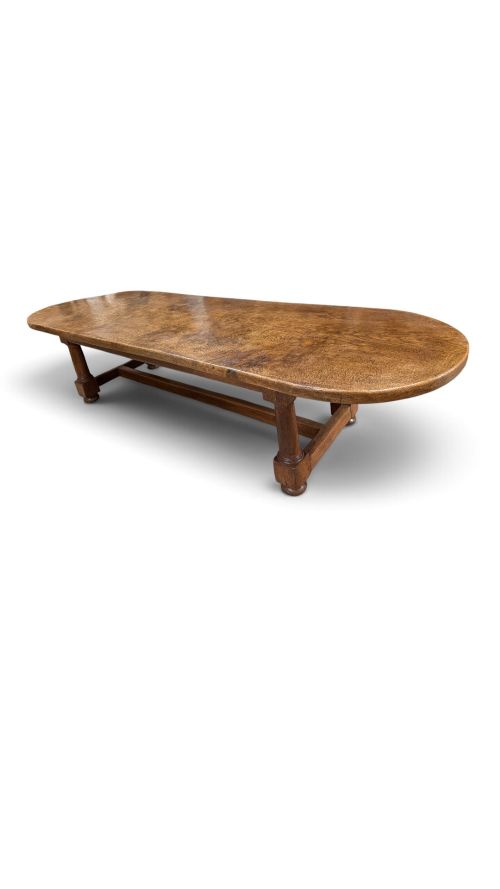
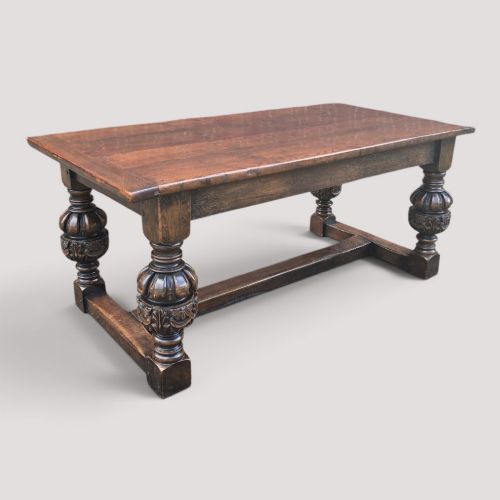
A carved base dining table unites a generous wooden top with an intricately shaped or sculpted support structure beneath. Buyers searching this phrase encounter substantial formats intended for communal dining or central placement in larger rooms.
The selections span diverse eras from the seventeenth century through the Edwardian period, incorporating farmhouse formats alongside formal breakfast and centre tables. Oak and rosewood dominate the physical evidence, often appearing in refectory, tilt-top, and pedestal configurations.
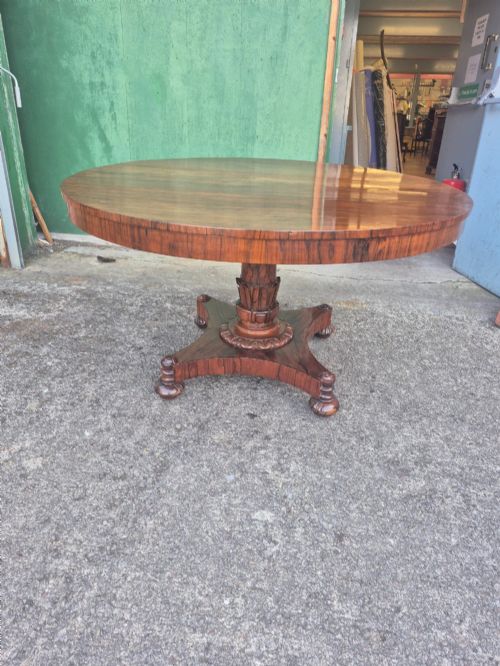
The most common versions met on this page are nineteenth-century Victorian and William IV examples featuring rosewood or mahogany, alongside sturdy oak refectory tables from later revival periods. These pieces balance practical seating capacity with sculptural pedestals, legs, or trestle supports.
How they were made
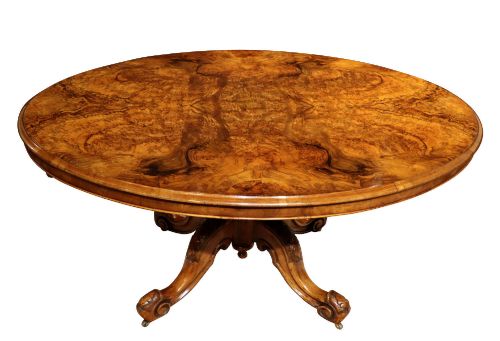
Cabinet makers utilised heavy timbers like oak, mahogany, and rosewood, selecting dense grain to withstand the structural demands of large dining surfaces. Walnut and burr walnut also appear frequently, offering rich figured patterns on tabletops and pedestals.
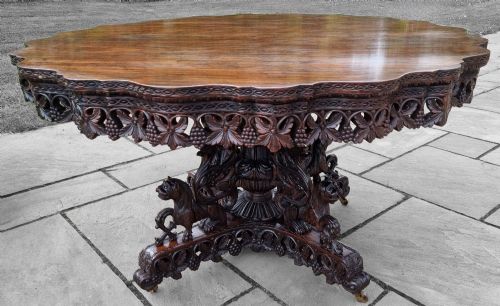
Carving was executed by hand directly into solid timber components, shaping pedestals, friezes, and quadrapod or triform bases into elaborate motifs. Secondary materials such as brass fittings, iron mechanisms, and parcel gilding provided functional reinforcement and visual contrast.
Materials recorded across these tables include wrought iron, brass, cherrywood, padauk, and multiple varieties of oak and mahogany.
What varies in quality
The distinction between standard examples and the finest pieces lies in the depth and sharpness of the hand carving on the base. Crisp detailing on columns, friezes, and feet indicates superior craftsmanship compared to softer, more mechanical execution.
Timber selection dictates overall merit, with choice burr walnut veneers, single-plank oak tops, and rich rosewood grains elevating certain pieces. The integrity of mechanical elements, such as wind-out extension mechanisms or tilt-top latches, further separates utilitarian furniture from exceptional specimens.
Gillows
The Carved Base Dining Table Glossary
- Refectory table
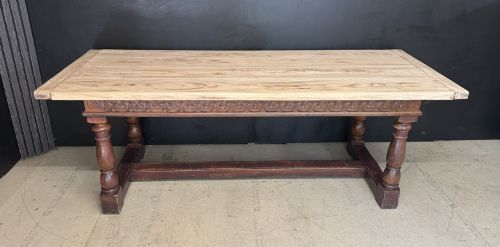
- A long, narrow dining table traditionally used in monastic dining halls. These pieces typically feature sturdy wooden legs connected by low stretchers for added stability.
- Tilt-top table
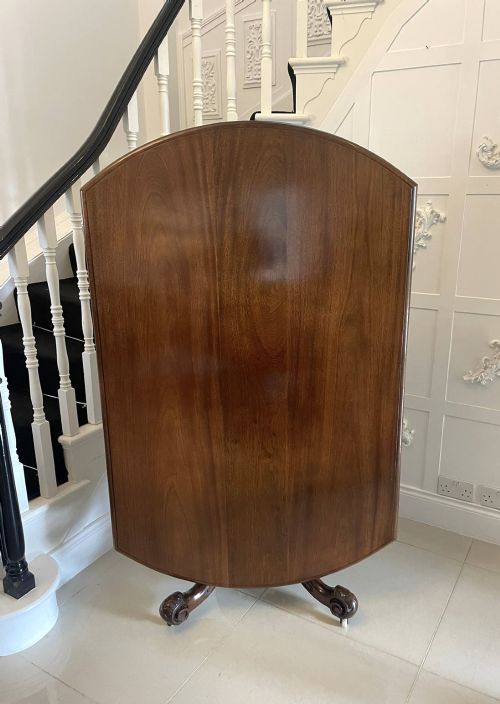
- A table with a hinged top that can be pivoted into a vertical position when not in use. This mechanism allowed tables to be stored flat against walls to save space in period interiors.
- Draw leaf table
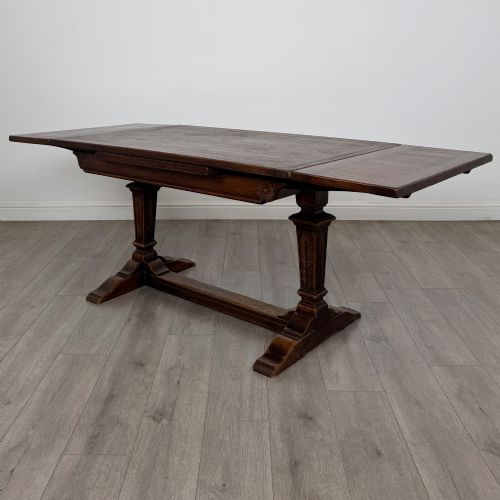
- An extendable dining table equipped with hidden leaves beneath the main surface. These leaves pull out from either end to quickly increase seating capacity.
- Triform base
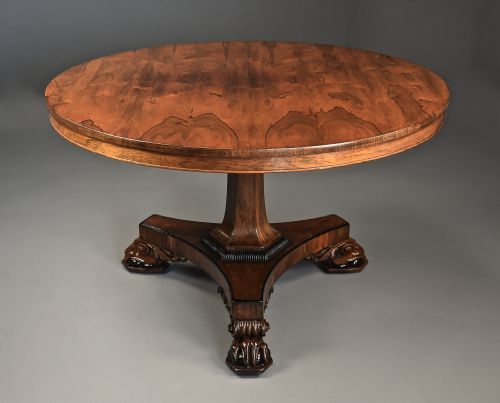
- A three-sided support structure often found beneath circular tables of the Regency and William IV eras. It provides balanced weight distribution for heavy pillars and carved feet.
- Quadrapod base
- A four-way pedestal support system resting on feet or castors. This configuration frequently underpins large Victorian oval and circular tables.
Carved Base Dining Table: Frequently Asked Questions
How do I identify a Victorian carved base table?
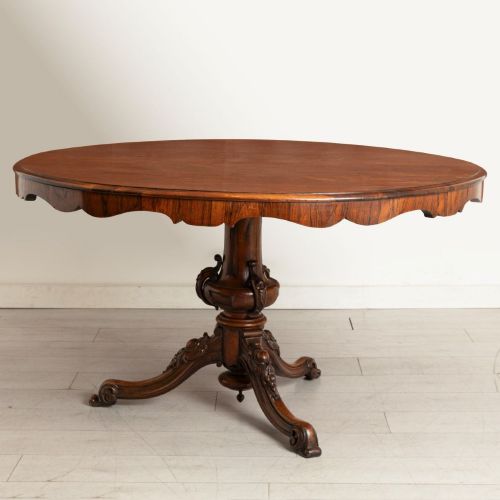
Victorian examples often feature dark woods such as rosewood, walnut, or mahogany paired with heavy pedestals or snap-top mechanisms. Look for deep, naturalistic carving on the central column and substantial feet.
These pieces frequently date from the mid to late nineteenth century and reflect the period's preference for solid, impressive proportions in domestic dining spaces.
What is a refectory dining table?
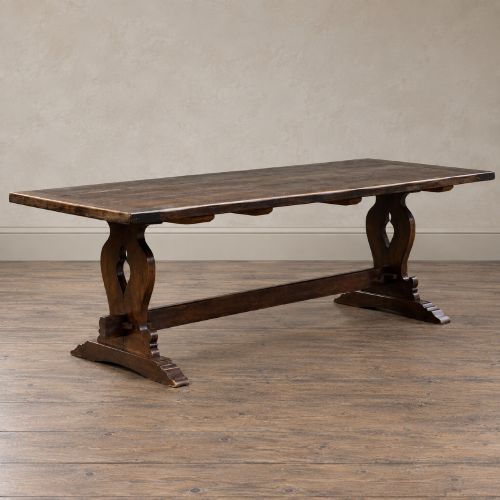
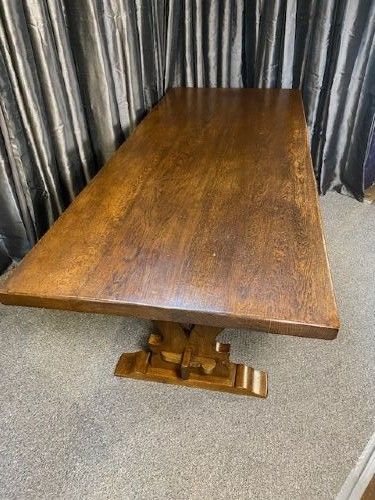
A refectory table is a long, narrow form originally designed for communal dining and monastic halls. They are typically constructed from heavy oak with thick legs and sturdy floor stretchers.
In domestic settings, they provide robust everyday surfaces and accommodate numerous diners comfortably along their length.
How do tilt-top tables function?
Tilt-top tables utilise a hinged mechanism beneath the surface that allows the heavy wooden top to pivot vertically. This clever design enabled historical households to push unused tables against walls to reclaim floor space.
When lowered for dining, a brass catch or wooden peg secures the top firmly in a horizontal position.
Where should I place a centre table?
Centre tables are designed to stand free in the middle of a room rather than pressed against a wall. Their decorative carved bases and finished tabletops can be appreciated from all thirty-six0 degrees.
They work well in large entrance halls, libraries, or spacious drawing rooms where they serve as a focal point for lamps or decorative objects.
How do draw leaf tables extend?
Draw leaf tables feature two sliding panels concealed beneath the main tabletop. To extend the surface, you simply pull the end leaves outward while the central section drops slightly into place.
This system allows for quick adjustments to table length without requiring separate loose leaves to be stored elsewhere.