

Carved Base Cabinet
When you search for carved base cabinet, you look for substantial storage furniture grounded by distinct decorative woodwork from past centuries.
Carved Base Cabinet
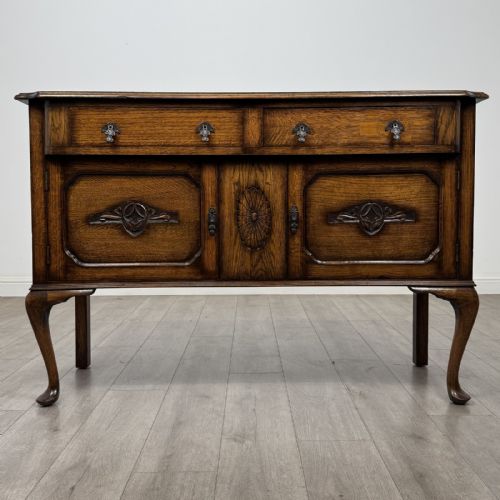
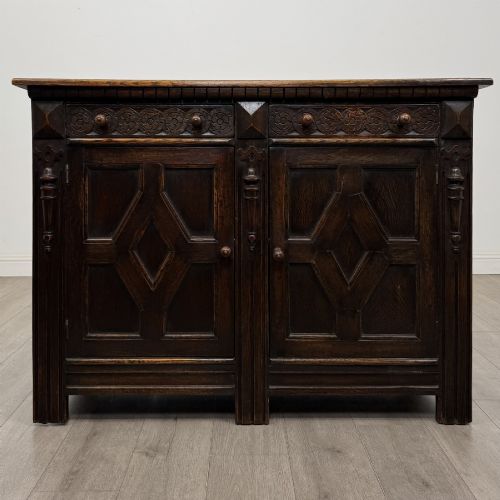
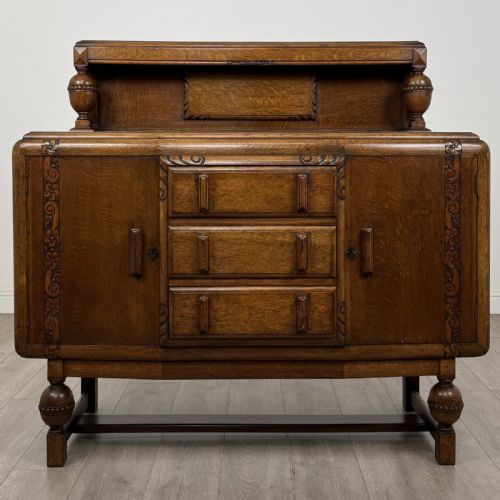
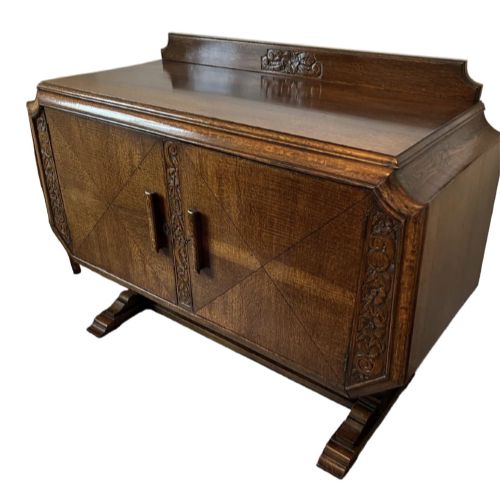
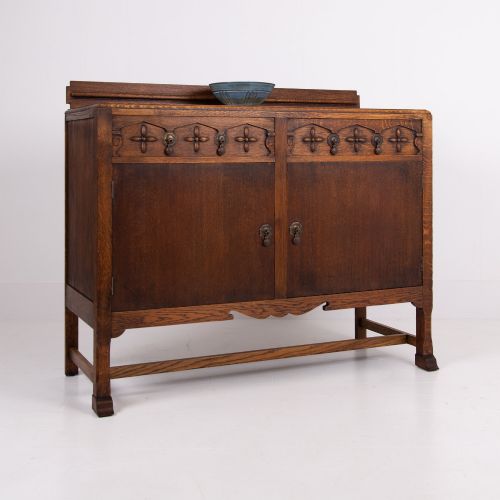
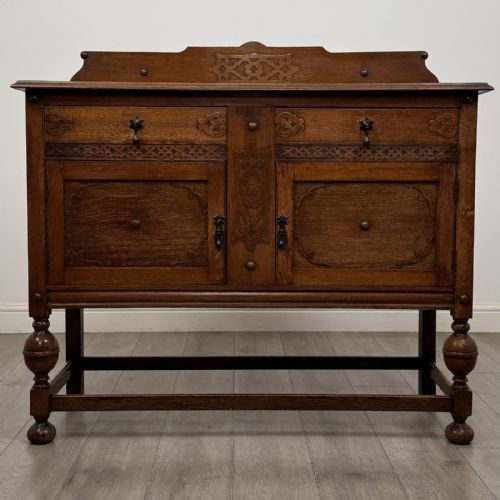
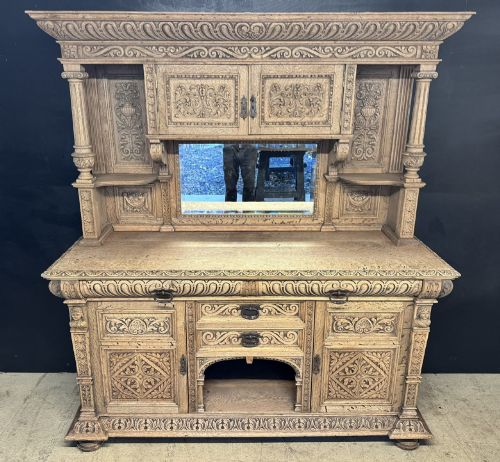
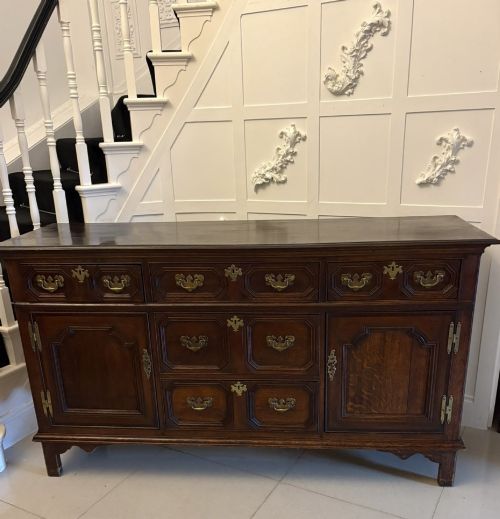
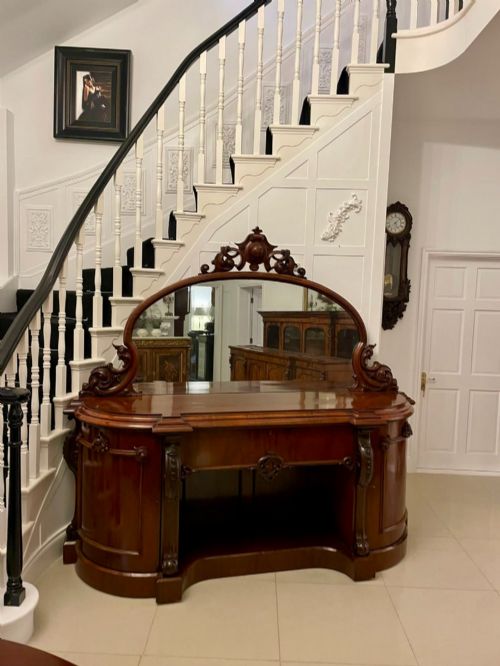
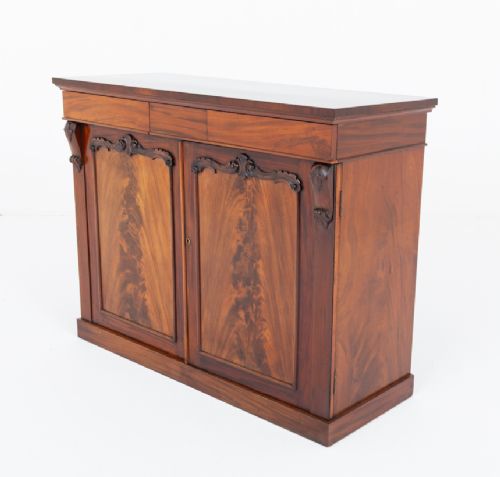
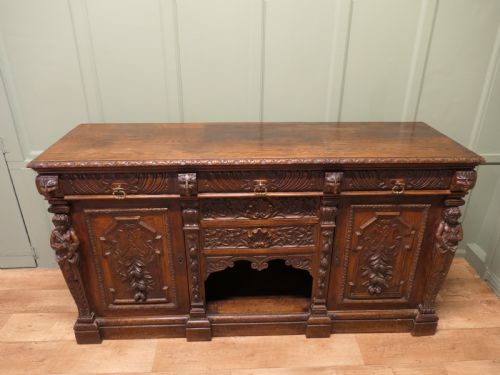
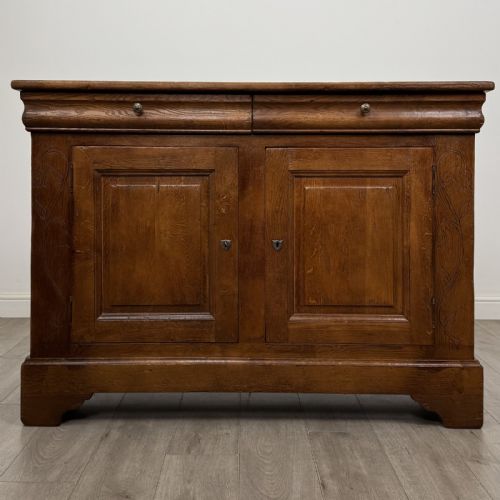
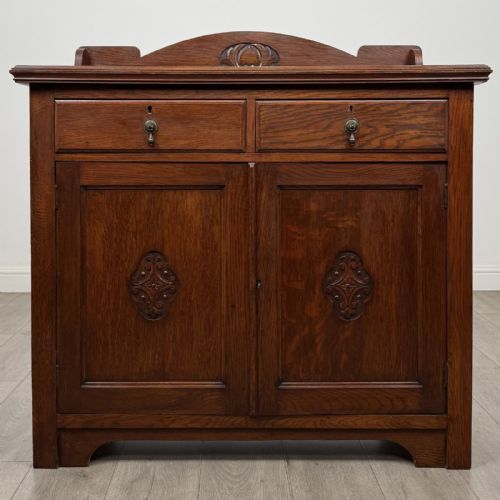
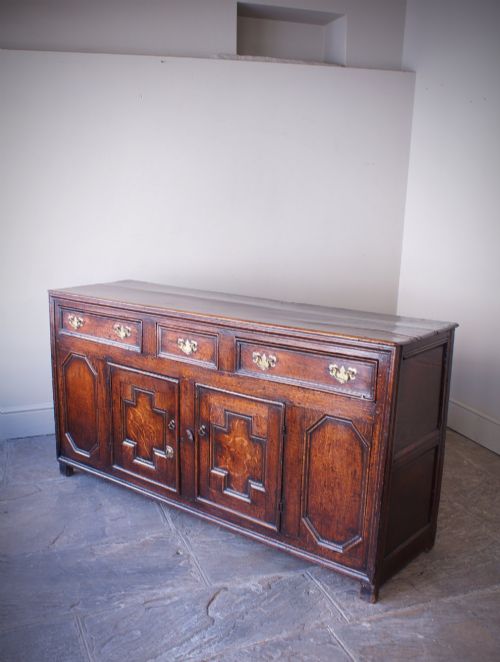
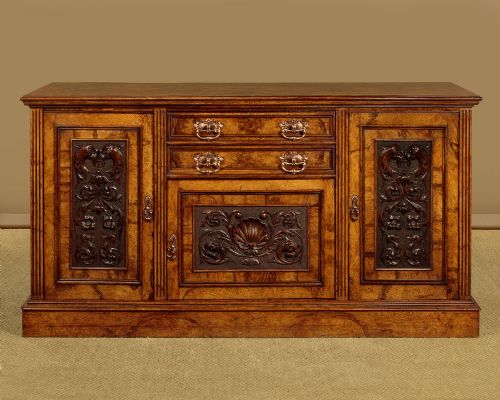
A carved base cabinet encompasses sturdy storage forms like sideboards, dressers, and cupboards featuring heavily ornamented lower structures. These pieces serve as practical storage units while anchoring a room with traditional craftsmanship and sculptural woodwork.
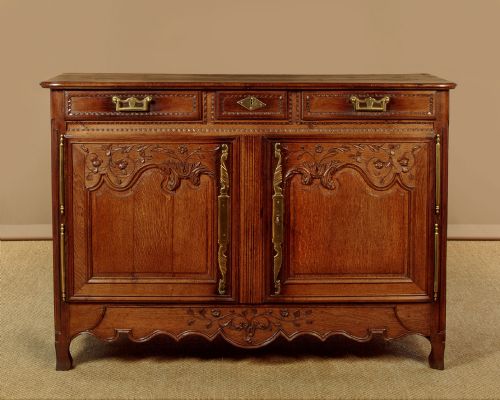
On this page, you are most likely to meet oak and mahogany examples from the Victorian, Edwardian, and early twentieth-century periods. These frequently incorporate revival styles such as Jacobean, Gothic, and Arts and Crafts alongside French provincial designs.
Materials and construction
Cabinetmakers predominantly utilised solid oak and mahogany for these frameworks, frequently complemented by walnut, rosewood, and pine. Timber selection dictated the depth of the carving and the overall weight of the structure.
Joinery techniques combined pegged mortise and tenon joints with fielded panels, framed doors, and applied mouldings. Hardware typically included cast brass handles and iron fittings, securing the heavy doors and drawer fronts.
Carved Base Cabinet Retail Price Guide 2026
Typical asking prices for carved base cabinet among the pieces listed under this phrase on Sellingantiques today, from the lower quarter to the upper quarter. They describe what is for sale here now, not the wider market.
Forms include sideboards, dressers, display cabinets, and bookcases with glazed or solid panel doors.
What sets individual pieces apart
Quality rests in the crispness and depth of the hand-carving upon the timber, distinguishing confident sculptural work from shallow mechanical execution. Finer examples retain original patination, well-figured wood grain, and integrated structural elements like stretchers or raised galleries.
The integrity of the internal construction, including solid wood drawer linings and original hardware such as brass face handles, determines the enduring standard of the piece. Proportion and restraint in the ornamental carving also separate superior provincial and revival pieces from heavier, less balanced items.
The Carved Base Cabinet Glossary
- Dresser base
- A low wooden storage unit featuring drawers or cupboards, originating as a functional kitchen surface for food preparation. It often forms the lower half of a larger two-part dresser.
- Fielded panel
- A wooden panel with bevelled edges that sits within a recessed groove inside a frame. This traditional method allows the timber to expand and contract safely with humidity changes.
- Stretcher base
- A system of horizontal wooden bars connecting the lower legs of a cabinet for added stability. These supports frequently feature shaped profiles or central turning details.
- Linenfold
- A style of carved wooden panelling resembling folded vertical sheets of fabric. It is commonly found on Tudor and revival oak cupboard doors.
- Green Man
- A decorative architectural carving depicting a human face emerging from or entwined with foliage. It symbolises rebirth and appears frequently on nineteenth-century revival furniture.
Carved Base Cabinet: Frequently Asked Questions
What is a carved base cabinet used for today?
These robust cabinets function effectively as sideboards in dining areas or as general storage consoles in living spaces. Their deep lower cupboards and drawers accommodate tableware, linens, and media items.
The sturdy top surfaces also provide ample display space for lamps, books, and decorative objects, blending historical character with modern utility.
How do I identify a revival style piece?
Revival pieces combine older decorative motifs, such as Jacobean twist turnings or Gothic tracery, with the construction methods of their actual manufacturing era. Look at the interior timbers and drawer linings to determine the true age of the construction.
Makers working in the nineteenth and twentieth centuries often deliberately recreated seventeenth-century aesthetics, utilising heavy oak and deep relief carving to emulate antique prototypes.
Are these cabinets difficult to maintain?
Routine maintenance requires only gentle dusting with a dry cloth and occasional application of appropriate beeswax to nourish the timber. Avoid placing these wooden items near direct heat sources to prevent the panels from splitting.
Proper environmental care preserves the original finish and ensures the heavy doors and drawers continue to operate smoothly within their frames.