


Carved Barrel Back Chair
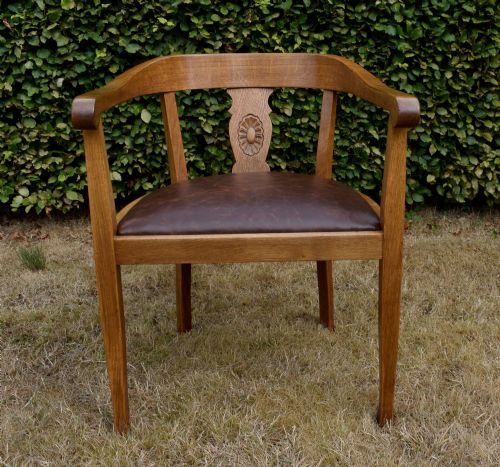
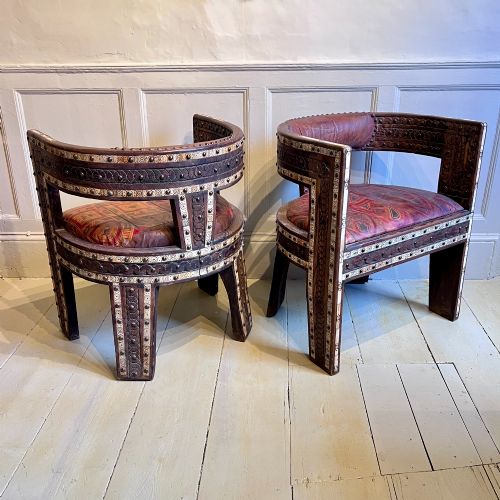
A carved barrel back chair wraps you in a curved embrace, offering solid support and deep seating comfort.
Carved Barrel Back Chair
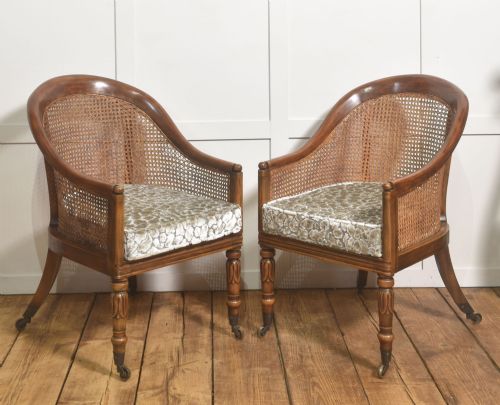
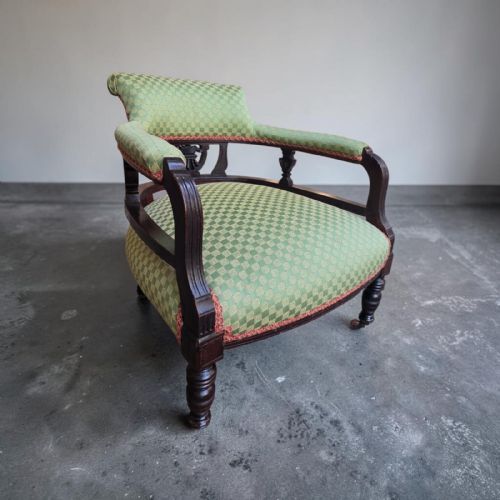
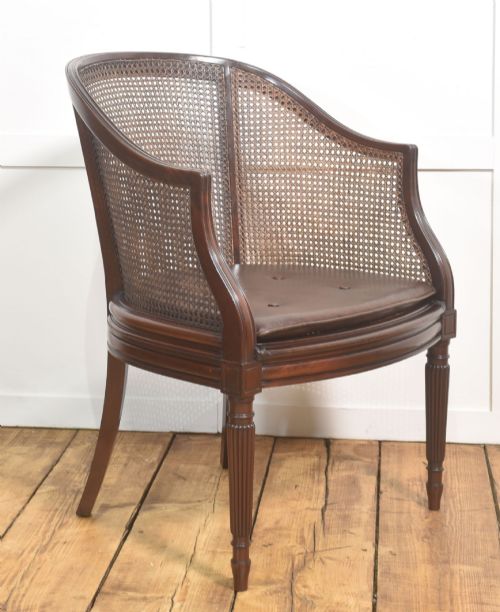
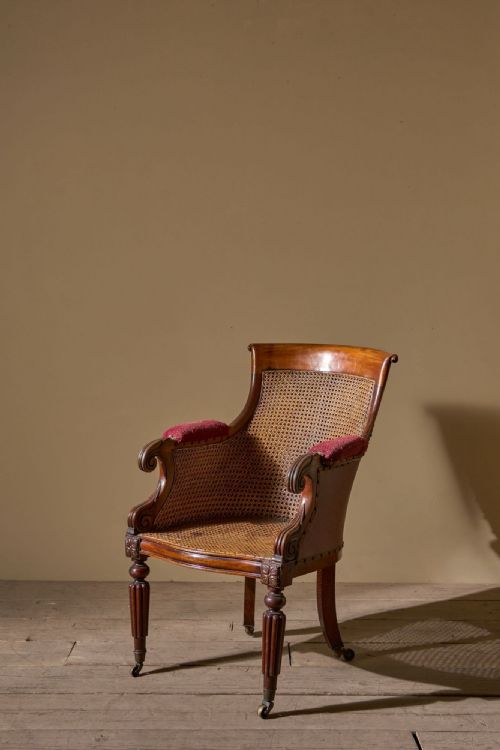
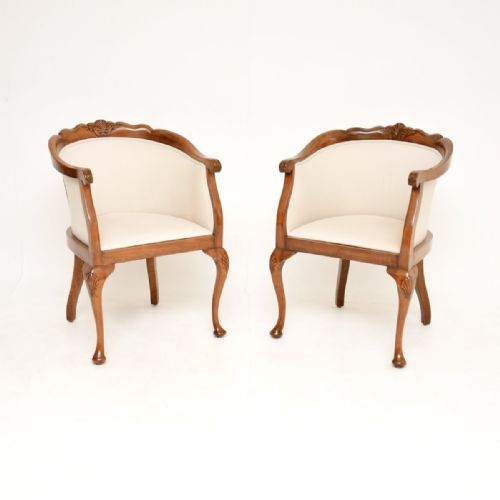
When you search for a carved barrel back chair, you look for a seating form defined by its semicircular backrest that flows continuously into the arms. These pieces serve as substantial library seats, desk chairs, and parlour armchairs designed to provide enclosed comfort.
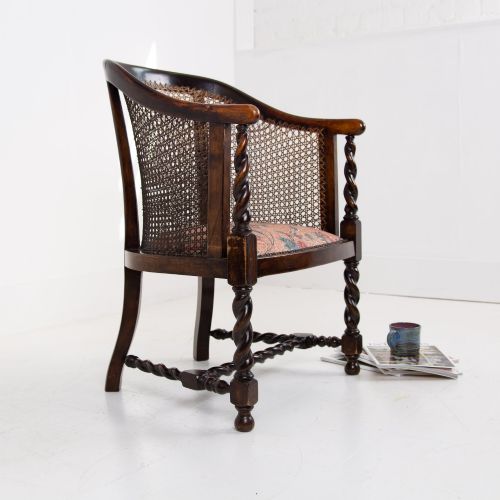
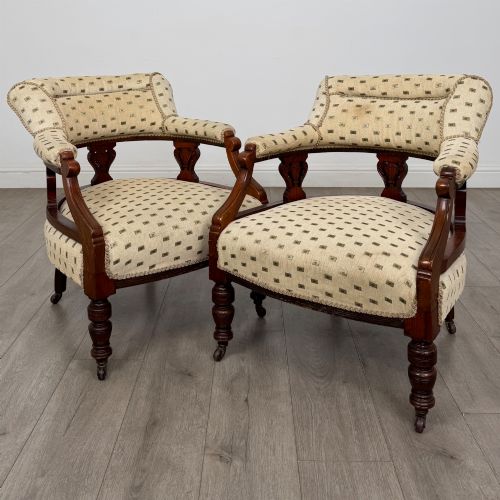
The evidence shows these chairs span the Victorian, Edwardian, and Georgian periods, alongside early twentieth-century examples. You will frequently encounter mahogany and walnut frames, often featuring upholstered tubs or cane panels.
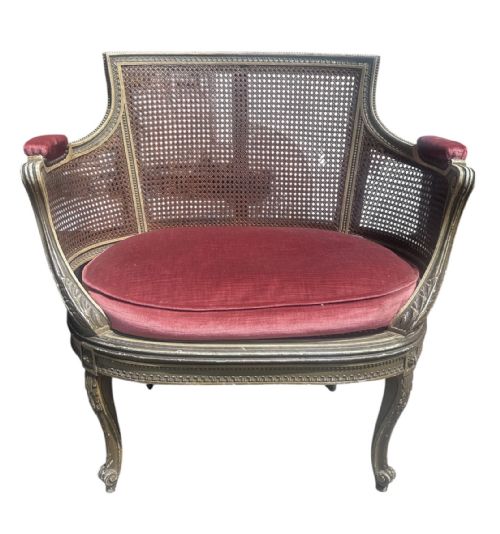
Makers adapted this enclosed form across various revival styles, including Queen Anne, Louis XV, Louis XVI, and Jacobean. Surviving examples range from simple country house library chairs to ornate French-influenced parlour seating.
Materials and Construction
Cabinetmakers constructed the characteristic curved back frame using dense hardwoods such as mahogany, walnut, oak, and assorted hardwoods. These timbers were steam-bent or carved from solid stock to achieve the continuous barrel shape.
Seating portions incorporate traditional materials like cane work, brass details, and sturdy wood frames designed to support various textile coverings. Upholstered versions utilise fabric, leather, velvet, and button-back techniques over internal padding.
Musicians once relied on specialised parlour chairs to practise without getting their instruments tangled in the arms.
Assessing Quality and Craftsmanship
Quality rests in the fluidity of the carved wooden frame and the structural integrity of the curved backrest joints. Superior examples display crisp detail in the woodwork and seamless integration between the arms and the rounded shell.
The choice of primary timber and secondary materials elevates a piece, distinguishing standard library seating from finely figured walnut or mahogany designs. Finer chairs retain balanced proportions and sophisticated revival styling without losing their robust function.
The Carved Barrel Back Chair Glossary
- Tub chair
- An armchair featuring a continuous curved back and arms that form a deep, enclosing bucket shape. This design provides enclosed seating comfort suitable for desks and libraries.
- Bergere
- An enclosed armchair with cane or wicker work panels set into a wooden frame. These chairs frequently include loose upholstered seat cushions.
- Cane
- Woven material made from the outer skin of rattan palms, utilised for seats and back panels. It offers flexible yet durable support.
- Ormolu
- Gilt bronze mounted onto furniture as decorative ornamentation. It appears on revival pieces to add metallic enrichment.
- Showwood
- Exposed wooden framing around an upholstered back or seat. This reveals the polished timber grain alongside the fabric.
Carved Barrel Back Chair: Frequently Asked Questions
Where did people use these chairs?
These chairs served primarily in libraries, studies, and parlours where readers and writers required comfortable, enclosing support for long periods. Their compact footprint also suited bedrooms and intimate seating arrangements.
Today, they function effectively as desk chairs, reading seats, or statement armchairs in living spaces, adapting easily to modern room layouts.
How do I identify a Victorian barrel back chair?
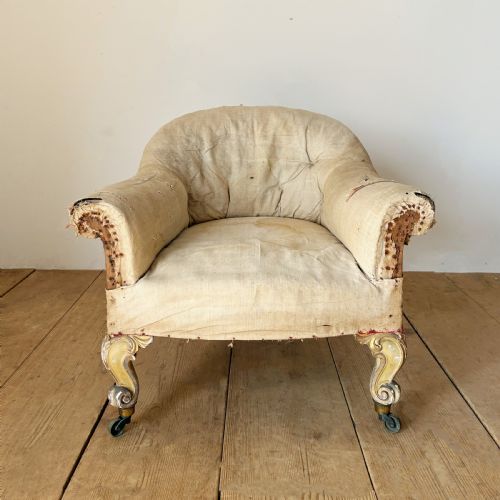
Victorian examples often feature heavy mahogany or ebonised frames with deep button-back upholstery and robust proportions. Look for darker timbers and traditional Victorian upholstery methods such as springs and horsehair stuffing.
They frequently display straightforward library styling or elaborate showwood frames that reflect nineteenth-century taste.
What is the difference between a tub chair and a barrel back?
The terms often overlap, but a barrel back specifically emphasises the curved, cask-like enclosure wrapping around the sitter. A tub chair generally refers to any deep-seated armchair with a continuous curved back.
Both forms prioritize enclosing comfort, though barrel backs often feature more pronounced wooden staves or curved framing.
Are these chairs suitable for daily use?
Most surviving examples were built for robust domestic use from durable hardwoods like mahogany and walnut. Their sturdy construction allows them to endure regular seating when properly maintained.
Checking the stability of the curved back joint ensures the frame remains secure for everyday placement in your home.