





Carved Back Suite
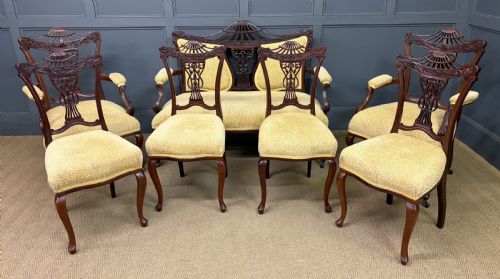
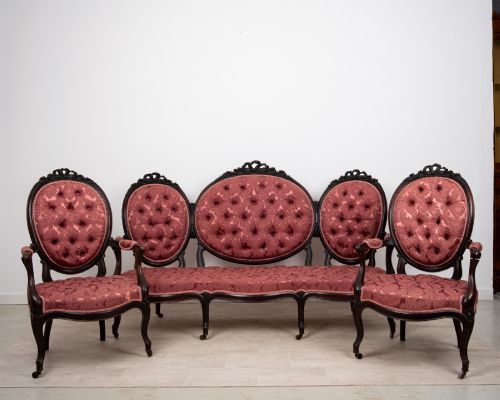
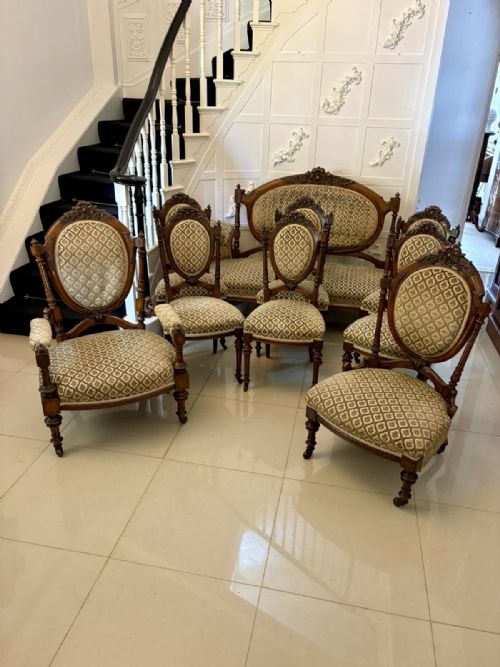
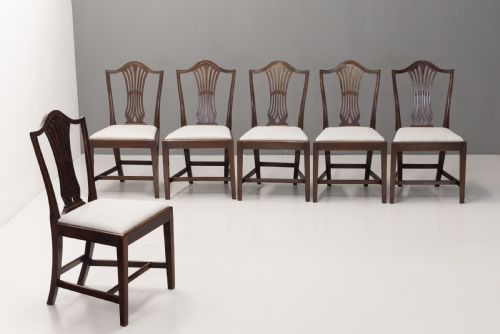
A carved back suite brings together seating with substantial ornamentation, offering historical presence and matching design for formal rooms.
Carved Back Suite
A carved back suite comprises matching seating arrangements built across various historical periods, incorporating dining sets, salon suites, and drawing room collections. The listings show a strong presence of Victorian and Georgian pieces alongside revival styles, providing unified seating configurations for formal interiors.
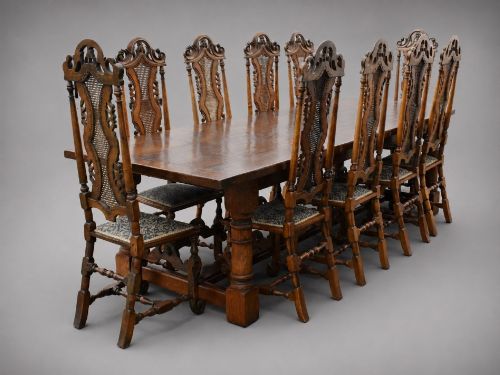
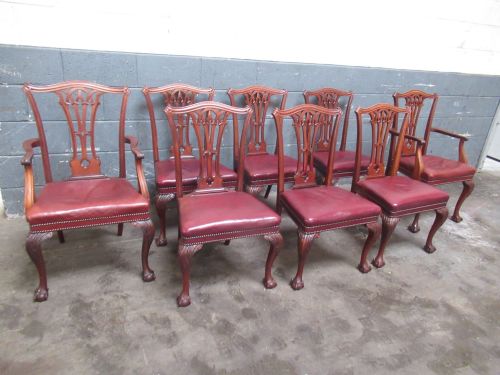
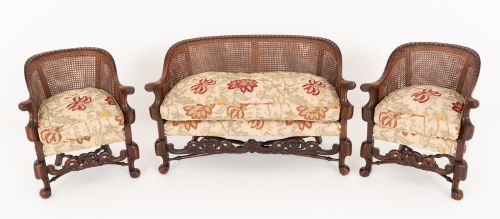
Buyers exploring a carved back suite encounter configurations ranging from large dining sets with multiple chairs to compact salon arrangements consisting of a settee and matching armchairs. The woodwork on these pieces displays distinct regional and stylistic traits, from balloon backs to high splat designs.
The materials span sturdy timbers like mahogany and oak alongside lighter walnut and giltwood, paired with textiles such as leather, velvet, and fabric. These suites serve as cohesive groups of furniture designed for reception rooms, parlours, and dining spaces.
Materials and methods of construction
Makers utilised dense timbers like mahogany, walnut, and oak to construct the frames, ensuring structural integrity for heavy carving on the crest rails and splats. These woods were chosen for their grain patterns and ability to hold intricate chisel work.
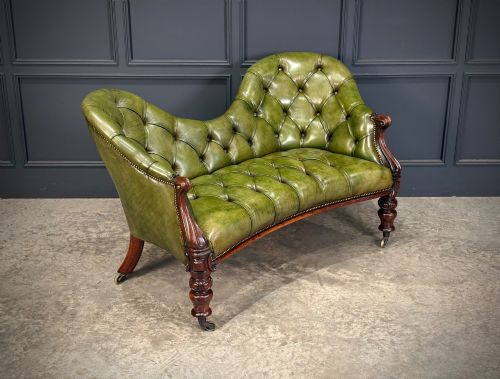
Upholstery techniques involved deep buttoning, horsehair stuffing, and attachment with brass tacks, securing fabrics, leather, and velvet over sprung or webbed bases. Frames frequently combined mortise and tenon joinery with applied mouldings and gilt finishes.
Distinctions in quality
Quality rests on the depth and crispness of the timber carving, where sharper chisel work and well-defined relief motifs separate superior examples from simpler production. The selection of timber grain, particularly matched veneers and solid hardwoods, dictates the visual weight of the piece.
The integrity of the original frame construction and the fidelity of revival styles to their historical precedents influence the standing of a suite. Comprehensive matching across all chairs in a set, rather than assembled collections, marks the higher tiers.
The Carved Back Suite Glossary
- Carver
- An armchair, typically larger and with armrests, designed to sit at the head of a dining table alongside matching side chairs. These often repeat the carved motifs found on the smaller chairs in a set.
- Settee
- A medium-length wooden or upholstered seat with a back and arms, designed to accommodate multiple people. These pieces form central components of Victorian and Edwardian salon suites.
- Giltwood
- Timber coated with a thin layer of gold leaf or gesso, commonly found on French revival salon chairs and armchairs. This finish provides a bright metallic surface that reflects light in formal drawing rooms.
- Splat
- The vertical central strip of wood in the back of a chair, connecting the seat to the crest rail. In dining chairs, this element frequently bears the primary carved decoration or pierced design.
Carved Back Suite: Frequently Asked Questions
How do I date a carved back suite?
Dating relies on identifying the prevailing style, timber choices, and construction methods characteristic of periods like the Victorian era or Georgian times. Details such as balloon backs, cabriole legs, or specific revival motifs offer clear indicators of origin.
Secondary clues include the type of upholstery foundation, hand-cut screws, and the natural ageing of the wood beneath finishes. Comparing the suite to documented examples from the same decade helps narrow the timeline.
Were these suites used in dining rooms?
Many of these sets were created specifically for formal dining rooms, pairing large tables with matching side chairs and carvers. The carved backs provided a decorative element visible when chairs were tucked under the table.
Other configurations belonged in drawing rooms or salons, functioning as conversational seating groups rather than dining furniture. The presence of sofas, armchairs, and footstools indicates a reception room rather than a dining space.
How do I care for antique upholstery?
Maintaining antique upholstery requires keeping pieces out of direct sunlight to prevent fabric fading and leather drying. Gentle vacuuming with a soft brush attachment removes surface dust without damaging delicate textiles or deep buttoning.
Leather surfaces benefit from periodic conditioning using appropriate balms recommended for antique hides. Professional cleaning is advised for delicate silk or velvet coverings to preserve the underlying stuffing.
What is the difference between a salon suite and a dining set?
A salon suite consists of upholstered seating such as sofas, armchairs, and drawing-room chairs designed for reception spaces. These arrangements prioritise comfort and decorative impact with exposed carved wood frames and deep buttoning.
In contrast, a dining set focuses on hard-seated chairs surrounding a table, designed for meal times. Dining chairs feature wooden seats or drop-in upholstered pads rather than fully sprung lounge upholstery.