

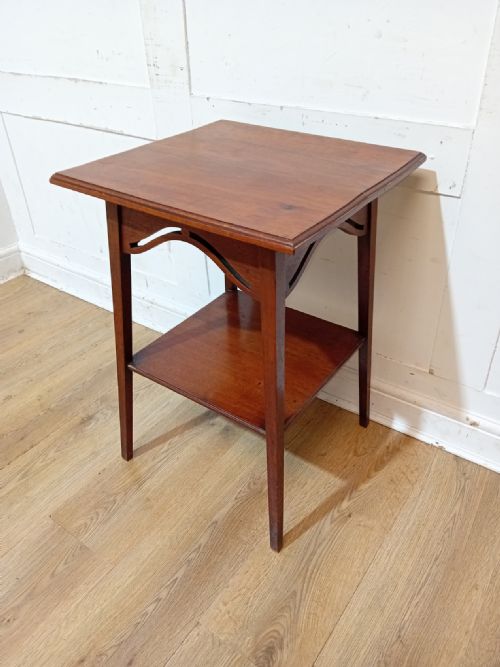


Carved Apron Accent Table
A carved apron accent table brings distinct timber detail and period proportion into a room, offering surface space with understated ornamental timberwork beneath.
Carved Apron Accent Table
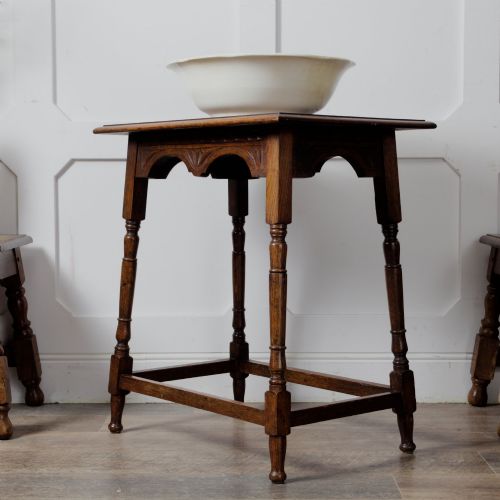
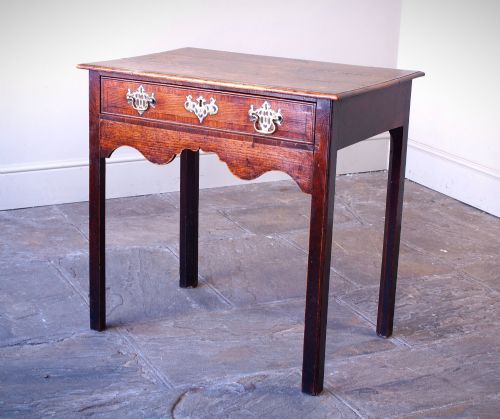
A carved apron accent table comprises low, side, coffee, and centre formats built across several centuries of cabinetmaking tradition. These pieces function as versatile surface furniture, often taking the form of side tables, lowboys, or silver tables designed with decorated friezes beneath the top.
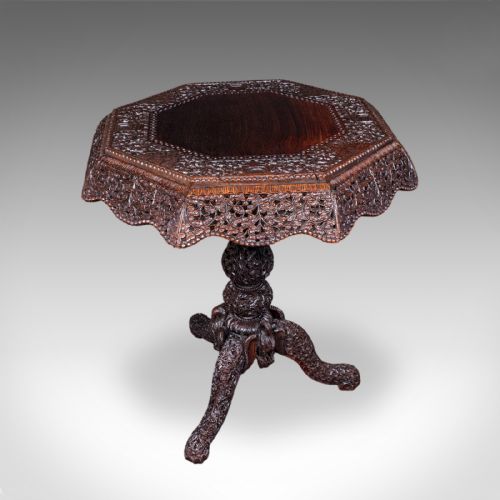
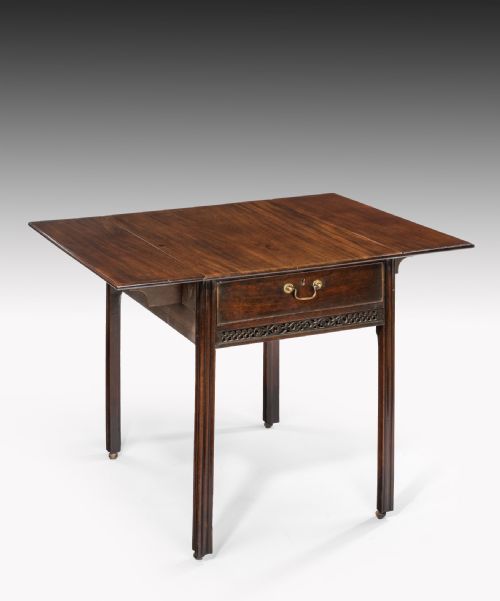
The selection ranges from robust oak examples of the eighteenth century to refined mahogany Georgian pieces and later Edwardian or Victorian incarnations. Chinese hardwood low tables and nesting sets also appear, bringing varied regional carving traditions into the category.
Buyers most frequently encounter oak and mahogany examples dating from the Georgian era through to the late nineteenth century. These items combine practical surface utility with decorative edge work that frames the structure without dominating the room.
Materials and Construction Methods
Makers utilised solid timbers including oak, mahogany, walnut, elm, and rosewood, often pairing dense tropical hardwoods with native British or European woods. Construction relied on traditional joinery techniques such as mortise and tenon frames, allowing the timber to expand and contract naturally over decades.
Carving was executed by hand directly into the frieze or apron beneath the table top, utilising gouges and chisels to create geometric, floral, or scrolling motifs. Brass hardware occasionally supplemented the timber structure on drawer fronts where lowboy or side table formats permitted storage.
Carved Apron Accent Table Retail Price Guide 2026
Typical asking prices for carved apron accent table among the pieces listed under this phrase on Sellingantiques today, from the lower quarter to the upper quarter. They describe what is for sale here now, not the wider market.
Several tables appear to have spent centuries hiding beneath layers of dark varnish, waiting for a patient cloth to reveal the surprising golden glow of original elm and walnut.
Distinguishing Quality in Period Tables
Quality rests upon the crispness of the hand-carved detail along the apron and the integration of the ornament with the underlying timber frame. Superior examples display thoughtful proportions where the depth of the carved frieze balances harmoniously with the slender turned or cabriole legs.
The selection of timber grain significantly influences the character of the piece, with figured walnut, burr veneers, and dense old-growth mahogany representing the higher tiers of craftsmanship. Construction integrity, including the retention of original timber patination and minimal structural alteration, separates standard utility items from finer works.
Liberty of London
The Carved Apron Accent Table Glossary
- Apron
- The vertical member running beneath the edge of the table top, connecting the legs and frequently carrying the carved decoration that defines these tables.
- Lowboy
- A small eighteenth-century dressing or side table featuring one or more drawers beneath the work surface and slender legs.
- Silver Table
- An ornamental side or centre table from the Georgian period, typically featuring an elevated raised edge or gallery and elaborate carved aprons designed to display silver service.
- Pembroke Table
- A small table with hinged drop leaves on either side, supported by pivoting brackets or swing legs.
- Frieze
- The central horizontal band situated directly beneath the top moulding, often serving as the primary canvas for hand-carved ornamentation.
Carved Apron Accent Table: Frequently Asked Questions
How do I style a carved apron accent table?
These tables fit easily beside seating arrangements or along hallways where their decorative woodwork remains visible beneath lamps or decorative objects. Keep surrounding pieces simple to let the carved frieze act as a focal point.
Allow sufficient clearance around the table so the apron detail is not obscured by larger furniture items or heavy drapery.
What is the difference between a side table and a lowboy?
A side table offers an open surface and frame, whereas a lowboy incorporates one or more functional drawers integrated directly into the apron beneath the top.
Lowboys traditionally served domestic functions in bedrooms or parlours, while side tables were adapted for general display and serving across various rooms.
How do I identify a Georgian carved apron table?
Georgian examples typically display dense mahogany or oak construction, incorporating classical carving motifs such as acanthus leaves, key patterns, or shell details along the apron. Proportions tend to be robust yet elegant, often resting on cabriole or straight square legs.
Examine the underside and joints for period construction methods, such as hand-cut dovetails in any drawers and pegged mortise and tenon framing.
Are Chinese hardwood tables carved differently from European pieces?
Chinese hardwood tables utilise dense woods like huanghuali or rosewood, featuring distinct linear or asymmetrical carving styles that reflect traditional Asian joinery and ornamentation.
These pieces often omit nails entirely, relying instead on intricate interlocking joints while maintaining a low, stable profile suited for tea service or display.