


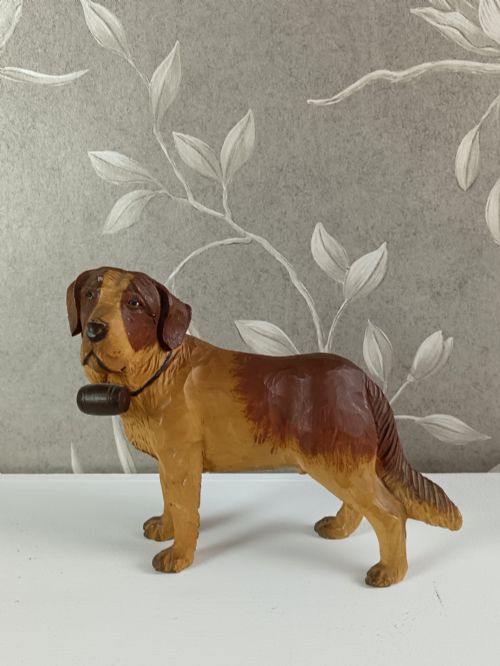
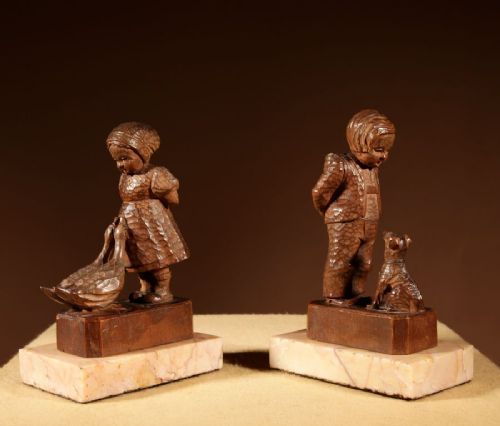
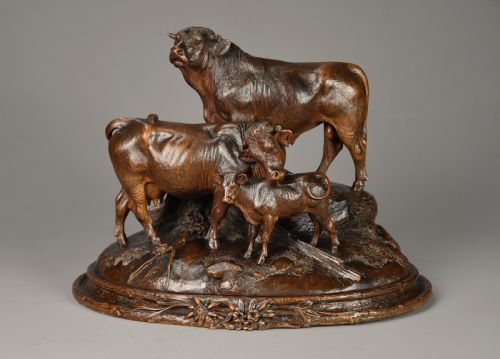
Carved Animal Figurine
A carved animal figurine brings character to a room, showing the skill of carvers across the nineteenth and early twentieth centuries.
Carved Animal Figurine
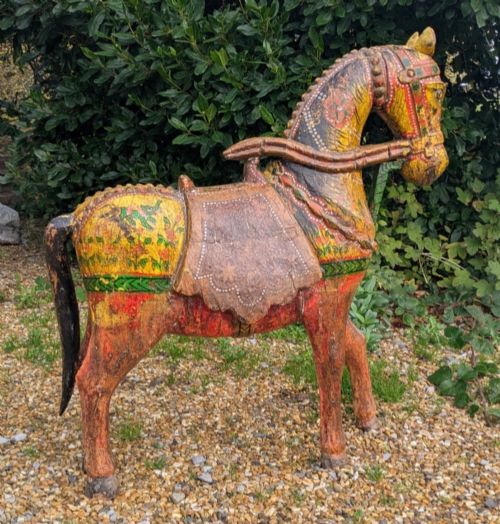
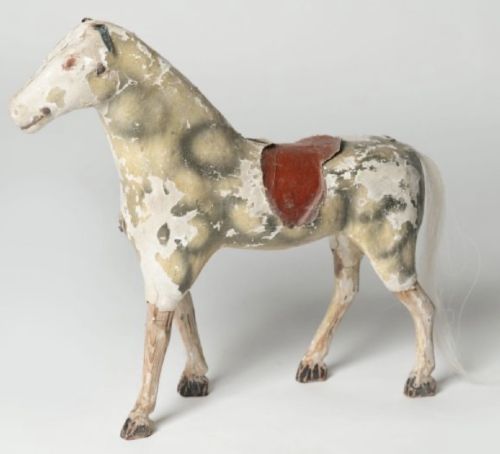
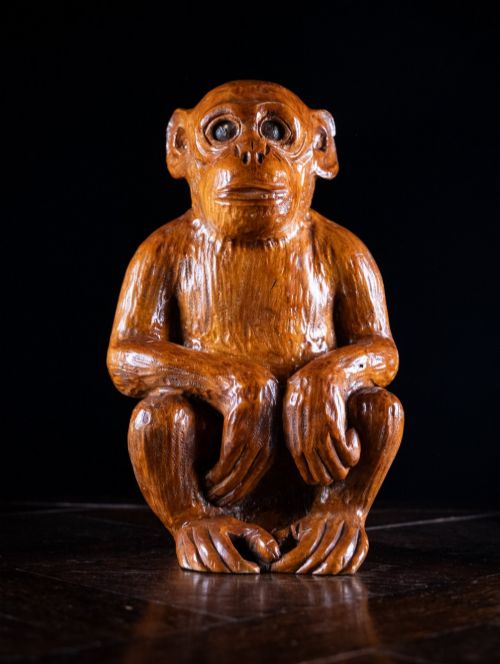
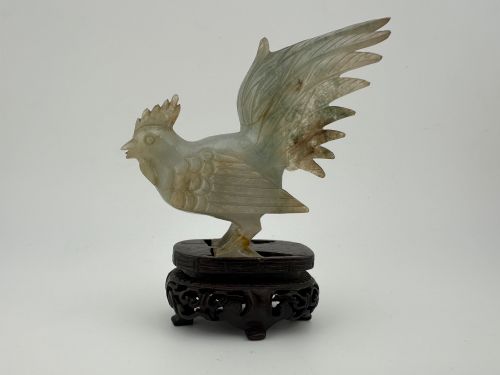
A carved animal figurine represents subjects ranging from bears and elephants to horses, birds, and aquatic life. These pieces serve as decorative sculptures, bookends, and small desk ornaments created in diverse international workshops.
Originating predominantly from the nineteenth century through the early decades of the twentieth century, these objects reflect distinct regional carving traditions from Europe, Asia, and beyond.
How they were made
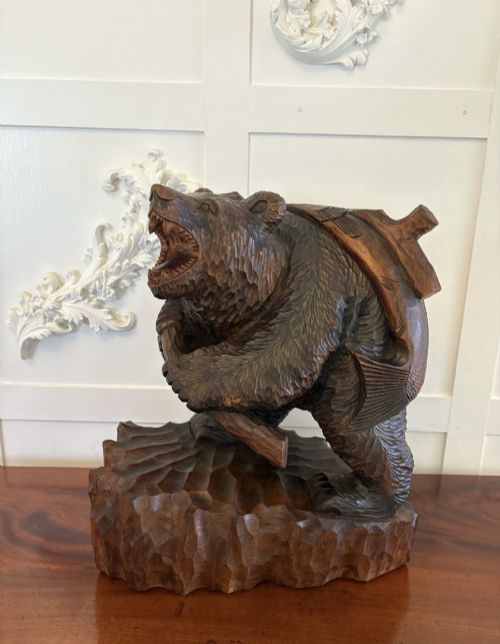
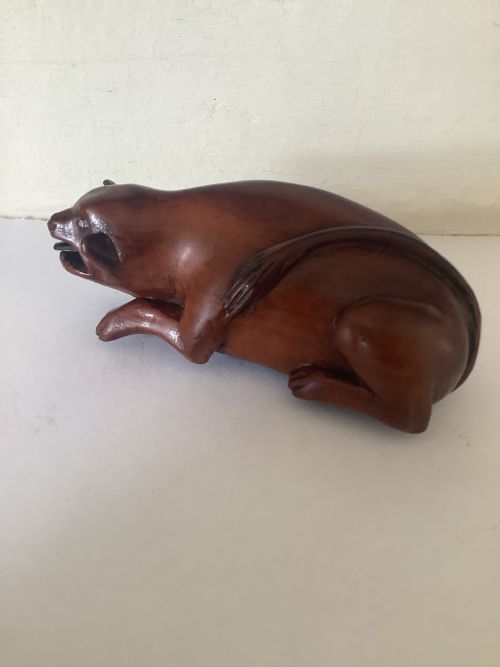
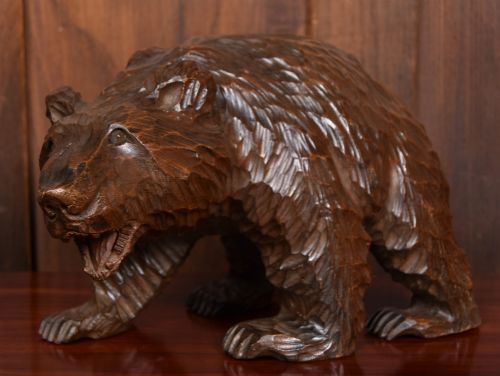
Carvers utilised local timbers such as linden wood, cedar, walnut, teak, and ebony, shaping the grain with chisels and gouges to render fur, hide, and feathers. European works often employed limewood and linden for deep relief and expressive modelling.
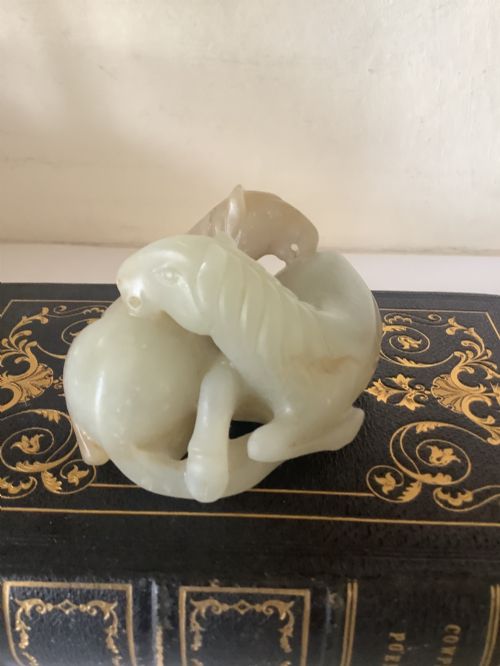
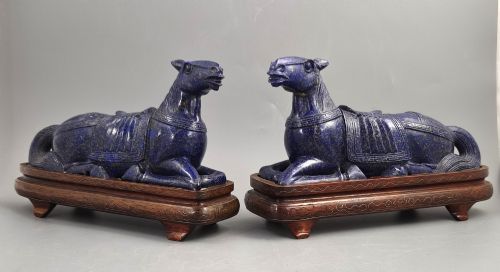
Hard stones including jade, lapis lazuli, and hardstone were laboriously shaped and polished by hand. Bone, whalebone, and alabaster also provided dense mediums for miniature depictions of wildlife.
Carved Animal Figurine Retail Price Guide 2026
Typical asking prices for carved animal figurine among the pieces listed under this phrase on Sellingantiques today, from the lower quarter to the upper quarter. They describe what is for sale here now, not the wider market.
The listings show regional specialisms, uniting Swiss linden wood bears, Japanese cedar folk art, and Chinese jade horses from the nineteenth and early twentieth centuries.
What varies in quality
Anatomical proportion and the naturalism of the carving define the upper tier of these objects. Master carvers captured tension in limbs and alertness in eyes, whereas naive folk art interpretations leaned towards charming simplicity rather than strict realism.
The selection of material and the crispness of detail in difficult mediums like hard stone or fibrous wood separate standard workshop output from exceptional individual pieces.
Bright And Sons·Laszlo Hoenig
The Carved Animal Figurine Glossary
- Black Forest
- A style of wood carving originating from the Brienz region of Switzerland, famous for realistic bears, cattle, and forest animals. Pieces often utilise linden wood.
- Kibori Kuma
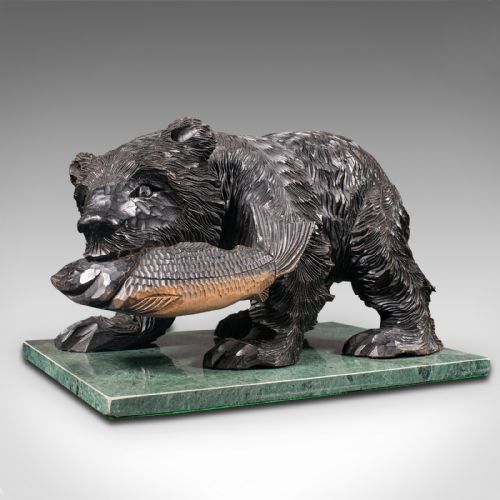
- A traditional style of Japanese wooden bear carving originating from Hokkaido. These figures display distinct tool marks and regional folk art characteristics.
- Okimono
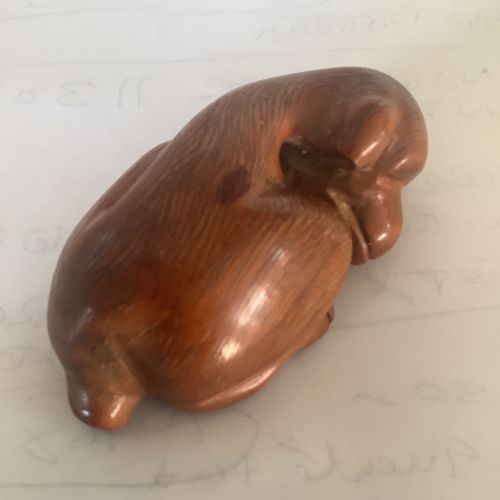
- A Japanese decorative figurine intended for display in a household alcove or room. These subjects include rodents and other fauna rendered with fine realism.
- Raj Period
- The era of British rule in India, spanning the nineteenth and early twentieth centuries. Carvings from this time frequently depict elephants and tortoises in dense hardwoods like teak and ebony.
Carved Animal Figurine: Frequently Asked Questions
What woods were used for Black Forest carvings?
Carvers in the Black Forest region predominantly used linden wood, walnut, and limewood for their softness and suitability for detailed work.
These timbers allowed artisans to carve fur, muscles, and facial expressions with precision before applying finishing waxes.
How do I identify a Raj period elephant carving?
Raj period elephant studies are typically carved from dense hardwoods such as teak, ebony, or native Indian timbers.
They often depict ceremonial or working elephants, sometimes accompanied by human keepers or adorned with caparisons.
What is Japanese Kibori Kuma?
Kibori Kuma refers to the carved wooden bears produced in Hokkaido, Japan, often showing expressive poses like carrying fish.
These items combine folk art traditions with practical wood-working techniques utilising local cedar and other regional trees.
How should I care for antique wooden animal carvings?
Antique wood carvings require stable environmental conditions away from direct sunlight and sudden humidity changes to prevent timber splitting.
Light dusting with a dry, soft cloth is sufficient for maintenance without applying modern chemical polishes.