

Canvas Wall Art Portrait
Canvas wall art portrait selections bring historical figures, nobility and everyday subjects into rooms through centuries of painted likenesses.
Canvas Wall Art Portrait
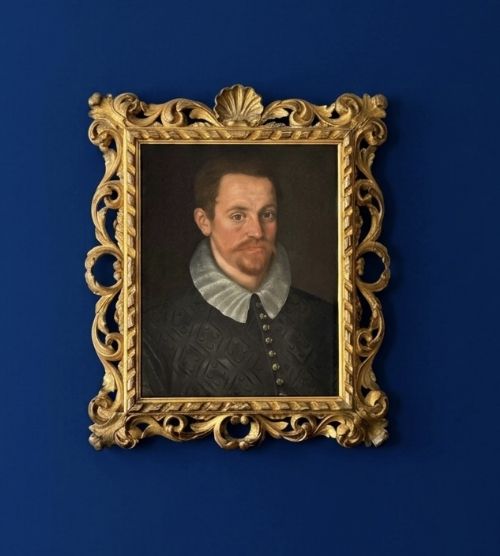
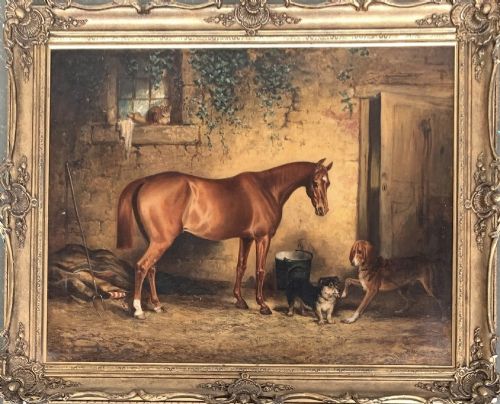
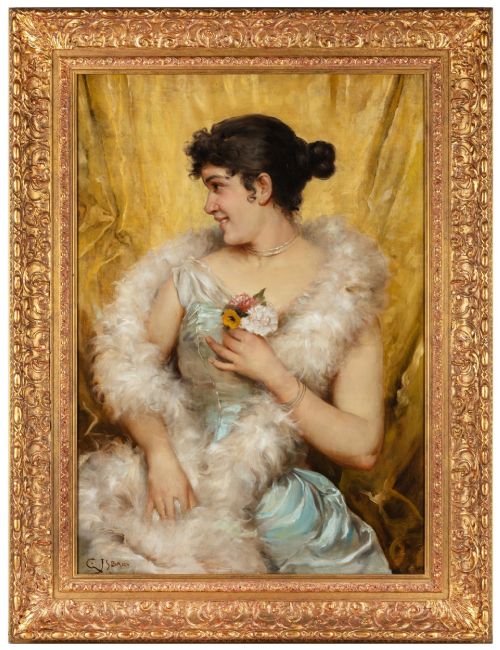
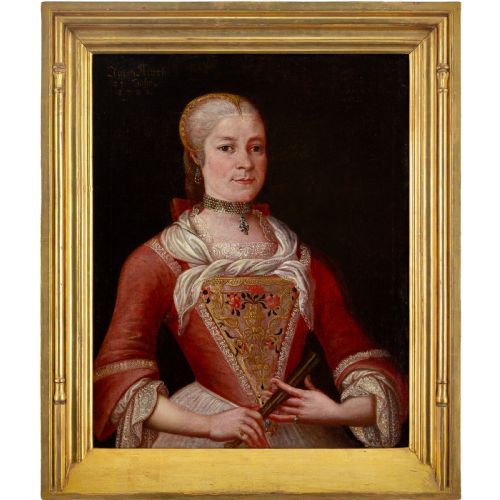
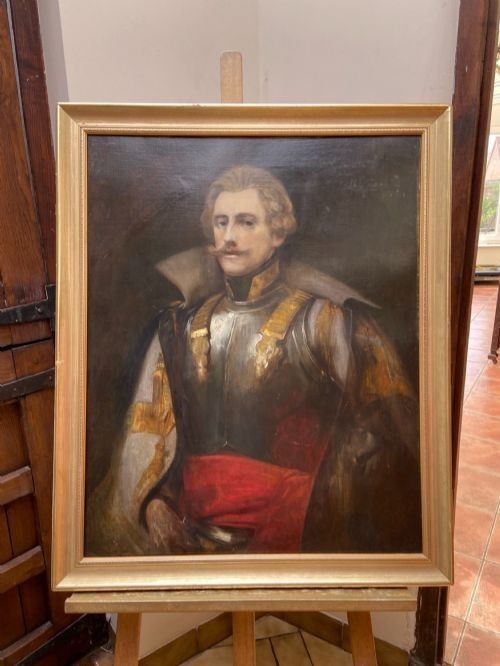
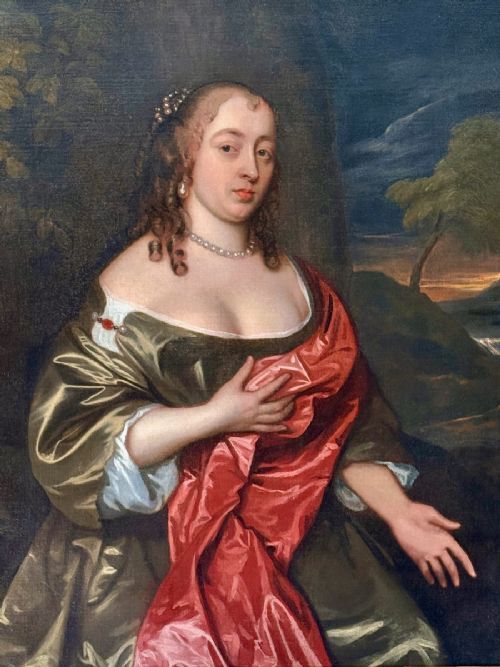
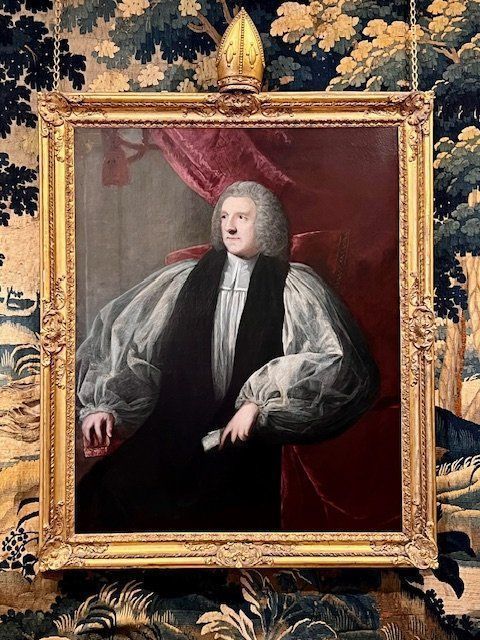
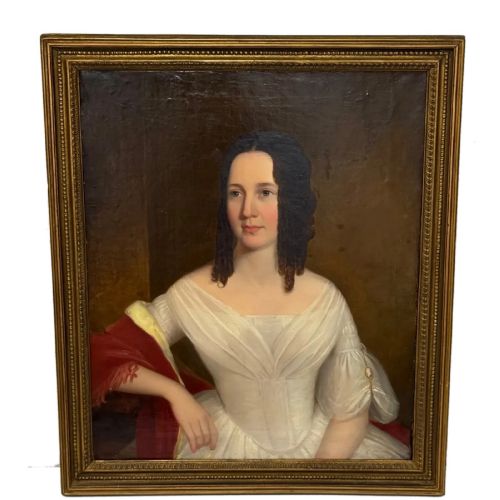
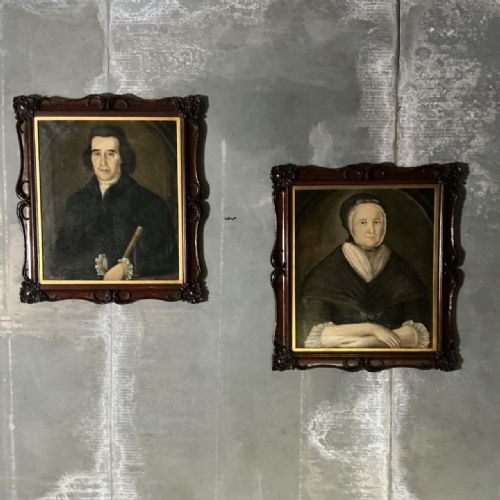
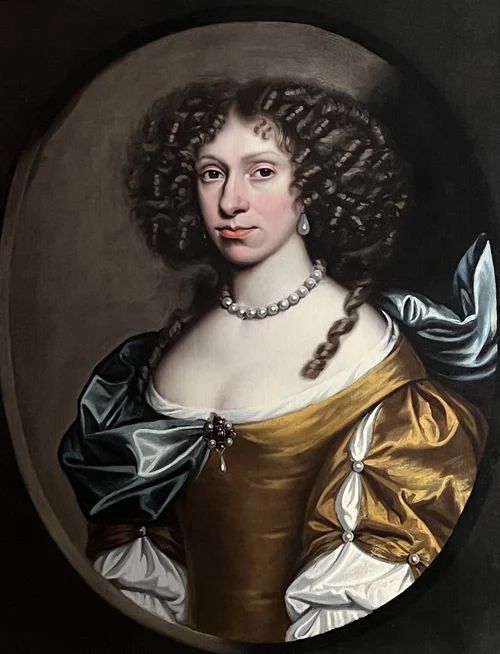
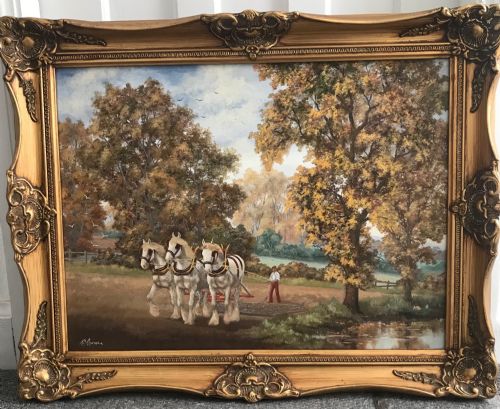
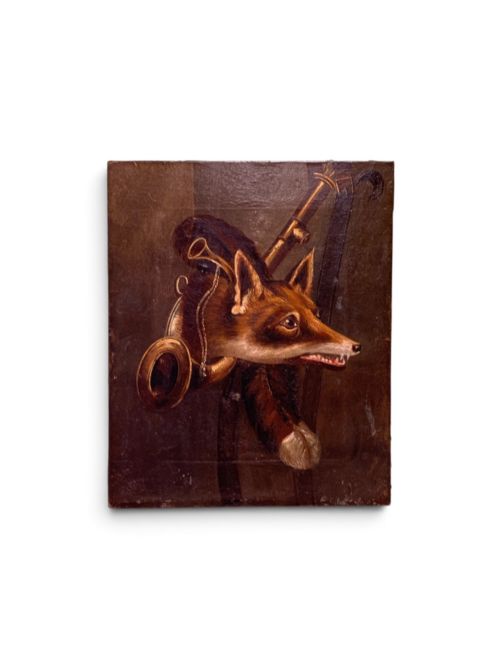
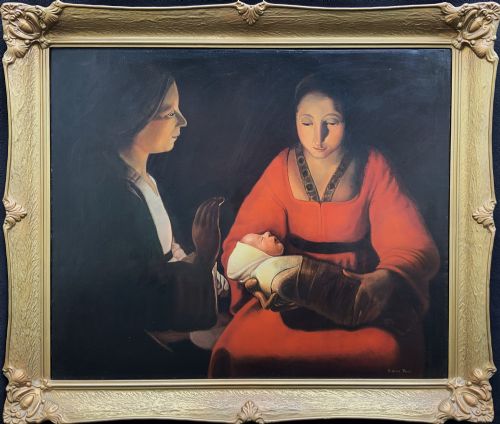
A canvas wall art portrait presents painted likenesses of individuals and groups created across the seventeenth, eighteenth and nineteenth centuries, alongside later twentieth-century interpretations. These works capture subjects ranging from nobility and military officers to architects, merchants and domestic animals, often framed in wood or giltwood.
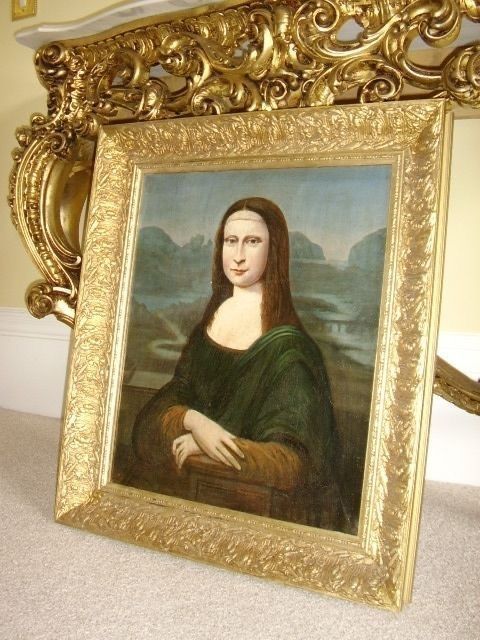
The most common examples on this page derive from the seventeenth-century Dutch Golden Age and English School traditions, alongside Victorian and Edwardian productions. Portrait paintings on this page also include copies after masters such as Sir Joshua Reynolds, Anthony Van Dyck and Leonardo Da Vinci.
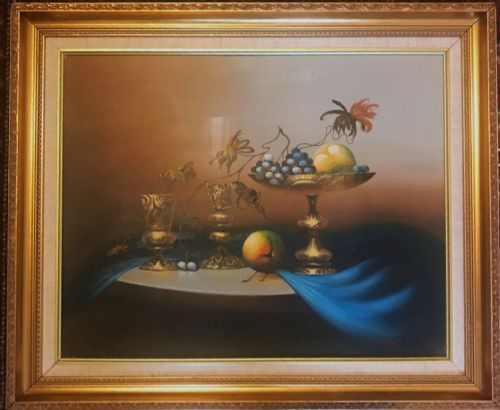
Object types span oil paintings, framed wall art and fine art portrait paintings executed on canvas, wood or vinyl canvas supports. Buyers encounter single figures, pairs and grouped subjects rendered in styles from Baroque and Georgian to 19th Century Realism and Regency.
Factors influencing quality
Quality depends on the skill of the brushwork and the accuracy of anatomical and tonal rendering achieved by the artist. Master works and pieces from established schools demonstrate finer control over light, shadow and fabric textures compared to naive school productions or later student copies.
The preservation of the paint surface and the original canvas support affects the standing of a piece. Retaining the period frame, such as an original carved giltwood moulding, adds to the integrity of the object.
Listings feature oil on canvas supports, wood panels and giltwood frames spanning the 17th Century to the 1960s.
Sir Joshua Reynolds·Anthony Van Dyck·Sir Peter Lely·Sir Godfrey Kneller·John Hayls·David Scougall·George Willison
The Canvas Wall Art Portrait Glossary
- Oil on Canvas
- A painting medium where pigments suspended in drying oils are applied to a woven fabric support. This combination allowed artists to blend tones smoothly and work with rich layers.
- Giltwood
- Wood that has been decorated with a thin layer of gold leaf or powder. It frequently appears on frames from the Baroque, Georgian and Victorian periods.
- English School
- A term used to classify artists working within England during a particular period. These painters shared stylistic influences and training traditions.
- Old Master
- A term applied to European painters of skill working before the nineteenth century. Pieces in this category often reflect seventeenth-century Dutch or Flemish techniques.
- Provenance
- The documented history of ownership of an object. Tracing this record helps confirm the origin and authenticity of older portrait paintings.
Canvas Wall Art Portrait: Frequently Asked Questions
Where should I hang a large portrait?
Large portrait paintings suit prominent spaces such as dining rooms, libraries or above mantelpieces where they serve as a focal point. Ensure the wall can support the weight of the heavy wood or giltwood frame.
Keep the piece away from direct sunlight and moisture sources to protect the oil paint and canvas from cracking or warping over time.
What is the difference between an original and an after piece?
An original portrait represents a direct sitting between the artist and the subject during the period. These works capture contemporary dress and likeness directly from life.
An "after" piece is a later copy painted in the style of or directly reproducing a famous work by another master. These were often created as study pieces or decorative commissions in subsequent centuries.
How are giltwood frames cared for?
Giltwood frames require gentle dusting with a dry, soft brush to remove particles without disturbing the metallic leaf surface. Avoid using water, chemical cleaners or abrasive cloths which strip the delicate gilding.
Checking the stability of corner joints periodically ensures the heavy frame continues to support the canvas securely.