



Canvas Sailboat Oil Painting
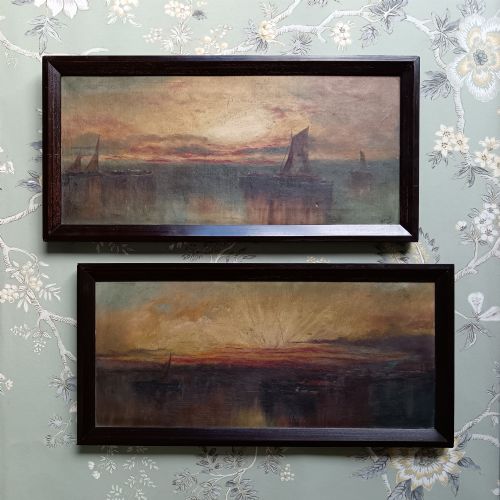
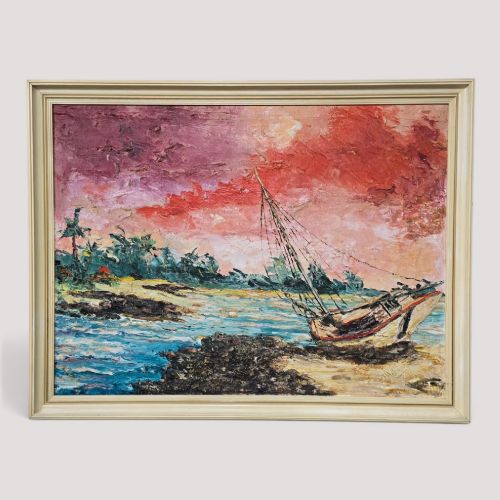
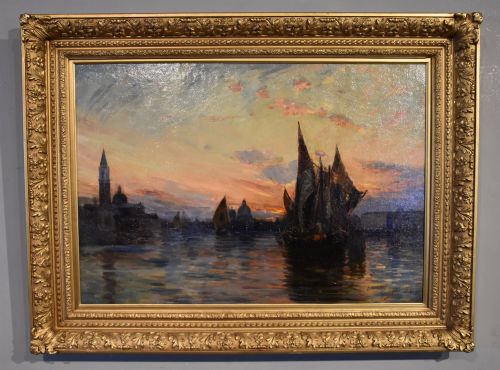
A canvas sailboat oil painting captures wind, water and timber with the immediate brushwork of marine artists across the nineteenth and twentieth centuries.
Canvas Sailboat Oil Painting
A canvas sailboat oil painting records maritime history, harbour scenes and coastal waters through the lens of nineteenth-century marine traditions and twentieth-century impressionism.
The works span the nineteenth century through the 1960s, encompassing British, French, Belgian and Dutch coastal views, river landscapes and open seascapes.
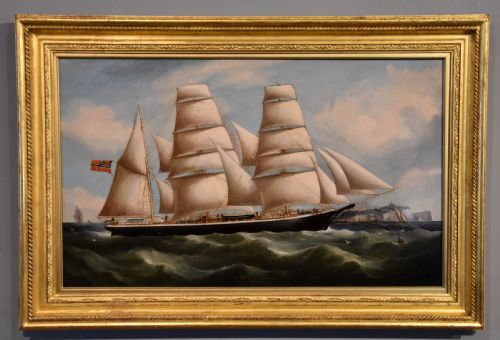
Buyers encounter framed canvases depicting vessels ranging from solitary sailing yachts and fishing boats to large five-masted ships navigating distant waters.
Materials and construction
Artists painted primarily with oil paint on stretched canvas supported by wooden frames, often incorporating impasto techniques to build texture in water and sky.
Many works retain their period framing, utilising gilt or giltwood surrounds accented with gold leaf to complement the marine subjects.
Sailors and landlubbers alike can navigate stormy seas from the comfort of an armchair without ever getting their boots wet.
Assessing quality and execution
Quality rests in the handling of light and atmosphere, where tonal control in depictions of sunrise, sunset or moonlight distinguishes accomplished impressionist works from standard decorative marine pieces.
The precision of maritime rigging, hull structure and water movement marks the output of recognised nineteenth-century marine specialists compared to anonymous or provincial student pieces.
Thomas Hodgson Liddell·Richard B. Spencer·Elisabeth Bardon·Louis Suire·Fred Pailhes·Adrian Van Porten·Edward Seago·Hendrik Willebrord Jansen·Jane Vivian·George Henry Knight·John Callow·E Tucker·Gustave de Breanski·Paul Jean Clays·Antonio Godoy·Charles Euphrasie Kuwasseg·Johan Jens Neumann·Bertram Priestman·John William Gilroy·William Edward Webb
The Canvas Sailboat Oil Painting Glossary
- Impasto
- Paint applied thickly to a canvas, standing out in relief from the surface. This technique allows the artist to capture the physical texture of crashing waves and billowing sails.
- Giltwood
- Wood carved and covered with a thin layer of gold leaf or gilt. It provides a traditional reflective border for nineteenth-century oil paintings.
- Marine art
- Painting that depicts or draws inspiration from the sea, ships and coastal views. This genre encompasses both calm harbour scenes and dramatic open-ocean shipwrecks.
- Post-Impressionism
- An art movement that extended impressionism while rejecting its limitations. Artists applied bold colours and distinct brushstrokes to capture emotional response rather than optical realism.
Canvas Sailboat Oil Painting: Frequently Asked Questions
Are these paintings supplied with frames?
Most works retain their period frames, which are noted in the individual descriptions when present.
These frames often include original giltwood or gold leaf finishes contemporaneous with the date of the artwork.
How do I identify the date of a marine painting?
Dates are determined through artist signatures, biographical active periods, stylistic markers of impressionism or nineteenth-century marine art, and framing materials.
Written inscriptions on the reverse of the canvas or stretcher bars frequently record specific locations and years.
Where were most of these marine artists based?
The works originate from artistic centres across Britain, France, Belgium, and the Netherlands, reflecting active coastal ports and thriving maritime trade.
Artists frequently travelled to specific harbours in Normandy, Venice, and the Mediterranean to capture local fishing fleets.