


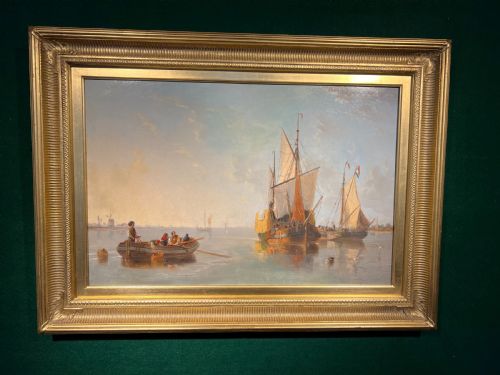
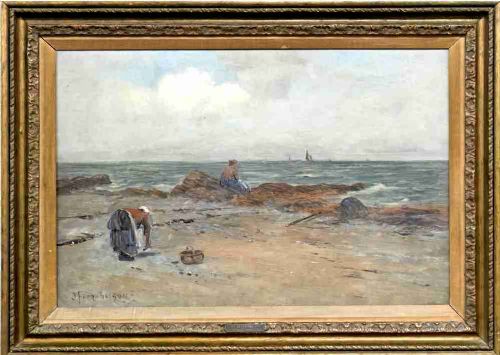
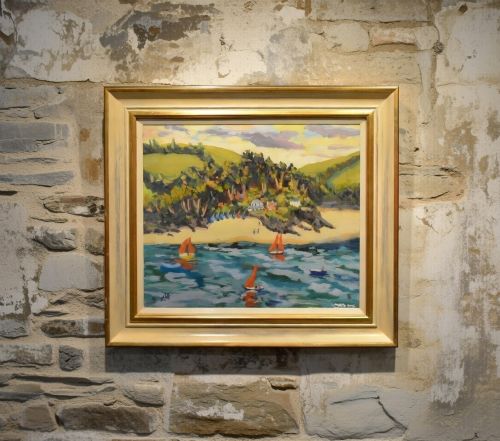
Canvas Oil Seascape Picture
A canvas oil seascape picture brings the movement of open water and coastal air directly into a room through layered oil paint.
Canvas Oil Seascape Picture
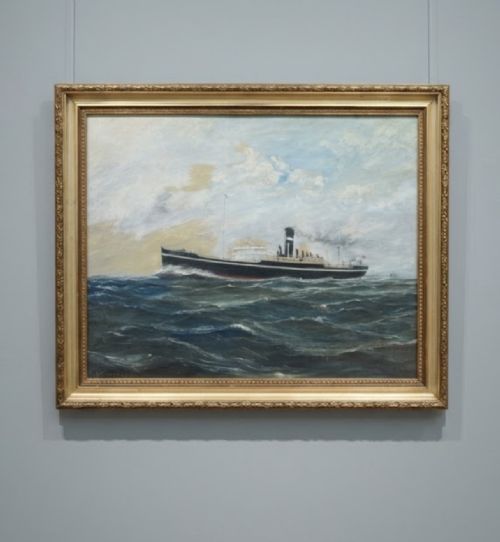
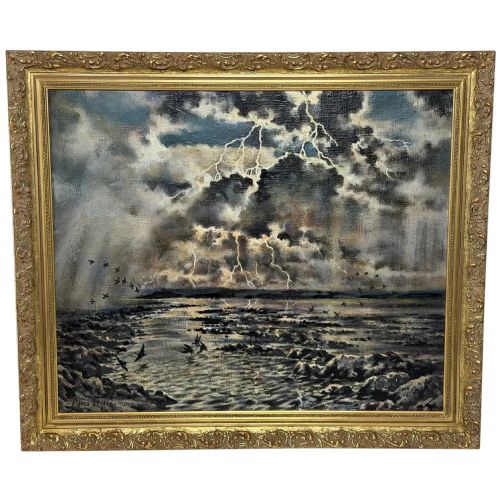
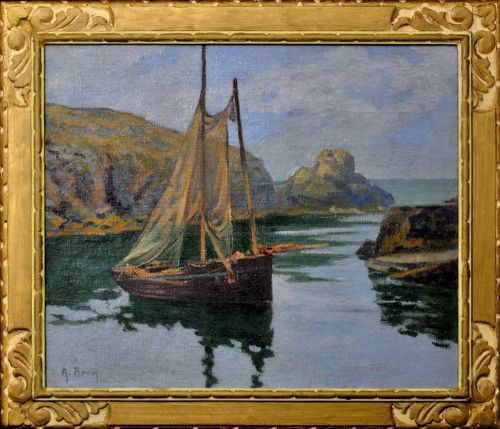
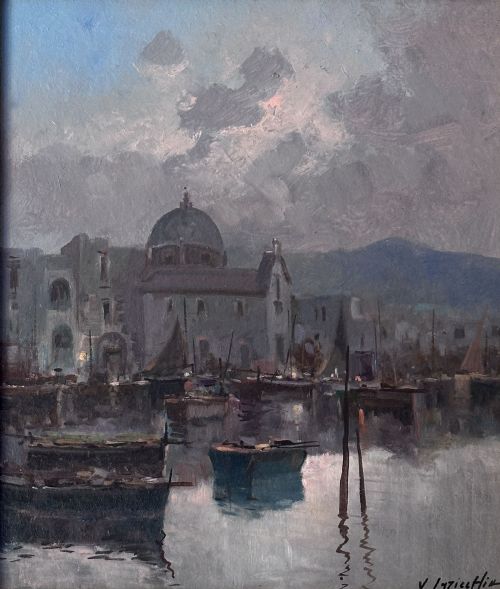
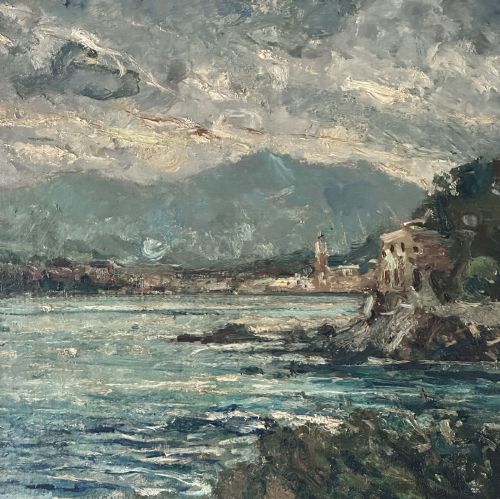
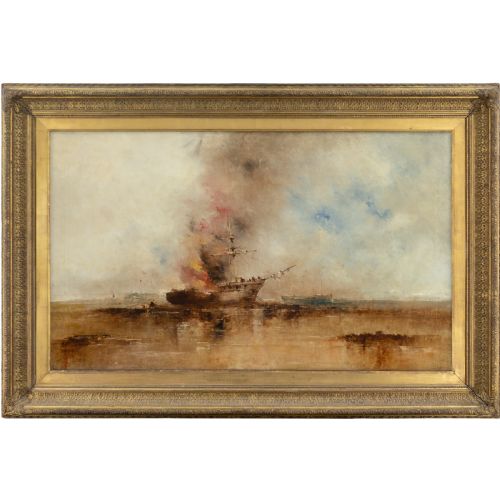
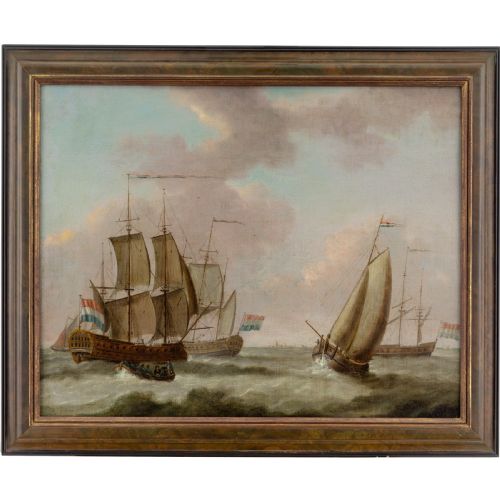
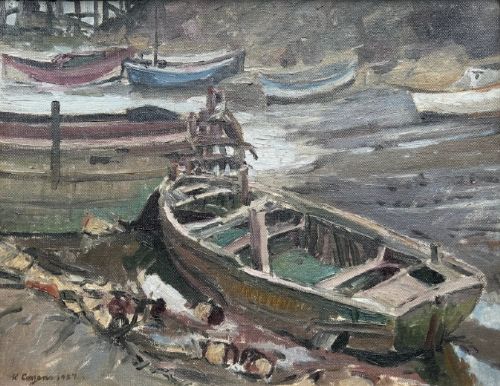
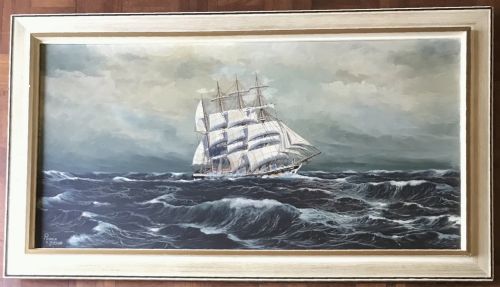
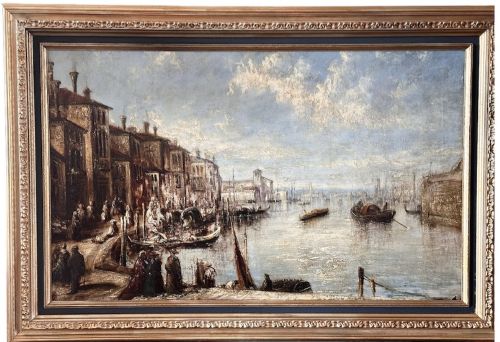
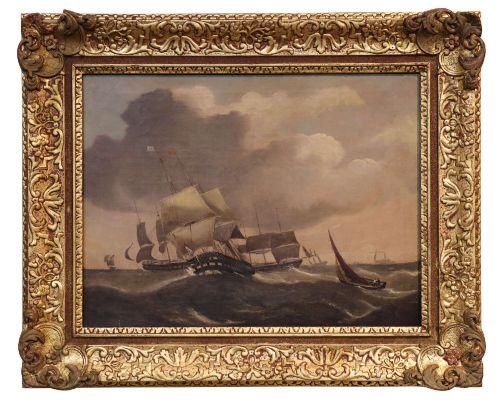
When you search for a canvas oil seascape picture, you encounter framed maritime works spanning from the nineteenth century through the mid twentieth century. These paintings capture coastal views, harbours, stormy shipping lanes, and Venetian lagoons executed in oils.
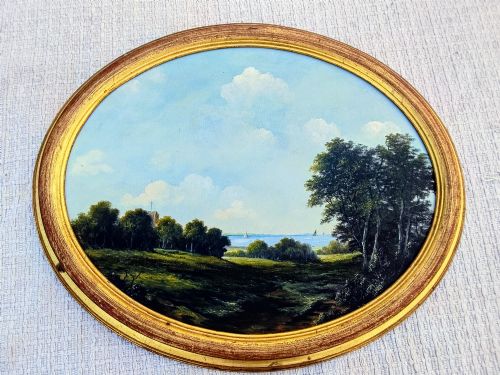
The selections on this page are dominated by nineteenth century Victorian marine art and later twentieth century impressionist interpretations. You will find large scale canvases depicting British and European coasts alongside intimate oval sea views.
Subjects range from quiet beach scenes with children to dramatic shipwrecks and bustling river pools on the Thames. Most pieces arrive housed in their original or period appropriate frames.
How they were made
Artists built these works using oil paint applied to woven canvas stretched over wooden frames, sometimes utilising wood panels or board as a rigid support. Pigments were brushed, layered, or applied with thick impasto to render the churning texture of heavy seas and the smooth reflection of water.
Many of the period pieces feature decorative framing constructed from giltwood and gesso, adding weight and ornate depth to the composition. The interplay of oil medium on canvas allowed painters to manipulate light across skies and surface water over extended drying periods.
Canvas Oil Seascape Picture Retail Price Guide 2026
Typical asking prices for canvas oil seascape picture among the pieces listed under this phrase on Sellingantiques today, from the lower quarter to the upper quarter. They describe what is for sale here now, not the wider market.
Listings feature works spanning the nineteenth century through the 1960s, executed in oil on canvas and wood.
What varies in quality
Quality in a canvas oil seascape picture rests on the handling of atmospheric light and the convincing movement of water. Superior examples demonstrate a confident command of tonal shifts in the sky and sea, whereas lesser works rely on formulaic repetition without depth.
The integrity of the canvas support and the preservation of the original paint layer without heavy restoration dictate the enduring value of a piece. Finer works retain crisp brushwork and balanced compositions that anchor the maritime subject naturally within its frame.
Kenneth Cozens·William McAlpine·Francis Moltino·John Wilson Carmichael·Joseph Farquharson·Erich Mercker·Charles William Wyllie·Elisabeth Bardon·Charles Napier Hemy·Gyrth Russell·Gustave De Bréanski·James Webb·John Douglas Perrett·Jane Vivian·Alfred Pollentine·Consalvo Carelli·William Raymond Dommersen·Alfred Henry Vickers·George Henry Knight·Thomas Rose Miles·Jeffrey Pratt·E Tucker·Ebeneezer Colls
The Canvas Oil Seascape Picture Glossary
- Impasto
- Paint applied thickly to a canvas, standing out in relief from the surface. This technique allows artists to build physical texture into crashing waves and billowing clouds.
- Giltwood
- Wood carved and covered with a thin layer of gold leaf. Frames made of this material frequently accompany nineteenth century marine paintings.
- Gesso
- A plaster mix used as a base coat on wood frames before gilding. It provides a smooth surface for intricate mouldings.
- Marine art
- Painting or other artistic works that depict the sea, ships, and coastal views. This genre forms the core of the maritime tradition.
- Victorian realismo
- A nineteenth century artistic approach focused on accurate, unidealised depiction of everyday coastal life and shipping. It values direct observation over romantic invention.
Canvas Oil Seascape Picture: Frequently Asked Questions
How do I date a canvas oil seascape picture?
Dating relies on stylistic clues, framing techniques, and signatures linked to known active periods of the artist. Victorian pieces often feature heavy giltwood frames and romantic or dramatic maritime subjects.
Mid twentieth century works tend toward looser impressionistic brushwork and brighter palettes. Examining the canvas weave and stretcher construction provides additional clues to the age of the piece.
Where should I hang a canvas oil seascape picture?
These works suit rooms with stable humidity and indirect natural light to protect the oil paint and gilt frames. Placing them away from direct heat sources prevents the canvas from slackening.
Large scale nineteenth century maritime works command substantial wall space in living areas or studies. Smaller oval or square sea views fit well in tighter hallways or above mantelpieces.
What is the difference between maritime art and landscape painting?
Maritime art specifically focuses on the sea, ships, harbours, and coastal activities as the primary subject matter. Landscapes broader in scope place emphasis on terrestrial terrain rather than open water.
Seascapes bridge these categories by capturing the meeting point of land and ocean. The water and atmospheric weather conditions dominate the composition in maritime works.