
Canvas Oil Portraiture Artwork
Canvas oil portraiture artwork captures centuries of individual likenesses on woven supports, offering buyers a direct connection to historical figures through enduring painted form.
Canvas Oil Portraiture Artwork
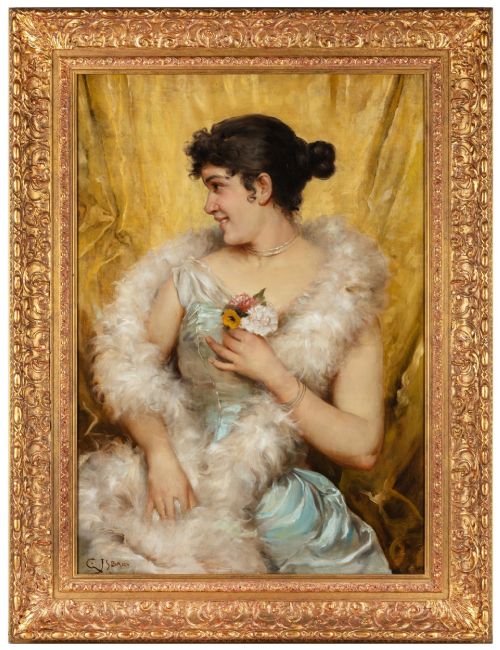
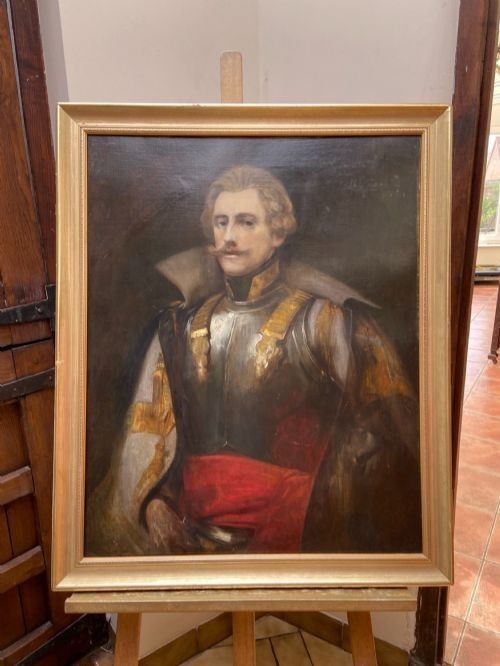
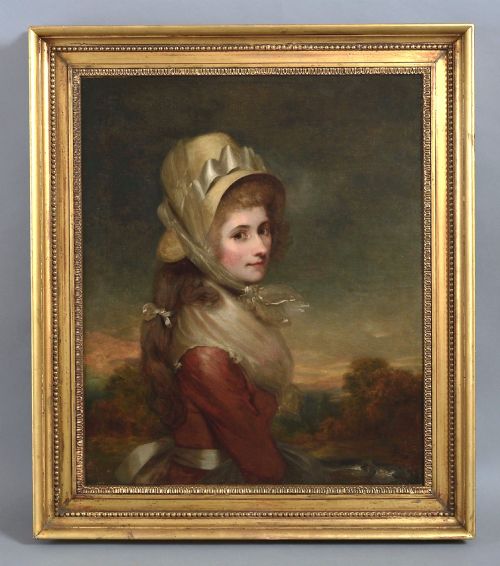
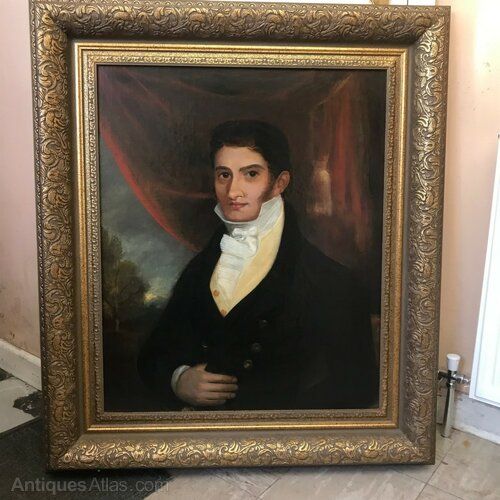
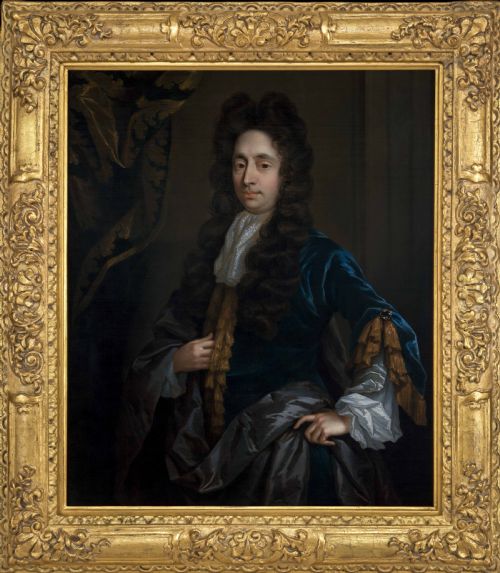
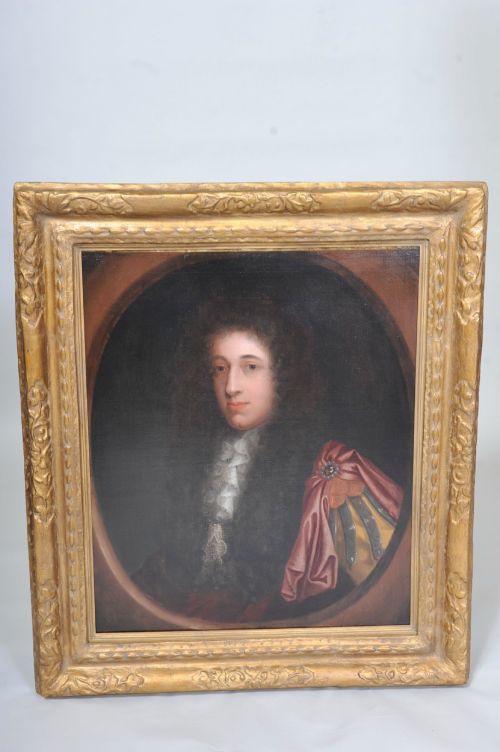
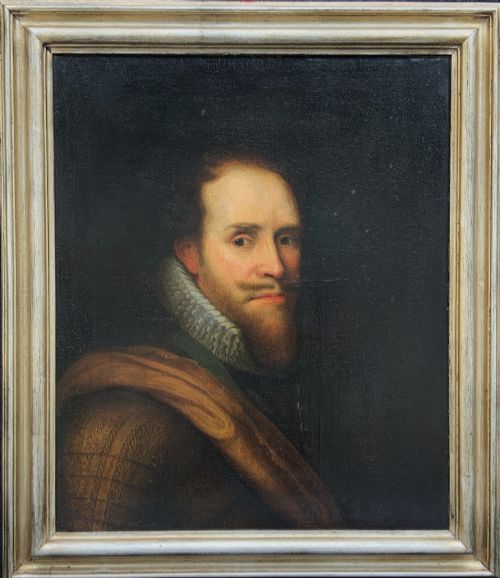
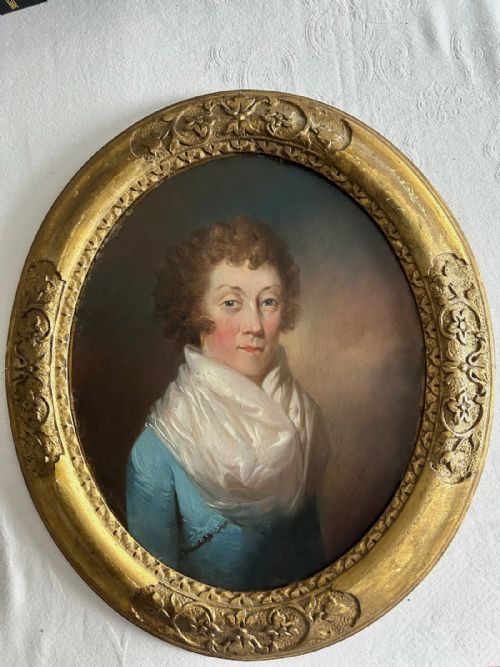
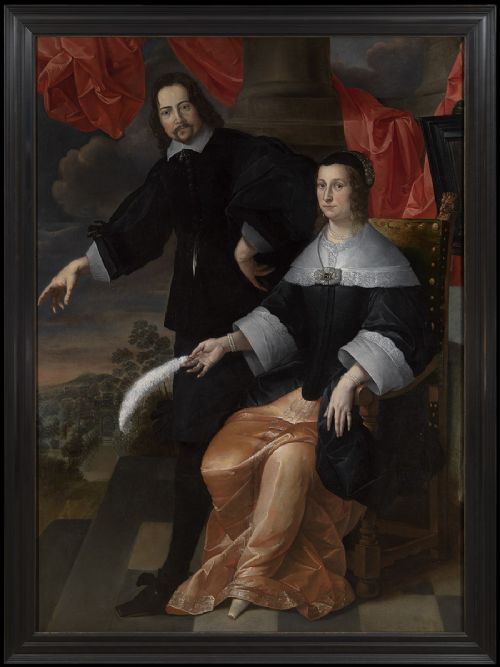
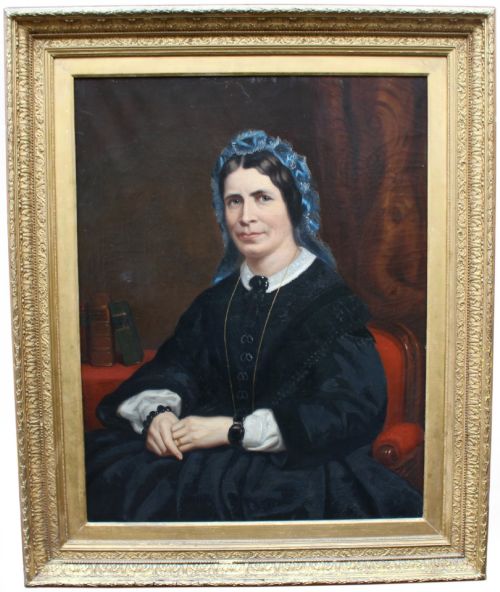
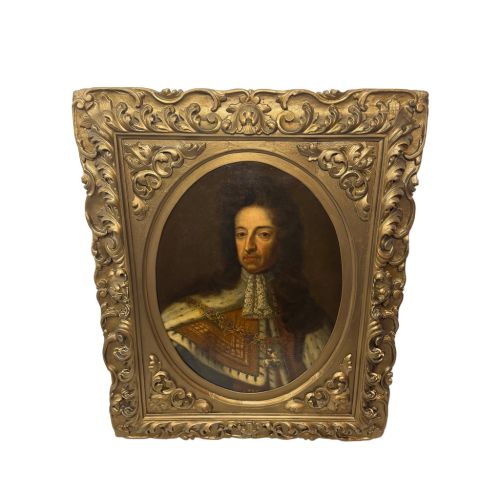
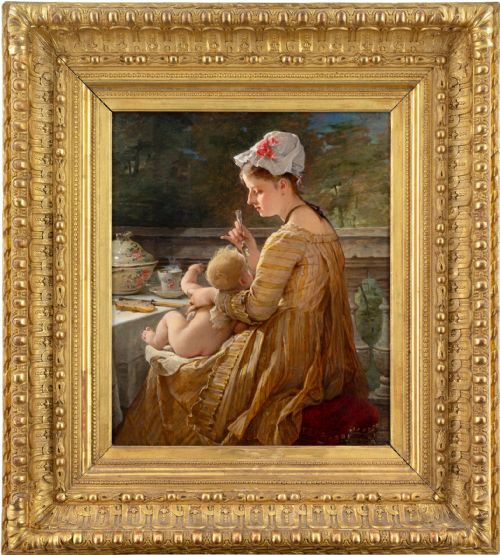
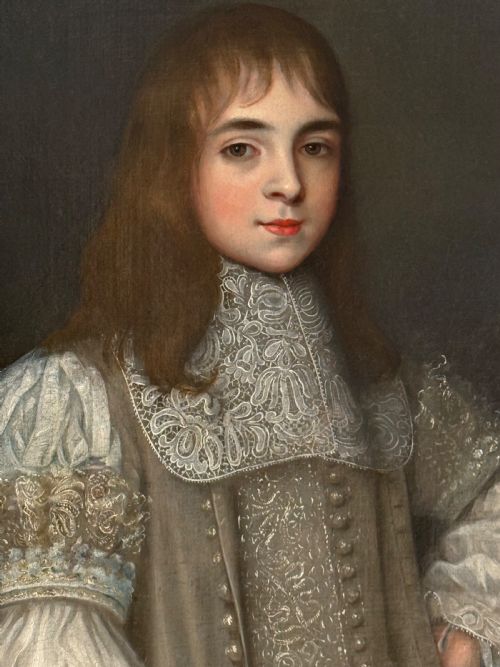
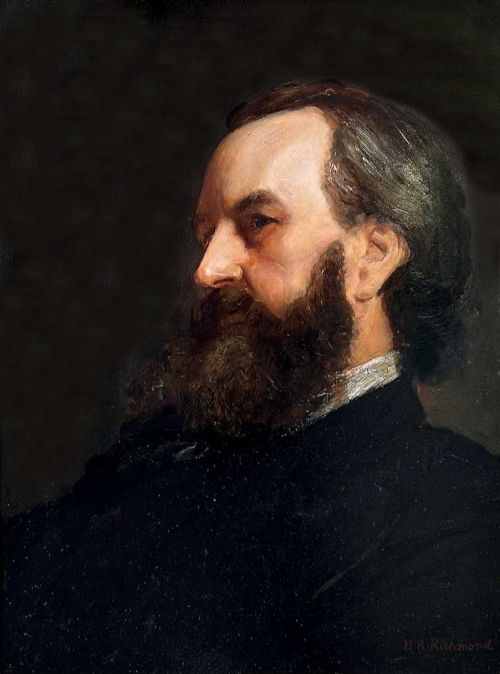
When you search for canvas oil portraiture artwork, you encounter painted depictions of individuals spanning the seventeenth, eighteenth, and nineteenth centuries, alongside later twentieth-century examples. These works include formal depictions of military officers, nobility, children, and gentlemen, executed within recognised stylistic frameworks such as the Dutch Golden Age, Regency, and Victorian periods.
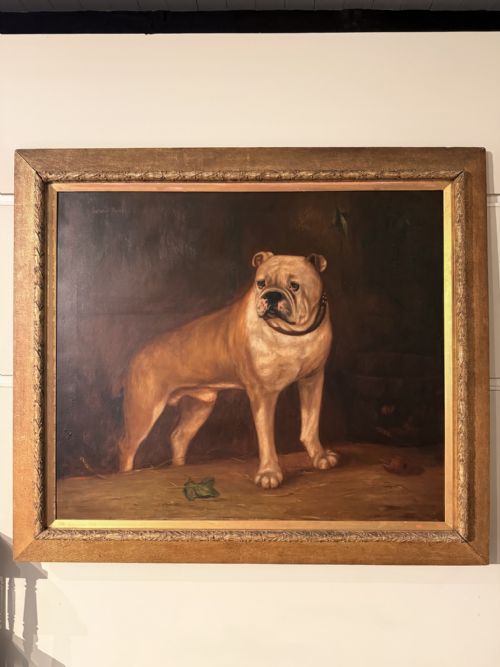
The prevailing format on this page consists of oil paint applied directly to woven canvas, frequently housed within period wood or giltwood frames. Subjects range from singular seated ladies and young beauties to double portraits and self-portraits rendered by both named portraitists and anonymous regional schools.
Materials and construction methods
The foundation of these works relies on woven canvas stretched across wooden frames, providing a stable yet flexible surface for pigment application. Artists built up their compositions using oil paint, which allowed for subtle blending, deep colour saturation, and varied textures ranging from smooth glazes to heavier impasto.
Materials documented across the inventory include oil paint, canvas, wood, giltwood, gesso, and gold leaf.
Distinctions in execution and preservation
The distinction between standard works and exceptional examples rests upon the anatomical precision of the subject, the handling of light and shadow, and the psychological depth conveyed in the expression. Master painters achieved lifelike skin tones and fabric textures with deliberate brushwork, whereas lesser works display rigid posture and flat rendering.
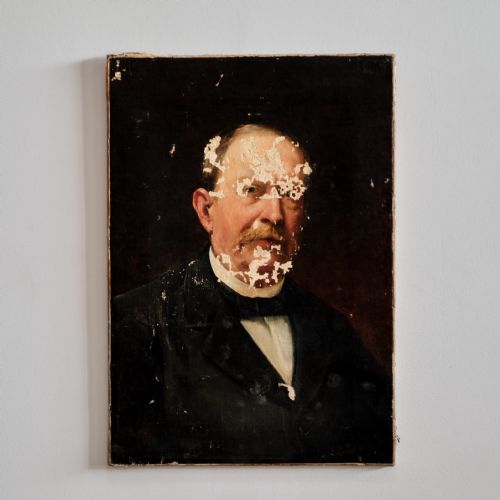
Condition also plays a significant role in distinguishing pieces, as original unlined canvases with stable pigment layers command greater respect than heavily restored surfaces. The integrity of the surrounding giltwood frame, particularly when original to the period of the painting, contributes to the overall cohesion of the object.
Constantyn Netscher·John Michael Wright·William Blake Richmond·Albin Mattenheimer·John Greenhill·Joseph Highmore·John Hamilton Mortimer·Attilio Toro
The Canvas Oil Portraiture Artwork Glossary
- Oil on Canvas
- A traditional painting medium where pigments bound in drying oils are applied to a woven fabric support. This combination permits slow drying times and rich tonal graduation.
- Giltwood
- Wood that has been coated with a thin layer of gold leaf or gold powder, commonly utilised on decorative picture frames. It provides a luminous border that complements the painted canvas within.
- Gesso
- A paint mixture consisting of a binder mixed with chalk, gypsum, or pigment, used as a prepared surface on wood frames. It creates a smooth base for subsequent gilding.
- Dutch Golden Age
- A period in Dutch history spanning the seventeenth century characterised by notable achievements in painting. Works from this stylistic umbrella emphasise realistic illumination and meticulous detail.
- Regency
- An English design period associated with the early nineteenth century. Portraiture from this era often exhibits softer clothing styles and restrained classical backgrounds.
Canvas Oil Portraiture Artwork: Frequently Asked Questions
How do I identify the period of an oil portrait?
Dating relies primarily on the style of clothing, hair arrangement, and framing techniques visible in the composition. Examining the stretcher bars and the weave of the canvas behind the painting offers further clues regarding age.
Comparison with documented works by known schools or portraitists helps narrow the timeframe of creation. Certain aesthetic markers, such as the heavy lace collars of the seventeenth century or the soft drapery of the Regency era, remain reliable temporal indicators.
What is the best way to display canvas oil portraits?
These works require stable environmental conditions away from direct sunlight and extreme humidity fluctuations. Maintaining moderate room temperatures prevents the canvas from slackening and protects the oil paint layers from cracking.
Securing the painting to a sturdy wall using appropriate hardware ensures safety. Pairing the artwork with a compatible period frame enhances both its visual impact and its structural preservation.
Why do some portraits feature attributed names rather than signatures?
Many historical paintings were produced without direct signatures from the artist, particularly those emanating from regional British or European schools. Attribution is instead established through stylistic analysis, historical records, and comparison with authenticated pieces by specific masters.
An attribution indicates that scholarship links the handling of paint and composition to a particular hand or studio workshop. This process allows collectors to understand the likely origin of an unsigned work.
How should historic gilt frames be maintained?
Maintenance involves gentle dusting with a soft, dry brush to prevent particulate accumulation on the delicate gold leaf surfaces. Moisture and chemical cleaning agents must be avoided to prevent stripping the thin metallic layers from the gesso base.
Checking the structural joints of the frame periodically ensures it supports the canvas securely. Professional conservation may be required if the wood sustains structural damage or if the gilding begins to flake.