

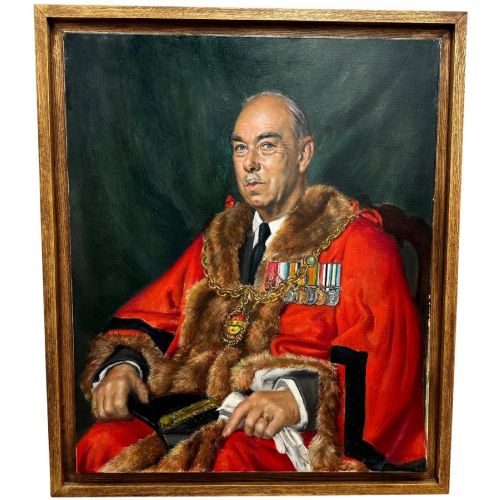
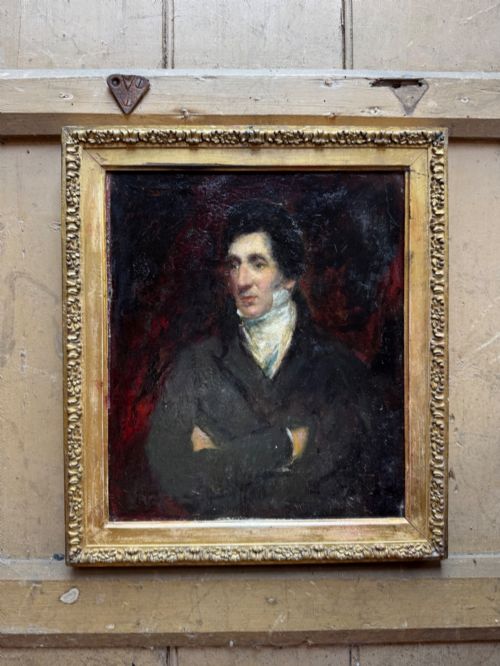
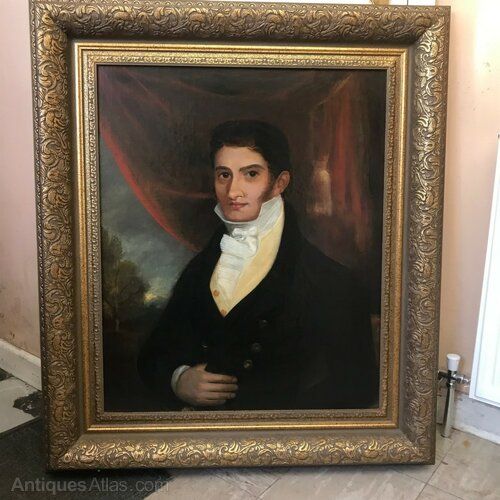
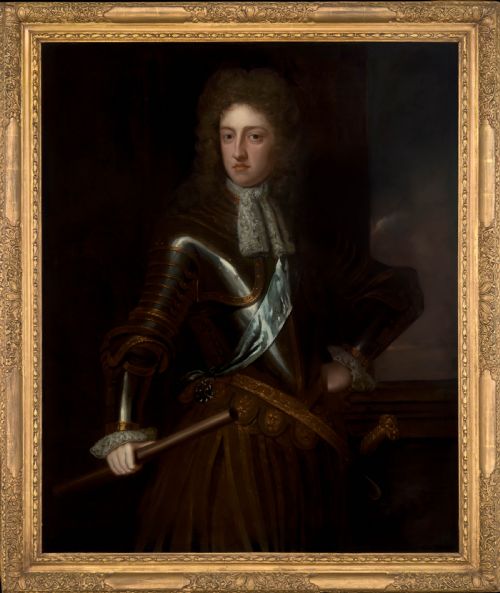
Canvas Oil Painting Gentlemen
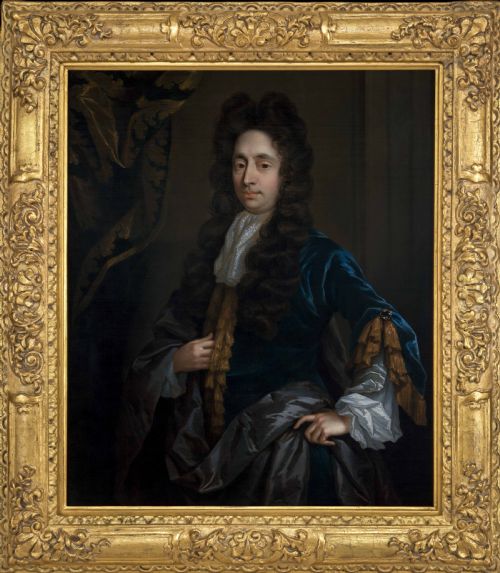
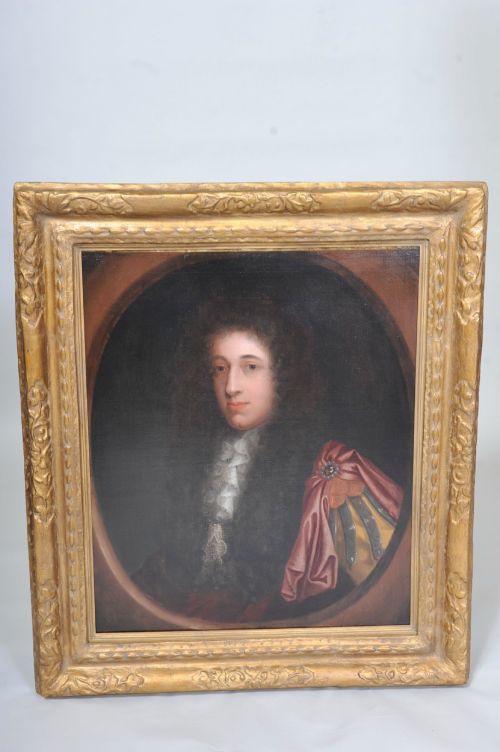
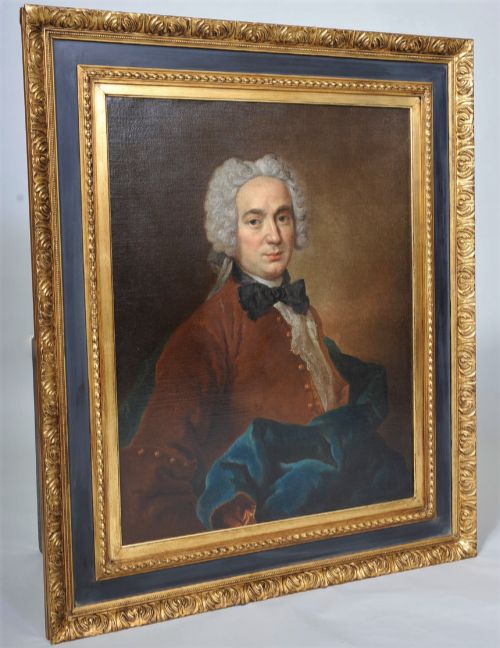
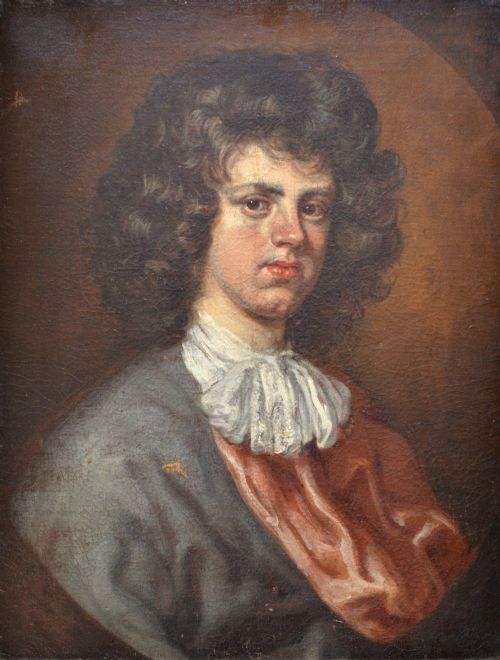
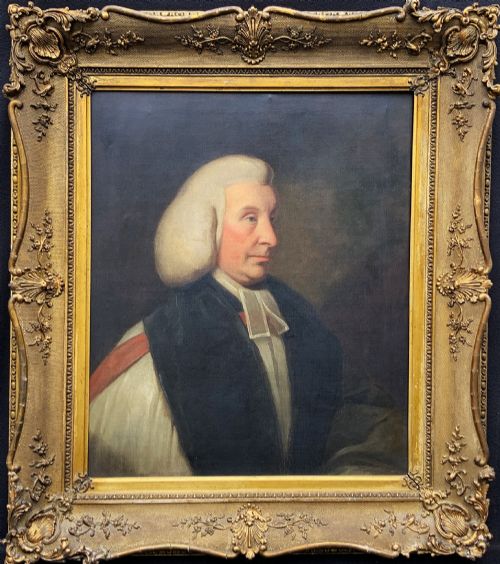
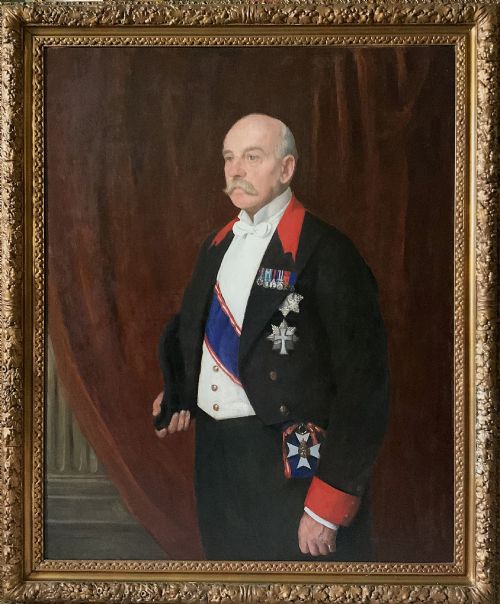
Canvas oil painting gentlemen encompass historical portraiture depicting male subjects, spanning from the seventeenth century through the twentieth century.
Canvas Oil Painting Gentlemen
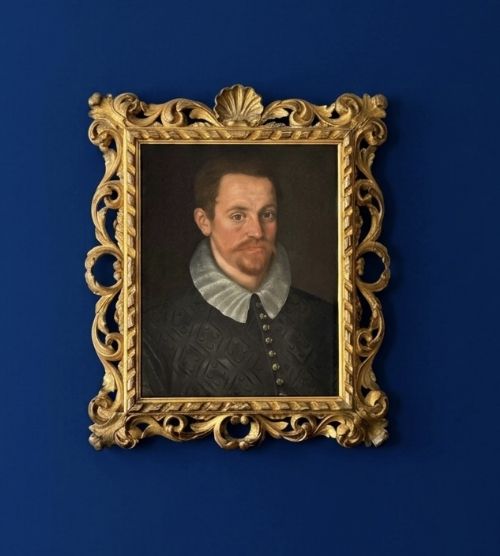
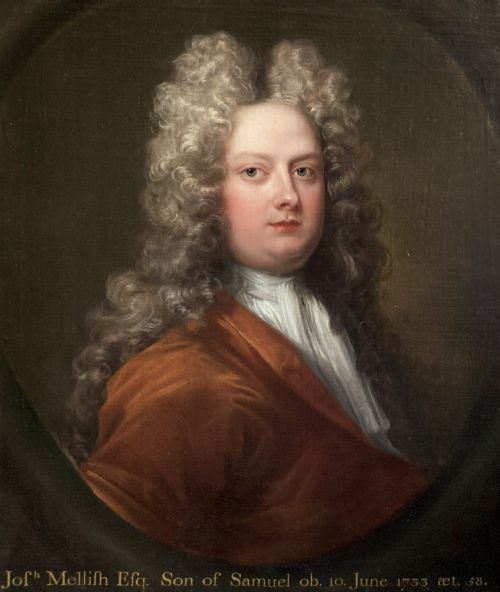
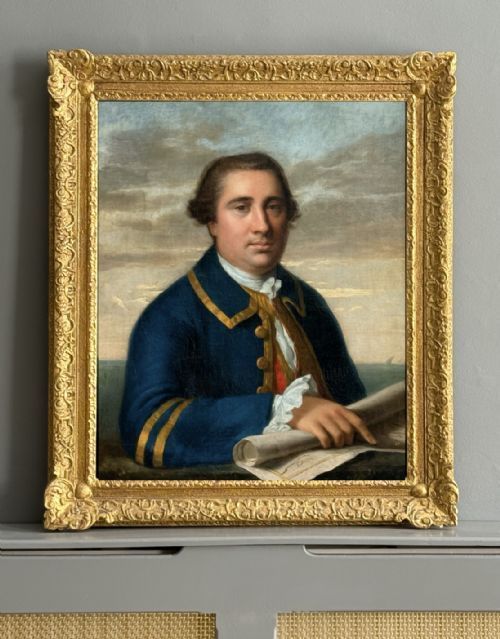
A canvas oil painting gentlemen search brings forth historical portraits depicting identifiable figures, military officers, and civic leaders from past centuries.
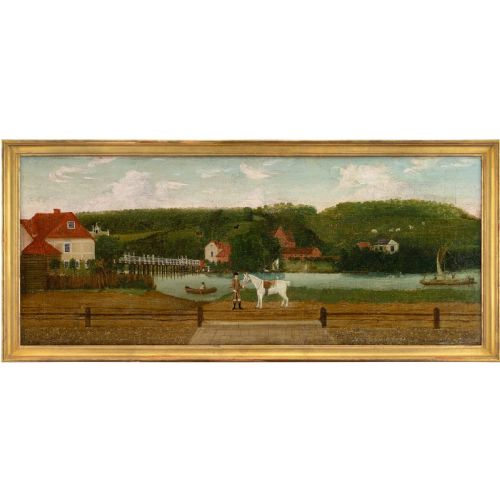
The works on this page span the seventeenth, eighteenth, and nineteenth centuries, alongside pieces from the Regency and Edwardian periods.
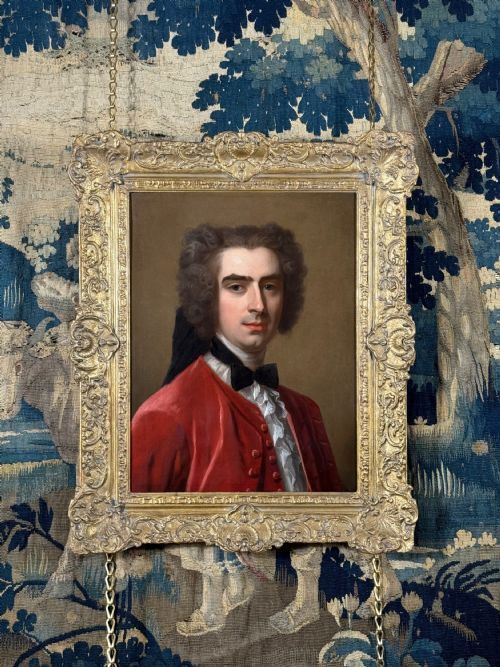
Most examples represent British and European schools, capturing subjects in formal attire such as periwigs, doublets, and scarlet jackets.
Materials and Technique
These works are executed in oil paint applied to stretched canvas supports, occasionally utilising wood panels or boards.
Frames are frequently constructed from carved wood enriched with giltwood or gold leaf applications.
Listings feature works in oil on canvas across Baroque, Rococo, Georgian, Victorian, and Edwardian styles.
Evaluating Portraiture
Attribution to documented artists, studio circles, or specific regional schools elevates the standing of individual works.
Charles Jervas·Jean-Baptiste Van Loo·Sir Godfrey Kneller·Constantyn Netscher·Lemuel Francis Abbott·Mary Beale·Thomas Murray·John Scougall·Sir Joshua Reynolds·Edouard Pingret·John Closterman·Allan Ramsay·James Howe·John Michael Wright
The Canvas Oil Painting Gentlemen Glossary
- Oil on canvas
- A painting medium where pigments are suspended in drying oils and applied to a woven fabric support stretched across a wooden frame.
- Periwig
- A voluminous artificial hairstyle popular among men during the seventeenth and eighteenth centuries, frequently seen in formal portraits.
- Giltwood
- Wood that has been treated with a thin layer of gold leaf or gold paint for decorative framing.
- Doublet
- A close-fitting man's jacket worn during the sixteenth and seventeenth centuries, often featuring embroidery.
- Ruff
- A prominent projecting starched collar worn in European fashion during the sixteenth and seventeenth centuries.
Canvas Oil Painting Gentlemen: Frequently Asked Questions
How do I identify the sitter in a portrait?
Sitters are sometimes identified by inscriptions on the canvas, stretcher bars, or accompanying documentation detailing names and dates.
Unidentified subjects are common, often catalogued simply by their costume, approximate date, or social role.
What periods do these paintings cover?
The works span multiple centuries, with strong representation from the seventeenth and eighteenth centuries.
Examples also extend into the Regency era, the nineteenth century, and twentieth-century modernist works.
How should I care for an oil on canvas painting?
Keep paintings away from direct sunlight, extreme temperature fluctuations, and high humidity to protect the canvas and oil pigments.
Dust surfaces gently with a soft, dry brush without applying cleaning solutions or water to the paint layer.
What does attribution to a studio mean?
Studio attribution indicates that a work was produced in the workshop of a master artist, often under their supervision.
These pieces reflect the style and techniques of the named master while differing from direct autograph works.