


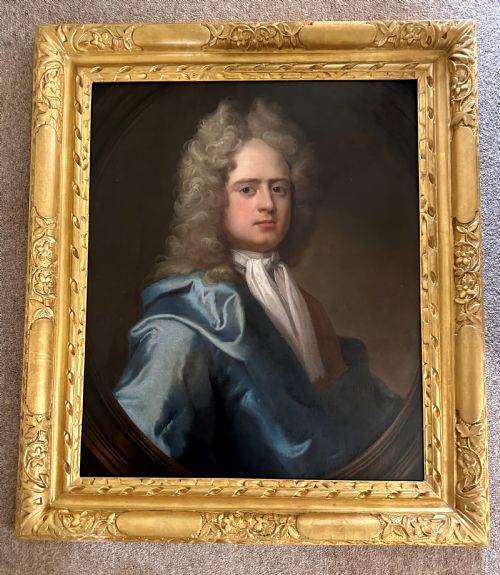
Canvas Family Portrait
When searching for a canvas family portrait, collectors discover historical oil paintings on canvas depicting lineage, domestic groups, and aristocratic relations from centuries past.
Canvas Family Portrait
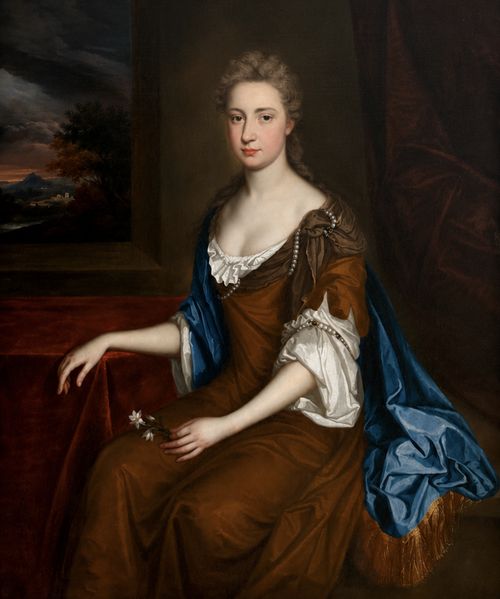
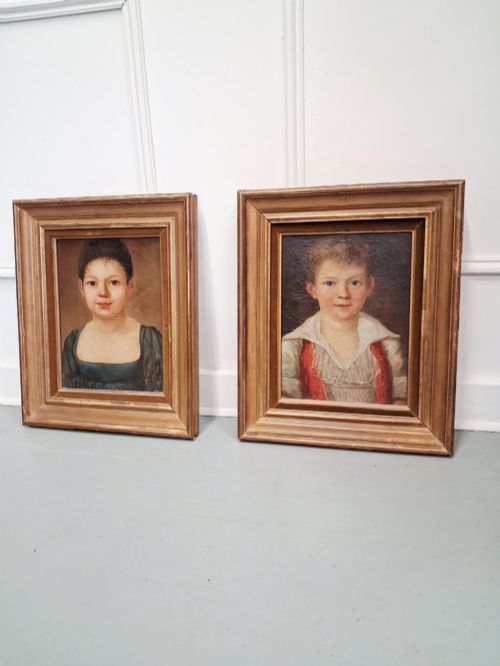
A canvas family portrait records the likenesses of individuals and kinship groups, stretching from the seventeenth century through to the mid-twentieth century. Buyers encounter formal oil paintings on canvas, pastel works, and framed artwork depicting named family members, nobles, children, and royal figures.
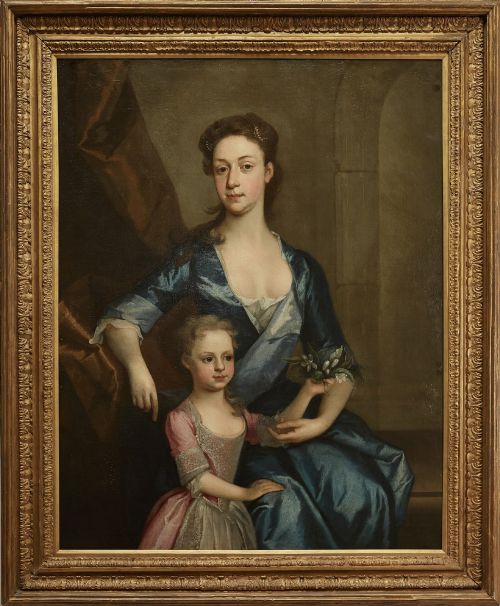
The compositions range from intimate domestic scenes and mother-and-child studies to large estate group paintings set within English country houses or Dutch interiors. These works bridge genealogy and fine art, capturing the clothing, expressions, and social standing of past eras.
Pigment and woven support
Artists painted these works using oil paint applied to stretched canvas supports, occasionally employing pastel on canvas or framing the finished pieces in ornate giltwood and carved wood frames. The preparation involved priming the woven fabric with a ground layer before applying successive coats of pigment and varnish.
Makers utilised traditional wooden stretchers to keep the canvas taut, sometimes housing the completed artwork in stepped oak frames or gilded surrounds complete with historical presentation plaques.
The listings span from the seventeenth century to the 1960s, featuring oil on canvas, pastel, and carved giltwood frames.
The standard of execution
Quality in a canvas family portrait rests upon the skill of the brushwork, the anatomical accuracy of the figures, and the psychological depth captured in the sitters' expressions. Works by recognised portraitists or established schools display superior handling of drapery, light, and facial detail compared to anonymous provincial pieces.
The preservation of the original paint surface and the authenticity of the period frame also influence the standing of the work. Early canvases retaining their untouched pigment layers and contemporary giltwood surrounds command greater appreciation among serious collectors.
Joseph Highmore·Franz Xaver Winterhalter·Sir Godfrey Kneller
The Canvas Family Portrait Glossary
- Oil on canvas
- A painting technique where pigmented oil is applied to a woven fabric support stretched across a wooden frame. This method became the dominant medium for durable fine art portraits from the seventeenth century onwards.
- Giltwood
- Wood carved and coated with a thin layer of gold leaf or metallic powder. It forms the decorative surface of many traditional antique picture frames.
- Attributed to
- A designation used when a painting is judged by experts to be the work of a specific artist based on style and technique, though without definitive documentation.
- Pastel on canvas
- An artwork created using dry pigment sticks rubbed directly onto a prepared fabric surface rather than wood or paper. These delicate pieces require protective glazing to prevent pigment loss.
Canvas Family Portrait: Frequently Asked Questions
How do I identify the period of a portrait?
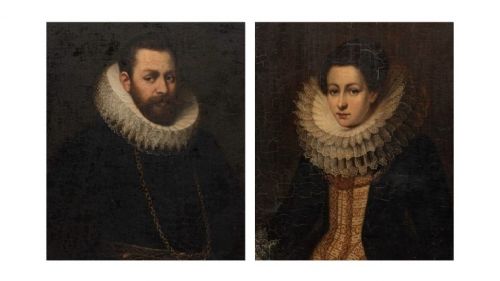
The period is often determined by the sitters' clothing, hairstyles, and ruff collars, which closely followed the fashion of their decade. Framing styles and canvas preparation techniques also offer strong clues to the exact era of creation.
Inscriptional evidence, signatures, or historical records on the reverse of the canvas help verify the date when stylistic clues alone remain ambiguous.
What subjects appear in these paintings?
Subjects range from named aristocratic lineage groups and mother-and-child studies to royal figures in naval uniforms and children with pets. Many depict specific historical families connected to country houses or estates.
Allegorical family scenes, including depictions of the Holy Family alongside saints, also feature among the traditional oil paintings.
Where should I hang a large canvas portrait?
These substantial works require stable wall spaces away from direct sunlight, excessive heat sources, and damp conditions to protect the oil paint and canvas. Placing them in rooms with consistent interior temperatures ensures the fabric and wooden stretcher remain stable.
Traditional portraiture pairs well with period architectural details, period furniture, and neutral walls that complement the dark tones of historic oil pigments.
Are these works signed by the artist?
Some portraits feature clear signatures or inscriptions on the canvas, while others are attributed to specific artists or schools based on stylistic comparison. Unsigned works frequently emerge from British or continental European schools of portraiture.
Historical documentation, family tree links, and framing plaques occasionally provide the provenance needed to identify the painter.