







Canvas and Board Art
Canvas and board art brings together centuries of painted oil works on flexible textiles and rigid supports.
Canvas and Board Art
Canvas and board art encompasses oil paintings created across the nineteenth and twentieth centuries, capturing landscapes, portraits, maritime scenes, and still lifes. Buyers searching this phrase encounter works spanning Victorian realism, Edwardian studies, and mid-century modernism.
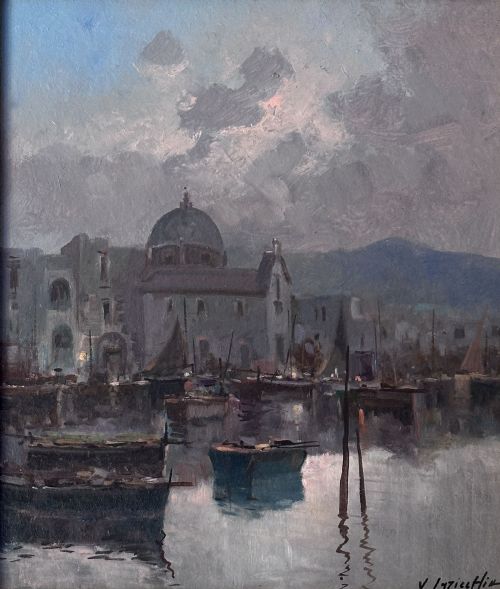
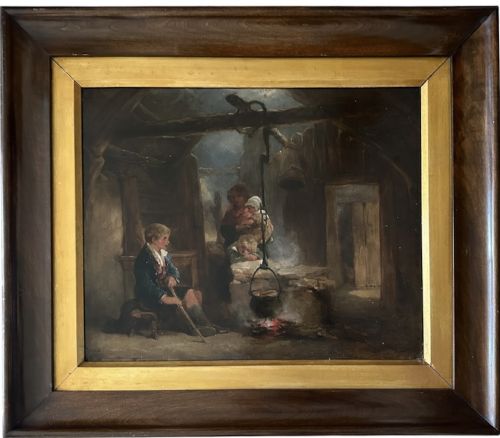
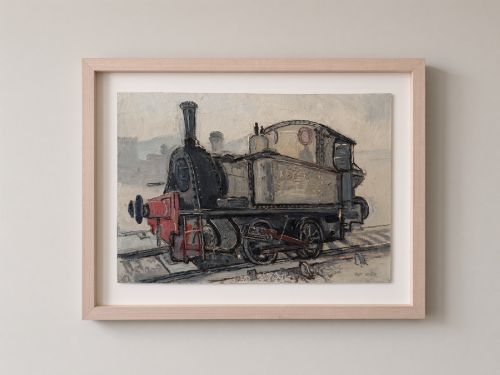
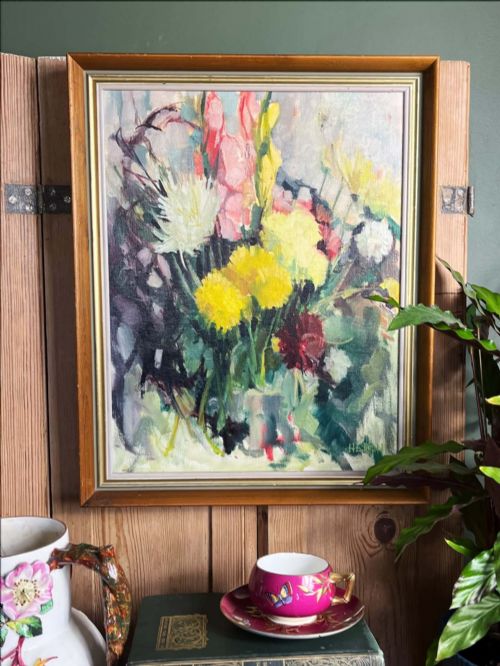
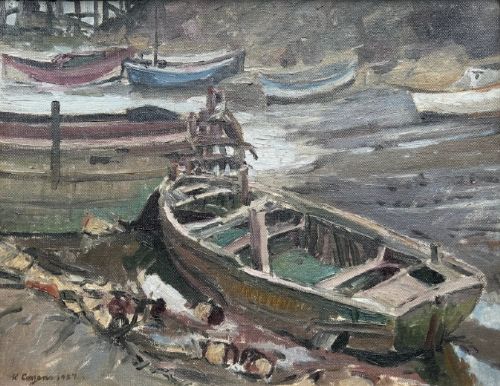
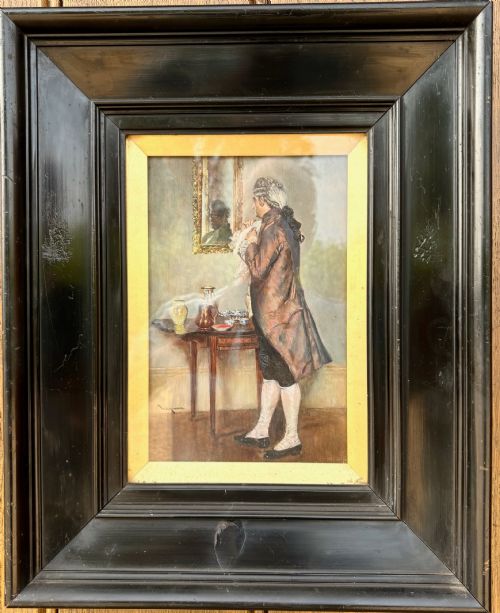
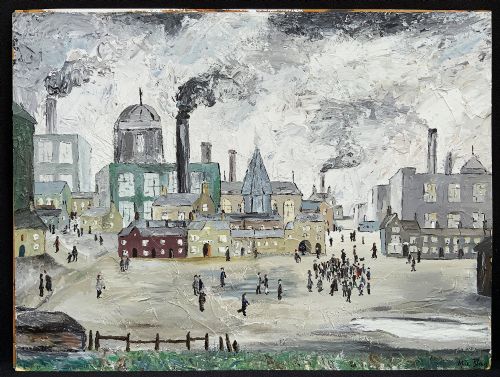
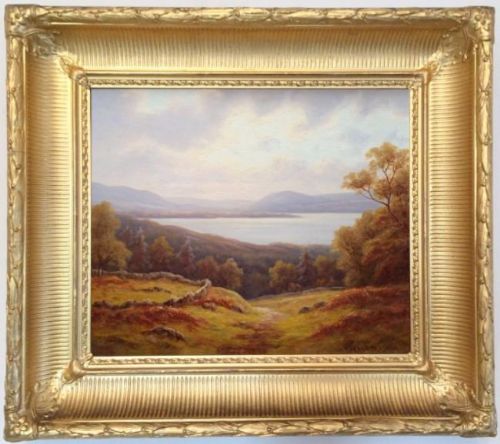
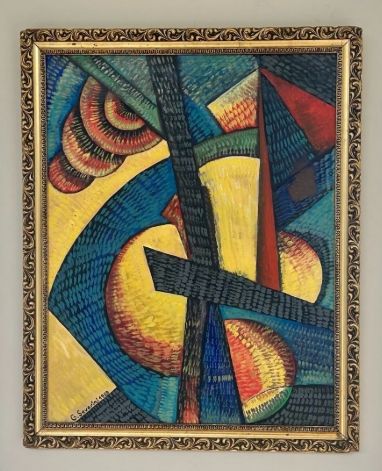
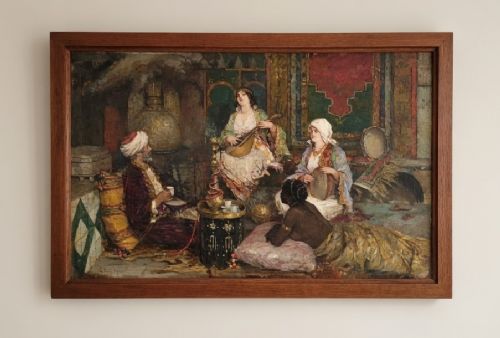
The selection on this page leans heavily toward mid-century oil paintings on board, alongside nineteenth-century coastal and rural landscapes. Works range from naive folk art and industrial townscapes to impressionist studies and modernist floral compositions.
How they were made
Artists painted primarily in oil pigments applied directly onto wooden boards, prepared canvases, or older canvases later laid onto board for structural support. Gilt frames and gold leaf details frequently accompany these pieces, enhancing the visual depth of the painted surfaces.
Brushwork varies from flat, traditional application to heavy impasto textures and printed elements embellished with oil paint. Support materials range from sturdy timber panels to woven textiles stretched or mounted rigidly.
Canvas and Board Art Retail Price Guide 2026
Typical asking prices for canvas and board art among the pieces listed under this phrase on Sellingantiques today, from the lower quarter to the upper quarter. They describe what is for sale here now, not the wider market.
Listings feature works created across multiple eras, ranging from Victorian and Edwardian pieces to mid-century modern and 1960s abstract paintings.
What varies in quality
Quality rests upon the confidence of the brushwork, the handling of light and pigment, and the compositional strength of the subject matter. Masterful mid-century abstracts and nineteenth-century portraits demonstrate precise control over tone and atmosphere.
The distinction between standard decorative works and finer pieces depends upon the artist's ability to render texture, depth, and spatial awareness convincingly within the chosen medium.
Fred Yates·George Whitton Johnstone·Kenneth Cozens·W.D. Almond·Francis Plummer·Erich Mercker·Everett Watson Mellor·Gabriel Puig Roda·John Constable·Septimus Scott·Gino Severini·Colin Graeme Roe·William Greaves·Raymond Arthur Roadnight·George Smith·Hermoine Hammond·Markey Robinson·William Ernst Burwell·Victor Haddrell·John Exley
The Canvas and Board Art Glossary
- Oil paint
- A slow-drying paint made of pigment particles suspended in a drying oil, commonly linseed. This medium allows for rich colour blending and thick impasto applications.
- Board
- A rigid flat support made of wood, pulp, or composite material used by painters as an alternative to stretched fabric. It provides a stable surface that resists sagging.
- Canvas
- A heavy woven fabric typically made from linen or cotton stretched tightly across a wooden frame. It serves as a classic foundation for oil paintings.
- Impasto
- A technique where paint is laid onto a surface in very thick layers, standing out visibly from the canvas or board. This method introduces tactile dimension to the artwork.
- Gilt
- A thin layer of gold leaf or gold paint applied to wooden frames or picture elements. It provides a reflective border that isolates the painting from its surroundings.
Canvas and Board Art: Frequently Asked Questions
How do I care for oil paintings on board?
Keep these pieces away from direct sunlight and extreme temperature fluctuations to prevent the wood or paint from warping and cracking.
Dust the surface gently with a soft, dry brush and avoid using water or chemical cleaners on the painted areas.
What is the difference between canvas and board?
Canvas is a flexible woven textile stretched over a frame, offering slight give under pressure, whereas board is a rigid, inflexible panel.
Boards require less tension maintenance over time, while canvases provide a traditional springy surface preferred by many historical painters.
How can I date an oil painting?
Examine the framing style, the composition of the support board or canvas, and the pigments used by the artist.
Signatures, artist registry records, and stylistic markers such as mid-century abstract influences also help narrow down the period.
Where should I hang these artworks?
Choose interior walls with stable humidity levels, away from damp zones like kitchens and bathrooms.
Position the pieces at eye level where ambient natural light can reveal the texture of the oil paint and the detail of the frame.