


Canine Portrait Wall Art
These canine portrait wall art pieces capture individual dogs with enduring character, spanning centuries of oil painting, etching, and pastel work.
Canine Portrait Wall Art
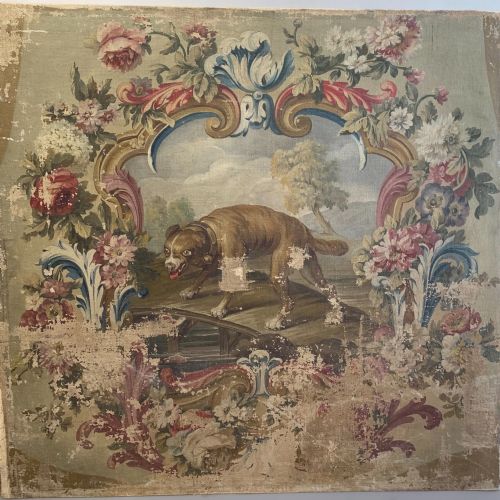
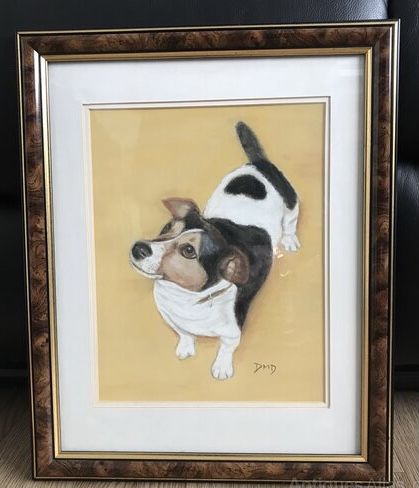
Canine portrait wall art encompasses framed depictions of dogs rendered across the nineteenth and twentieth centuries in various visual media. A buyer searching this phrase encounters everything from grand oil paintings of gun dogs to intimate pastel studies of terriers.
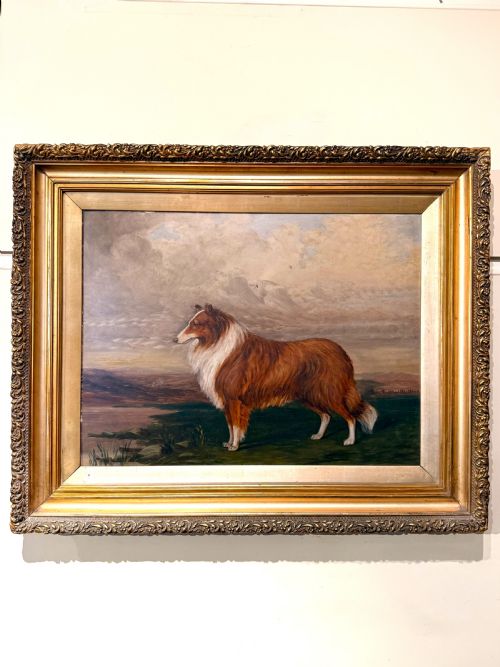
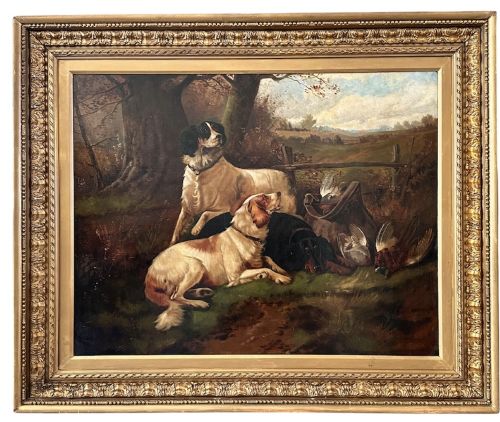
Nineteenth-century examples frequently present sporting dogs, terriers, and hounds within traditional landscape or interior settings. These works reflect the British country house tradition, capturing specific breeds with meticulous anatomical observation.
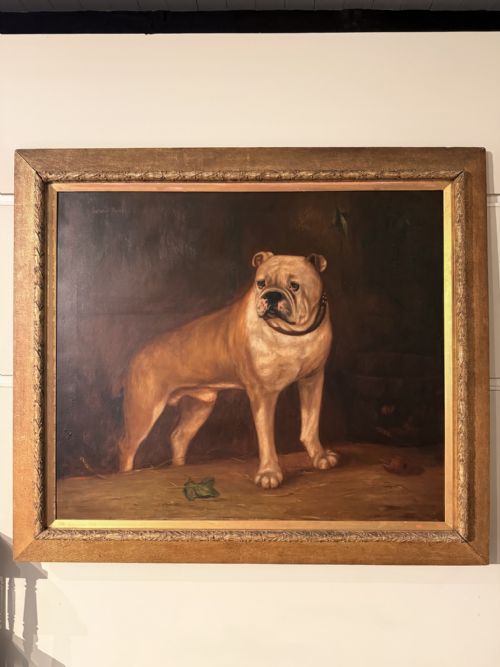
Twentieth-century pieces extend this tradition into mid-century realism, utilising oils, watercolours, and printmaking techniques like etching and drypoint. Mid-century works often focus on spaniels, terriers, and bulldogs, maintaining the detailed portraiture of earlier decades while shifting towards simpler domestic compositions.
Materials and Technique
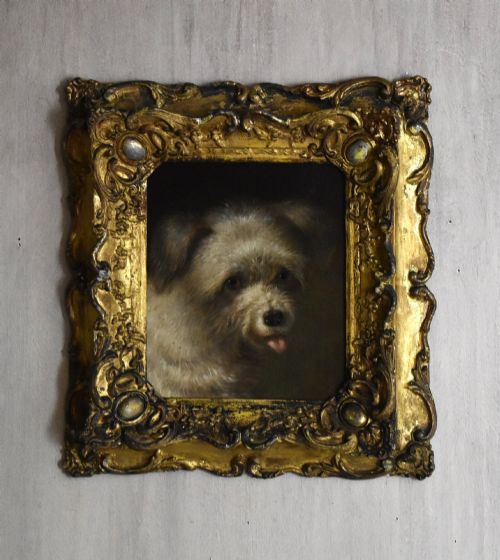
Oil paint on canvas or board forms the primary medium for these portraits, allowing artists to build rich textures in fur and natural light. Gilt frames frequently accompany these canvases, enhancing the presence of the artwork.
Paper works utilise watercolour, pastel, ink, and pencil, often protected beneath glass. Printmaking techniques such as original etchings and drypoints provide fine linear detail, particularly visible in works depicting terriers and hounds.
Listings feature works from the Regency period through to the mid-twentieth century, utilising oil, canvas, paper, and glass.
Distinctions in Quality
Quality rests primarily on the artist's command of anatomy, expression, and the play of light across the coat. Superior pieces capture the distinct personality and conformation of the breed rather than relying on generic canine forms.
The handling of background elements and framing context distinguishes finer works from routine studio pieces. A well-rendered interior or landscape grounds the subject, whereas lesser examples employ flat or formulaic backdrops.
Martin Theodore Ward·John Sargent Noble·Herbert Dicksee·Augustin Edouart·Sir Edwin Landseer·Valentine Thomas Garland·John Emms·Henry Frederick Lucas-Lucas·Samuel John Carter
The Canine Portrait Wall Art Glossary
- Oil on Canvas
- Pigment suspended in drying oil applied to stretched woven fabric. This medium allows for deep colour saturation and gradual blending.
- Drypoint
- A printmaking process where an image is scratched directly onto a metal plate with a sharp needle. This technique produces velvety lines due to the displaced metal burr.
- Pastel
- A dry medium composed of powdered pigment and a binder, formed into sticks. It offers vibrant colour application on paper.
- Sporting Art
- Depictions of hunting, shooting, and animal subjects associated with country pursuits. This genre emphasises the physical prowess and breed characteristics of working dogs.
Canine Portrait Wall Art: Frequently Asked Questions
How do I identify a 19th-century dog painting?
Nineteenth-century dog paintings typically feature traditional sporting breeds rendered in oil on canvas or board, often within dark, naturalistic landscapes or muted interiors. Artists of this era focused heavily on accurate anatomical proportions and specific working characteristics.
Examination of the canvas weave, stretcher bars, and framing materials often provides additional clues to the age of the piece. Signatures and dates, where present, help anchor the work within the Victorian or Regency periods.
What is an original etching in dog art?
An original etching is a print pulled from a metal plate that the artist has worked by hand using acid to bite the lines. Artists like Herbert Dicksee produced textured depictions of terriers and spaniels using this method.
Unlike reproductions, these period prints carry the individual nuances of the plate's creation. Collectors value them for the crispness of line and the tonal depth achieved in the fur.
How should I hang canine wall art?
Canine portraits look most at home displayed at eye level in spaces like studies, libraries, or living rooms. Traditional gilt frames pair well with dark or panelled walls, creating an authentic country house aesthetic.
Protection from direct sunlight preserves the integrity of oils and works on paper under glass. Grouping smaller framed etchings together can create a balanced display without overwhelming a wall.
Are pastels and watercolours fragile?
Works on paper executed in pastel or watercolour require framing behind glass to protect the delicate medium from dust and physical contact. Archival matting prevents the paper from touching the glass directly.
Keeping these pieces away from humid environments and direct sunlight ensures the pigments retain their original vibrancy over time.