




Caned Window Bench
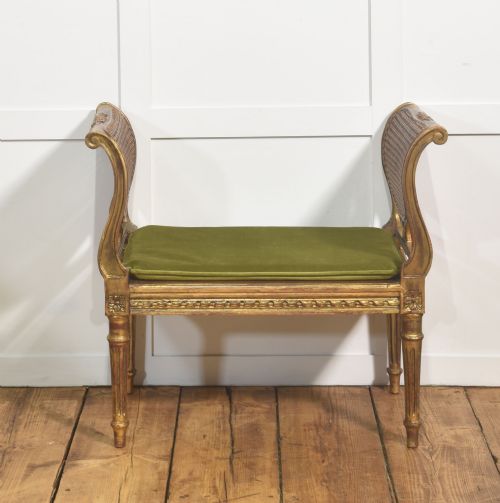
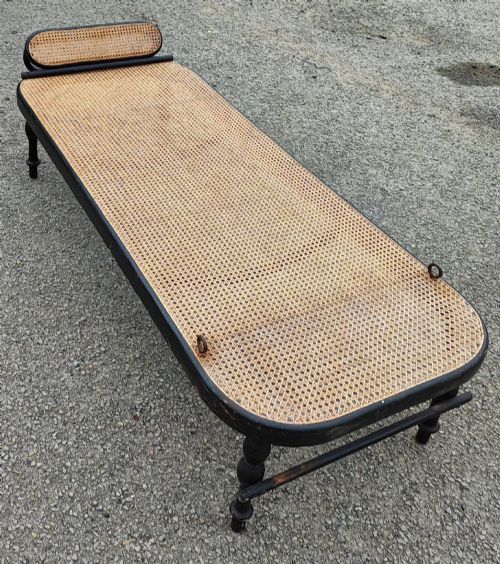
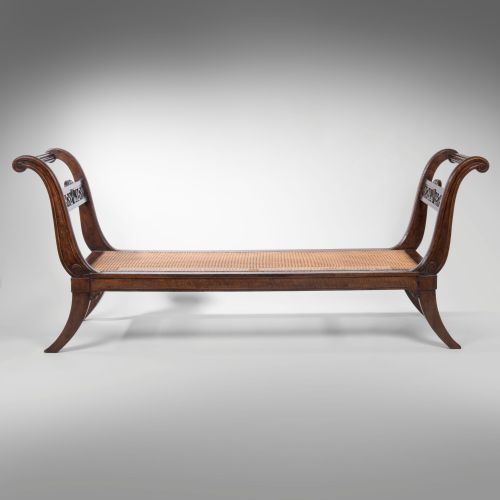
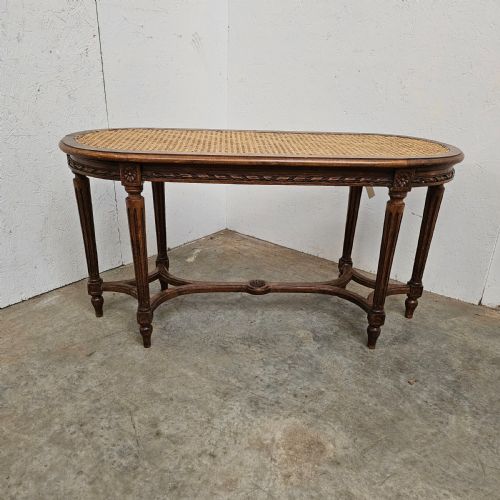
These caned window bench pieces bring airy seating and classic frames to a light-filled alcove.
Caned Window Bench
A caned window bench provides low seating designed to sit beneath a sill without blocking the view or light. The selection includes long stools, daybeds, and settees originating from periods such as the Regency era, the Victorian period, and the early twentieth century.
The forms span classical revivals, including Louis XVI, French Régence, Carolean, and Edwardian Neoclassical styles. Buyers will frequently encounter French-influenced giltwood, painted wood, and carved beech frameworks alongside mahogany structures.
Makers utilised various timber types, pairing wooden frames with woven cane seats and backs. These versatile furnishings function equally well as window seats, long stools, and hall benches within traditional interiors.
How they were made
Makers constructed the structural frames from solid hardwoods like mahogany, beech, satinwood, and walnut, frequently shaping them through carving, painting, or ebonising. Giltwood examples display applied gold leaf over gesso and timber bases.
The signature caning technique involves hand-weaving slender strands of cane through drilled holes along the seat rails. This creates a flexible, breathable mesh surface that supports the sitter while maintaining a visually lightweight appearance.
What varies in quality
The distinction between tiers rests upon the crispness of the timber carving and the uniformity of the hand-woven cane mesh. Dense hardwoods and well-preserved original gilding or paintwork indicate superior workshop execution.
Proportion and structural joinery separate standard examples from finer pieces. Frames that retain tight joints and balanced classical proportions demonstrate greater care during original production.
The Caned Window Bench Glossary
- Canework
- A method of weaving peeled rattan cane to form a resilient, decorative panel for seats and backs. It provides a lightweight alternative to solid wood or upholstered padding.
- Giltwood
- Timber coated with gold leaf applied over a prepared gesso ground. This finish appears frequently on pieces influenced by French court styles.
- Ebonised
- Wood treated with a dark stain or finish to imitate ebony. This technique gained popularity during the nineteenth century for formal seating.
- Bergere
- An enclosed armchair or long seat featuring upholstered sides and a caned or cushioned back. The style originates from French furniture design.
- X Frame
- A structural base formed by intersecting diagonal stretchers resembling the letter X. This geometric support underpins many Regency window seats.
Caned Window Bench: Frequently Asked Questions
Where should I place a window bench?
These low seats suit placement directly beneath a window bay or within a long hallway. Their open caned panels allow natural light to filter through the room.
They also function effectively at the foot of a bed or serving as extra seating in a salon.
How do I care for caned seating?
Keep caned panels supple by wiping them lightly with a damp cloth to prevent the natural rattan from drying out and snapping. Avoid placing these pieces in direct sunlight or beside intense heat sources.
Regular dusting with a soft brush keeps the woven mesh free from debris.
What periods do these benches date from?
The available selection spans the nineteenth century through to the early twentieth century. Pieces range from Regency and Victorian examples to Edwardian revivals.
Stylistic details like giltwood frames or painted satinwood point to specific historical design movements.
Are these benches sturdy enough for daily use?
Solid hardwood frames built from mahogany, beech, or walnut offer strong structural support for everyday seating. Traditional joinery ensures the load is distributed evenly across the base.
Hand-woven cane yields slightly to weight while retaining its tension.