


Caned French Bergere
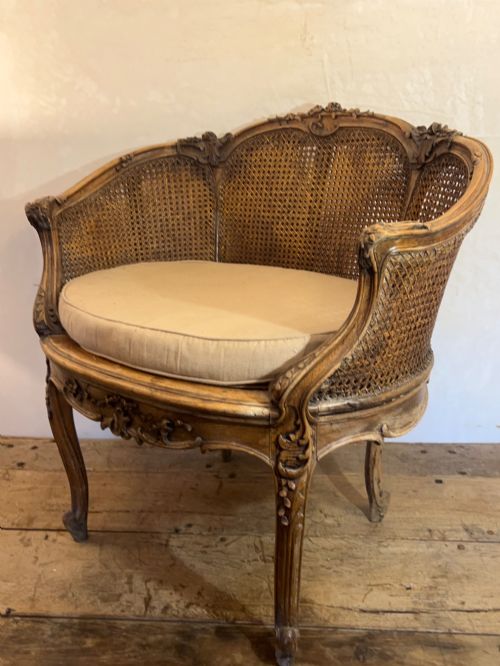
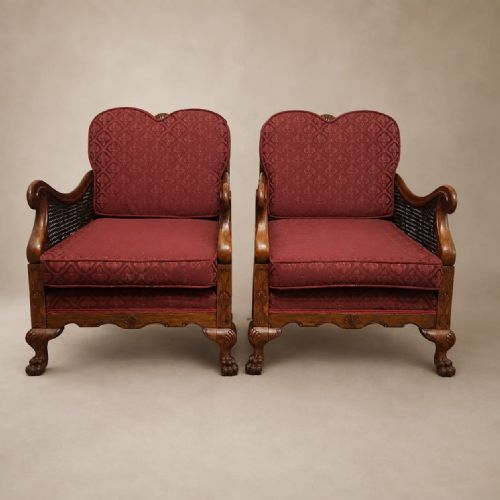
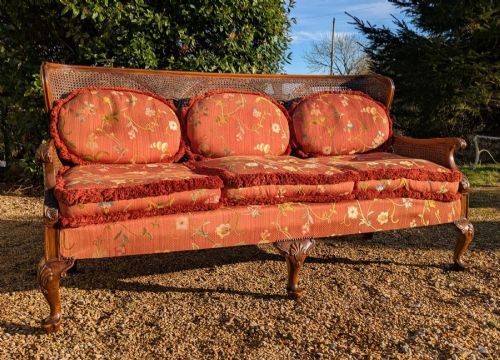
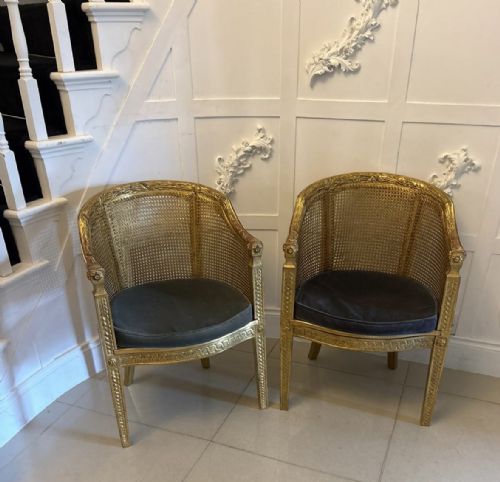
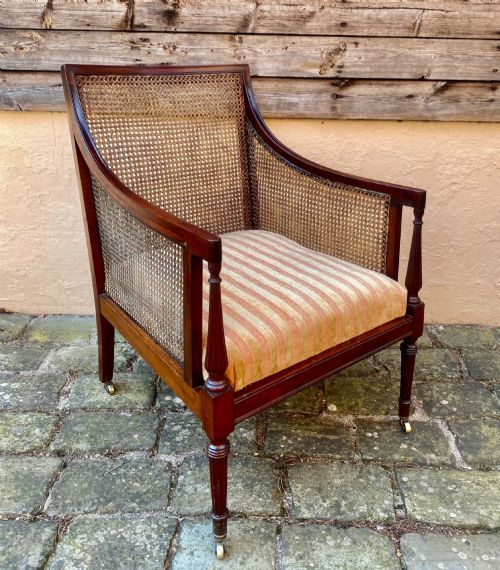
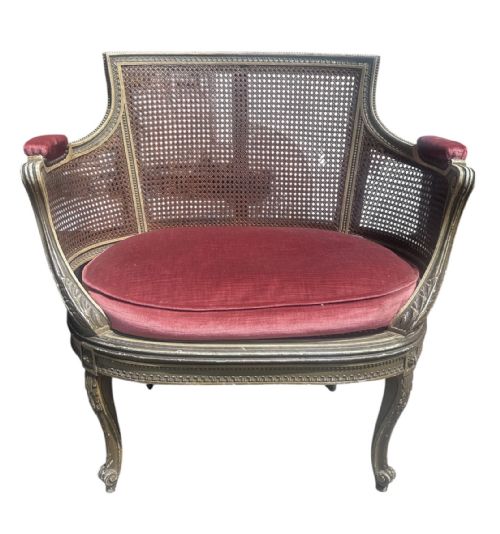
A caned french bergere brings classic seating with woven panels and carved timber frames into a room.
Caned French Bergere
A caned french bergere is a traditional upholstered armchair, sofa or daybed featuring enclosed woven cane sides and back panels set within a solid timber frame. Buyers seeking this phrase encounter seating forms ranging from nineteenth century library armchairs and salon seats to larger settees and daybeds.
The selections span distinct periods including the nineteenth century, Edwardian era and early twentieth century. Common decorative treatments follow Louis XV, Louis XVI and Regency revival styles, alongside French chateau and Art Deco interpretations.
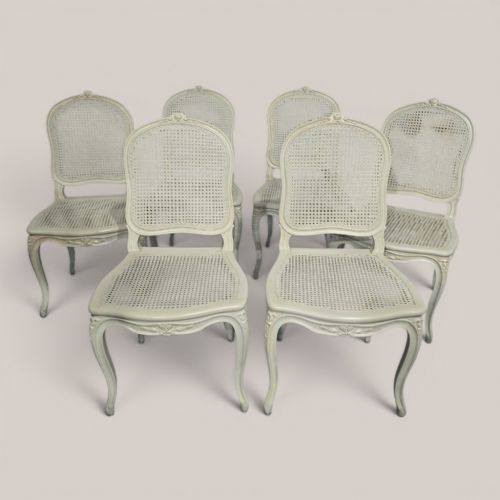
Armchairs and sofas predominate, though dining chairs, window seats and bedroom chairs also appear alongside king size beds recorded in past archives. Frames typically integrate cane work with loose feather cushions for seating comfort.
How they were made
Frames are constructed from solid hardwoods such as walnut, beech, mahogany and oak, which are carved and sometimes finished with paint or giltwood. Selected pieces utilise split cane or rattan cane woven tightly through drilled frame margins to form supportive back and side panels.
Upholstery involves feather cushions resting on internal platforms or cane bases, paired with fabric or velvet coverings. Construction techniques combine traditional joinery for the wooden chassis with hand-woven cane panels that flex slightly under weight.
The listings show pieces constructed from walnut, beech, mahogany and oak, paired with cane, fabric, velvet, paint and giltwood finishes.
What varies in quality
Quality depends upon the crispness of the timber carving and the tightness and regularity of the hand-woven cane work. Superior examples display dense, well-seasoned woods like walnut and beech with deeply shaped cabriole legs or detailed scrollwork.
The integration between the woven cane panels and the structural wooden frame dictates long-term durability. Finer pieces maintain taut, undamaged cane work alongside balanced proportions and original painted or gilt surfaces.
The Caned French Bergere Glossary
- Bergere
- An enclosed upholstered armchair with solid wooden sides filled with cane or upholstery. This seating type originated in France during the eighteenth century.
- Cane
- A material made from the peeled bark of rattan palms, woven in patterns for chair seats and back panels. It provides a flexible and breathable surface.
- Giltwood
- Timber coated with a thin layer of gold leaf or gilt paint. This finish appears frequently on formal French salon armchairs.
- Louis XV style
- A decorative aesthetic defined by asymmetrical curves, cabriole legs and floral carvings. It draws inspiration from the mid-eighteenth-century French court.
- Corbeille
- A chair or bed shape featuring a curved, rounded backrest resembling a basket. This design wraps around the sitter for added enclosure.
Caned French Bergere: Frequently Asked Questions
What is a bergere chair?
A bergere chair is a French-style upholstered armchair featuring solid sides filled with woven cane panels. It provides an enclosed seating shape with a loose cushion.
These chairs date across the nineteenth and early twentieth centuries in various revival styles like Louis XV and Louis XVI.
How do I clean caned panels?
Caned panels require gentle cleaning with a damp cloth to remove dust from the woven strands. Avoid harsh chemical cleaners that dry out the natural material.
Keeping cane properly hydrated in balanced humidity prevents it from becoming brittle over time.
Are these chairs comfortable for daily use?
These chairs combine a supportive woven cane shell with soft feather cushions for relaxation. The enclosed shape offers structural support for the back and arms.
Most pieces suit living rooms, libraries and bedrooms as reading or lounge seating.
How do I date a french chair?
Dating relies on timber types, carving styles, joinery methods and overall wear patterns. Revival pieces often emulate eighteenth-century motifs while retaining nineteenth or twentieth-century construction details.
Comparing the painted finishes, cane tension and wood species helps determine the production period.