






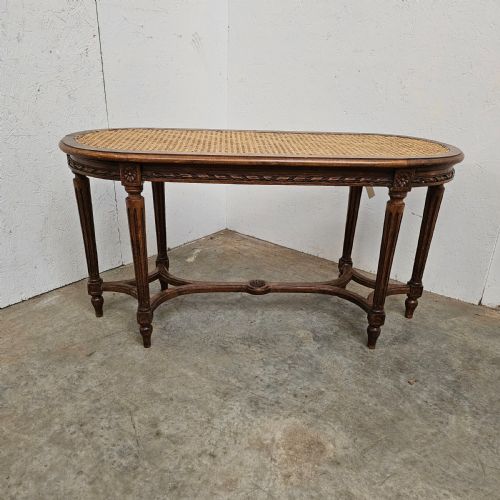


Cane Seated Stool
These cane seated stool pieces bring natural woven texture and classic timber framing into a room, offering versatile seating with historical charm.
Cane Seated Stool
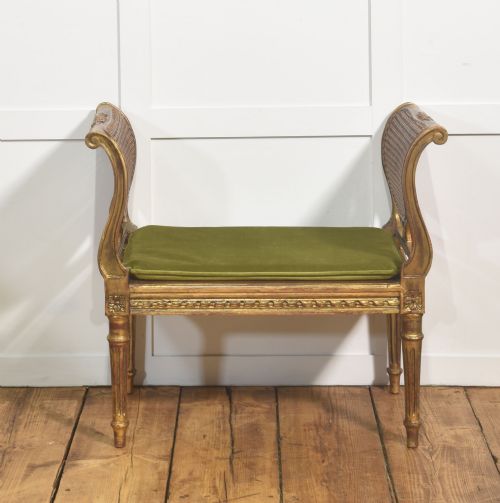
A cane seated stool provides compact and movable seating, appearing across the Georgian, Regency, Victorian, and Edwardian periods in various forms. Buyers searching for a cane seated stool will encounter pieces ranging from simple turned beech frames to ornate French Louis XVI style giltwood window seats.
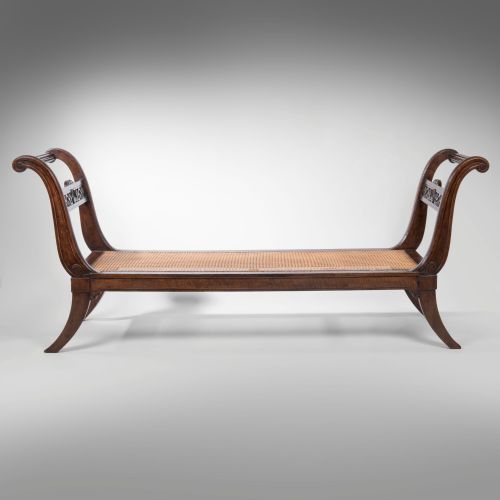
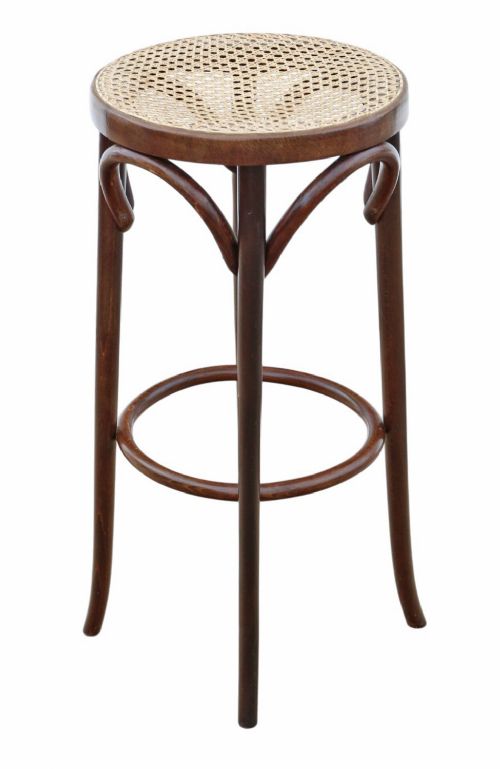
Forms include low dressing table stools, tall bar stools, and long window benches designed to sit beneath living room glass. Many examples originate from British and French workshops, utilising regional timber traditions from the nineteenth and early twentieth centuries.
The combination of a rigid wooden structure and a woven plant fibre seat defines the genre, balancing structural support with light visual weight. Such seating serves utilitarian roles in hallways and bedrooms or acts as decorative accent furniture in larger reception spaces.
Materials and construction methods
Makers built the structural frameworks using hardwoods like mahogany, oak, satinwood, and beech, frequently shaping the timber through turning or carving. Painted and giltwood finishes also appear, particularly on pieces influenced by French Louis XVI and Régence design aesthetics.
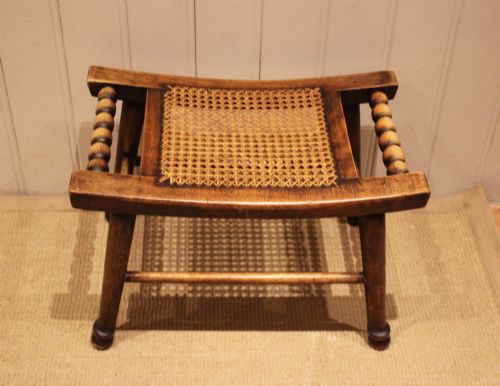
Seats utilise woven cane work fitted directly into rebated wooden channels along the top of the seat rails. This technique requires tensioning pliable plant fibres into a tight grid, yielding a resilient yet flexible surface that supports weight without solid boards.
Cane Seated Stool Retail Price Guide 2026
Typical asking prices for cane seated stool among the pieces listed under this phrase on Sellingantiques today, from the lower quarter to the upper quarter. They describe what is for sale here now, not the wider market.
Some versatile nineteenth-century library pieces double secretly as folding steps, proving that nineteenth-century artisans appreciated practical domestic wizardry.
Assessing quality and execution
Superior examples demonstrate precise joinery in the timber frame, with tightly fitted joints and clean, hand-carved decorative motifs rather than crude moulding. The density and even tension of the woven cane surface further distinguish finer workshop output from simpler utilitarian seating.
Proportion and material selection dictate the overall calibre of the piece, as denser hardwoods and balanced architectural framing elevate simple furniture into accomplished design statements. Finer execution shows in the crispness of turned legs, balanced X-frame geometries, and well-preserved surface patination.
The Cane Seated Stool Glossary
- Cane
- A material derived from the peeled bark of rattan palms, woven into open or closed mesh patterns for seating. It provides a lightweight and breathable surface.
- Window seat
- A long, low stool designed specifically to fit within the architectural recess of a domestic window frame. These pieces often feature upholstered or woven tops.
- X-frame
- A structural furniture base formed by intersecting diagonal timbers that cross to create a supportive support resembling the letter X. This form frequently appears on Regency period seating.
- Giltwood
- Timber treated with a thin layer of gold leaf applied over a prepared gesso ground. This finish appears on decorative French revival furniture.
- Beech
- A dense, pale hardwood commonly utilised for chair and stool frames due to its excellent bending properties and smooth turning capabilities.
Cane Seated Stool: Frequently Asked Questions
How do I date a cane seated stool?
Dating relies on examining the timber species, joinery techniques, and stylistic markers such as Regency X-frames or Edwardian satinwood framing. Tool marks and construction methods indicate the manufacturing era.
Comparing the decorative carving style to known historical periods helps narrow down the origin.
Where should I place a window seat?
Window seats suit placement beneath low window frames, at the foot of a bed, or along a hallway wall. Their low profile avoids blocking natural light.
They also function as informal seating in living rooms or as decorative surfaces for books and magazines.
Are these stools comfortable to sit on?
The woven cane grid offers natural spring and flex, providing a supportive surface for short durations. Many owners add loose cushions for extended sitting.
The breathable weave makes them particularly practical for warmer rooms and dressing areas.