


Cane and Umbrella Holder
These cane and umbrella holder pieces tame the hallway clutter with solid timber and heavy metal, offering a practical anchor for visitors' walking sticks.
Cane and Umbrella Holder
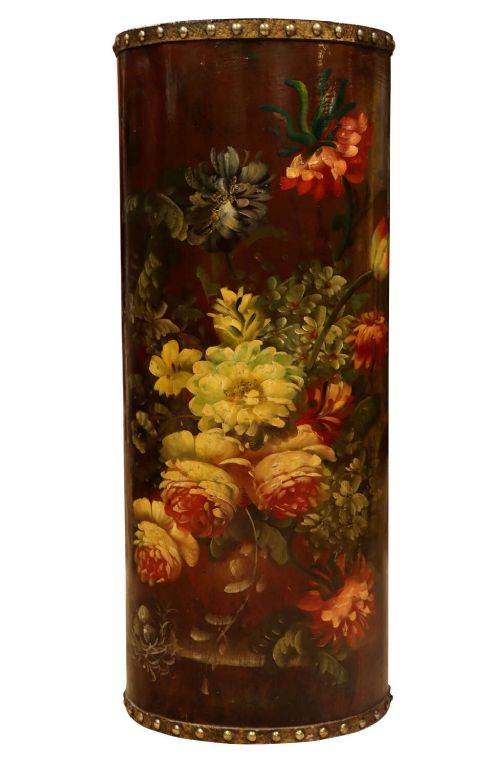
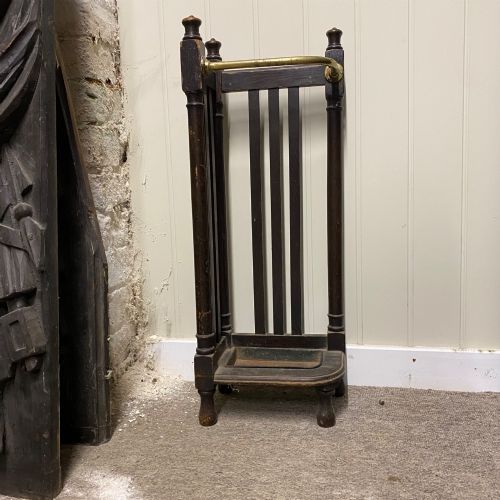
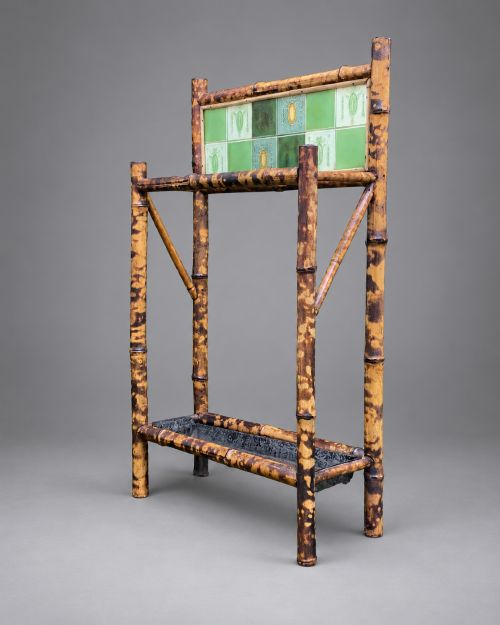
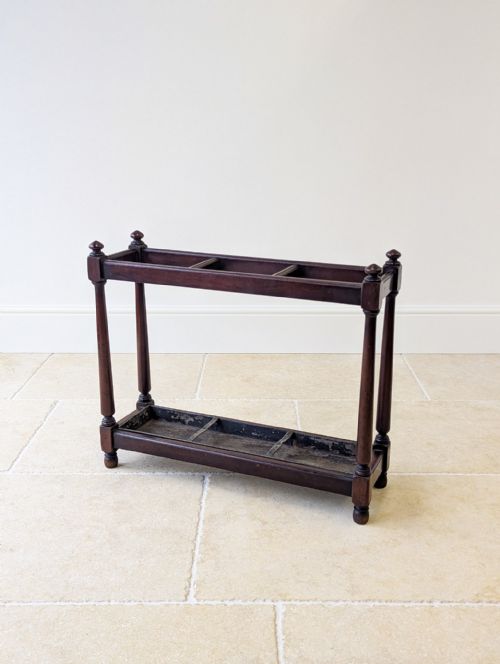
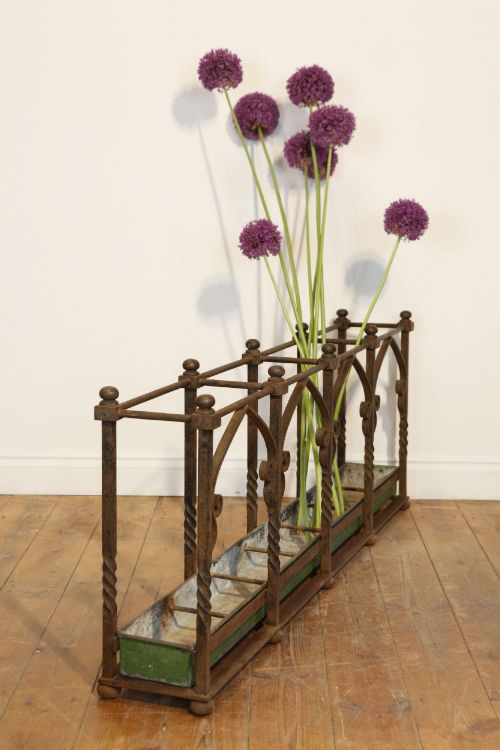
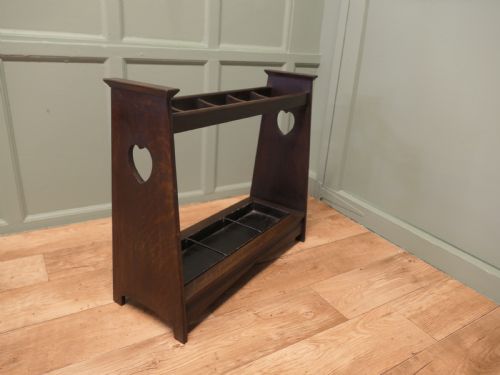
A cane and umbrella holder stands ready in the entrance hall to keep wet weather gear and walking aids contained, usually appearing as either a vertical frame or a low vessel with internal dividers. The most frequent versions on this page are heavy cast iron pieces from the Victorian era alongside solid oak designs from the Edwardian period.
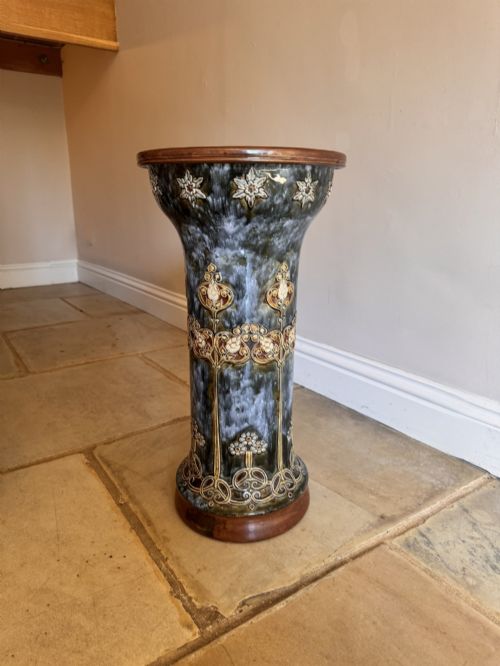
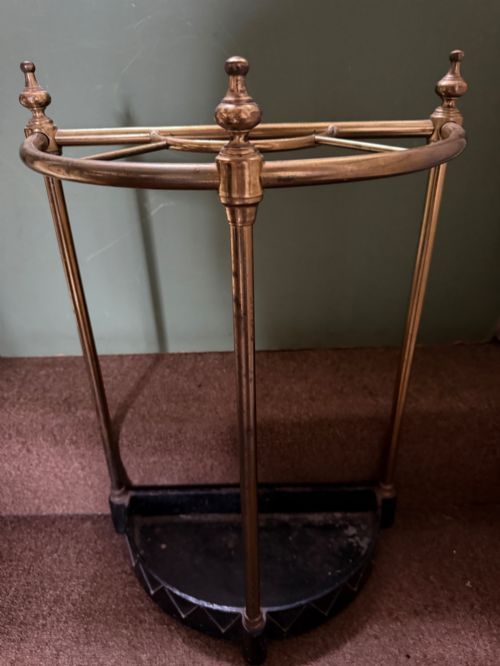
Makers shaped these hall accessories to suit the domestic architecture of the nineteenth and early twentieth centuries, producing everything from compact demi-lune forms for tight spaces to long shop displays meant for hotels. Alongside these utilitarian items, one encounters aesthetic movement pottery and glazed earthenware vessels designed to handle damp drips without rotting the floor.
The materials reflect the functional demands of a busy hallway, combining waterproof metals and ceramics with durable hardwoods like mahogany and oak. Many examples incorporate drip trays at the base to protect parquet and floorboards from standing water left by wet umbrellas.
Materials and construction methods
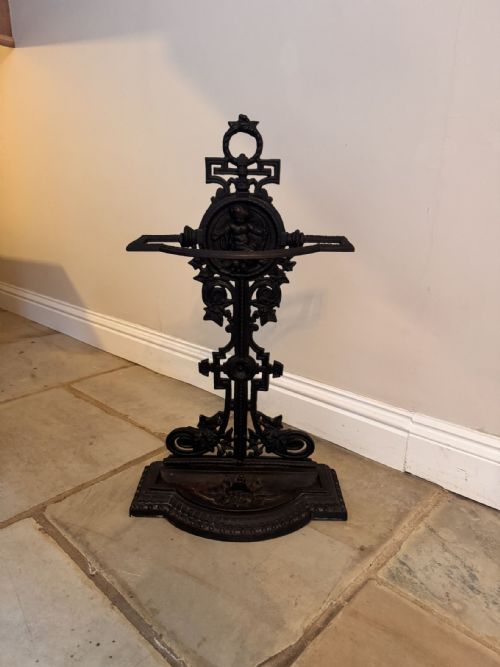
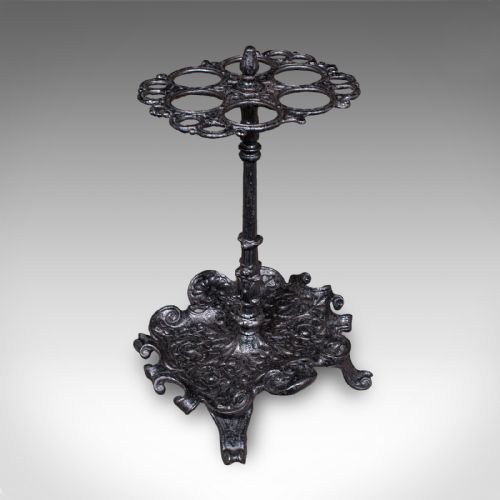
Cast iron production dominated the heavy end of the market, utilising sand moulds to create openwork frames with decorative stick loops and integral drip trays. Foundries such as Coalbrookdale turned out detailed patterns ranging from naturalistic bamboo faux bois to geometric Victorian designs.
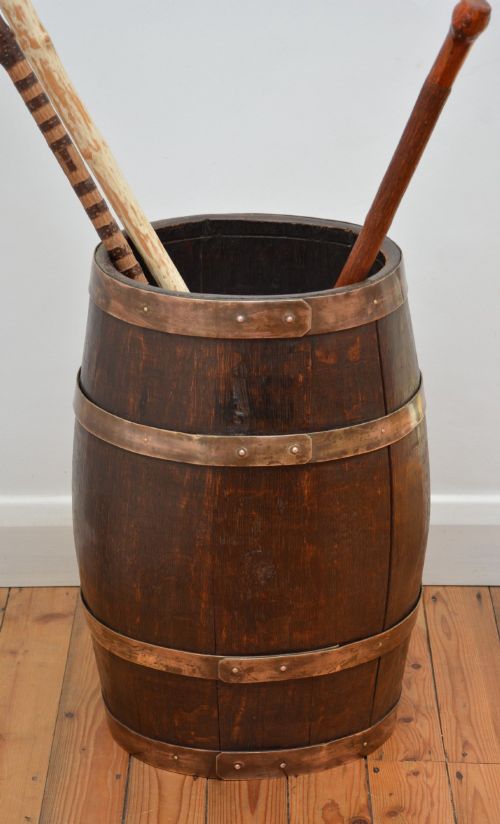
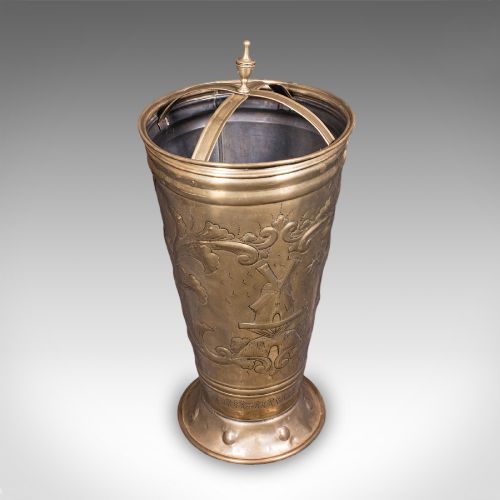
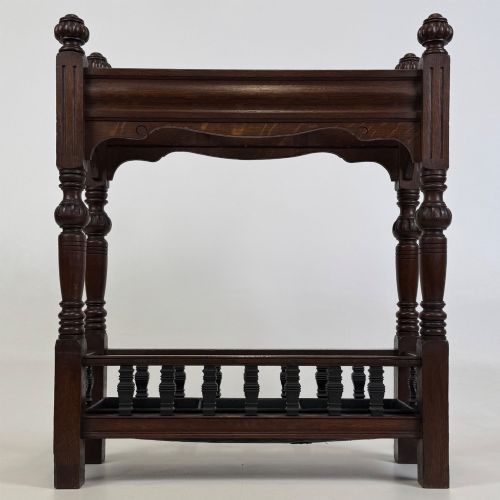
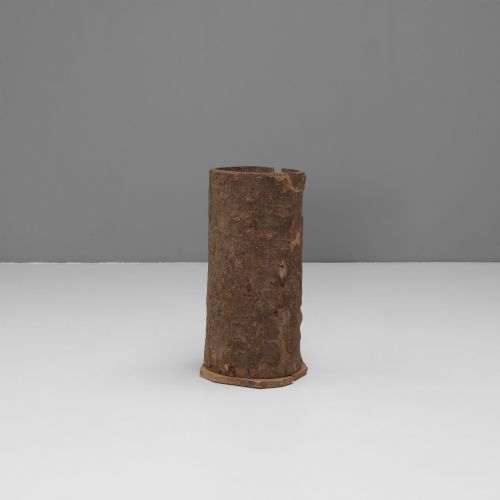
Woodworking traditions relied on coopered staves bound with brass bands, much like a small barrel, or standard cabinet making using solid oak and mahogany fitted with brass rails. Metal components such as nickel plating and brass ball finials provided bright contrast against the dark timber frames.
Cane and Umbrella Holder Retail Price Guide 2026
Typical asking prices for cane and umbrella holder among the pieces listed under this phrase on Sellingantiques today, from the lower quarter to the upper quarter. They describe what is for sale here now, not the wider market.
The listings show a strong presence of cast iron and oak, spanning the Victorian and Edwardian eras with occasional Art Deco examples.
Judging the standard of manufacture
Quality reveals itself in the crispness of the casting and the weight of the metal, where finer iron examples show sharp relief in their decorative motifs rather than blurred edges from worn moulds. In wooden pieces, the integrity of the joinery and the proper fitting of the metal hoops determine whether the structure stays sound when subjected to damp conditions.
The presence of original drip trays adds significantly to the completeness of an object, as these removable zinc or cast iron liners frequently went missing over decades of domestic use. Furthermore, the ambition of the design - ranging from plain utility items to sophisticated artistic ceramics by makers like Burmantofts - separates standard hallway furniture from notable examples of period craft.
Burmantofts Faience·Théodore Deck·Coalbrookdale
The Cane and Umbrella Holder Glossary
- Demi-lune
- Half-moon shape. This semicircular profile allows the stand to sit flush against a hallway wall while occupying minimal floor space.
- Coopered
- Built from wooden staves bound together with metal hoops. This technique originates from barrel making and prevents wood from splitting when exposed to moisture.
- Faience
- Tin-glazed earthenware. This pottery technique provides a glossy, waterproof surface favoured by aesthetic movement makers for wet umbrella storage.
- Stick loop
- An individual metal divider. These loops keep walking sticks and umbrellas separated and upright rather than slumping into a tangled heap.
- Japanned
- Finished with a hard, black lacquer. This orientalizing surface treatment mimics traditional Japanese woodwork on Edwardian metal or wooden frames.
Cane and Umbrella Holder: Frequently Asked Questions
How do I stop iron stands from rusting?
Keep the metal dry by ensuring the interior drip tray is emptied regularly and wiped clean after wet weather.
Apply a light coat of wax or microcrystalline polish to the exterior ironwork to protect the surface from atmospheric moisture without altering the finish.
Can these hold heavy walking sticks?
Cast iron and sturdy oak models are built specifically to support heavy walking sticks, golf clubs, and oversized umbrellas without tipping over.
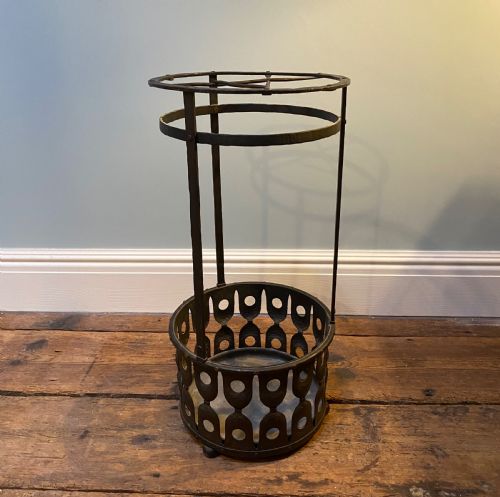
Lighter brass and wirework versions suit standard folding umbrellas and lighter canes better than heavy timber staffs.
Where should I place a stand?
Position the piece near the main entrance door so visitors can deposit wet items immediately upon entering the house.
Ensure there is adequate ventilation around wooden versions to prevent lingering dampness from damaging the timber.