


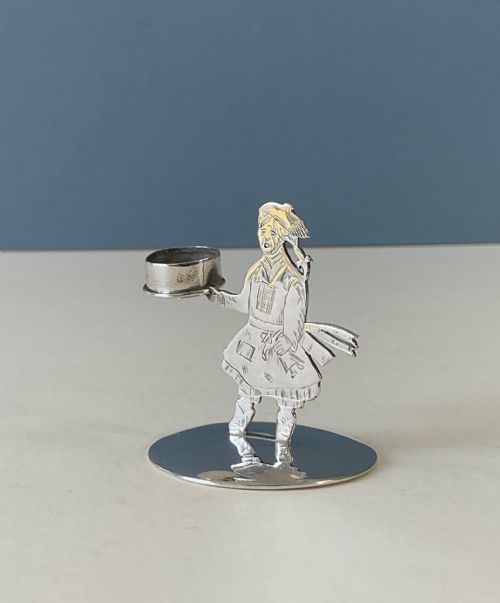


Candle Sconce Table
When you examine a candle sconce table, you find a clever piece of furniture designed to hold a light source close at hand.
Candle Sconce Table
A candle sconce table combines a stable surface, such as an occasional table, reading stand, or dressing chest, with integrated candleholders or sconces. These items appear across various periods from the eighteenth century through to the Art Deco era, reflecting domestic lighting needs before electricity.
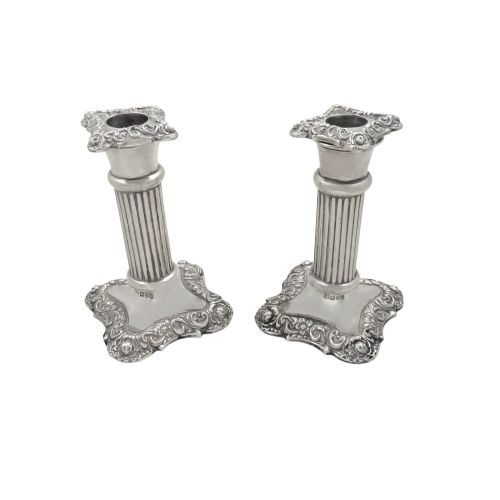
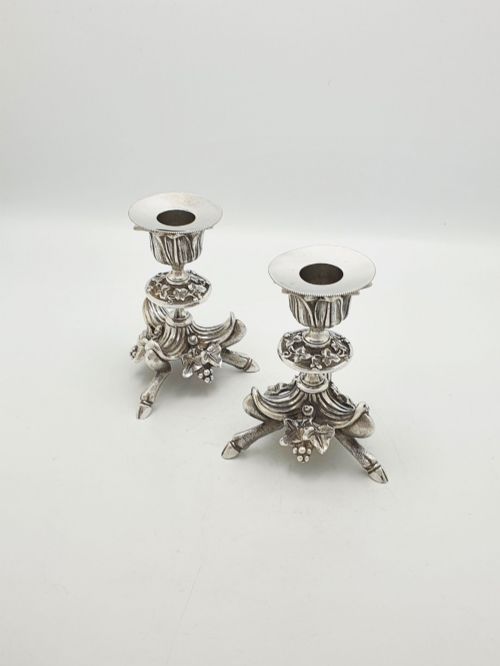
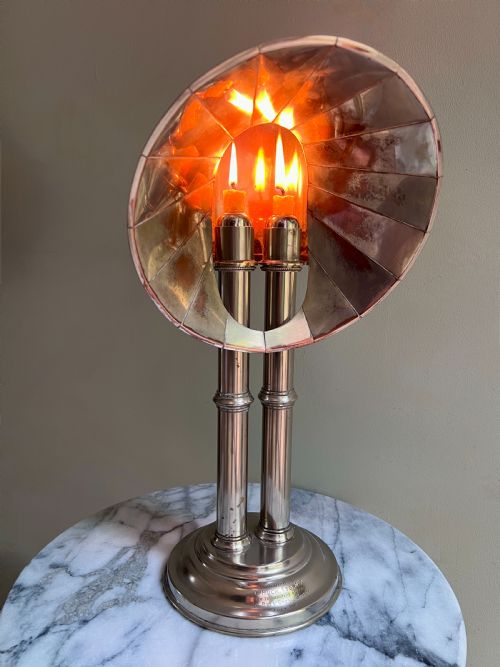
The selections on this page lean heavily towards related lighting and surface forms, including candlesticks, chambersticks, candelabra, and candle lamps, alongside tables and mirrors equipped with sconces. Brass, silver plate, and mahogany form the backbone of these domestic objects, originating from English, French, and other European workshops.
Buyers seeking this configuration encounter diverse expressions ranging from Georgian mahogany reading stands and campaign desks to Victorian walnut revolving tables and French gilded wall or table sconces. Each iteration provides a stable platform paired with secure candle placement for evening tasks.
How They Were Made
Metals dominate the construction of these items, with brass, bronze, ormolu, sterling silver, and silver plate shaped through casting, turning, and plating techniques. Makers utilised mahogany, satinbirch, and walnut for wooden table bases and writing slopes, often incorporating brass binding or turned barley twist columns.
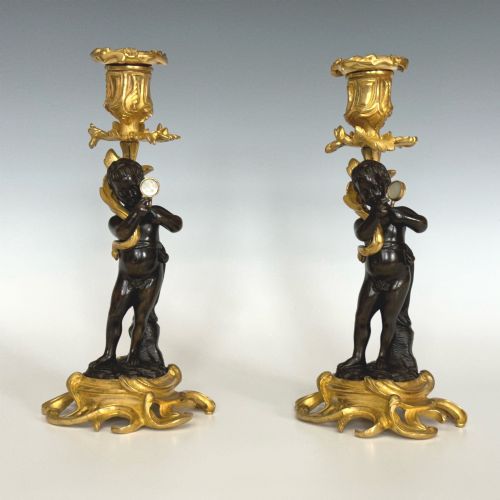
Decorative details rely on applied patination, gilding, and figural casting depicting putti, cherubs, or caryatids. Glass components appear as cut-glass shafts or reflector shades, while marble provides heavy, stable bases for bronze figures.
Bronze putti cheerfully bear the weight of heavy candle holders on marble bases, refusing to drop their light.
What Varies in Quality
The standard of a piece rests upon the crispness of the metal casting and the integrity of the joins between the sconce and the support. Fine examples exhibit sharp relief in figural elements like putti and foliage, whereas lesser items show softened details from worn moulds.
Material selection dictates longevity, seen in heavy gauge brass and thick silver plate over base metals compared to thin platings that wear through to the substrate. On wooden components, timber selection and joinery precision separate standard utility items from refined cabinet work.
John Cafe·Elkinton And Co·Minton
The Candle Sconce Table Glossary
- Sconce
- A bracket fixed to a wall or piece of furniture to hold a candle or other light source. This element projects outward to cast light over a specific surface.
- Ormolu
- Gilded bronze popular in French decorative arts, created by applying finely ground gold-mercury amalgam to bronze. The process yields a rich, warm metallic lustre.
- Chamberstick
- A short portable candlestick fitted with a wide drip pan and a loop handle. People carried these through dark hallways before fixed household lighting.
- Candelabra
- A branched candlestick holding multiple candles on separate arms. These pieces often feature detachable sconces for easier cleaning.
- Campaign desk
- A portable writing desk built in sections for military officers on the move. These units frequently feature integrated brass mounts and candle attachments.
Candle Sconce Table: Frequently Asked Questions
What is a candle sconce table?
A candle sconce table is a piece of furniture equipped with built-in candleholders to illuminate the surface below. These items served specific tasks like reading, writing, or dressing.
Such pieces combine utilitarian furniture forms with functional lighting mounts. They bridge the gap between freestanding candlesticks and fixed domestic furniture.
How do I date these items?
Dating relies on stylistic markers, materials, and construction methods associated with periods like the Georgian, Victorian, or Edwardian eras. Rococo Revival pieces show flowing asymmetrical curves, while Art Deco items feature geometric lines.
Makers' marks, inscriptions, and patents also help narrow down the production window. Comparing the casting style to dated examples provides further chronological context.
Were these tables used for dining?
Some large tables and centrepieces held multiple branches of candles to light large rooms during meals. Smaller stands served personal tasks near a chair or bed.
Dining arrangements often utilised silver-plated or brass candelabra placed directly on the surface. Portable writing slopes and reading stands used smaller candle arms for localized task lighting.
How do I care for brass and silver plate?
Brass and silver plate require gentle dusting and occasional cleaning with appropriate non-abrasive metal polishes. Avoid harsh chemical dips that strip historical patination from the metal.
Wooden elements benefit from mild wax polishes to preserve the finish. Keeping pieces away from direct heat sources prevents the wood from drying and cracking.