





Candelabra Pendant Light
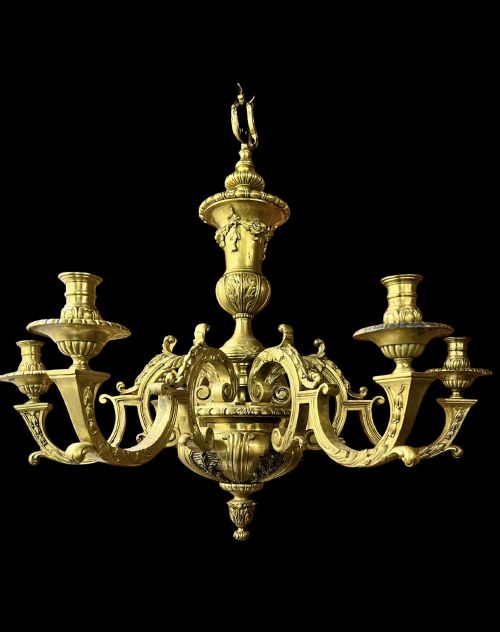
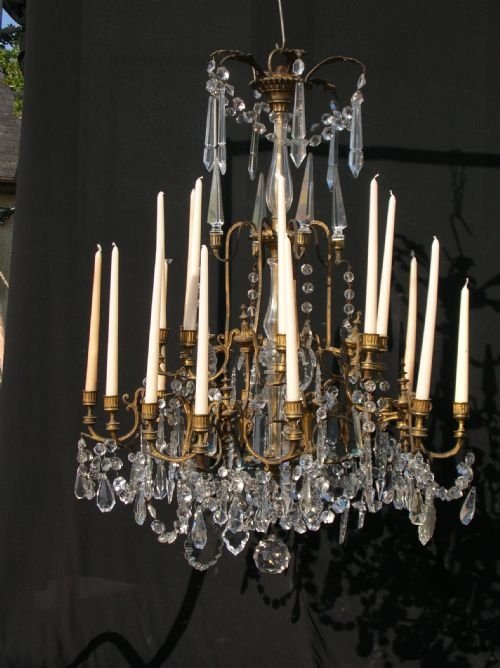
These candelabra pendant light fixtures bring heavy cast metal and hanging crystal together overhead, giving rooms a grand focal point.
Candelabra Pendant Light
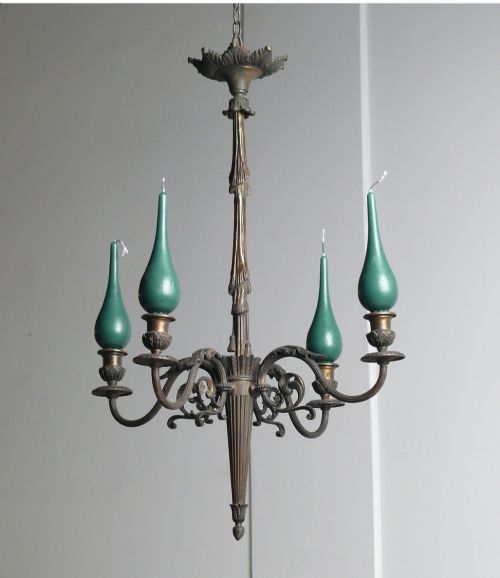
A candelabra pendant light combines the form of a branched candleholder with ceiling suspension, creating a substantial overhead fitting for large spaces. When exploring a candelabra pendant light, buyers encounter heavy metal frames fitted with multiple candle arms or hanging lanterns.
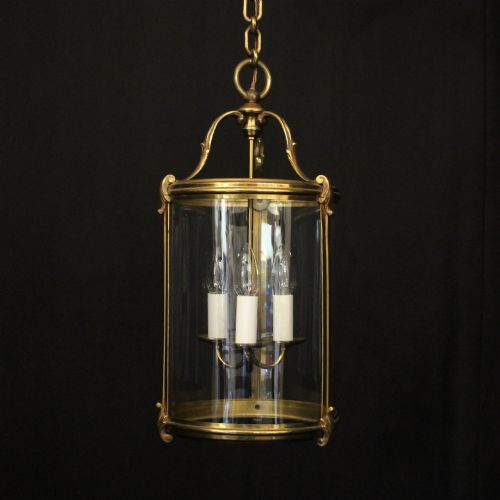
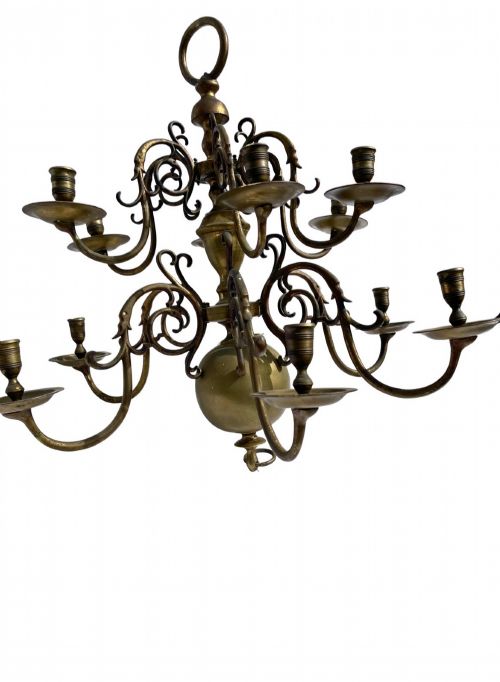
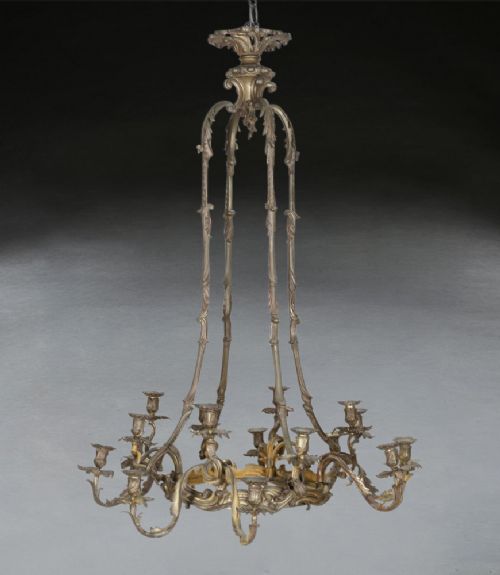
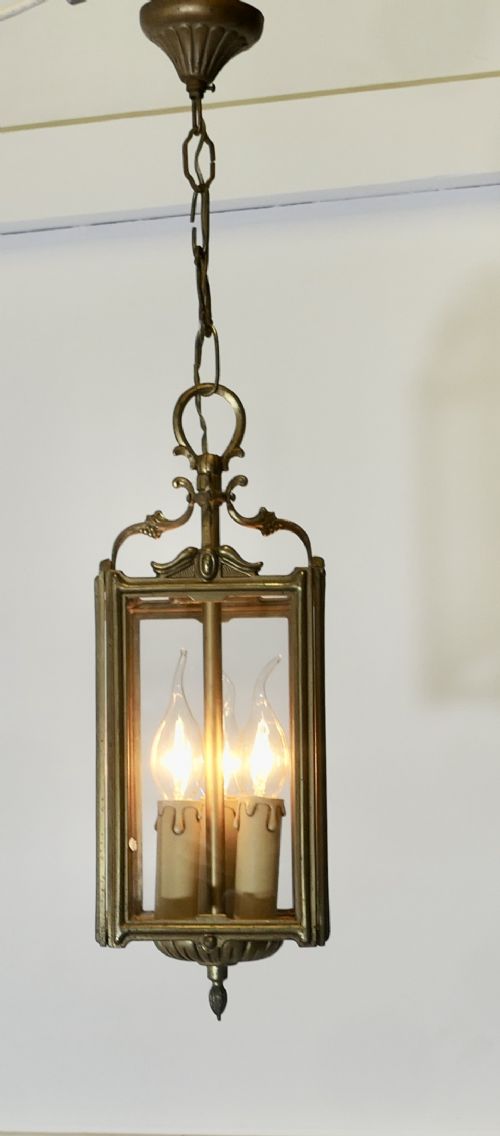
The selections span various historical periods, ranging from Victorian and Regency items to early twentieth-century examples. Common formats include multi-branched chandeliers, convex hall lanterns, and ceiling fixtures derived from French Chateau or Rococo styles.
Materials such as brass, bronze, and gilt metal dominate the selection, often enriched with crystal or cut glass drops. These hanging lights draw heavily on nineteenth-century design traditions, particularly French decorative arts and Dutch Baroque revivals.
How they were made
Foundry work forms the basis of these pieces, utilising cast brass and bronze to build robust central stems and branching arms. Metalworkers employed gilding techniques to coat brass surfaces, creating a rich golden finish that enhances the decorative detail.
Glass components, including cut glass prisms and etched glass panels, were hand-fitted to metal frames to catch and refract light. Artisans constructed multi-light chandeliers and lanterns by securing glass drops to gilt metal frameworks using wire bindings or pin fittings.
Listings feature multiple finishes including gilt brass, bronze, and cut glass across nineteenth-century and early twentieth-century periods.
What varies in quality
The distinction between standard and superior pieces rests on the crispness of the metal casting and the depth of the chased ornamentation. Fine examples display sharply defined motifs on the bronze or brass framework, whereas lesser items show softer, simpler surface work.
The quality of the hanging elements also sets pieces apart, with heavy cut glass and crystal prisms creating a more brilliant refraction than pressed glass alternatives. Furthermore, the structural integration of the metal arms determines the overall rigidity and balance of the hanging fixture.
The Candelabra Pendant Light Glossary
- Candelabra
- A large branched candlestick or holder for multiple light sources. In lighting fixtures, this term describes the arm arrangement spreading outward from a central stem.
- Gilt bronze
- Bronze metal covered with a thin layer of gold leaf or applied gold powder. This finish provides a durable, lustrous surface popular in French decorative lighting.
- Crystal
- High-clarity lead glass cut into precise geometric facets. It is used in hanging drops and prisms to maximise light reflection within a room.
- Hall lantern
- An enclosed ceiling-hung light fixture designed for entryways and corridors. These often feature glass panels held within a decorative brass or bronze frame.
- Rococo revival
- A nineteenth-century design movement characterised by asymmetrical scrolls, naturalistic shell motifs, and elaborate ornamentation.
Candelabra Pendant Light: Frequently Asked Questions
How do I hang a heavy brass chandelier safely?
These fixtures require direct attachment to ceiling joists using a rated structural hook or mounting bracket capable of supporting the full weight of the metal and glass.
Professional electrical installation is recommended due to the substantial weight and historical wiring configurations often found in these older hanging lights.
What rooms suit a large bronze candelabra pendant?
High ceilings in reception rooms, dining halls, and grand entryways provide the necessary clearance and spatial balance for multi-branched chandeliers and lanterns.
Smaller rooms may accommodate compact hall lanterns or fewer branch configurations without overwhelming the available floor space.
How do I clean crystal drops on a chandelier?
Pendants and prisms are typically washed in place using a specialised spray cleaner and a soft cloth, or carefully removed for individual cleaning.
Harsh chemical solvents should be avoided to protect the metal finishes and any gilt surfaces surrounding the glass.
How do I identify a Regency period chandelier?
Regency pieces often feature classical motifs, gilt bronze mounts, and crisp crystal arrangements dating from the early nineteenth century.
Comparing the casting style, decorative elements, and construction methods against documented examples helps confirm the period.