



Canal Landscape Art
Canal landscape art captures the quiet industry and historic waters of Europe through the eyes of painters working from the nineteenth century into the mid-twentieth century.
Canal Landscape Art
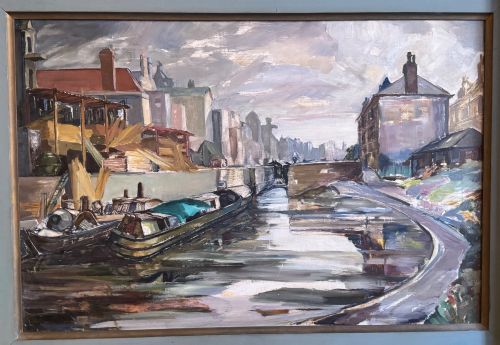
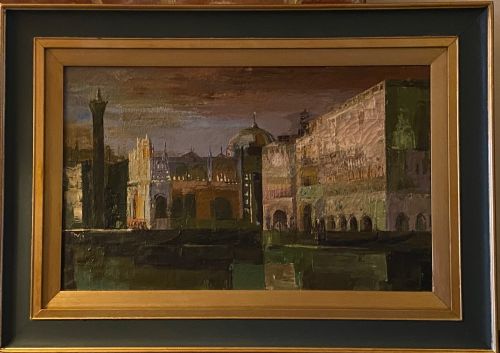
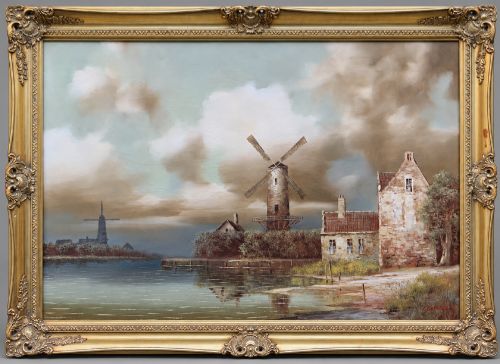
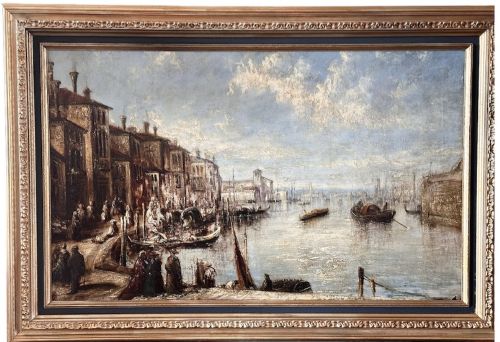
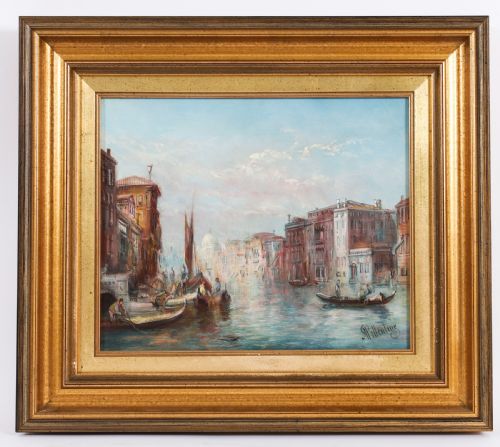
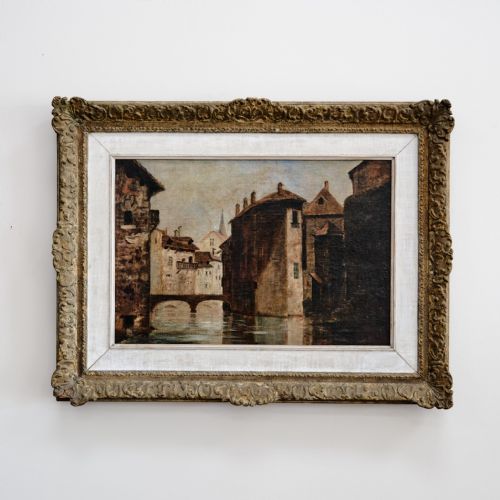
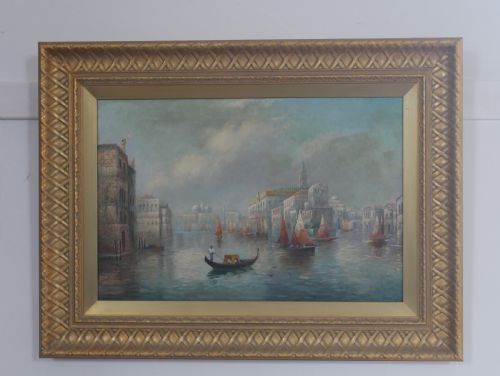
Canal landscape art presents navigable waterways, locks, and urban canals, predominantly focusing on the historic architecture of Venice alongside Dutch windmills and British riversides. These works arrive in various forms, from detailed watercolours on paper to large oil paintings on canvas.
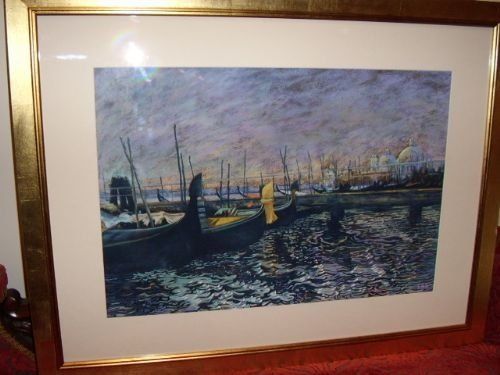
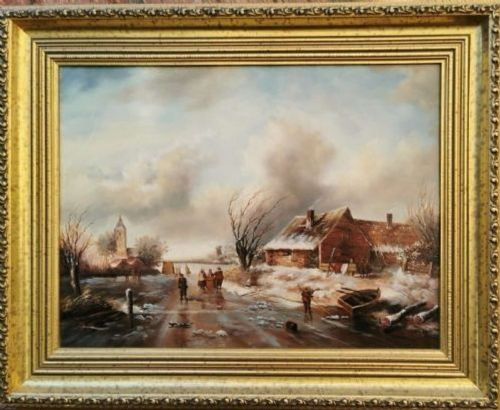
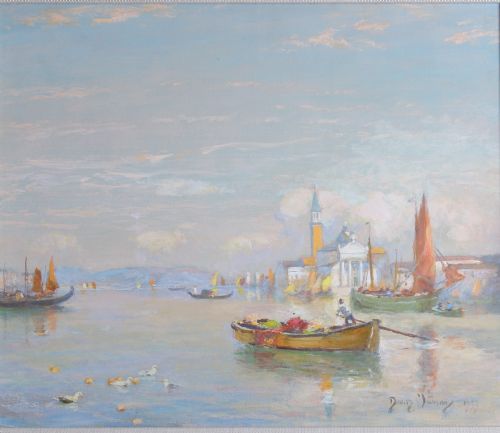
Most examples originate from the nineteenth century and the mid-twentieth century, capturing the changing light on water through Impressionist and traditional academic lenses. Buyers frequently encounter scenes depicting gondolas on the Grand Canal or frozen Dutch waterways with figures ice skating.
The selection ranges from intimate cabinet watercolours to substantial framed canvases signed by continental and British painters. Each piece records a specific topography, whether an Egyptian riverbank, a Flemish canal, or a busy wharf in Rotterdam.
Materials and Methods
Artists deployed oil paint and watercolour as primary mediums, applying pigment to stretched canvas, wooden panels, or heavy paper sheets. Oil on canvas allows for thick, textured brushwork that builds the reflective surface of the water, whereas watercolour relies on transparency and the white of the paper to capture bright daylight.
Giltwood frames frequently enclose these paintings, providing a decorative border that complements the tonal depth of the artwork. Support structures vary from traditional wood stretchers to sturdy cardboard backing boards found in smaller nineteenth-century studies.
Canal Landscape Art Retail Price Guide 2026
Typical asking prices for canal landscape art among the pieces listed under this phrase on Sellingantiques today, from the lower quarter to the upper quarter. They describe what is for sale here now, not the wider market.
Several Victorian artists evidently braved the freezing winter to paint children ice skating on Dutch canals.
Distinctions in Quality
Quality rests in the artist's command of light, perspective, and atmospheric depth, distinguishing skilled topographical observation from routine decorative production. Superior canvases demonstrate confident brushwork in rendering reflections on water and architectural precision in complex masonry.
The handling of paint density and colour harmony dictates the strength of a composition, particularly in capturing the hazy light of a Venetian lagoon or a winter sky. Works by established practitioners maintain a more cohesive balance between the subject and its environment than anonymous studio copies.
Sir David Murray RA·Alfred Pollentine·Francis Moltino·Edwin Lord Weeks·Antonietta Brandeis
The Canal Landscape Art Glossary
- Gouache
- An opaque watercolour paint mixed with a binding agent, producing a heavier, matte finish on paper. This medium allows artists to layer light colours over dark washes.
- Impressionism
- A nineteenth-century painting style characterised by visible brush strokes and an emphasis on accurate depiction of light in its changing qualities. Artists recorded everyday scenes outdoors rather than inside a studio.
- Giltwood
- Wood that has been coated with a thin layer of gold leaf or gold paint, commonly utilised for decorative picture frames. This finish enhances the visual weight of the surrounding artwork.
- Watercolour
- A paint consisting of colour pigments suspended in a water-soluble vehicle, typically applied to paper surfaces. It relies on translucent washes to build luminosity.
Canal Landscape Art: Frequently Asked Questions
What periods do these paintings date from?
The available selection spans from the nineteenth century through the mid-twentieth century, encompassing Victorian academic works and mid-century impressionist interpretations.
Most pieces reflect the nineteenth-century fascination with grand tour destinations and domestic rural waterways.
How were these watercolours and canvases framed?
Many works retain their period giltwood frames, which range from ornate moulded plaster designs to simpler wooden profiles.
Original framing helps preserve the structural integrity of the paper or canvas over time.
Where do these canal scenes originate?
The geographical focus centres heavily on Venetian waterways, Dutch windmills, and British river locks, reflecting popular routes for travelling artists.
Continental European cities and Flemish canals also appear frequently across the collection.
How should I care for an oil painting on canvas?
Keep the canvas away from direct sunlight and steady temperature fluctuations to prevent the oil paint from cracking or the wood stretcher from warping.
Dust the surface gently with a soft, dry brush without applying moisture or cleaning solutions.