


Campaign Trunk Box
A campaign trunk box is a sturdy travelling chest designed for officers and merchants on the move, combining rugged utility with refined timbers.
Campaign Trunk Box
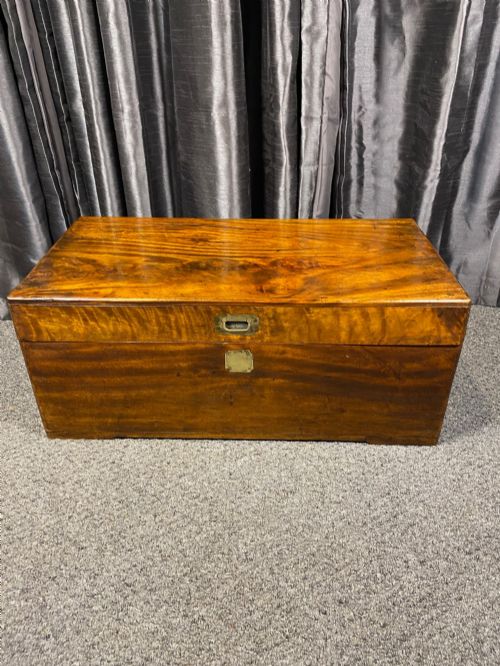
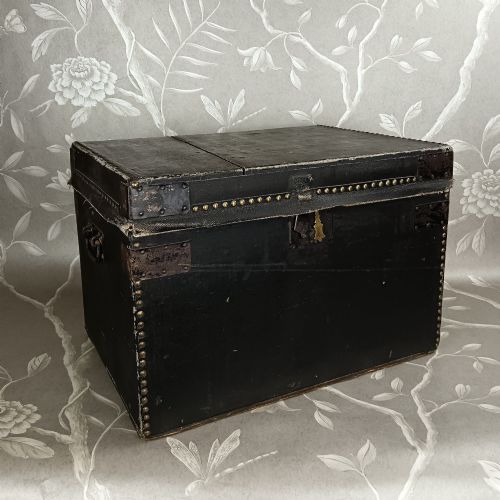
A campaign trunk box serves as a portable storage chest built to withstand the rigours of military transport and long-distance travel. You will most frequently encounter 19th-century examples, often constructed during the Victorian and Regency periods for use by officers and administrators across the British Empire.
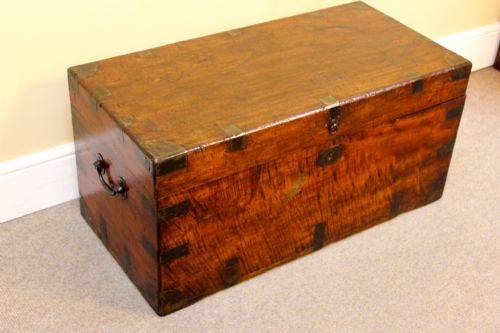
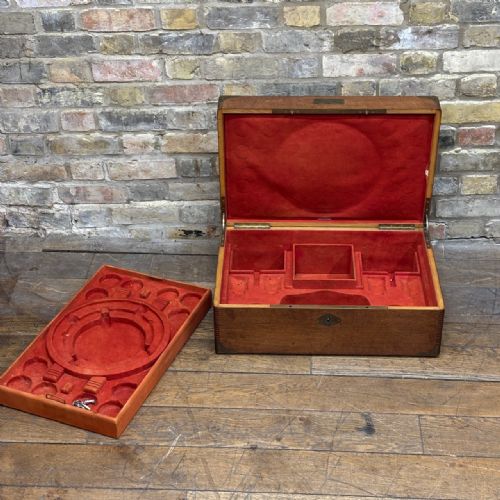
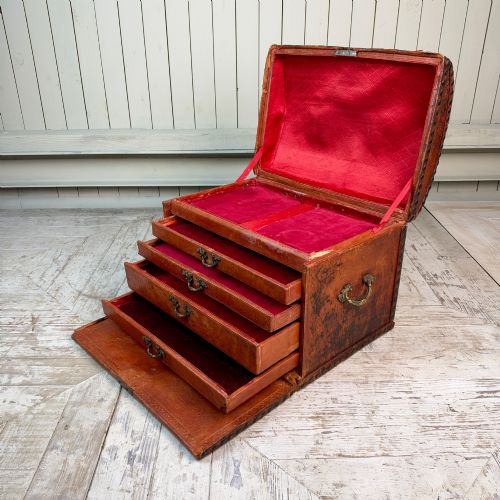
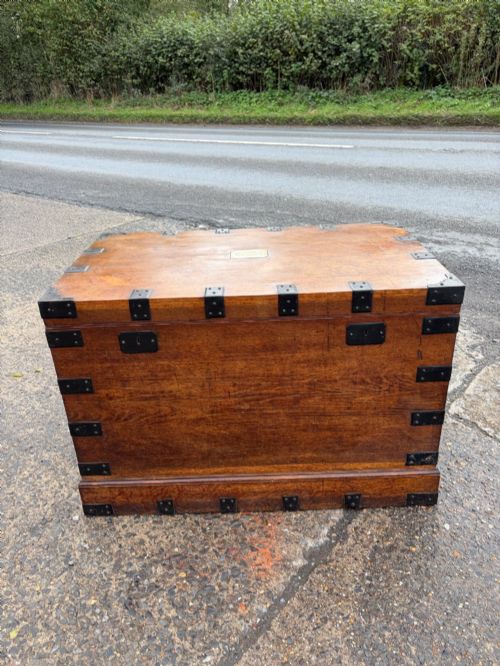
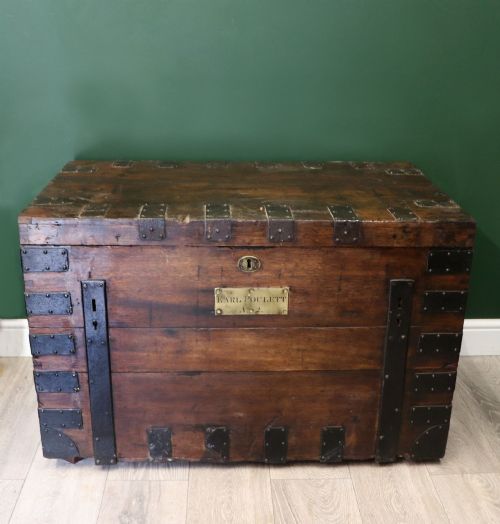
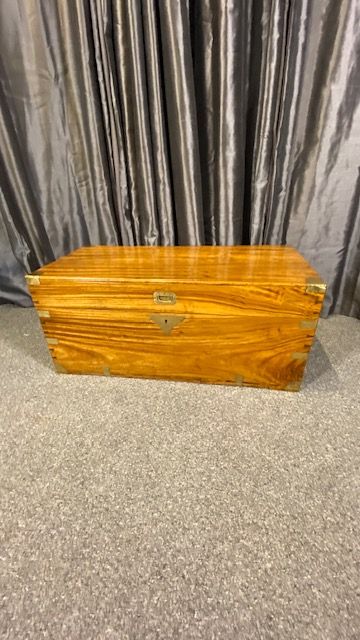
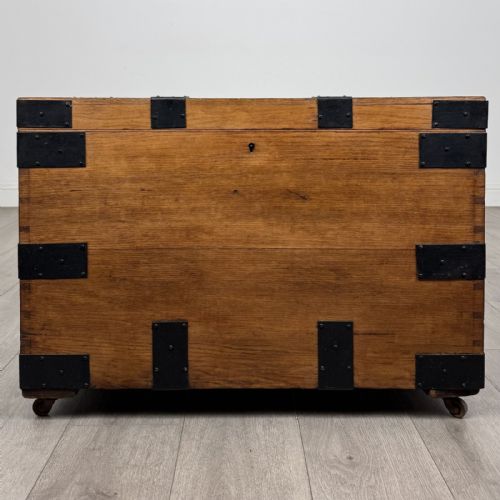
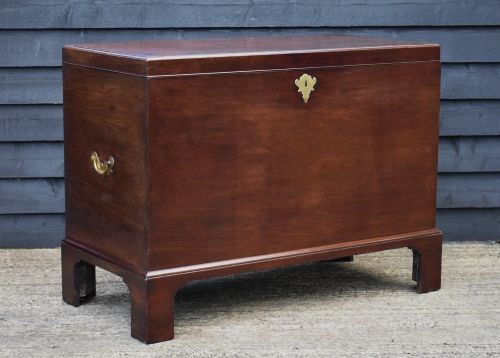
These pieces primarily appear as heavy-duty chests, blanket boxes, and deed boxes designed with practicality in mind. The form spans everything from compact camphor wood caskets to large iron-bound packing cases intended to keep contents secure during transit.
Origins vary between British workshops and colonial production centres, including China Trade pieces and Anglo-Indian variants. This cross-cultural manufacturing history gives each chest a distinct character shaped by the materials available in distant outposts.
Materials and construction methods
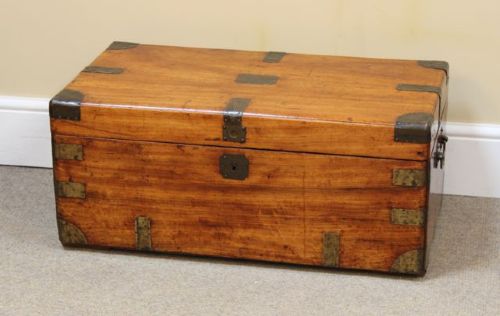
Makers relied on resilient timbers like camphor wood, teak, mahogany, and padouk, which resisted humidity and insect damage during overseas journeys. Camphor wood remains particularly common because its natural scent helped protect stored garments from moths.
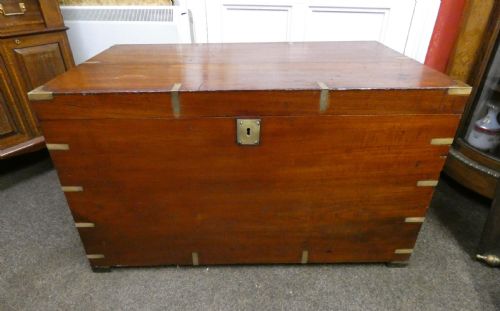
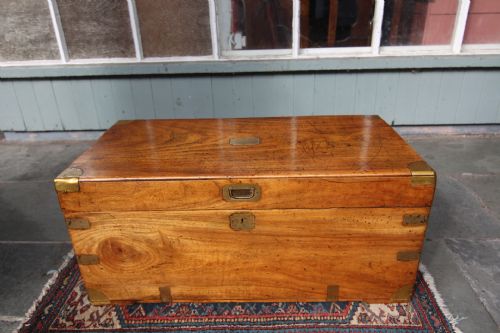
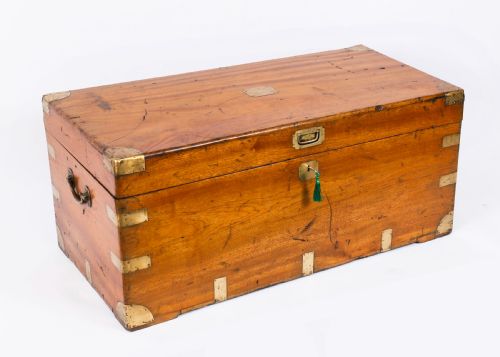
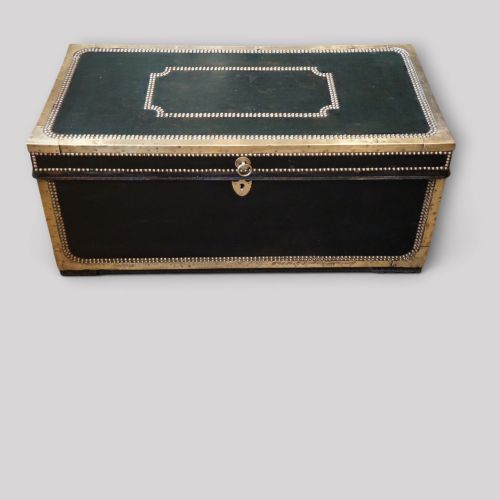
To withstand constant handling, boxes were reinforced with brass corners, straps, and heavy-duty iron bands. Recessed brass carrying handles allowed multiple chests to be packed tightly together inside ships and wagons without snagging.
Campaign Trunk Box Retail Price Guide 2026
Typical asking prices for campaign trunk box among the pieces listed under this phrase on Sellingantiques today, from the lower quarter to the upper quarter. They describe what is for sale here now, not the wider market.
Some trunks still carry the faint, medicinal aroma of camphor after two centuries on the move.
Distinguishing quality across examples
The standard of a campaign trunk box depends heavily on the integrity of its joinery and the density of its timber. Superior examples utilise carefully selected hardwoods with tight dovetail joints that maintain structural stability despite changing climates.
Hardware execution further separates standard military luggage from bespoke pieces. Finely cast brass bindings, flush-fitting handles, and original locking mechanisms by known makers indicate a higher grade of commissioned work.
Samuel Pratt·Wm. Insall of Bristol·Chapple & Sons
The Campaign Trunk Box Glossary
- Camphor wood
- An aromatic hardwood native to Asia, prized for its insect-repellent properties and used extensively in colonial furniture.
- Brass bound
- A method of reinforcing box edges and corners with metal strips to prevent splitting during transit.
- Regency
- An English design period spanning the early 19th century, known for classical restraint and elegant proportions.
- Deed box
- A smaller secure container traditionally used for transporting legal documents and valuable papers.
- China Trade
- Goods manufactured in treaty ports like Canton for export to Western markets during the 18th and 19th centuries.
Campaign Trunk Box: Frequently Asked Questions
What is a campaign trunk box?
A campaign trunk box is a portable chest built for military officers, diplomats, and travellers on active service. These rugged containers were designed to protect uniforms, documents, and personal effects through harsh shipping conditions.
Most surviving examples date from the Georgian and Victorian eras, reflecting the expansion of global trade and military deployment. Their robust construction allows them to function today as durable coffee tables or storage chests.
Why use camphor wood?
Makers favoured camphor wood because its strong natural fragrance acted as a reliable deterrent against moths and tropical insects. This practical quality made it the ideal timber for storing woollens and uniforms during long sea voyages.
Over time, the wood retains its distinctive scent while developing a rich, honeyed patina. The combination of pest resistance and visual warmth secured its place as the premier material for colonial travelling chests.
How do I date these chests?
Dating relies on examining the timber species, construction techniques, and brass hardware styling. Early 19th-century Regency pieces often feature sleeker lines and specific brass strap configurations, whereas later Victorian examples can be heavier and more heavily reinforced.
Makers' stamps, lock manufacturers, and historical inscriptions provide further clues to exact origins. Comparing the construction methods against documented periods helps narrow down the decade of manufacture.
How should I clean the brass?
Maintaining the metal requires careful cleaning to preserve the historical surface without stripping away age. Gentle application of a mild brass cleaner prevents green oxidation while leaving the underlying colour intact.
Avoid aggressive polishing that removes the warm, subdued glow acquired over generations of use. Letting the brass retain some signs of age honours the working history of the piece.