



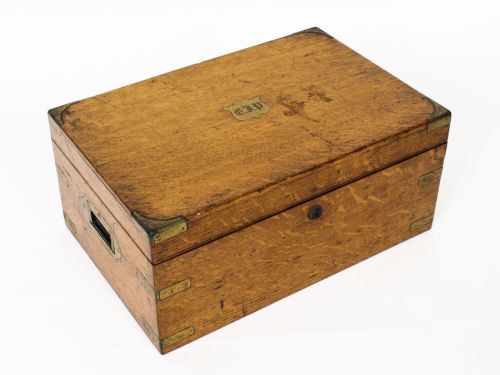
Campaign Style Wooden Box
When you search for a campaign style wooden box, you are looking at durable travelling pieces built in mahogany, teak, camphor wood, and walnut, reinforced with brass corners and bound for active service.
Campaign Style Wooden Box
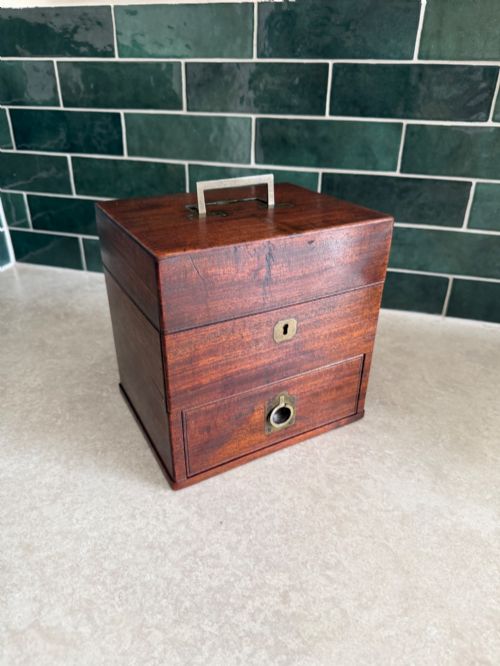
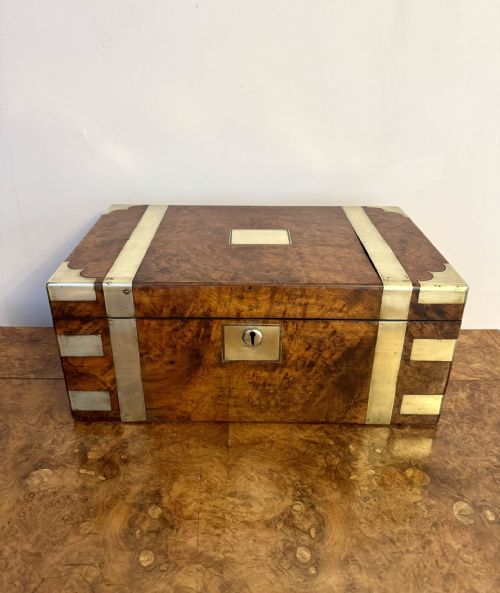
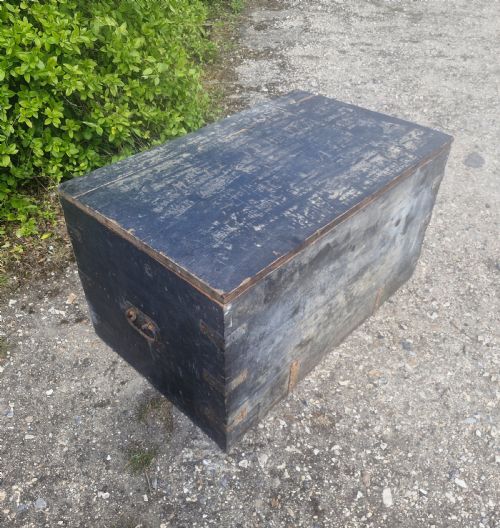
A campaign style wooden box encompasses a variety of portable containers designed for officers and travellers during the Georgian and Victorian periods. You will encounter forms ranging from large storage chests and trunks to compact writing slopes, lap desks, apothecary boxes, and correspondence chests.
The pieces listed here span the nineteenth century, including specific dates such as 1800, 1820, 1850, 1860, 1880, 1890, and 1900. Styles cross from military campaign and Victorian campaign to Chinese Export and Anglo Indian influences, utilising dense timbers built to withstand long journeys.
How they were made
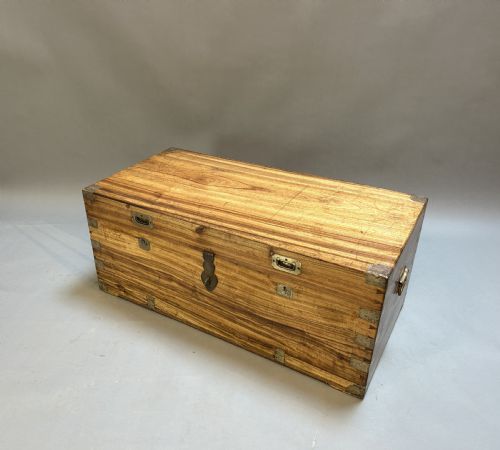
Cabinet makers utilised sturdy timbers such as mahogany, teak, camphor wood, oak, elm, walnut, and burr walnut to construct these boxes. Camphor wood was often selected for chests due to its natural insect repellent properties, protecting contents in tropical climates.
Strength was paramount for travel, leading craftsmen to reinforce corners, edges, and seams with heavy brass mounts, straps, and corner brackets secured by screws or pins. Iron binding also appears on larger trunks and chests to provide additional structural integrity during transit.
Listings feature nineteenth century pieces spanning the Georgian and Victorian eras, utilising mahogany, teak, camphor wood, walnut, oak, elm, and pine.
What varies in quality
The distinction between a standard box and a superior example lies in the choice of timber and the precision of the hardware. Finely figured veneers like burr walnut or pollard oak elevate smaller writing slopes and cabinets, while dense solid teak or camphor denote utility and resilience in larger trunks.
Internal fittings also separate grades of manufacture, such as secret drawers, fitted compartments for inkwells and pens, and flush-fitting brass drop handles. The quality of the dovetail joinery and the integration of the brass mounts into the wood surface reflect the skill of the workshop.
Fisher
The Campaign Style Wooden Box Glossary
- Writing slope
- A portable desk with a hinged sloping lid that opens to reveal a writing surface, pen trays, and internal storage compartments. These often feature secret drawers hidden beneath the stationery dividers.
- Brass mount
- A protective piece of cast or sheet brass fitted to the corners, edges, or face of a box to absorb impact during travel. They are usually countersunk flush with the wooden surface.
- Camphor wood
- An aromatic Asian timber prized for its distinctive scent, resistance to pests, and stability in humid climates. It was frequently utilised for campaign trunks destined for colonial service.
- Lap desk
- A small, portable writing box designed to be placed across the knees of the user while seated in a tent or temporary quarters. They share many internal fittings with larger writing slopes.
- Apothecary box
- A fitted wooden chest containing small glass bottles, scales, and mortars for dispensing medicines on the move. These compartmentalised boxes require precise internal carpentry.
Campaign Style Wooden Box: Frequently Asked Questions
What is a campaign style wooden box?
A campaign style wooden box is a portable piece of furniture or container designed for military officers, diplomats, and travellers on the move. They are characterised by robust construction, protective brass corners, and often flush-fitting handles to save space during transport.
These boxes range from massive storage chests and blanket trunks down to tabletop writing slopes, cigar humidors, and dressing cases. Their primary purpose was to transport personal belongings securely across land and sea.
How were writing slopes used?
Writing slopes served as portable offices for correspondence, record-keeping, and personal finance while travelling. The hinged lid folded down to create an angled leather-lined writing surface.
Inside, owners found dedicated slots for inkwells, nibs, stamps, and stationery, alongside hidden compartments for confidential letters. Wealthy travellers relied on them to maintain official paperwork in temporary quarters.
Why use camphor wood for trunks?
Camphor wood naturally repels moths and insects, making it an ideal timber for clothing trunks used in tropical colonies. The distinct aromatic scent also helps neutralise dampness and odours during long sea voyages.
Cabinet makers valued its stability and grain, using it extensively for large campaign chests that needed to protect uniforms and linens.
How do I date a campaign box?
Dating relies on timber choices, brass hardware styles, and construction methods. Georgian examples often feature simpler brass straps and hand-cut dovetails, while Victorian pieces may incorporate more elaborate flush handles and secret locking mechanisms.
Maker signatures, stamps inside the lid, or historical inscriptions on brass plaques can also help narrow down the production era.