


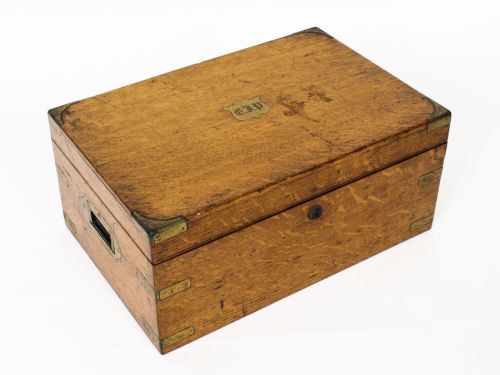
Victorian Cigar Humidor
These Victorian cigar humidors are smoke-room containers designed to keep tobacco moist, offering robust period craftsmanship for the modern study.
Victorian Cigar Humidor
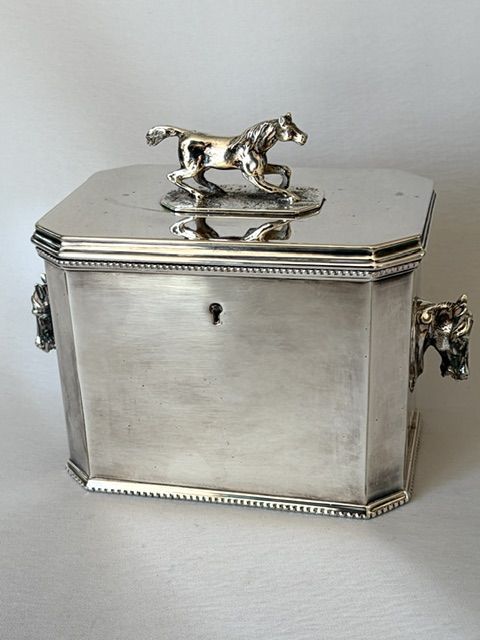
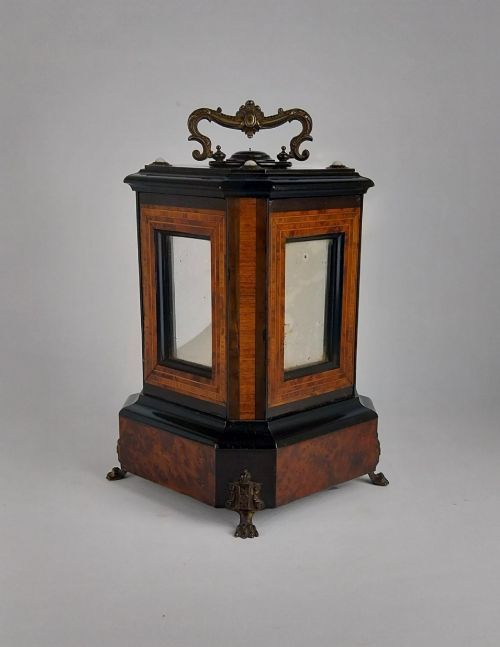
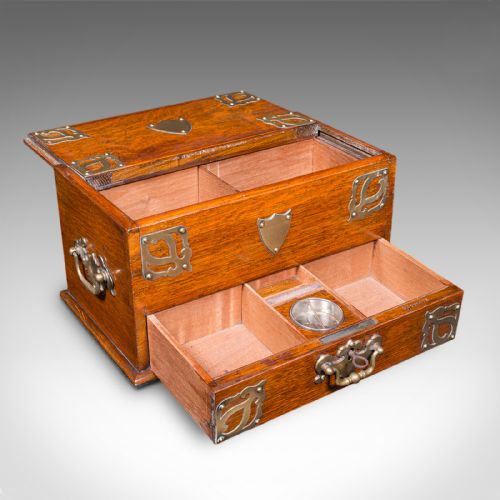
A victorian cigar humidor is a dedicated box, cabinet or novelty container built in the nineteenth century to store smoking supplies. You will most frequently encounter table-top cabinets and caskets fashioned from rich woods like burr walnut and oak.
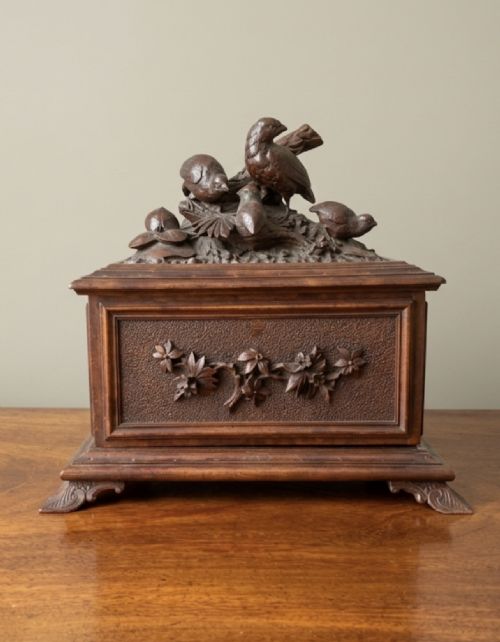
Many examples double as tobacco boxes or smokers compendiums, housing interior compartments for cigars and matches. Some pieces take playful novelty shapes, including railway coal wagons and carved Black Forest bears.
Origins span English workshops and continental makers, ranging from utilitarian store display boxes to locking gentleman's cabinets lined with precious metals or glass. Each variation reflects the serious social rituals of nineteenth-century smoking culture.
Assessing quality
Quality rests upon the selection of timber veneers, the crispness of hand-carved details and the structural integrity of internal fittings. Superior examples display tightly matched burr walnut figures and smoothly operating locking mechanisms that endure across centuries.
Novelty and specialised pieces derive distinction from mechanical ingenuity, such as functional wheels or dispensing actions, alongside documented maker provenance. The standard of internal silver plating and glass preservation further elevates the standing of a cabinet.
Current listings feature nineteenth-century materials including burr walnut, pollard oak, brass and silver plate.
Wright & Davies·H Greaves·The London Cigar Co
The Victorian Cigar Humidor Glossary
- Humidor
- A moisture-controlled container designed specifically to keep cigars fresh and pliable. Interiors often feature specialised wood linings to maintain humidity.
- Black Forest
- A nineteenth-century stylistic region in Germany and Switzerland known for deeply carved linden wood animals and foliage. These pieces show naturalistic textures and detailed glass eyes.
- Burr Walnut
- A highly figured wood veneer taken from the wart-like growths on walnut trees. Cabinet makers prized it for swirling patterns that catch the light.
- Compendium
- A multi-purpose box or cabinet housing various smoking or drinking accessories in one fitted unit. They often contain compartments for cigars, matches and crystal decanters.
- Novelty
- An object shaped to resemble an unrelated item, such as a railway wagon or an animal. Victorian smokers favoured these whimsical conversation pieces for club lounges.
Victorian Cigar Humidor: Frequently Asked Questions
How do I maintain humidity?
Most antique humidors lack modern rubber seals and rely on dense wood construction and historical dampening methods.
Today, collectors often place modern humidification elements discreetly inside without altering the historic interior fabric.
Were these used for travel?
Certain compact variants, such as leather-clad cases or compendiums on wheels, served gentlemen on journeys.
Larger cabinets remained stationary on club lounge tables or in domestic studies.
How do I spot a novelty piece?
Novelty humidors take humorous or unexpected shapes, including animals, coal wagons or miniature buildings.
These functional containers conceal storage compartments beneath hinged lids or sliding mechanisms.
What woods were commonly used?
Makers favoured durable domestic and exotic timbers, notably oak, walnut and linden wood.
Burr walnut veneers appear frequently on high-status table cabinets intended for visible display.