





Campaign Style Side Table
A campaign style side table brings folding utility and polished mahogany into modern rooms through brass-bound edges and portable frames.
Campaign Style Side Table
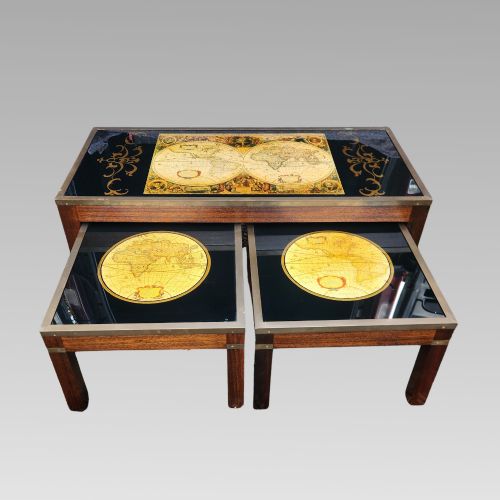
A campaign style side table encompasses occasional pieces, console tables, coffee tables, and folding stands designed originally for military transport. The listings here centre on 19th-century origins alongside Edwardian and early 20th-century revivals.
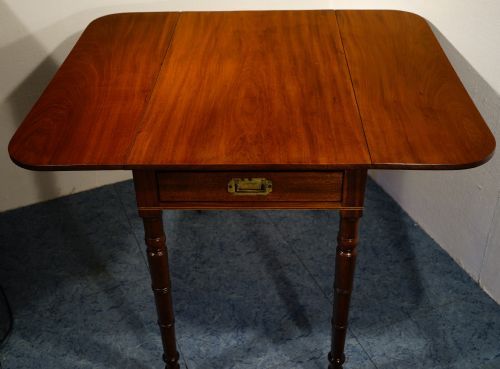
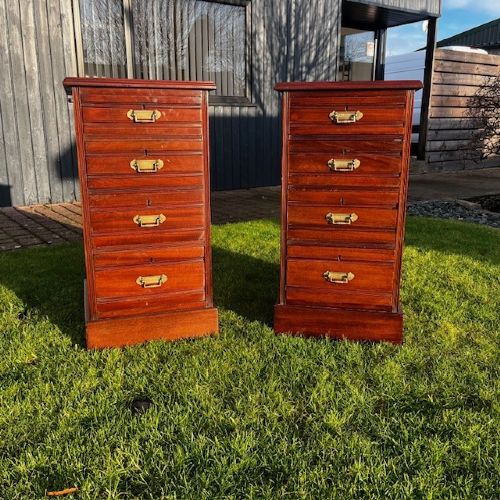
Buyers encounter forms ranging from butlers trays and Pembroke tables to bedside chests and washstands. Mahogany and brass dominate the inventory, accompanied by rosewood, satinwood, beech, walnut, and inlaid wood.
The aesthetic bridges Georgian restraint and Victorian practicality, yielding compact surfaces that fold or dismantle easily. Pieces span the 1860s through the 1930s, reflecting both utilitarian field furniture and refined domestic adaptations.
Materials and construction
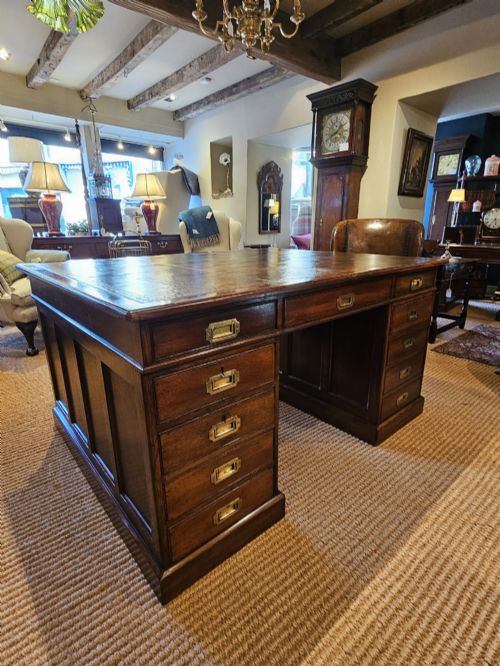
Construction relies heavily on dense hardwoods like mahogany, rosewood, and satinwood, selected for durability during travel. Brass corners, straps, and flush-fitting pull handles protect vulnerable edges and secure joints without protruding.
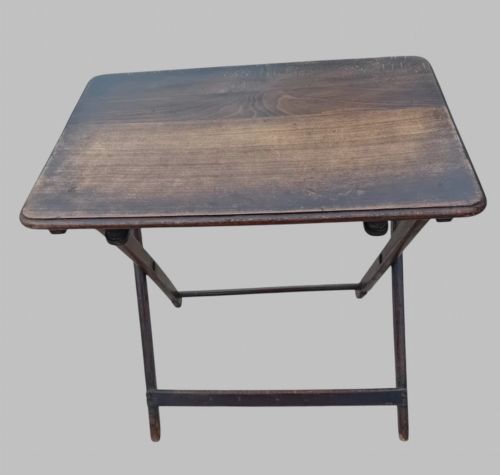
Folding mechanisms utilise hinged legs and removable trays, allowing tables to collapse flat for storage or movement. Secondary timbers such as beech support internal framing, while leather inserts provide writing surfaces on specialised desks and tables.
Campaign Style Side Table Retail Price Guide 2026
Typical asking prices for campaign style side table among the pieces listed under this phrase on Sellingantiques today, from the lower quarter to the upper quarter. They describe what is for sale here now, not the wider market.
Materials recorded across the current inventory include brass, mahogany, leather, beech, rosewood, satinwood, inlaid wood, and oak.
Judging quality and execution
Quality rests in the precision of the brass-work and the grain selection of the primary timber. Flush-fitting hardware that sits completely level with the wood surface indicates superior cabinet-making.
The integrity of folding joints and hinges determines how securely a table stands when erected. Finer examples retain original patination on the mahogany and undamaged brass mountings rather than modern replacements.
The Campaign Style Side Table Glossary
- Campaign style
- Furniture constructed for military officers on active service, characterised by portability, folding elements, and protective brass corners. This utilitarian design later inspired civilian revival pieces.
- Pembroke table
- A small table with hinged drop leaves on two opposing sides, supported by folding brackets or swing legs. It offers adjustable surface area for occasional use.
- Butlers tray
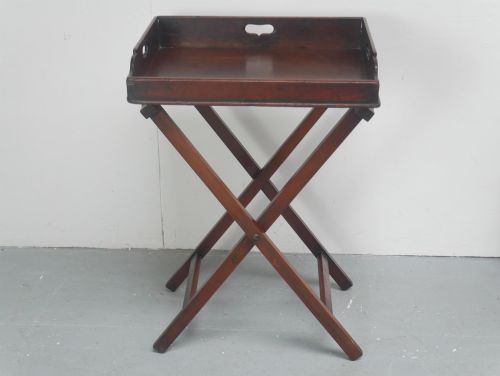
- A detachable wooden tray with raised sides, often featuring hinged flaps that fold down flat. It rests upon a separate folding X-frame stand.
- Washstand
- A piece of furniture designed to hold a basin and jug for personal washing, frequently equipped with splashbacks and lower shelves. Campaign versions feature folding frames and brass mounts.
- Satinwood
- A pale, hard timber with a natural sheen, prized for fine cabinet-making and decorative inlay work during the Edwardian period.
Campaign Style Side Table: Frequently Asked Questions
What is a campaign style side table?
A campaign style side table is a portable piece of furniture inspired by historical military furnishings designed for easy transport. These tables often feature folding frames, removable trays, and protective brass hardware.
The listings show examples ranging from 19th-century utility pieces to Edwardian and 1930s revivals in mahogany, rosewood, and satinwood.
How do folding campaign tables work?
Folding campaign tables utilise hinged legs, removable trays, or collapsible X-frame bases designed to pack flat. This mechanism allowed officers to move their quarters quickly during military campaigns.
Modern buyers appreciate this smart engineering for flexible placement in smaller rooms or apartments where surface space needs adjustment.
Are these tables sturdy enough for daily use?
These tables derive their structural strength from dense hardwoods like mahogany and beech joined with robust metal hinges. Properly maintained joints and original brass fittings ensure they remain stable for everyday placement.
Positioning them away from direct heat sources helps preserve the stability of the folding mechanisms and the polished timber surfaces.
How do I date a campaign style piece?
Dating relies on examining the timber selection, hardware construction, and overall stylistic details relative to recorded periods. Evidence spans Victorian military pieces, Edwardian satinwood revivals, and 1930s interpretations.
Consulting the listed dates and material combinations helps distinguish genuine 19th-century camp furniture from later 20th-century decorative revivals.