




Camel Hair Carpet
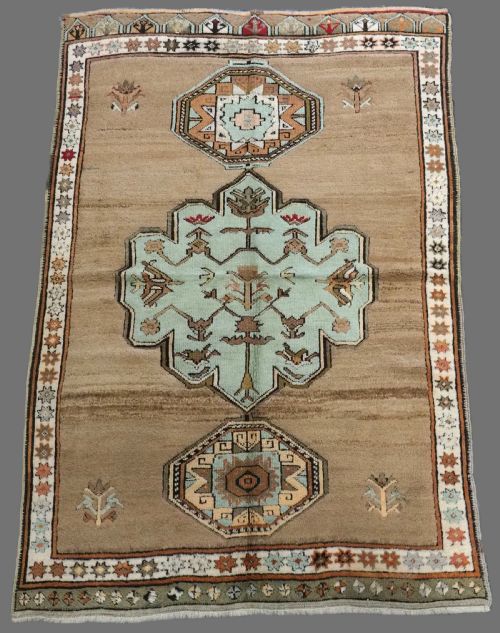
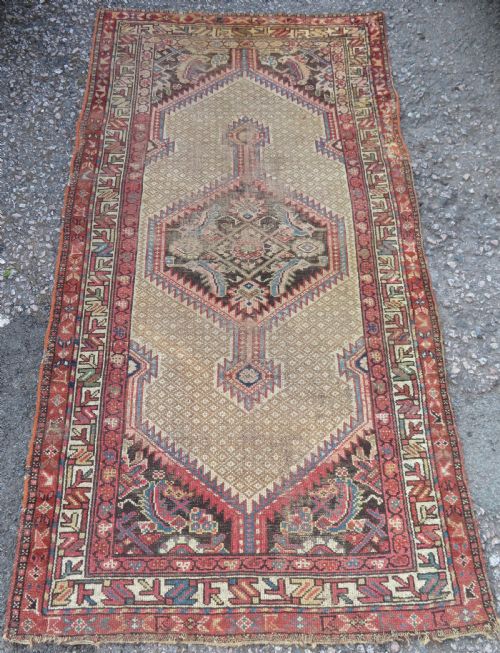
These camel hair antique carpet pieces bring natural wool grounds and tribal character into rooms that need texture.
Camel Hair Carpet
A camel hair antique carpet comprises tribal and village floor coverings woven across Persia, Anatolia, and Central Asia during the nineteenth and early twentieth centuries. These textiles span regional groups such as Baluch, Sarab, Konya Karapinar, and Uzbek makers who utilised animal fibre grounds.
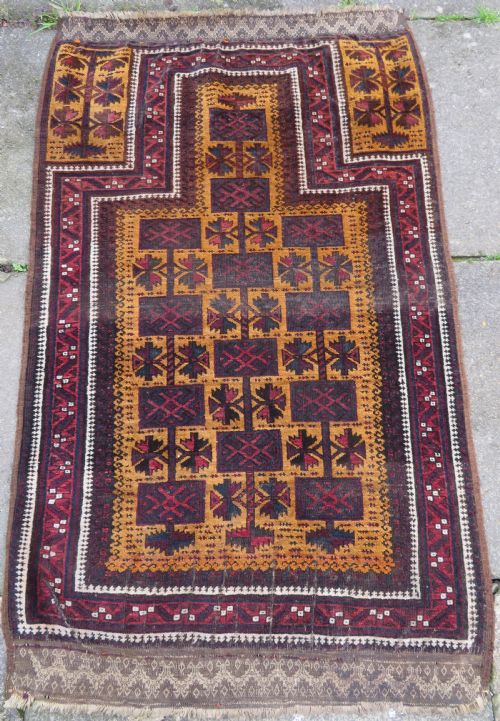
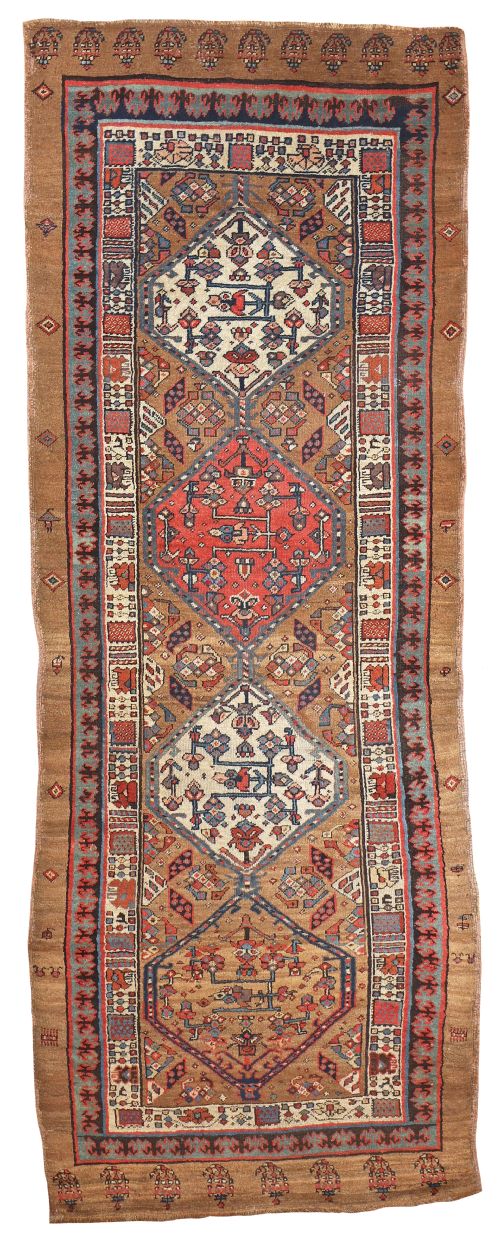
Buyers meet runners, prayer rugs, kilims, and area rugs featuring latch hook medallions, tree of life motifs, and camel wool fields. Production dates range from the late nineteenth century through to the nineteen thirties, encompassing nomadic weaving traditions.
The aesthetic centres on undyed or natural camel hair tones providing a warm, neutral backdrop for geometric and figurative designs. These formats range from small tribal mats to elongated hallway runners.
How they were made
Weavers constructed these pieces using wool, camel hair, and camel wool yarn alongside cotton foundations for structural integrity. Natural fibres were hand-spun and knotted or embroidered on traditional upright and horizontal looms.
Makers integrated mixed techniques, flatweave kilim structures, and pile knots to achieve durable floor coverings. The distinctive camel ground colour comes directly from the natural fleece of the animal rather than synthetic dye.
The inventory records regional styles including Baluch Tribal, Anatolian, Persian Tribal, and Uzbek flatweaves.
What varies in quality
Quality rests in the fineness of the knotting, the handling of the natural camel wool pile, and the crispness of the tribal design work. Pieces with balanced proportions and intact original edges command attention.
The depth and variation of the natural camel ground tones distinguish superior examples from plain or heavily worn textiles. Structural integrity in the wool and cotton foundation dictates how well the piece survives daily use.
The Camel Hair Carpet Glossary
- Camel ground
- The natural un-dyed camel hair background field of a rug. This creates a warm, neutral tone that defines the visual weight of tribal pieces.
- Latch hook
- A stepped geometric motif common in tribal weaving. It appears frequently in medallions and borders across Baluch and Anatolian pieces.
- Prayer rug
- A small format rug featuring a mihrab or niche design used for personal devotion. These pieces often incorporate tree of life motifs.
- Kilim
- A flatwoven textile produced without a raised pile. Antique examples show crisp geometric patterns created by interweaving warp and weft threads.
- Tree of life
- A symbolic botanical motif rising from a base or pot. It represents growth and eternity in nineteenth-century village weaving.
Camel Hair Carpet: Frequently Asked Questions
Where were these rugs made?
Production spans regions across Persia, Anatolia, and Central Asia. Tribal groups and village workshops in areas such as Khorasan, Herat, and Sistan created these textiles.
Nomadic and settled weavers alike utilised local materials, incorporating regional motifs like tree of life designs and latch hook medallions into their work.
How do I care for an old rug?
Protect the textile by placing it in low-traffic areas or hallways where wear remains minimal. Vacuum gently using suction only without rotating brush bars.
Professional cleaning suited to antique wool ensures the natural camel hair and cotton foundations survive decades of domestic use.
What is camel wool fleece?
Camel wool consists of the soft inner down and coarser outer guard hair gathered from the animal. Weavers used this resilient fibre for its natural warmth and durability.
Over time, exposure to light and air deepens the rich golden-brown tones characteristic of these antique grounds.
How do I date these pieces?
Dating relies on stylistic analysis, material composition, and structural characteristics recorded in late nineteenth and early twentieth-century examples. Natural dyes, village structures, and specific tribal motifs point towards specific decades.
Pieces originating from the eighteen seventies display different structural qualities compared to those produced around nineteen thirty.