

Cabriole Leg Low Table
A cabriole leg low table brings double-curved supports to a low-profile surface, offering a refined silhouette rooted in eighteenth-century design.
Cabriole Leg Low Table
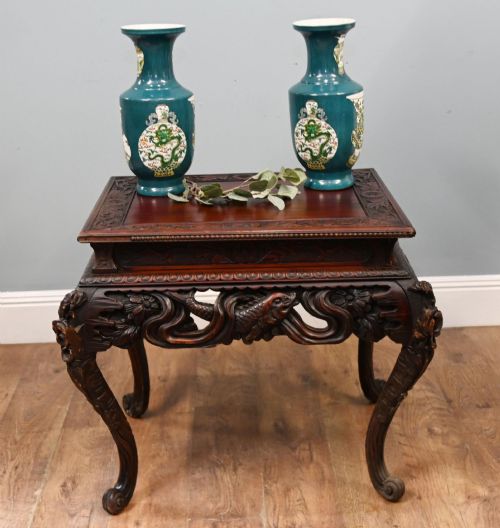
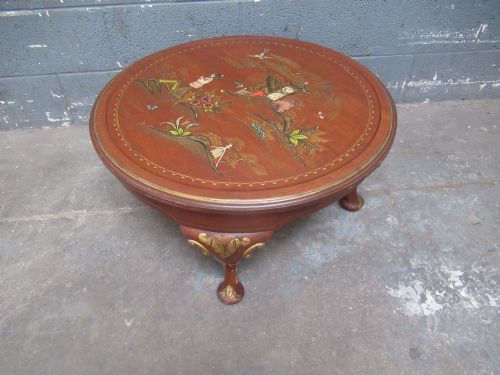
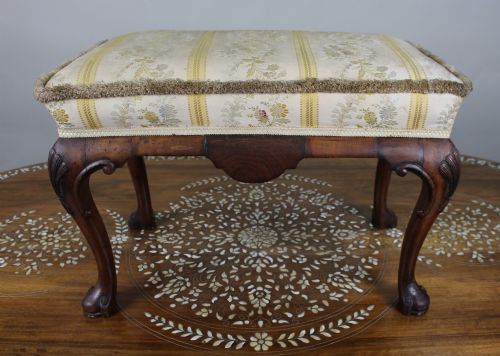
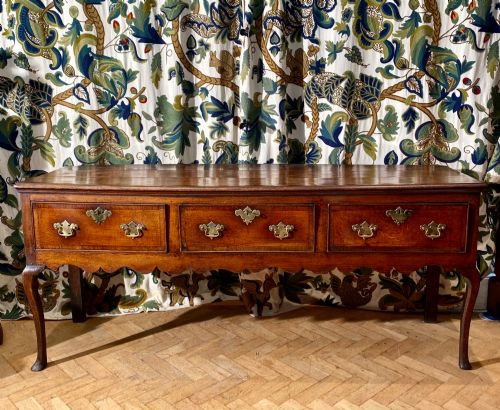
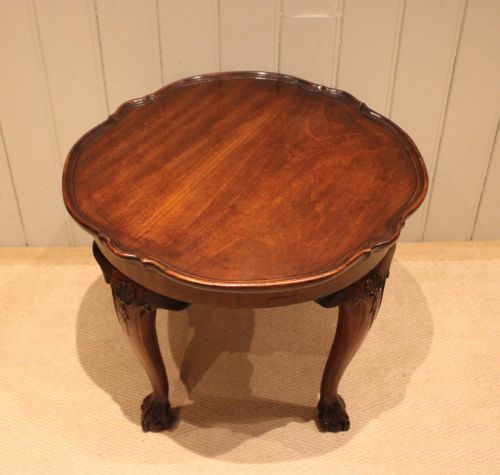
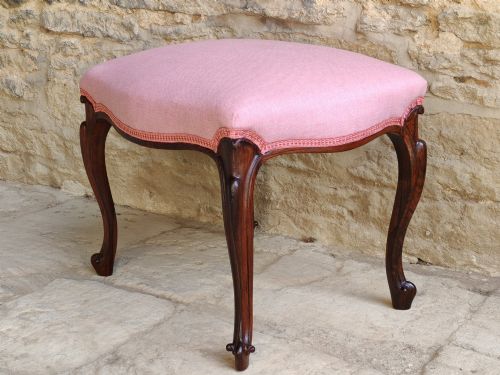
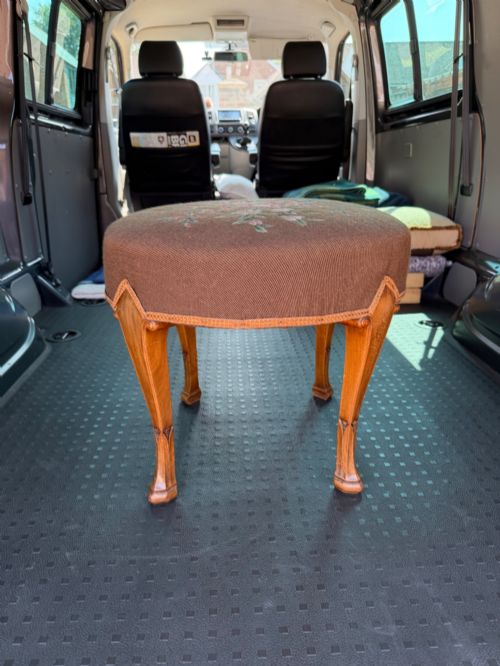
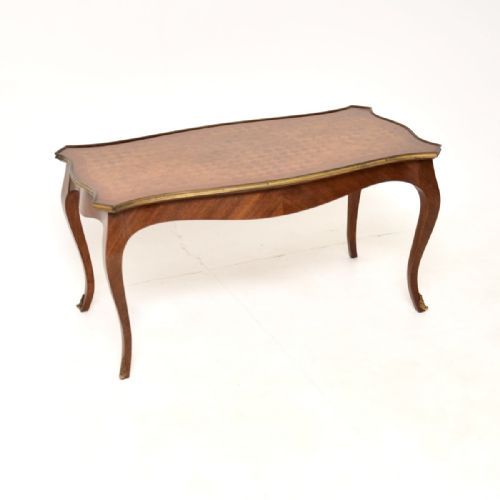
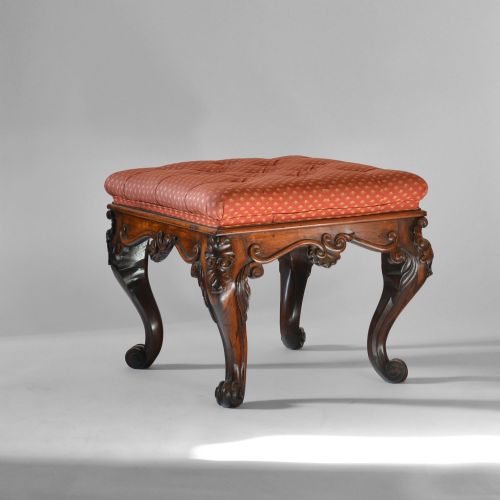
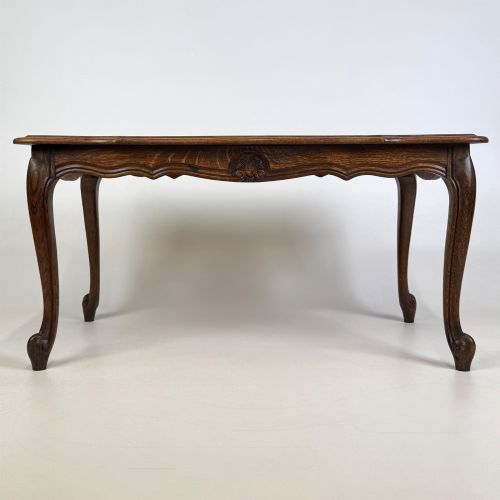
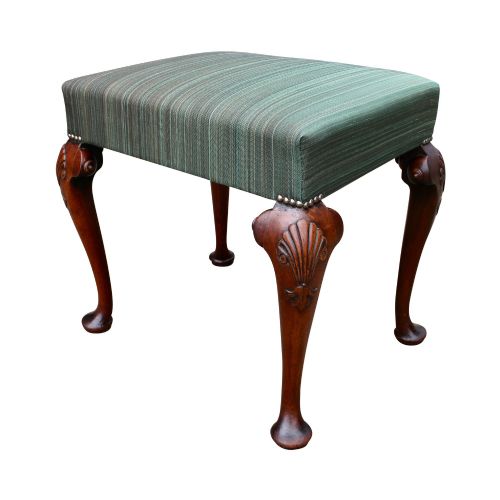
When you search for a cabriole leg low table, you encounter a variety of forms including coffee tables, lowboys, stools, and side tables. These pieces span periods from the eighteenth century through the Edwardian era and the nineteen-thirties, reflecting diverse revivals.
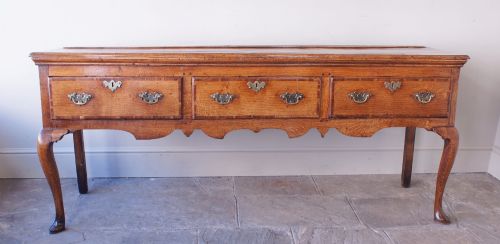
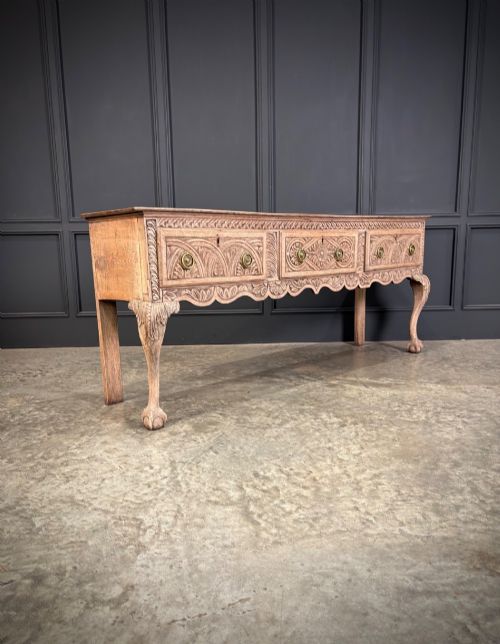
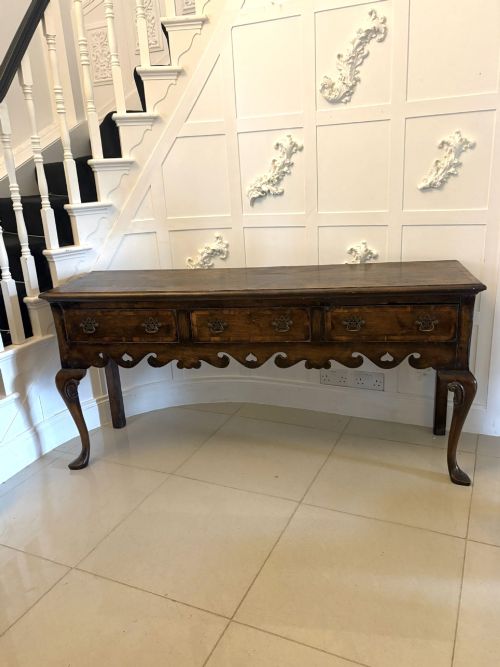
The most common examples on this page are walnut and oak coffee tables and stools following Queen Anne or French provincial styles. Many items adapt earlier functional forms, such as dresser bases and lowboys, into low tables suitable for modern living spaces.
Materials and construction
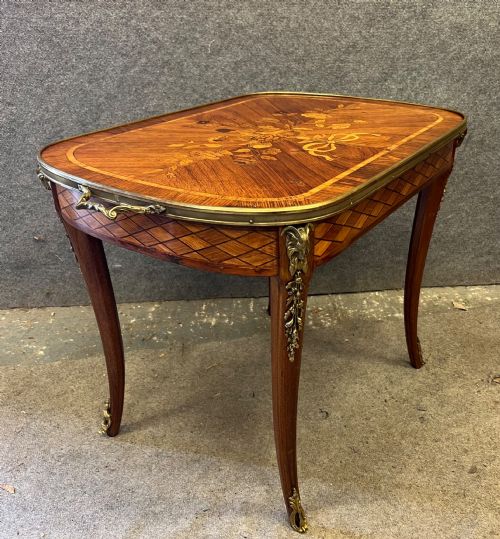
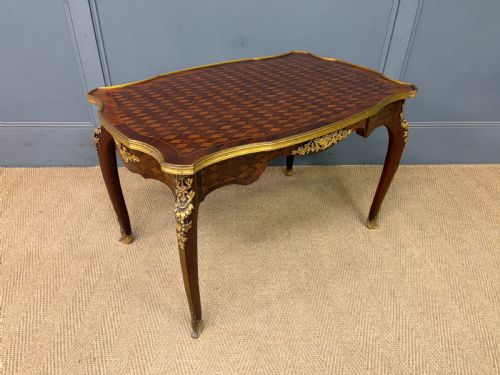
Timbers like walnut, burr walnut, oak, mahogany, and rosewood form the primary structure of these pieces, often highlighted with figured grains or parquetry and marquetry inlays. Cabinetmakers shaped solid woods and applied decorative veneers over secondary foundations.
Legs feature the characteristic double curve of the cabriole form, sometimes embellished with carving at the knee or terminating in pad or claw-and-ball feet. Structural integrity relies on traditional joinery methods appropriate to each period.
Cabriole Leg Low Table Retail Price Guide 2026
Typical asking prices for cabriole leg low table among the pieces listed under this phrase on Sellingantiques today, from the lower quarter to the upper quarter. They describe what is for sale here now, not the wider market.
Listings feature walnut, oak, mahogany, and rosewood across forms from eighteenth-century lowboys to nineteen-thirties coffee tables.
Judging quality in design and finish
Quality rests in the fluidity of the leg curvature and the crispness of any hand-carving at the knee and foot. Superior pieces display harmonious proportions where the low profile complements the sweeping line of the supports.
The choice of timber grain, particularly matched burr walnut or figured mahogany, defines the visual hierarchy. Finer examples maintain original polished surfaces that highlight the natural depth and colour of the wood.
Hille of London
The Cabriole Leg Low Table Glossary
- Cabriole leg
- A furniture support that curves outward at the knee and tapers inward toward the foot, mimicking animal legs. This form gained prominence during the Queen Anne and Georgian periods.
- Lowboy
- A small dressing table or side table with a low profile, typically featuring drawers beneath the surface. Eighteenth-century examples often showcase prominent cabriole legs.
- Pie crust
- A raised, carved moulding along the circular edge of a table top that resembles pastry work. This decorative flourish appears frequently on walnut coffee tables.
- Parquetry
- A geometric mosaic of wood pieces used for surface decoration on tabletops. Artisans arranged contrasting timbers to create patterned designs.
Cabriole Leg Low Table: Frequently Asked Questions
What is a cabriole leg?
A cabriole leg is a furniture support featuring a convex curve at the top and a concave curve at the bottom, ending in a simple pad or elaborate foot. It draws inspiration from animal limbs and defines classical European furniture design.
This distinct shape adds visual grace without heavy vertical posts, making it ideal for low tables and seating where lightness of form matters.
How do I use a lowboy today?
A lowboy functions effectively as a compact hallway console, a bedside table, or a low writing surface in smaller rooms. Its modest proportions and built-in drawers offer practical storage.
Positioning the piece where its carved legs remain visible allows the craftsmanship to stand out against plain walls or floors.
Are these tables solid wood?
Many pieces combine solid structural timbers like oak or mahogany with decorative wood veneers such as burr walnut applied to table tops. Cabinetmakers used veneers to display striking grain patterns that solid boards rarely offered.
Substantial frames and legs typically remain in solid hardwood to ensure structural stability over centuries of use.