






Cabinet of Curiosities Specimen
When you search for a cabinet of curiosities specimen, you are hunting for tangible oddities from the natural world preserved with Victorian theatre.
Cabinet of Curiosities Specimen
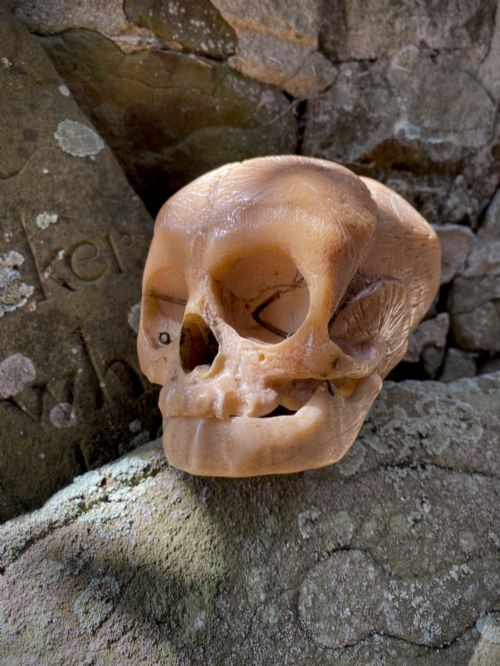
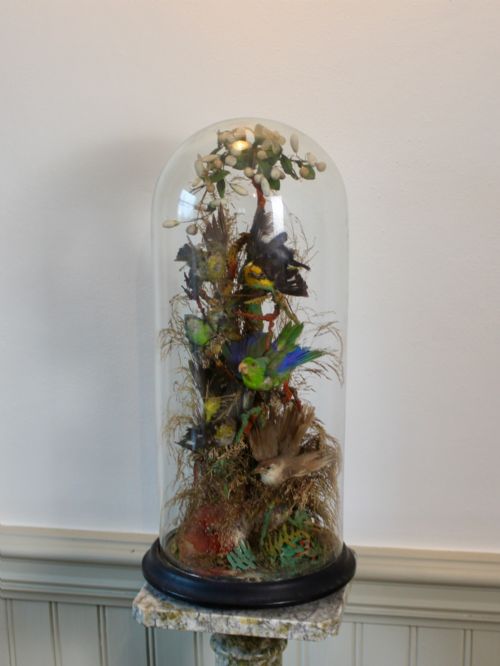
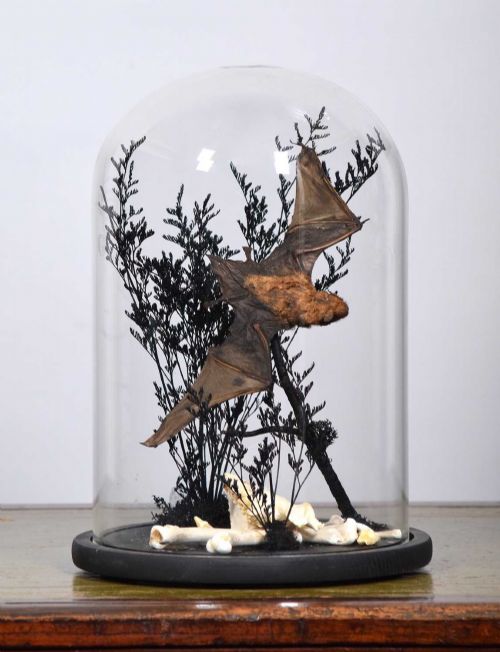
A cabinet of curiosities specimen brings together preserved natural history and scientific study pieces intended for domestic display. When sorting through this genre, you encounter taxidermy birds in glass domes, encased mammals, and marine shells.
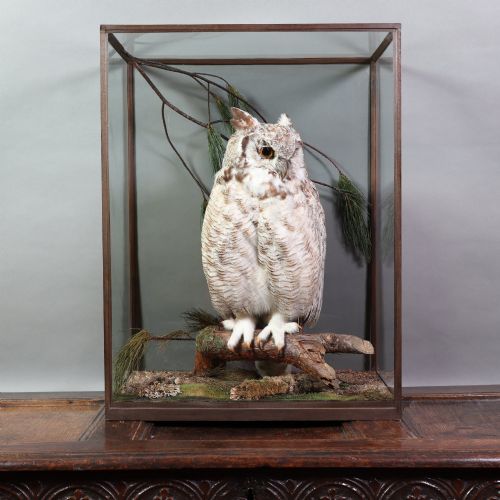
The material spans the Victorian and Edwardian periods, stretching from taxidermy owls to anatomical models and fossilised wood. Most examples date from the nineteenth century, drawing heavily on British natural history collecting traditions.
Materials and construction methods
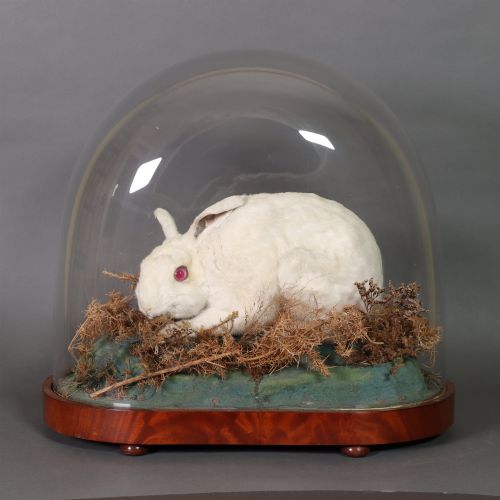
Makers utilised glass, ebonised wood, and brass to frame delicate organic remains and protect them from dust. Taxidermists mounted birds and mammals inside glazed wooden cases, often arranging them amid painted foliage to mimic their native habitats.
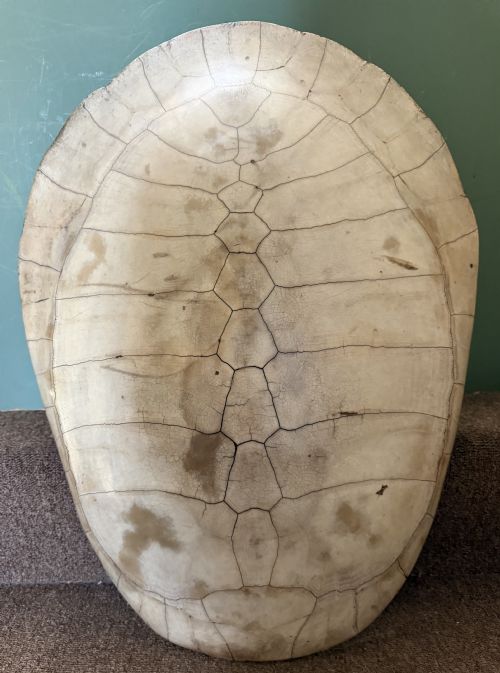
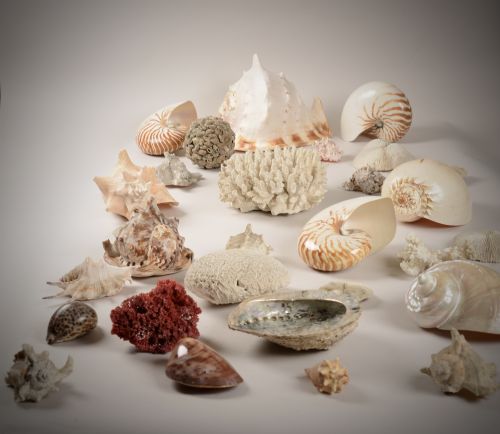
Other specimens rely on natural forms left raw or polished, including turtle shell carapaces, ammonites, and coral pieces. Artisans also worked with bone and wax, shaping anatomical teaching aids and carved shell objects by hand.
Cabinet of Curiosities Specimen Retail Price Guide 2026
Typical asking prices for cabinet of curiosities specimen among the pieces listed under this phrase on Sellingantiques today, from the lower quarter to the upper quarter. They describe what is for sale here now, not the wider market.
A cowrie shell carved with the Lord's Prayer proves that Victorian artisans engraved sacred texts on tiny ocean surfaces.
What separates the finest examples
The distinction between standard specimens and superior ones lies in the integrity of the preservation and the ambition of the composition. Complex taxidermy groups with multiple specimens or named makers command greater attention than single, simple mounts.
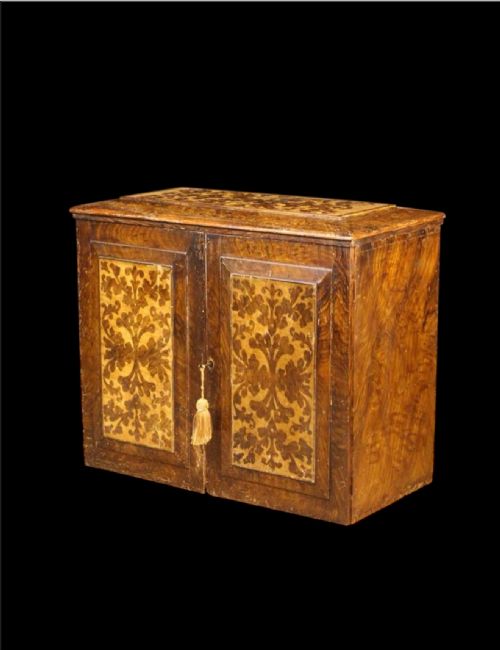
Cabinet work also dictates the grade of the piece, with satin walnut drawers and marquetry inlays showing a higher tier of craftsmanship. The clarity of the original glass dome and the complexity of the internal naturalistic setting separate utilitarian teaching tools from grand display objects.
James Gardner·Rowland Ward Ltd·A Pollard
The Cabinet of Curiosities Specimen Glossary
- Taxidermy
- The art of preparing, stuffing, and mounting the skins of animals for display. Victorian practitioners often placed these mounts inside glass domes or wooden wall cases.
- Ebonised wood
- Timber treated with a chemical stain or dye to imitate expensive ebony. This dark finish was common on nineteenth-century display cases and stands.
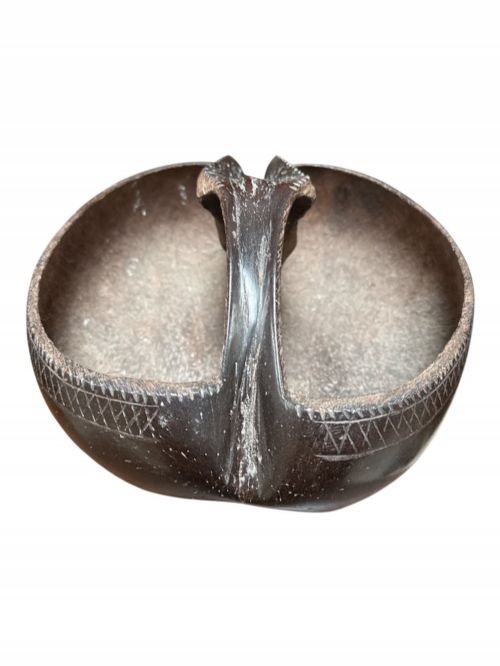
- Coco de mer
- A large double coconut native to the Seychelles, prized in historical collections for its unusual shape. These seed pods frequently appear in natural history cabinets.
- Ammonite
- An extinct cephalopod fossil preserved in stone with coiled ribbed shells. Collectors mount these ancient marine specimens on stands or keep them as desk objects.
Cabinet of Curiosities Specimen: Frequently Asked Questions
What is a cabinet of curiosities specimen?
A cabinet of curiosities specimen is an item collected during the nineteenth century to represent natural history, anatomy, or geology. These objects include taxidermy, shells, fossils, and wax medical models gathered for private study and display.
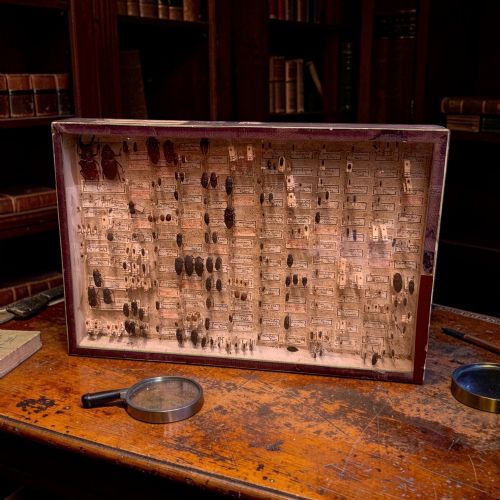
Such pieces reflect the Victorian obsession with cataloguing the natural world. They range from single butterfly displays to entire cased groups of exotic birds.
How were these specimens originally displayed?
Victorian collectors housed their specimens inside multi-drawer wooden cabinets, glazed wall cases, or free-standing glass domes. Glass protected fragile feathers and taxidermy from dust while allowing full visibility.
Larger items like fossils, coral, and shells sat directly on tables or desks as conversation pieces. Smaller taxidermy mounts utilised naturalistic painted backgrounds inside wooden frames.
How do I identify a Victorian specimen?
Victorian specimens generally feature period framing materials such as hand-blown glass domes, ebonised wood frames, and brass fittings. The taxidermy style often incorporates painted groundwork and paper tape lining the case edges.
Labels written in nineteenth-century ink or maker stamps on the back of the case frequently confirm the age and origin. The construction methods of the wooden cabinets also point directly to this era.