




C18th Furniture
These pieces of c18th furniture span centuries of domestic design, offering robust oak, figured mahogany and rich walnut for daily utility and display.
C18th Furniture
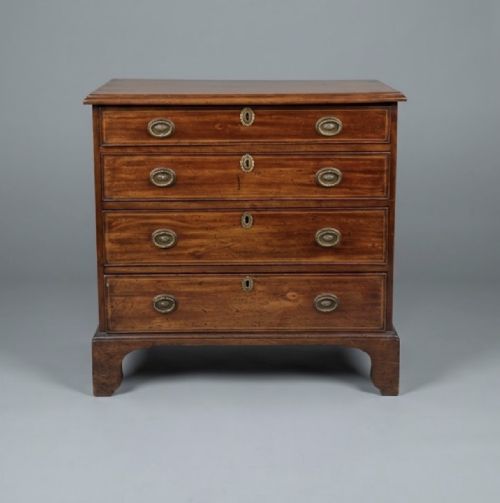
When browsing c18th furniture, buyers encounter a diverse selection of domestic utilitarian objects and formal display pieces originating from English, French, Italian, Dutch, and Spanish workshops. The selection frequently includes storage forms like chests of drawers, tallboys, and commodes alongside writing desks, bureaux, and various occasional tables.
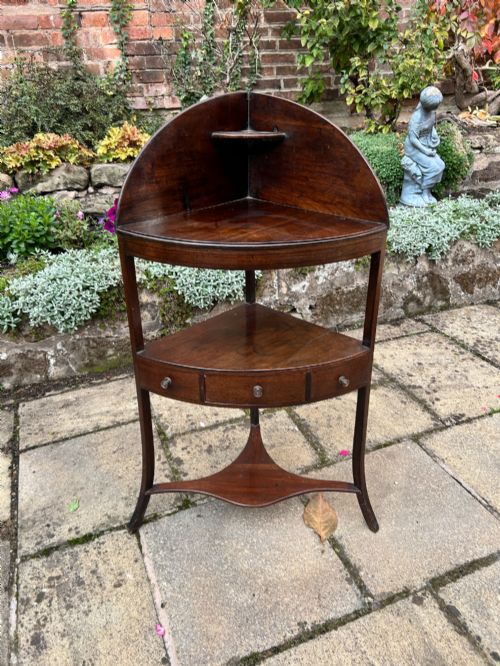
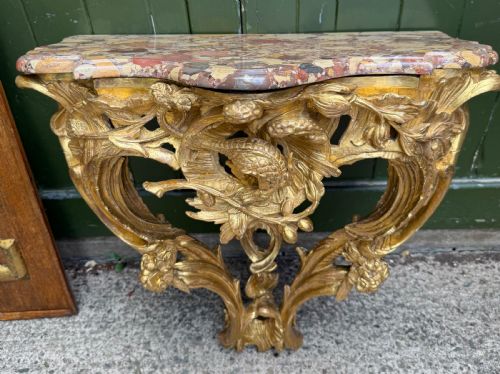
Seating and display also feature strongly among the available items, ranging from high-back armchairs and corner chairs to corner cabinets, consoles, and torcheres. These survivals reflect both provincial utility and metropolitan refinement across Georgian, Baroque, Rococo, and Sheraton idioms.
Materials and Construction
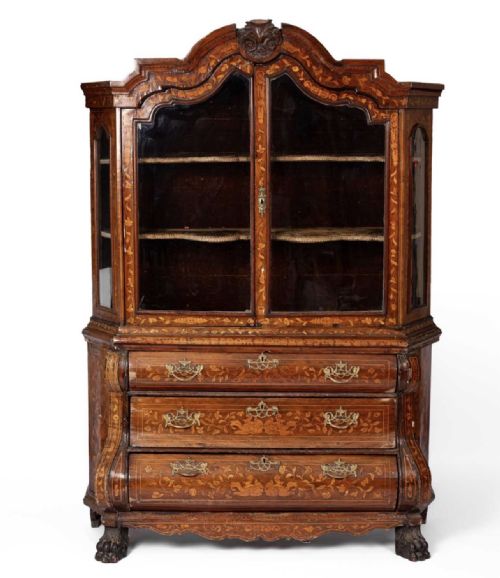
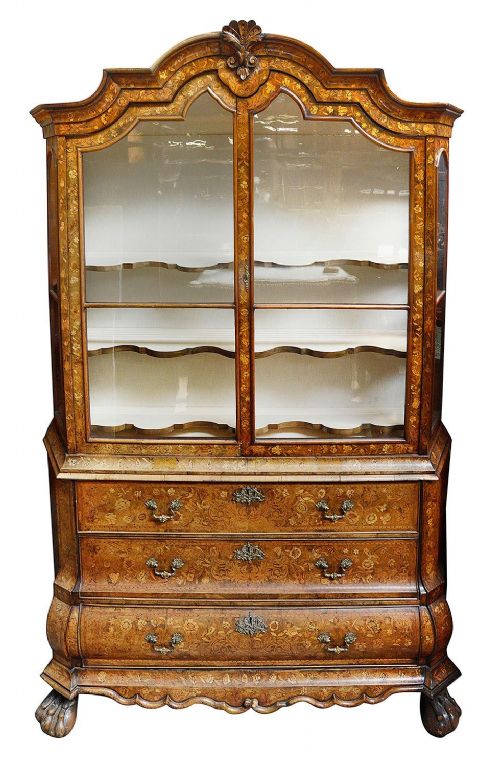
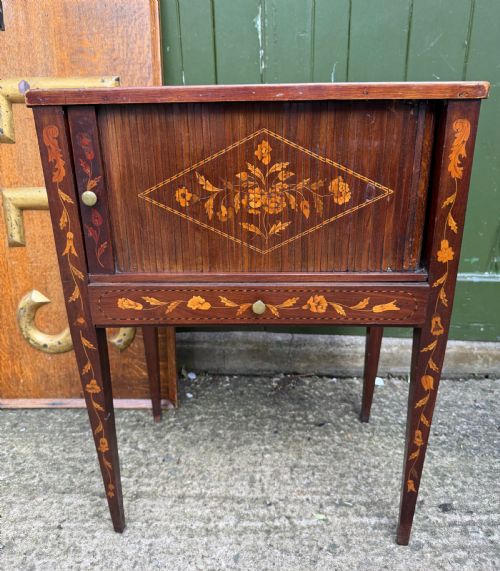
Cabinetmakers utilised dense timbers such as mahogany, walnut, oak, and fruitwood, often applying veneers and intricate floral marquetry in contrasting woods. Structural elements incorporated traditional joinery, dovetailing, and concertina or drop-leaf mechanisms for tables and desks.
Surface decoration extended to hand-carved giltwood, silvering, painted finishes, and lacquer work, occasionally paired with figured marble tops or brass hardware.
C18th Furniture Retail Price Guide 2026
Typical asking prices for c18th furniture among the pieces listed under this phrase on Sellingantiques today, from the lower quarter to the upper quarter. They describe what is for sale here now, not the wider market.
The listings feature diverse woods including mahogany, walnut, oak, fruitwood, and hardwood alongside marble and brass.
Assessing Quality
Quality rests upon the selection of timber, the crispness of carved detail, and the integrity of the original construction rather than decorative embellishment alone. Pieces retaining their original surface patination, gilt decoration, and hardware command greater regard than those subjected to heavy restoration or replacement elements.
The C18th Furniture Glossary
- Marquetry
- Decorative inlay technique using thin slices of wood to create pictorial or floral patterns on furniture surfaces. This method was widely practiced by Dutch and English cabinetmakers.
- Commode
- A low chest of drawers or cabinet developed in France during the eighteenth century. These pieces often feature serpentine outlines and elaborate veneer work.
- Torchere
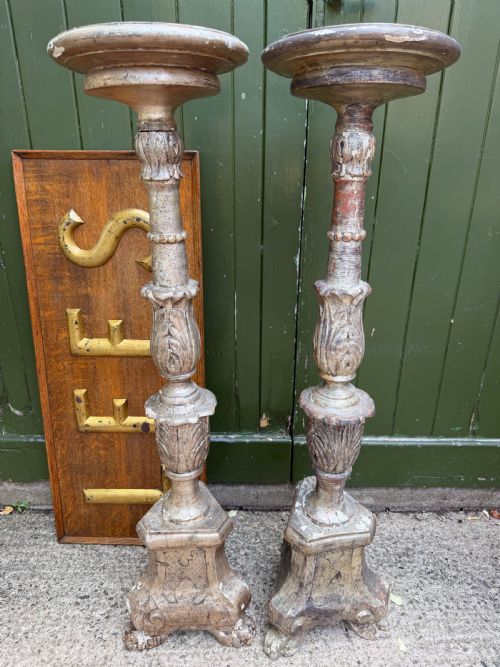
- A tall stand designed to support a candle or lamp. They frequently appear in pairs and display carved and gilded woodwork.
- Bureaux
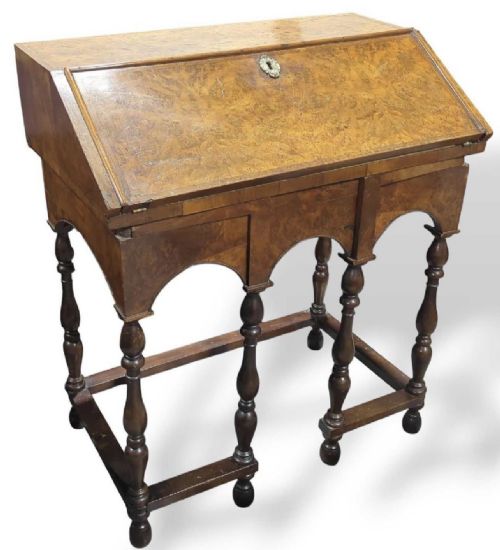
- A sloping desk hinged to enclose pigeonholes and small drawers. Early examples often rest on bracket feet or baluster supports.
C18th Furniture: Frequently Asked Questions
How do I identify a Georgian piece?
Georgian pieces align with the reigns of the Georges, typically displaying stylistic traits associated with Thomas Sheraton, Thomas Chippendale, or regional cabinetmakers working in mahogany and oak.
Look for architectural proportions, classical carving motifs, and specific mechanical functions such as concertina action card tables or dumb waiters.
Where were these items made?
The inventory encompasses items from British workshops as well as continental centres including France, Italy, Spain, Germany, and the Netherlands. Each region employed distinct woods, such as fruitwood or walnut, alongside local stylistic preferences.
Continental pieces frequently show Baroque or Rococo influence, whereas English production often reflects Sheraton or general Georgian design principles.
How do I care for walnut and mahogany?
Maintain these wooden surfaces by avoiding direct sunlight and excessive humidity fluctuations, which can cause timber to split or veneers to lift. Regular dusting with a dry, soft cloth preserves the existing finish.
Apply specialist wax sparingly only when the wood appears dry, following the grain of the material.
What is a bon-heur-de-jour?
A bonheur-de-jour is a small, elegant ladies writing table featuring a cabinet or shelving superstructure on top of the writing surface. These portable desks gained popularity during the late eighteenth century.
They often incorporate fine mahogany veneers, small drawers, and delicate cabriole or tapered legs.